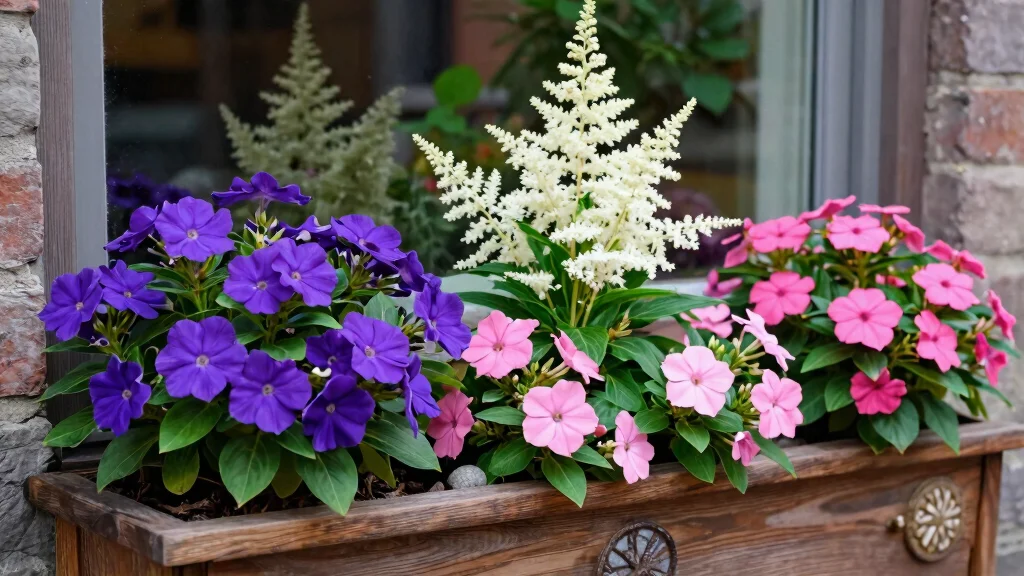
When it comes to gardening, I’ve found myself completely obsessed with creating beautiful spaces, even if they don’t get a lot of sunlight. With many of us living in urban areas, finding ways to add greenery to shady spots can feel challenging. That’s why I put together this post on window box flowers for shade. I want to help you discover stunning, low-light flowers that can bring your window boxes to life, even in spots that are often overlooked.
If you’re someone who loves gardening but struggles with shade-loving plants, this guide is for you. Perhaps you have a cozy apartment or a home with lots of trees that cast a shadow over your garden. You deserve to enjoy beautiful blooms without worrying about direct sunlight. In this post, I’ve compiled a list of nine gorgeous window box flowers that thrive in shady conditions and will make your container gardening dreams come true.
Get ready to dive into some fantastic options that are not only colorful and vibrant but also practical for low-light environments. You’ll find a variety of plants that’ll add charm and elegance to your decorative window boxes. Whether you’re looking to create a romantic atmosphere or simply want to splash some color into your shady nook, you’ll walk away with plenty of inspiration and practical ideas for your shade garden.
Key Takeaways
– Variety of Options: Discover nine unique window box flowers that flourish in low-light conditions, ensuring your gardening isn’t limited by shade.
– Design Inspiration: Explore ideas on how to arrange these flowers in decorative window boxes for maximum visual appeal and texture.
– Practical Tips: Learn essential care tips for maintaining shade-loving plants, helping you create a thriving garden even in the dimmest spots.
– Colorful Choices: Understand the diverse range of colors and styles available, from the classic beauty of Impatiens to the romantic touch of Bleeding Heart.
– Shade Gardening Benefits: Find out how a well-planned shade garden can add beauty and serenity to your living space, enhancing your home environment.
1. Impatiens: The Classic Shade Performer

If you want a splash of color in your shady window boxes, look no further than Impatiens. These vibrant flowers bloom in an array of colors like pink, red, purple, and white, making them perfect for brightening up dim spaces. They thrive in low-light conditions, allowing you to enjoy their beauty even without direct sunlight.
Impatiens are super easy to care for, needing regular watering but little else. They bloom from spring to frost, offering a steady flow of color throughout the growing season. Use a well-draining potting mix to keep them happy, ensuring they stay moist but not waterlogged.
Key tips for a flourishing display:
– Water regularly, especially during heat waves.
– Deadhead wilted blooms to promote new flowers.
– Combine with ferns or hostas for a striking layered look.
By choosing Impatiens, you’ll enjoy a colorful and low-maintenance garden that delights all season long.
Did you know Impatiens bloom in an array of colors even in shade? Water regularly, keep soil evenly moist, and deadhead to encourage nonstop color. With these easy tips, your window box will shine all season.
Impatiens: The Classic Shade Performer
Editor’s Choice

Mayne Fairfield 3ft Window Box, Self Watering Flower Box with Double Wal…


Miracle-Gro Organic Outdoor Potting Mix – Plant Soil for Outdoor Contain…

Watering Can for Indoor and Outdoor Plants – Long Spout Water Can for Ga…
2. Astilbe: A Flourishing Fern Alternative
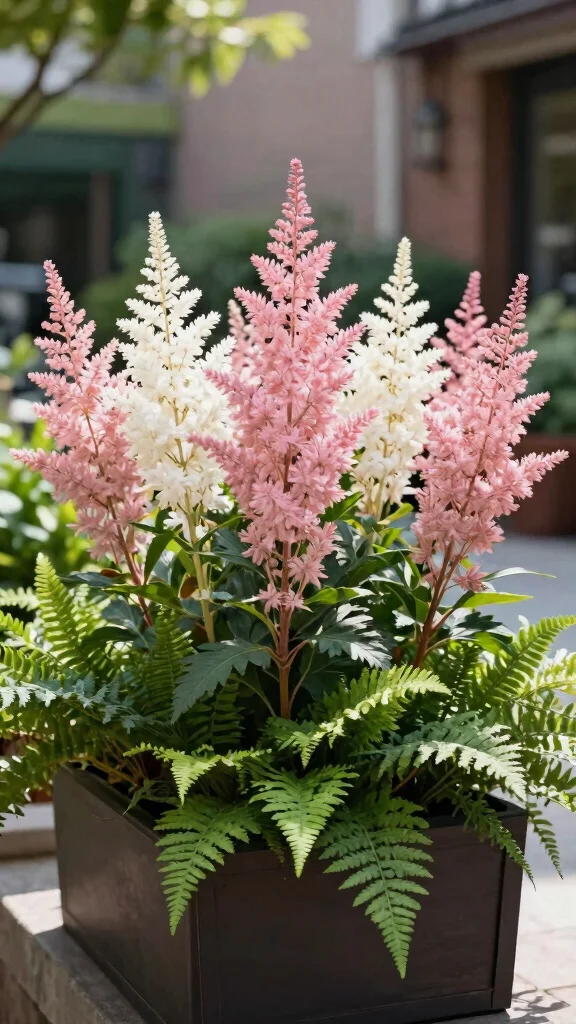
For those seeking height and elegance in shaded window boxes, Astilbe is a fantastic choice. These plants feature feathery plumes and lush foliage, growing up to 3 feet tall. Their blooms in pink, white, and red add a romantic touch to any garden.
Astilbe thrives in moist soil, so consistent watering is essential, especially in dry spells. Plant them in well-draining potting soil to help them flourish. Beyond their beauty, they attract pollinators like bees and butterflies, making your garden a vibrant ecosystem.
Planting recommendations:
– Select a location with partial to full shade.
– Keep the soil consistently moist for optimal growth.
– Pair with ferns for a lush, textured appearance.
By incorporating Astilbe, you’ll create a stunning focal point that enhances the beauty of your shaded garden.
📹 Related Video: How to Separate & Replant Astilbes in Deep Shade
Astilbe: A Flourishing Fern Alternative
Editor’s Choice

Small Indoor Watering Can – Gardening Gifts for Women -Sometimes I Wet M…

KVR Upgraded Garden Kneeler and Seat with Thicken & Widen Soft Kneeling …

COOLJOB 6 Pairs Gardening Gloves for Women Ladies, Breathable Rubber Coa…
3. Heuchera: Colorful Foilage that Shines in the Shade

Heuchera, commonly known as coral bells, is celebrated for its stunning foliage that adds vibrancy to any window box. These plants boast leaves in shades of deep burgundy, lime green, and various variegated patterns, complemented by charming flower spikes that attract pollinators.
Heuchera thrives in partial shade and becomes drought-tolerant once established, making it an ideal choice for busy gardeners. Their low-maintenance nature allows them to flourish with minimal effort, and they pair beautifully with other shade-loving plants for added depth.
Essential care tips:
– Use a well-draining potting mix for healthy growth.
– Water thoroughly but let the soil dry between waterings.
– Combine with flowers for a colorful, layered display.
With Heuchera, you’ll enjoy an easy-care plant that brings striking colors and textures to your shade garden.
Fun fact: Heuchera foliage comes in up to 7 color tones—from deep burgundy to lime green—and shines in window box arrangements for shade. In a 12-inch window box, its spikes attract pollinators all season.
Heuchera: Colorful Foilage that Shines in the S…
Editor’s Choice

Live Heuchera Coral Bells 2-Pack – Peach Parfait – Shade Perennial F…
Mayne Fairfield 4ft Window Box, Self Watering Flower Box with Double Wal…

Burpee, 9 Quarts | Premium Organic Potting Natural Soil Mix Food Ideal f…
4. Bleeding Heart: A Romantic Touch
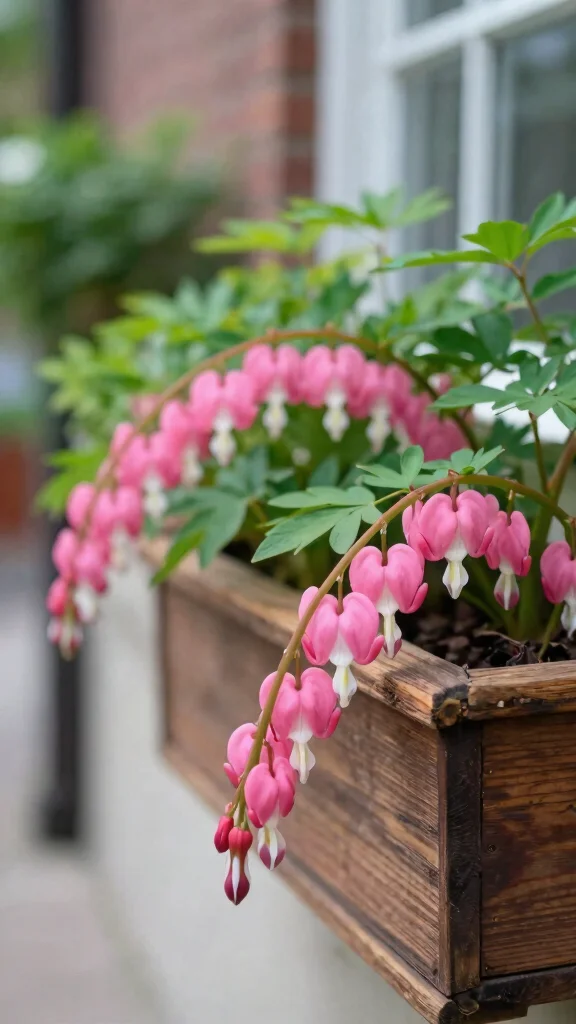
The enchanting Bleeding Heart features heart-shaped flowers that add a romantic flair to your window boxes. These perennials bloom in spring, showcasing lovely pink or white flowers that dangle gracefully from arching stems. They thrive in partial shade and prefer consistently moist soil, making them perfect companions for other shade-loving plants.
Plant Bleeding Hearts alongside ferns and hostas to create a soft, magical atmosphere in your garden. Their unique shape and gentle colors attract attention without overwhelming other plants. After blooming, the foliage remains lush, adding structure to your garden.
Helpful planting insights:
– Provide enough space for spreading.
– Regularly water to maintain soil moisture.
– Ideal for mixed containers with different heights.
By adding Bleeding Hearts, you’ll create a charming and whimsical garden that delights visitors all season long.
Bleeding Heart: A Romantic Touch
Editor’s Choice

FLINTER Garden Kneeler and Seat, 10.2″ Wider Heavy Duty Thick Gardening …

COOLJOB 6 Pairs Gardening Gloves for Women Ladies, Breathable Rubber Coa…

Gardening Apron with Pockets for Women & Men – Garden Apron 7 Pockets & …
5. Tiarella: Foamy and Fabulous

Tiarella, or foamflower, is a delightful choice for shaded window boxes. Its star-like flowers and attractive foliage create a whimsical touch in any arrangement. Tiarella blooms in spring, producing delicate white or pink spikes that rise above its lush green leaves.
These plants prefer moist, well-drained soil and thrive in partial shade, making them excellent companions for other shade-loving varieties. They also attract beneficial insects while adding texture and charm to your containers.
Care recommendations:
– Water regularly, especially during warm spells.
– Pair with contrasting foliage for visual intrigue.
– Ideal for planting alongside bluebells and ferns.
With Tiarella, you’ll enjoy a unique, frothy display that enhances the beauty of your shaded garden.
We all want color in shady spots, and Tiarella delivers with foamy blooms and textured leaves. Keep the soil consistently moist and in partial shade, and your window box flowers for shade will charm pollinators and passersby alike.
You might also like


Tiarella: Foamy and Fabulous
Editor’s Choice
Miracle-Gro Organic Outdoor Potting Mix – Plant Soil for Outdoor Contain…

2000+ Citronella Plant Seeds for Planting – Citronella Geranium Seeds – …
6. Vinca Minor: Ground Cover Delight

For a stunning ground cover in shady window boxes, Vinca Minor is an excellent option. Known for its trailing habit and evergreen leaves, this plant produces lovely blue or purple flowers throughout the growing season. Vinca thrives in various soil types and requires minimal maintenance, making it perfect for busy urban gardeners.
This plant not only blooms beautifully in the shade but also serves as a lush green backdrop for other plants. Its creeping nature creates a soft, cascading effect in your window boxes.
Growing tips:
– Plant in well-drained soil for optimal growth.
– Allow space for trailing; they can spread quite a bit.
– Mix with taller plants to create visual layers.
With Vinca, you’ll achieve a vibrant and low-maintenance garden that flourishes in shaded areas.
Vinca Minor: Ground Cover Delight
Editor’s Choice
Miracle-Gro Organic Outdoor Potting Mix – Plant Soil for Outdoor Contain…

Quarut 3 Pack 10 inch Plant Pots,Whiskey Barrel Planters with Drainage H…
7. Pulmonaria: A Splash of Color
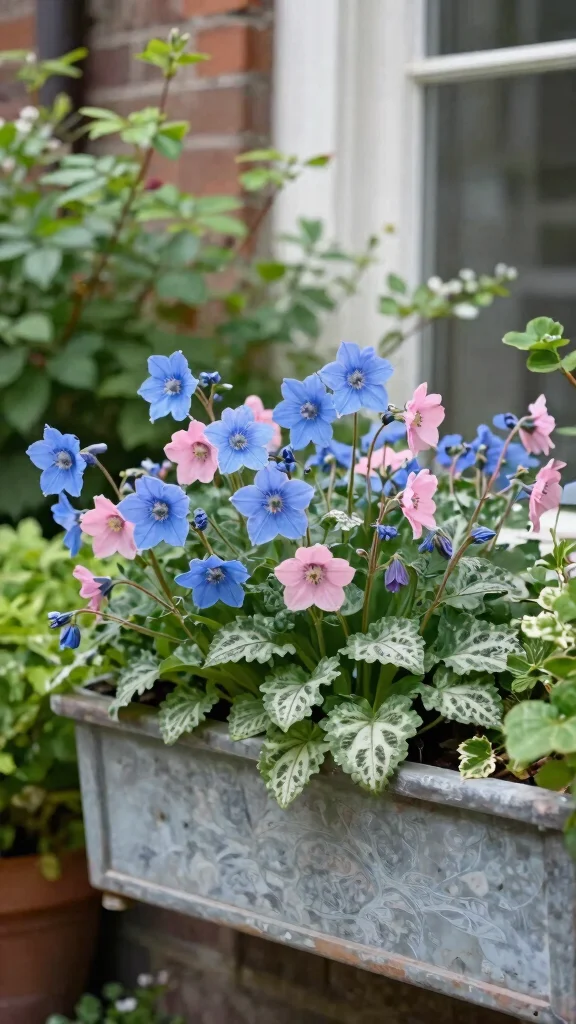
Pulmonaria, commonly known as lungwort, is a lesser-known gem for shaded window boxes. Its spotted leaves and clusters of blue or pink flowers provide a striking contrast in your garden. Pulmonaria blooms in early spring and adapts well to various soil conditions, making it a versatile choice.
This plant thrives in shady spots while attracting bees and other pollinators, enriching your urban garden. As the flowers fade, the lush foliage continues to add texture and interest throughout the growing season.
Planting insights:
– Water regularly to maintain soil moisture.
– Pairs beautifully with hostas and ferns.
– Great for early spring color before other plants bloom.
By incorporating Pulmonaria, you’ll add a splash of color and texture that brightens up your shady garden.
Top Varieties for Different Conditions
Impatiens
– Best conditions: Great for cooler climates and shaded areas. They thrive in moist, rich soil.
– Key features: Impatiens are classic shade performers with bright, cheerful blooms. Their vibrant colors can brighten up any dull space, making them a favorite for decorative window boxes.
– Considerations: They need consistent moisture and can be susceptible to downy mildew in humid conditions.
Astilbe
– Best conditions: Ideal for temperate regions with partial to full shade. They enjoy damp soil, making them perfect for containers that can retain moisture.
– Key features: Astilbe features feathery flower spikes that bloom in shades of pink, white, and red. The foliage is dense and adds texture to your window box.
– Considerations: They require regular watering and can struggle in dry conditions. Make sure your container has good drainage to prevent root rot.
Heuchera
– Best conditions: Thrives in cooler climates and partial shade. These plants are perfect for low-light areas.
– Key features: Heuchera, or coral bells, are known for their stunning foliage that comes in various colors like deep purple, chartreuse, and silver. They provide a unique visual interest even when not in bloom.
– Considerations: While they handle shade well, too much moisture can be problematic. Ensure your window box has well-draining soil.
Bleeding Heart
– Best conditions: Prefers cooler, moist environments with partial shade. They do well in shaded urban gardens.
– Key features: This plant features heart-shaped flowers that dangle from arching stems, creating a romantic look in your window box. Their unique shape can add charm and elegance.
– Considerations: They may go dormant in the summer, so consider planting them with other perennials that fill in during this time.
Tiarella
– Best conditions: Perfect for shaded areas with moist, well-drained soil. They are suited for cooler climates.
– Key features: Tiarella, or foamflower, produces delicate white or pink flower spikes above lush foliage. They are excellent for adding a soft, airy feel to your container.
– Considerations: They require consistent moisture but dislike being waterlogged. Ensure good drainage in your window box.
Vinca Minor
– Best conditions: Adapts well to various conditions but shines in partial shade. It can tolerate drier spells, making it a versatile choice.
– Key features: Vinca minor, or creeping myrtle, features glossy green leaves and beautiful blue flowers. It works well as a ground cover plant in window boxes.
– Considerations: While hardy, it can become invasive if not controlled. Keep an eye on its growth to avoid overcrowding.
Pulmonaria
– Best conditions: Thrives in cool, moist, and shady areas. They are perfect for early spring blooms followed by lush foliage.
– Key features: Pulmonaria, or lungwort, has spotted leaves and clusters of blue or pink flowers. They add a lovely touch of color and texture to your window box.
– Considerations: They can struggle in hot, dry conditions, so watering is essential during warmer months.
Ferns
– Best conditions: Ideal for moist, shady environments, particularly in temperate climates.
– Key features: Ferns offer lush, leafy textures that can complement flowering plants beautifully. They create a soft, serene look in decorative window boxes.
– Considerations: Different fern varieties have varying moisture needs, so select one that matches your watering routine.
Growing Tips:
1. Choose a mix of plants to create layers and depth in your window box.
2. Regularly check soil moisture, especially for shade-loving plants that can easily become waterlogged.
3. Fertilize lightly in spring to promote healthy growth and flowering.
Avoid:
1. Do not overcrowd your window box; give each plant enough space to grow.
2. Avoid planting sun-loving plants in shaded areas, as they will struggle to thrive.
Pulmonaria: A Splash of Color
Editor’s Choice
Mayne Fairfield 3ft Window Box, Self Watering Flower Box with Double Wal…
Miracle-Gro Organic Outdoor Potting Mix – Plant Soil for Outdoor Contain…
8. Bleeding Heart Vine: An Unusual Choice

Bleeding Heart Vine (Clerodendrum thomsoniae) is a stunning tropical vine featuring eye-catching clusters of red and white flowers. While it prefers partial shade, it can tolerate full shade, making it a unique addition to window boxes. This twining vine benefits from support, allowing it to showcase its beautiful blooms fully.
In addition to its striking flowers, Bleeding Heart Vine has rich green leaves that create an attractive backdrop. Keep the soil consistently moist to help this plant thrive, and enjoy its ability to attract hummingbirds to your garden.
Growing tips:
– Provide support for climbing.
– Maintain moist, well-drained soil.
– Mix with shorter plants for added visual interest.
By adding Bleeding Heart Vine, you’ll create a vibrant and lively garden that sparks conversations among your guests.
You Might Also Like

Bleeding Heart Vine: An Unusual Choice
Editor’s Choice
Miracle-Gro Organic Outdoor Potting Mix – Plant Soil for Outdoor Contain…

Cucumber Trellis for Climbing Plants Outdoors, U-Shape Garden Trellis fo…
9. Ferns: The Lush Foliage Accent

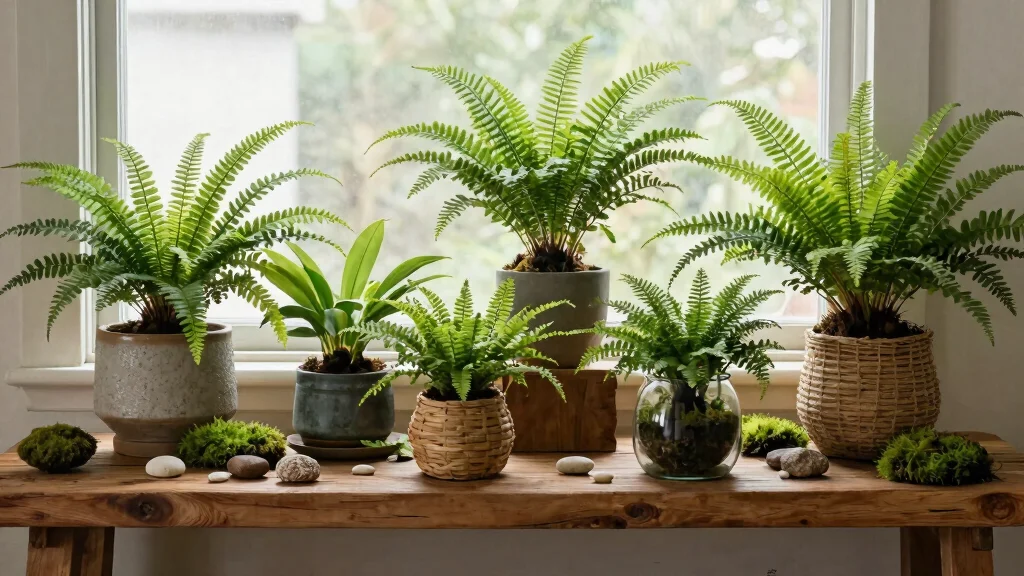
While not flowers, ferns are essential companions in any shaded window box arrangement. Their lush, feathery fronds provide texture and contrast, enhancing the beauty of flowering plants in your urban garden. Ferns thrive in shady conditions and are incredibly low-maintenance, making them an ideal backdrop for blooms.
Consider ferns like the Maidenhair or Staghorn for their unique shapes and textures. They help retain moisture in the soil, benefiting neighboring plants in the window box. Pairing ferns with flowering varieties creates a balanced and visually appealing display.
Care tips:
– Ensure enough humidity and moisture in the soil.
– Combine with flowering plants for a rich arrangement.
– Trim dead fronds regularly to encourage growth.
By including ferns, you’ll create a lush, vibrant garden that thrives in shady spaces.
Ferns: The Lush Foliage Accent
Editor’s Choice

Maiden Hair Fern Adiantum Raddianum, Live Plant, 4″ Pot, Green Foliage, …

Miracle-Gro Moisture Control Potting Mix – Plant Soil For Container Plan…

Set of 2 Staghorn Fern Mounting Blocks, 2 x 12 Inches Square Staghorn Fe…
Conclusion: Shade Gardens Can Be Stunning
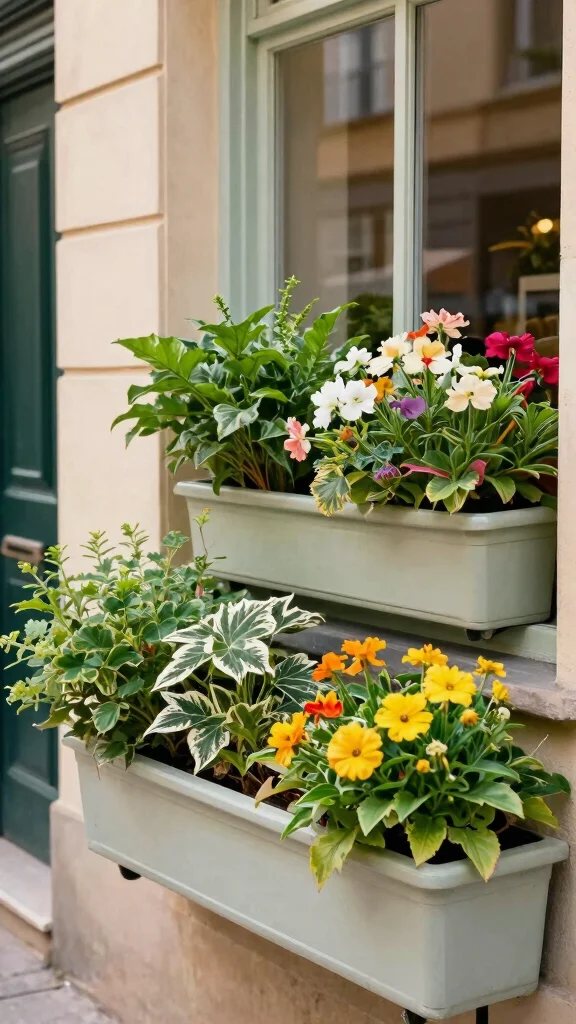
Creating a shade garden doesn’t mean settling for dull or lifeless plants. The options available are abundant and can make your window boxes come alive with color and texture. Window box flowers for shade offer endless possibilities for creating a lush, vibrant outdoor space even in low-light conditions.
By selecting the right combinations of shade-loving plants, you can transform your urban garden into a stunning oasis, filled with personality and charm. So get creative, and let these beautiful blooms and delicate foliage inspire you to design your dream shaded window box arrangement!
Note: We aim to provide accurate product links, but some may occasionally expire or become unavailable. If this happens, please search directly on Amazon for the product or a suitable alternative.
This post contains Amazon affiliate links, meaning we may earn a small commission if you purchase through our links, at no extra cost to you.
Frequently Asked Questions
What makes window box flowers for shade different from sun-loving varieties?
Window box flowers for shade are chosen to thrive with limited light, so you can enjoy a lush display even in north- or east-facing windows. When you focus on shade-loving plants, you also lean into container gardening basics like well-draining soil and even moisture.
Dress up a small urban space with decorative window boxes and blooms that perform in low-light flowers, turning a simple box into a vibrant shade garden ideas display.
Which shade-loving flowers are best for a small urban window box?
For a compact urban setup, choose shade-loving plants that stay tidy in a container, like compact hostas, heucheras (coral bells), pulmonarias, ferns, and ivy. These work well in container gardening and keep your window box flowers for shade looking lively without crowding.
Pair them with a few low-light flowering accents, and choose colors that read well in shade to create a cohesive decorative window boxes look.
How should I care for my shade-loving window boxes through the seasons?
In spring, refresh your window box flowers for shade and tighten any loose soil. In summer, keep the container evenly moist and ensure good drainage so shade-loving plants don’t sit in soggy soil.
In fall, prune dead growth and add a protective mulch layer for insulation. In winter, you may need to shelter the box or relocate to a brighter spot; this keeps your urban shade garden ideas alive through the cold.
What soil mix and watering schedule work best for window box flowers for shade?
Use a light, fast-draining potting mix with a bit of compost, tailored for window box flowers for shade. Water when the top inch of soil dries, aiming for steady moisture rather than soggy conditions.
In container gardening for shade, you may need more frequent watering during hot spells even though the light is lower. Make sure drainage holes stay clear so roots don’t rot.
Can I mix different shade-tolerant plants in one window box, and how to design for a cohesive look?
Yes—mixing different shade-tolerant plants in one window box can create year-round interest. Group plants with similar light and moisture needs, use varying heights and textures, and keep to a limited color palette for a cohesive decorative window boxes look.
In window box flowers for shade, combining foliage with bloom color can maintain interest as seasons shift. Pro tip: place taller plants at the back or center and trailing varieties at the edges to maximize space in container gardening setups.
Related Topics
window box flowers
shade-loving plants
container gardening
low-light flowers
decorative window boxes
urban gardening
shade garden ideas
easy care flowers
beginner friendly
perennial plants
colorful shade flowers
seasonal blooms