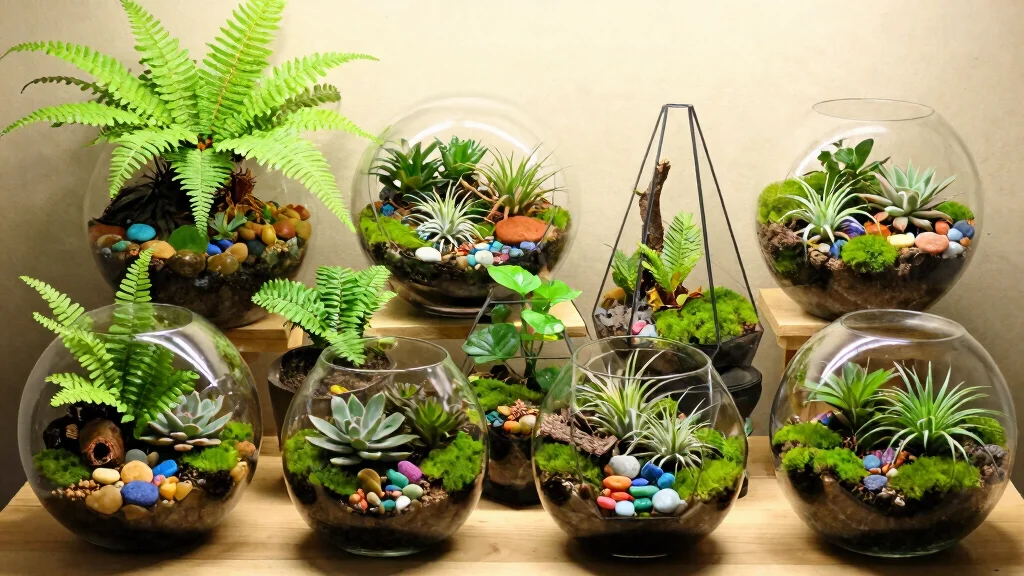
Creating a self sustaining terrarium can spark joy and creativity in your home. Whether you’re craving a touch of nature indoors or seeking a low-maintenance way to bring greenery into your life, this guide is for you. It’s no secret that indoor gardening can boost your mood and purify the air. If you’ve ever thought about starting this indoor project but worried about the upkeep, you’re in the right place.
If you’re someone who loves plants but doesn’t want the hassle of daily care, this post is perfect for you. From busy professionals to apartment dwellers, anyone can enjoy the beauty of a self sustaining terrarium without breaking a sweat. You’ll discover 10 unique ideas that require almost zero maintenance while adding a splash of eco-friendly decor to your living space.
Get ready to explore a world of lush greenery and charming designs. You’ll find options that cater to different aesthetics and plant preferences, ensuring there’s something for everyone. Plus, I’ve included practical tips to help you create your very own DIY terrariums. You’ll walk away with inspiration and know-how to cultivate your indoor oasis effortlessly.
Key Takeaways
– Self sustaining terrariums are closed ecosystems that require little to no maintenance, making them ideal for busy lifestyles.
– Opt for low maintenance plants like succulents, moss, and ferns to create a thriving indoor garden that’s easy to care for.
– Each of the 10 ideas presented caters to different design styles, ensuring you can find a terrarium that fits your home decor.
– DIY terrariums offer a fun and creative outlet, allowing you to personalize your space while nurturing plants.
– These self sustaining setups not only beautify your home but also serve as eco-friendly decor options that promote a connection with nature.
1. The Classic Succulent Terrarium

If you’re looking to brighten up your space with minimal effort, succulents are your go-to choice. Their vibrant shapes and colors make them a fantastic option for a self-sustaining terrarium. With a few simple materials like a glass container and potting soil specifically for succulents, you can create a stunning display that thrives with little care. A splash of colorful pebbles can enhance the aesthetic and keep the terrarium looking fresh.
Begin by choosing a glass container with a wide opening to promote airflow and display your plants beautifully. Create a base layer of pebbles for drainage, then add activated charcoal to keep the environment clean. Fill it with succulent potting soil and arrange a variety of succulents, ensuring they have enough space to flourish. Water every few weeks, and enjoy the vibrant display!
Key tips for your succulent terrarium:
– Avoid overwatering to prevent root rot.
– Rotate the terrarium regularly for even growth.
– Use colorful pebbles for added visual interest.
– Place in indirect sunlight for optimal growth.
This terrarium not only enhances your decor but also provides a lively, low-maintenance greenery option for your home.
The Classic Succulent Terrarium
Editor’s Choice

Back to the Roots 100% Organic Indoor Potting Mix (6 Quart), Promotes He…


WGVI Clear Slant Cut Bowl Glass Vase, Glass Terrarium, Candy Dish, Glass…

YISZM 2LB Succulent and Cactus Colorful Pebbles, 3/8 Inch Pebbles for In…
2. Moss Wonderland

For a lush, inviting look, a moss terrarium is an excellent choice. These miniature ecosystems are visually stunning and incredibly easy to care for. With just a few supplies like a clear glass container and different types of moss, you can create a delightful green oasis right at home. The soft texture of moss adds a serene touch to your space.
Begin by selecting a clear container and layering the bottom with small stones for drainage. Add activated charcoal and a thin layer of soil. Arrange various moss types such as sheet moss and cushion moss for depth. You can also personalize it with tiny figurines or decorative stones. Lightly mist the moss every few weeks to maintain its lush appearance.
Here are steps to craft your moss wonderland:
– Choose a clear container for visibility.
– Layer stones, charcoal, and soil for drainage.
– Mix different moss types for texture.
– Mist lightly every few weeks for humidity.
This moss terrarium thrives in low-light spaces and brings a calming vibe to your home.
Moss Wonderland
Editor’s Choice

Yangbaga Large Glass Terrarium Succulent Plant Terrarium House for Plant…

Mosser Lee ML0560 Spanish Moss, 250 Cubic Inches

Legigo 2 QT Horticultural Charcoal- Natural Charcoal for Plants, Biochar…
3. Ferny Oasis
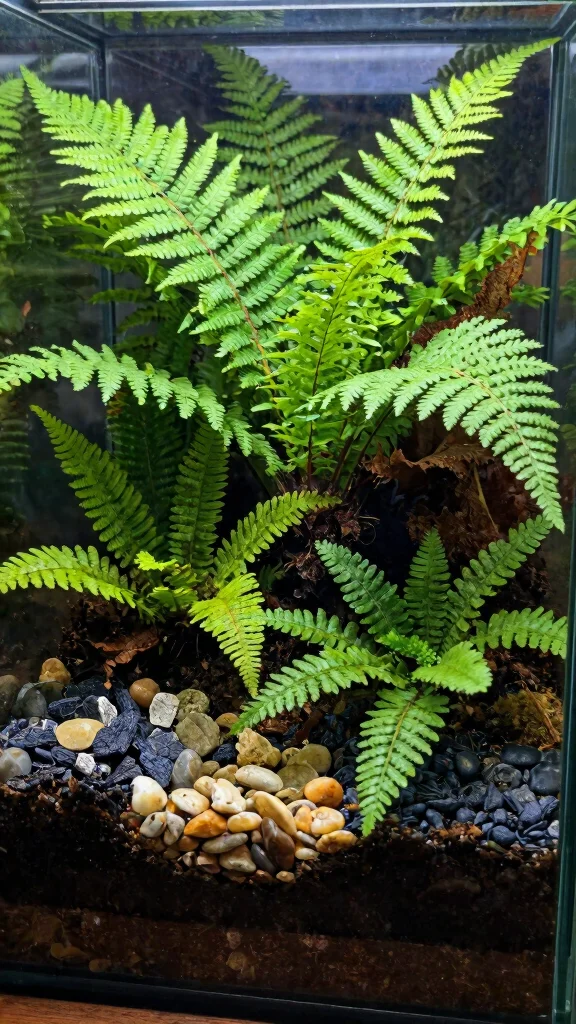
Transform a corner of your home with a fern terrarium that exudes nature’s beauty. Ferns are perfect for shaded areas and add a lush, tropical feel to your indoor space. This low-maintenance option thrives in humid environments, making it an ideal choice for your decor.
Select a glass container with good ventilation, then layer small pebbles for drainage, activated charcoal, and a nutrient-rich potting mix. Choose varieties like Boston ferns and maidenhair ferns for a diverse look. Mist the plants regularly to keep them hydrated, and remove any dead fronds to maintain health.
Here’s how to create your ferny oasis:
– Use a ventilated glass container for airflow.
– Layer pebbles, charcoal, and rich potting mix.
– Select diverse fern types for variety.
– Mist regularly for hydration and humidity.
This fern terrarium adds a wild touch to your decor while being easy to care for, perfect for busy lifestyles.
Ferny Oasis
Editor’s Choice

Miracle-Gro Moisture Control Potting Mix – Plant Soil For Container Plan…

REPTI ZOO Reptile Glass Terrarium, 18″ x 18″ x 24″ Front Opening with Do…
Legigo 2 QT Horticultural Charcoal- Natural Charcoal for Plants, Biochar…
4. The Zen Garden Terrarium
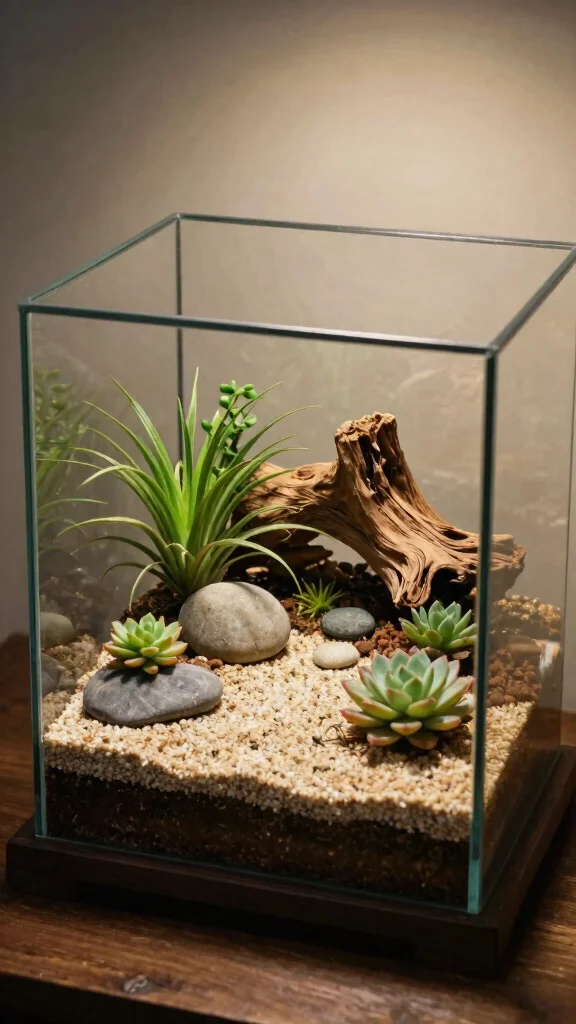
Create a tranquil space in your home with a Zen garden terrarium that blends nature with calming aesthetics. This setup features low-maintenance plants and decorative elements, making it a serene addition to any room. The combination of textures and colors creates a peaceful atmosphere you’ll love.
Start with a shallow glass container to showcase your design. Layer fine gravel for drainage, followed by sand and soil to mimic a beach-like effect. Incorporate elements like smooth stones and driftwood to enhance the zen vibe. Choose air plants or small succulents, which require minimal watering every couple of weeks.
Steps to set up your Zen garden:
– Use a shallow glass container for visibility.
– Layer gravel, sand, and soil for texture.
– Add decorative elements like stones and driftwood.
– Water lightly every few weeks for maintenance.
This terrarium’s simplicity and elegance will bring a sense of peace to your indoor space.
Fun fact: a self sustaining terrarium can stay vibrant with as little as weekly misting and 4-6 hours of indirect light, thanks to a closed-loop moisture cycle. In a Zen garden setup, this balance brings calm and low maintenance to one peaceful display.
The Zen Garden Terrarium
Editor’s Choice

2 lbs Aquarium Gravel, 2-4mm Fish Tank Gravel, Succulent Cactus Pea Grav…

Large Glass Plant Terrarium – House Succulent Glass Terrarium Kit with…

Shop Succulents | Assorted Collection of Tropical Tillandsia Air Plant K…
5. The Rainforest Miniature
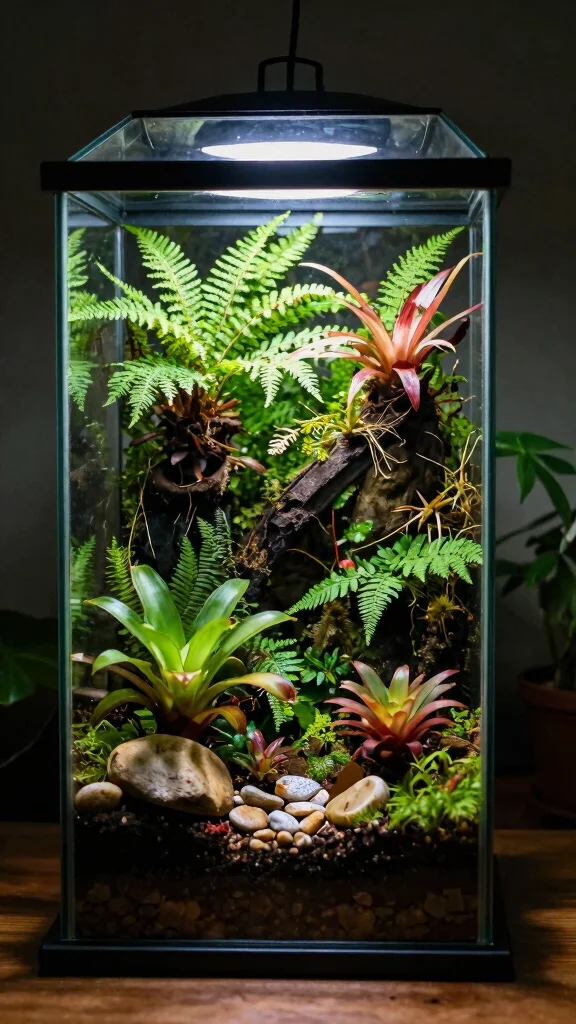
Bring a slice of the rainforest into your home with a closed ecosystem terrarium. This setup captures the lushness of tropical plants and creates a vibrant display. It’s perfect for those who love greenery but want a low-maintenance option.
Choose a clear container with a lid to maintain humidity, then layer small stones, activated charcoal, and a moisture-retaining potting mix. Add tropical plants like orchids and small bromeliads for an exotic flair. Position the plants to create a layered look, ensuring taller ones are at the back. Mist lightly every few weeks to keep the ecosystem thriving.
Steps to create your rainforest miniature:
– Use a lidded container to retain moisture.
– Layer stones, charcoal, and soil for drainage.
– Select tropical plants for lushness.
– Mist regularly to maintain humidity.
This terrarium will not only enhance your decor but also serve as a stunning focal point in your home.
You might also like

The Rainforest Miniature
Editor’s Choice

2 Pcs Propagation Vases, Tabletop Plant Terrarium for Propagating Hydrop…

Legigo 2 QT Horticultural Charcoal- Natural Charcoal for Plants, Biochar…

Soil Sunrise Terrarium Potting Soil Mix (4 Quarts) w/Blended Filtering C…
6. Colorful Cacti Collection
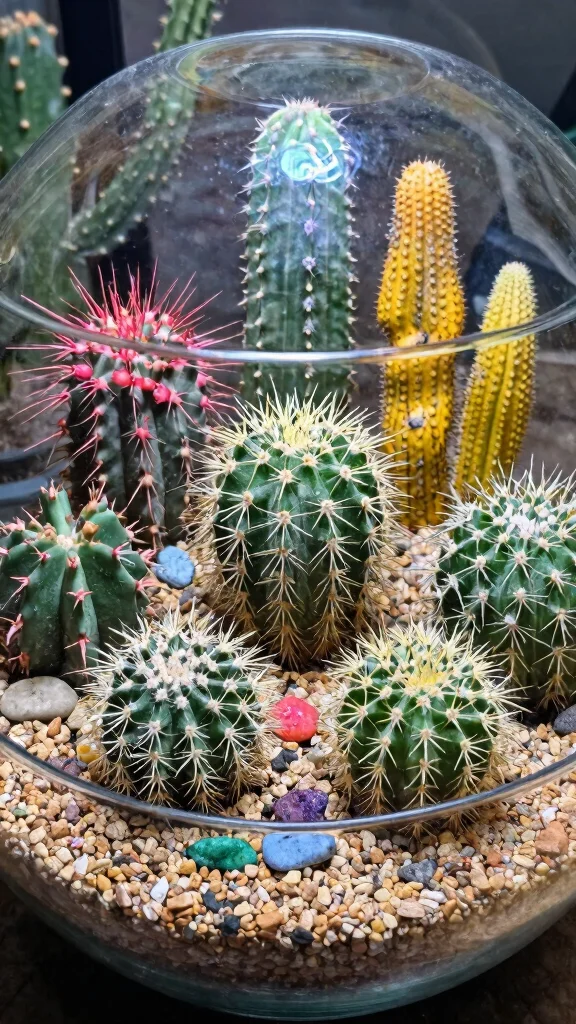
For a drought-resistant option that’s full of personality, a cacti terrarium is an ideal choice. These plants require minimal care and offer a vibrant pop of color to your indoor gardening. With their unique shapes and sizes, they create an eye-catching display.
Select a clear container with adequate ventilation for your cacti. Start by layering rocks for drainage, then use cactus potting mix to support their growth. Arrange a variety of cacti, like the colorful moon cactus or prickly pear, to showcase their distinct forms. Place the terrarium near a window for bright indirect light. Water sparingly, only when the soil is completely dry.
Key steps for your colorful cacti collection:
– Choose a ventilated container for airflow.
– Layer rocks and use cactus mix for drainage.
– Arrange diverse cacti for visual interest.
– Water only when the soil is dry.
This vibrant oasis will enhance your space and serve as a striking conversation starter.
Colorful cacti prove you can get personality in a glass without daily fuss. With simple layering, proper drainage, and cactus potting mix, your self sustaining terrarium stays vibrant and low-maintenance—even on the busiest days.
📹 Related Video: Make a Cactus Terrarium – How To Terrarium ep. 4
Colorful Cacti Collection
Editor’s Choice

Natural Slate Stone -1/2 to 1 inch. Perfect Size for Miniature or Fairy …

Rosy Soil Cactus and Succulent Organic Potting Soil Mix for House Plants…

CYS EXCEL Glass Slant Cut Bubble Bowl (H-6″ W-7″) Clear Flower Vase Glob…
7. The Woodland Terrarium
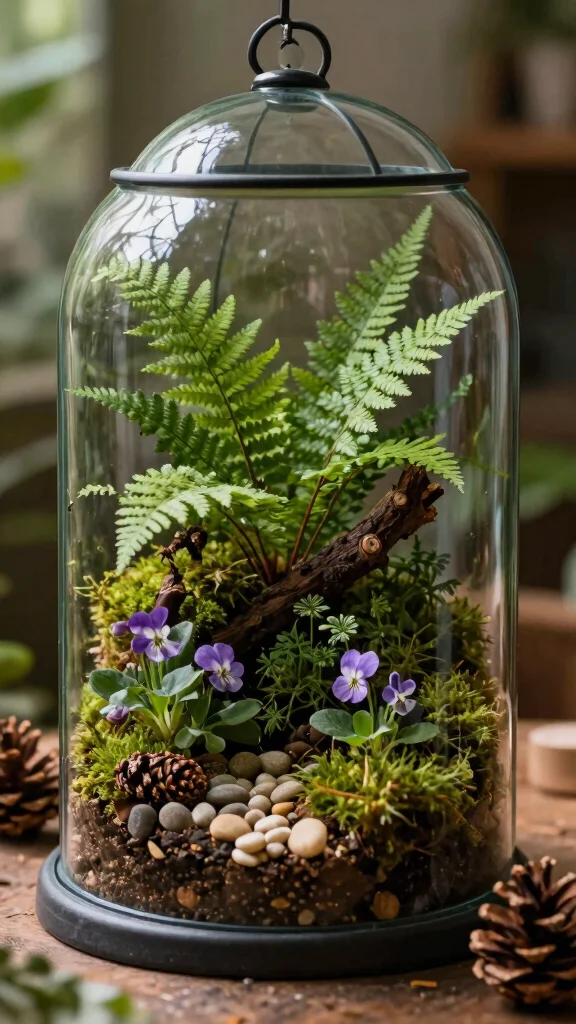
Capture the charm of a woodland landscape with a delightful woodland terrarium. This setup mimics a forest environment, bringing a touch of nature indoors. It’s a low-maintenance option that adds a whimsical aspect to your decor.
Start with a glass container that allows easy access, then layer small stones for drainage, followed by activated charcoal and a potting soil mix suitable for ferns and moss. Choose plants like ferns, moss, and small flowering varieties to recreate a forest feel. Add decorative elements like twigs and pinecones to enhance the woodland theme. Mist lightly every couple of weeks to maintain humidity.
Steps to create your woodland terrarium:
– Use a glass container for easy access.
– Layer stones, charcoal, and soil for moisture.
– Select forest-like plants for authenticity.
– Mist regularly to keep humidity levels up.
This terrarium will brighten your home while creating a charming miniature forest.
Fun fact: A woodland terrarium can thrive with under 30 minutes of weekly care. Layer stones, charcoal, and fern-friendly soil, then add ferns and moss to create a live forest in your living space. This self sustaining terrarium thrives on diffused light and minimal watering.
How To Choose The Right Plants for Your Self Sustaining Terrarium
Creating a self-sustaining terrarium can be a fulfilling and rewarding experience. Choosing the right plants is key to ensuring your closed ecosystem thrives with minimal maintenance. Here are some important factors to consider:
1. Plant Type
Select plants that are well-suited for terrarium life. Low maintenance plants like succulents, ferns, and mosses work great. They adapt well to enclosed environments, maintaining moisture and thriving with little care. Research each plant’s growth habits to ensure compatibility within your ecosystem.
2. Light Requirements
Consider the light conditions in your indoor space. Most self-sustaining terrariums do best in low to moderate light. If your space is dim, opt for shade-loving plants like ferns and moss. Succulents and cacti, on the other hand, require brighter, indirect sunlight. Position your terrarium accordingly to meet these needs.
3. Size of the Terrarium
The size of your terrarium will influence your plant selection. Smaller terrariums work well with petite plants, while larger containers can accommodate bigger varieties. Ensure that you allow enough space for each plant to grow without overcrowding. A good rule of thumb is to maintain a minimum of 2-3 inches between each plant.
4. Humidity Levels
Different plants thrive in varying humidity levels. Closed terrariums trap moisture, making them ideal for plants that enjoy humid environments. If you prefer a more open setup, select plants that tolerate drier air. Ferns and tropical plants thrive in humidity, while succulents and cacti prefer less moisture.
5. Soil and Drainage
Choose the right soil mix that supports your selected plants. A well-draining soil is crucial, especially for succulents and cacti. A mixture of potting soil, sand, and perlite can improve drainage. For moisture-loving plants, consider using a moisture-retaining mix but ensure proper drainage layers at the bottom of your terrarium.
6. Aesthetic Appeal
Think about the visual aspect of your terrarium. Mixing different textures, colors, and heights can create a stunning display. Combine leafy ferns with spiky succulents for contrast. Remember to choose plants that not only thrive together but also complement each other visually for a beautiful indoor decor piece.
Pro Tip: Always research your chosen plants before integrating them into your terrarium. Understanding their growth patterns, care requirements, and compatibility will help ensure a successful and flourishing closed ecosystem. Happy gardening!
The Woodland Terrarium
Editor’s Choice

Soil Sunrise Fern Plant Potting Soil Mix (8 Quarts) Custom Hand Blended …
Legigo 2 QT Horticultural Charcoal- Natural Charcoal for Plants, Biochar…
Large Glass Plant Terrarium – House Succulent Glass Terrarium Kit with…
8. The Desert Escape
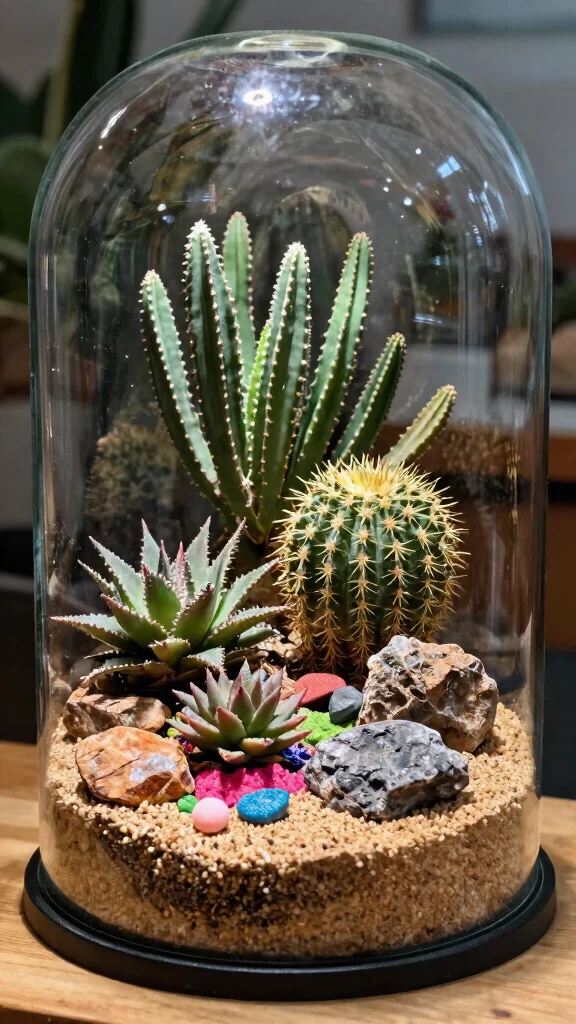
If you love the beauty of arid landscapes, a desert-themed terrarium is a perfect choice. This setup captures the essence of dry environments and requires minimal care, making it great for busy lifestyles. With a variety of textures and colors, it creates a unique visual appeal.
Choose a glass container that reflects the stark beauty of desert landscapes. Layer the base with rocks and sandy soil designed for succulents. Select small desert plants such as haworthia and agave to create an arid scene. Arrange the plants at different heights for visual interest, adding decorative elements like colored sand or miniature desert animals for character.
Steps to set up your desert escape:
– Use a glass container for visibility.
– Layer rocks and sandy soil for drainage.
– Include diverse desert plants for variety.
– Water sparingly and place in indirect sunlight.
This terrarium will add striking contrast and charm to any room.
You Might Also Like


The Desert Escape
Editor’s Choice

ZENFUN 2 Pack Glass Vase Bowl, 6″/ 8″ Wide Mouth Flower Vase Round Terra…

Back to the Roots 100% Organic Succulent & Cacti Mix (6 Quart) | Made in…

Super Sale – Haworthia Collection 3 Plants – Easy to Grow/Hard to Kill -…
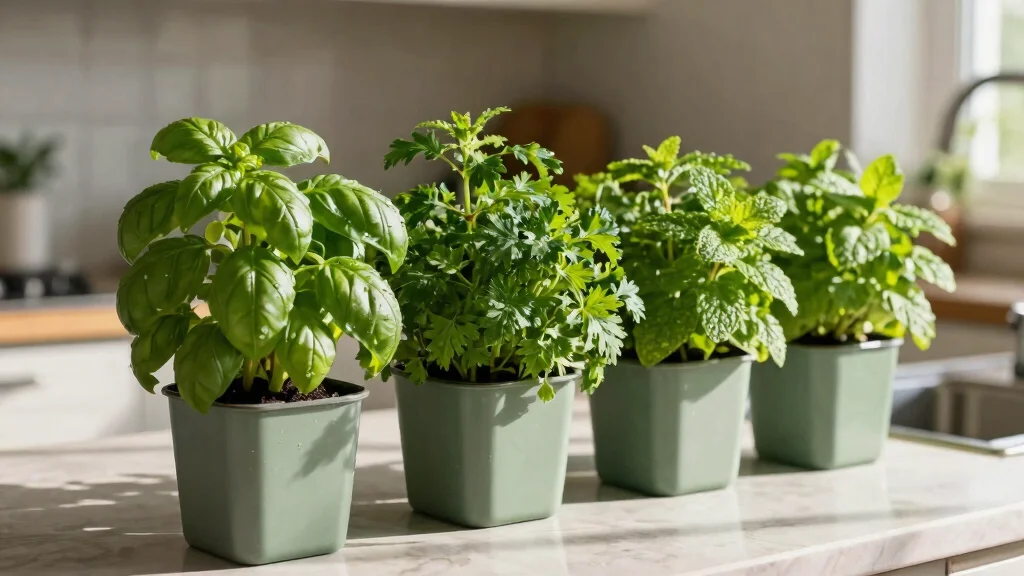
9. The Herb Garden Terrarium
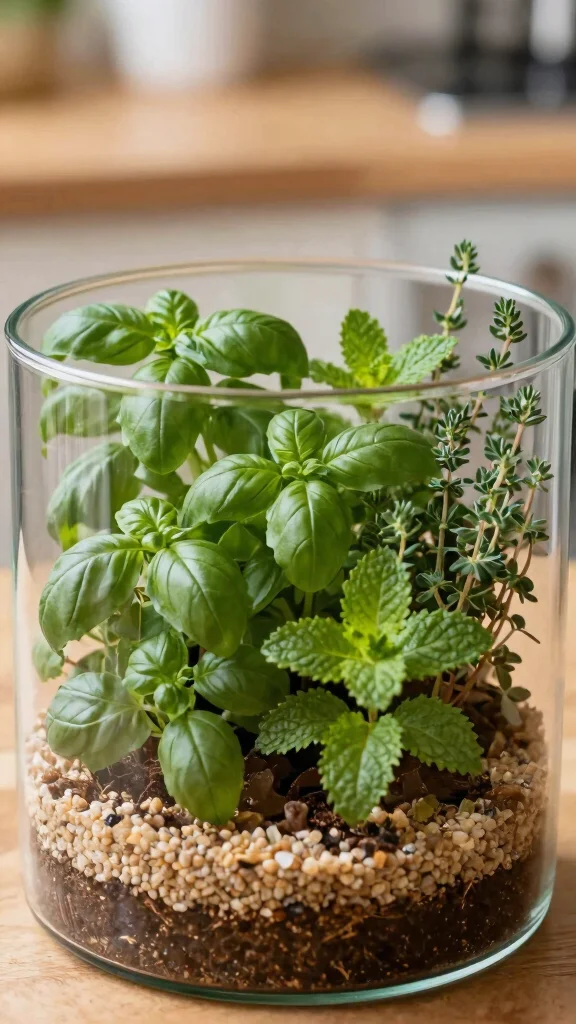
Bring freshness to your kitchen with an herb garden terrarium that’s both practical and beautiful. This setup allows you to have fresh herbs at your fingertips while adding greenery to your space. With easy-to-care-for plants, it’s a delightful addition to your home.
Select a clear glass container that promotes airflow, and layer the bottom with gravel, charcoal, and potting soil. Choose low-maintenance herbs like basil and mint that thrive in indirect light. Arrange them for easy access when cooking. Open the container occasionally to allow fresh air to circulate while misting lightly every few weeks for hydration.
Key steps to create your herb garden:
– Choose a clear container for visibility.
– Layer gravel and charcoal for drainage.
– Select easy-to-care-for herbs for cooking.
– Open occasionally for airflow and mist regularly.
This terrarium will fill your kitchen with delightful aromas and fresh flavors!
The Herb Garden Terrarium
Editor’s Choice
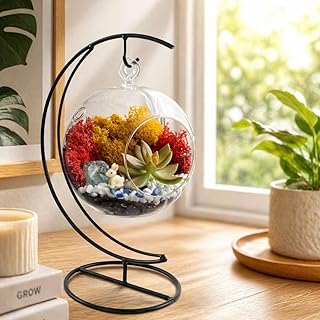
Creations by Nathalie DIY 5″ DIY Globe Terrarium Kit – Build Your Own Gl…

Burpee, 9 Quarts | Premium Organic Potting Natural Soil Mix Food Ideal f…

YISZM 2LB Succulent and Cactus Gravel Pebbles, 1/5 Inch Natural Decorati…
10. The Vintage Book Terrarium
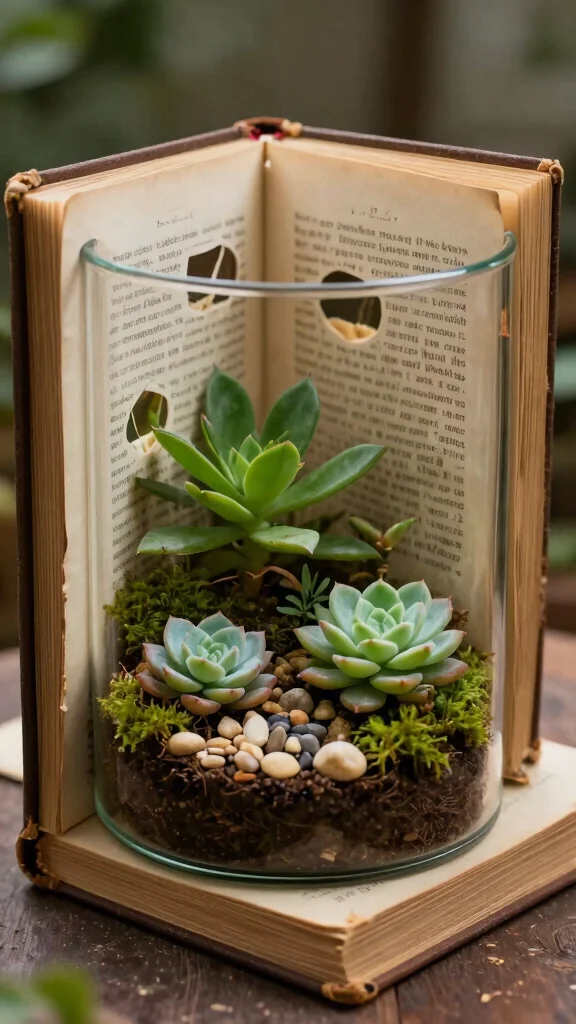
For a creative twist on traditional terrariums, a vintage book terrarium combines literature with nature. This unique setup not only serves as a decorative piece but also sparks conversation, making it an artistic addition to your space.
Start with an old, hollow book as your base. Cut out a section of the pages to create space for small plants. Use pebbles, charcoal, and potting soil to build a mini-ecosystem within the book. Choose tiny low-maintenance plants like moss or small succulents that fit beautifully. Mist the plants lightly every couple of weeks for care.
Steps to create your vintage book terrarium:
– Use a hollow book for a creative base.
– Layer pebbles, charcoal, and soil for drainage.
– Add small plants for a whimsical touch.
– Mist regularly to keep plants healthy.
This imaginative terrarium will add a whimsical vibe to your reading nook or study area.
The Vintage Book Terrarium
Editor’s Choice
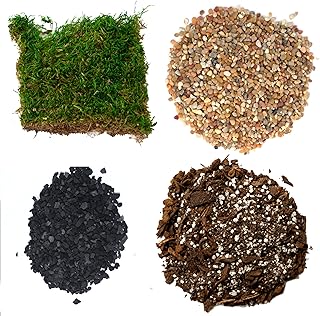
Succulent Planter Kit – Terrarium Kit with Succulent Soil, Gravel, Pebbl…

Steel Mill & Co Original Small Book-Shaped Decorative Planter, Ceramic P…

HappyHapi 12 Pcs Artificial Succulents Mini Fake Plants Unpotted Faux Su…
Conclusion
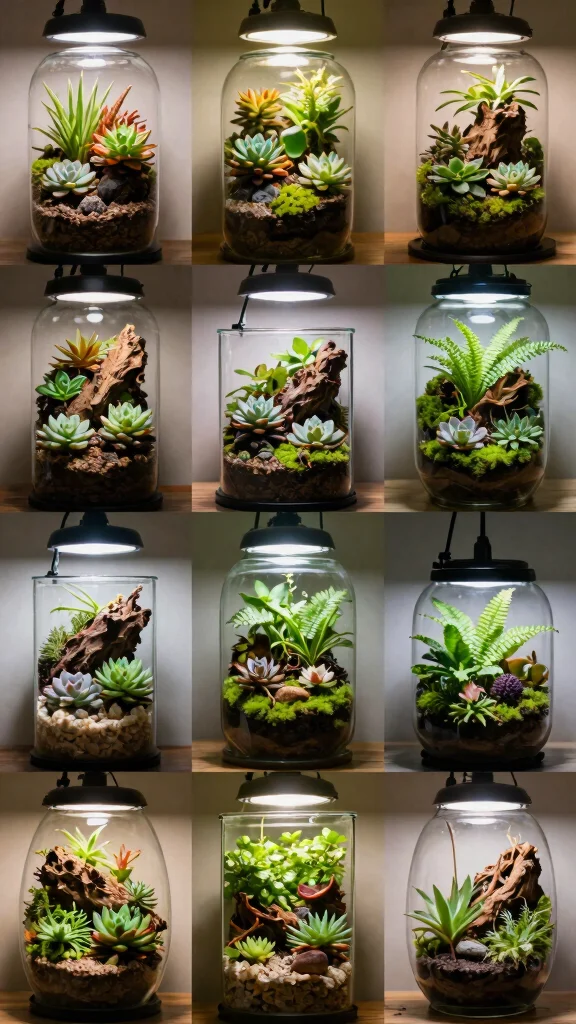
Creating self-sustaining terrariums is not only a fun project but also a way to bring the beauty of nature into your indoor spaces.
From colorful succulent arrangements to enchanting moss forests, each terrarium idea can transform your home while requiring almost no maintenance! Embrace the joy of nurturing these closed ecosystems and let your creativity shine as you design your unique green oasis.
Which one will you try first?
Note: We aim to provide accurate product links, but some may occasionally expire or become unavailable. If this happens, please search directly on Amazon for the product or a suitable alternative.
This post contains Amazon affiliate links, meaning we may earn a small commission if you purchase through our links, at no extra cost to you.
Frequently Asked Questions
What exactly is a self sustaining terrarium and why is it great for low-light indoor spaces?
A self sustaining terrarium is a tiny, closed ecosystem that recycles water and nutrients inside a sealed or semi-sealed container. It thrives on low maintenance plants and works best in indirect light, making it perfect for indoor spaces.
To set one up for almost zero upkeep: choose a clear container with a lid or vent, add a drainage layer (gravel or ceramic balls), a thin activated charcoal layer to keep odors and help filtration, and a lightweight potting mix.
Tuck in moisture-loving plants like moss, small ferns, Selaginella, and a few tiny creeping plants.
Mist lightly and seal to form a humid microclimate, then place away from direct sun and let nature do the rest. This setup creates a glass eco-friendly decor piece that thrives with minimal effort.
Which low maintenance plants are best for a low-light self sustaining terrarium?
For a low-light self sustaining terrarium, look for plants that tolerate humidity and indirect light. Great options include moss as a carpet, small ferns (like maidenhair), Selaginella (clubmoss), Peperomia spp., fittonia (nerve plant) for color, and Soleirolia soleirolii (baby tears). Group plants with similar light needs and avoid crowding to ensure good air circulation. With these low maintenance plants, your DIY terrarium stays lush while you relax.
Do I need to seal a terrarium, or is an open design better for a truly self sustaining ecosystem?
Closed or semi-closed terrariums create a closed ecosystem that recycles water and nutrients, requiring almost no upkeep once established. Open designs vent moisture and can be easier to manage but may need more frequent watering and pruning. For most low-light, self sustaining terrariums, a sealed or near-sealed setup helps keep humidity stable and reduces maintenance. If you notice too much condensation or mold, crack the lid slightly to ventilate, or remove it for a day to reset.
What simple care steps keep a low-light self sustaining terrarium thriving with almost zero maintenance?
Place it in bright, indirect light and avoid direct sun that can scorch sensitive foliage. Water sparingly—mist the terrarium only when the soil dries or condensation fades. Use a thin layer of activated charcoal to help filter moisture and odors, and avoid overwatering. Trim dead leaves to prevent mold and keep airflow around the plants. If your setup has a lid, monitor condensation and open the lid occasionally to refresh air. Do not fertilize; most DIY terrariums thrive on the nutrients recycled inside their tiny ecosystem.
Can a DIY, low-light self sustaining terrarium fit in small spaces and serve as eco-friendly decor?
Absolutely. A compact glass globe, jar, or cube makes a stylish eco-friendly decor piece that doubles as living greenery for any room. Steps: choose a container, layer gravel or pebbles for drainage, add activated charcoal, then a light potting mix. Plant low maintenance plants like moss and small ferns, optionally seal for a closed ecosystem, place in indirect light, and watch your tiny ecosystem thrive with minimal care. This DIY terrarium is ideal for apartments, desks, or shelves and brings a touch of nature indoors.
Related Topics
self sustaining terrarium
low maintenance plants
indoor gardening
closed ecosystem
DIY terrariums
eco-friendly decor
beginner friendly
easy care plants
small space gardening
decorative plants
low-light terrariums
sustainable home decor