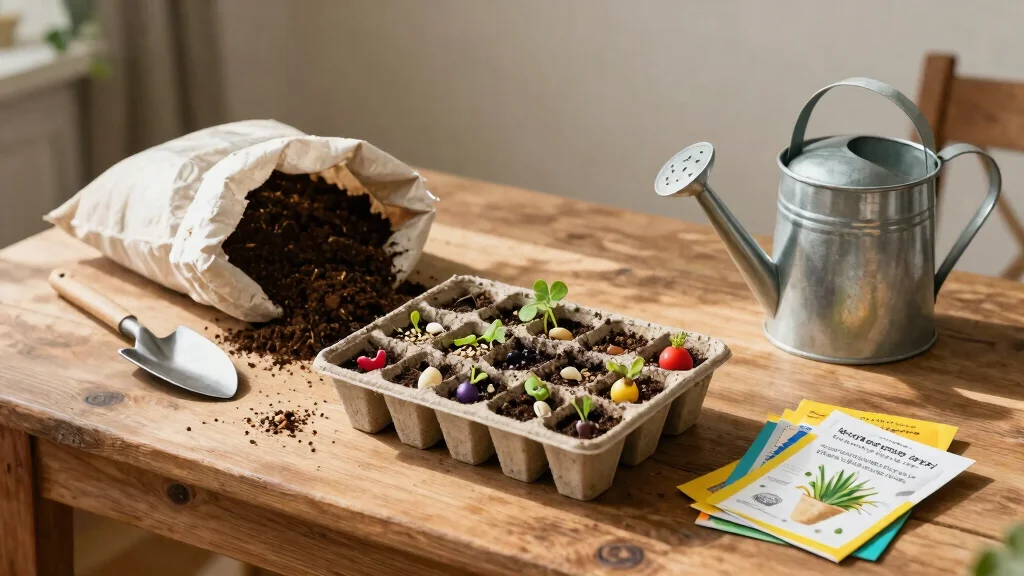
As January rolls around, many of us start dreaming about the lush, vibrant gardens that spring brings. The chill in the air might make it hard to imagine, but this is actually the perfect time to dig in and plan your garden. You might be itching to grow some fresh produce, or simply want to bring a splash of color to your outdoor space. Whatever your motivation, I created this post to help you get a jump start on your spring garden planning by focusing on the seeds to start in January.
If you’re a gardening enthusiast or just someone looking to grow your own food, this post is for you. You might be navigating the unique challenges of cold weather gardening or trying your hand at indoor seed starting. Either way, you’ll find this list of the best seeds for January to be both inspiring and practical. By the time you finish reading, you’ll be armed with the knowledge to cultivate a beautiful and productive spring garden.
Get ready to explore seven amazing seeds that you can start now. Each of these selections will set the stage for a flourishing garden that not only provides delicious food but also brings joy to your space. Whether you’re aiming for early spring vegetables or simply want to enjoy homegrown herbs, this guide will help you transform your winter blues into vibrant greens.
Key Takeaways
– January is the ideal time to start seeds indoors for a bountiful spring garden, ensuring your plants are ready when the weather warms.
– Broccoli and spinach are nutrient-rich options that thrive in cooler temperatures and can be harvested early in the season.
– Lettuce varieties can be sown now for fresh salads, giving you crunchy greens right when you need them most.
– Peppers and tomatoes may need a bit more warmth, but starting them early indoors can lead to a fruitful harvest.
– Don’t forget about herbs! They are easy to grow indoors and will make your dishes fresher and more flavorful.
1. Broccoli: The Superfood Seed
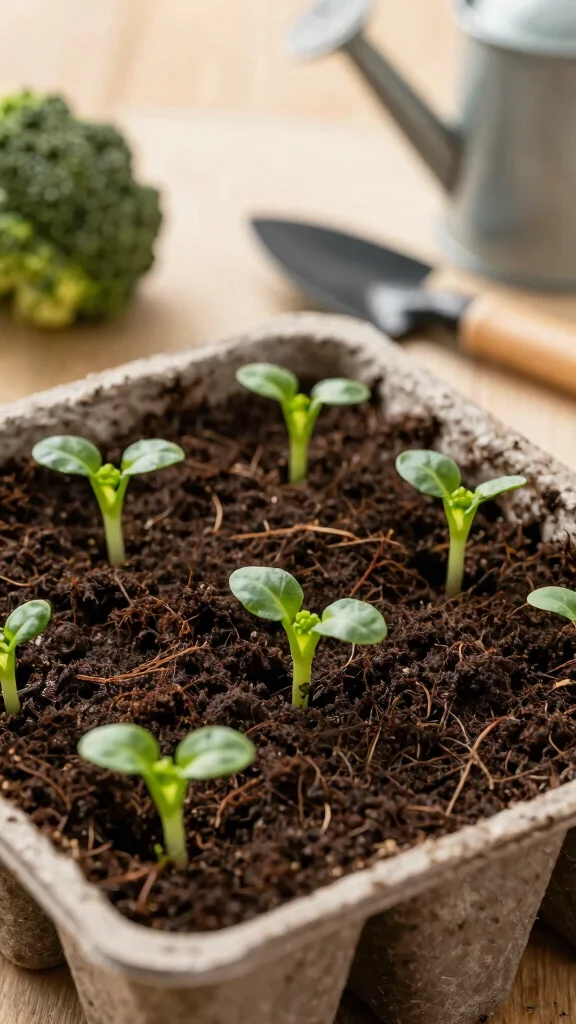
Are you looking to boost your diet with something nutritious and delicious? Broccoli is a superfood that not only tastes great but also packs a nutritional punch. Starting your broccoli seeds indoors in January sets you up for a healthy harvest just in time for spring, and these green gems thrive in cooler weather, making them ideal for winter gardening.
To get started, use a seed tray filled with a nutrient-rich mix. Sow the seeds about 1/4 inch deep, keeping the soil moist but not soggy. Germination typically occurs within 7-14 days, so make sure your seedlings get plenty of light from a south-facing window or a grow light.
Tips for Success:
– Thin out seedlings to give them space to grow, leaving about 12-18 inches between plants.
– Watch for pests like cabbage worms, which can be a nuisance.
– Adding a bit of compost can really enhance their growth.
In just a few weeks, you’ll have strong seedlings ready to transplant outdoors when the soil temperature hits around 60°F. Broccoli is incredibly versatile, so whether you steam, roast, or toss it into salads, it’s a must-have in your January planting plans!
Broccoli: The Superfood Seed
Editor’s Choice
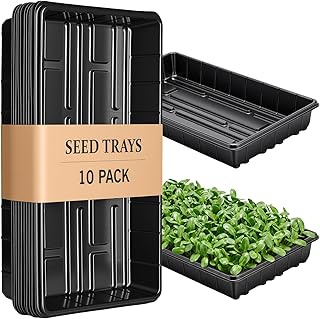
10 Plant Growing Trays,Plant Tray, Seed Tray, Seedling Tray, Propagation…


Espoma Organic Seed Starter Premium Potting Soil Mix – All Natural & Org…

Watering Can Indoor, Small Watering Cans for House Plants, Succulents an…
2. Lettuce: For Crunchy Fresh Salads
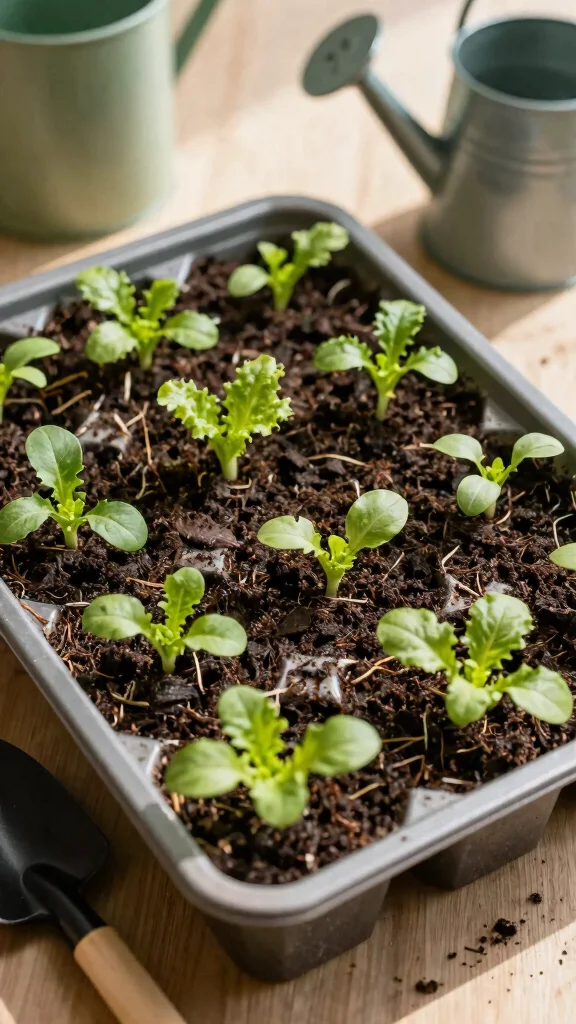
Craving a fresh, crunchy salad? You can easily grow your own lettuce right at home! This vegetable is simple to cultivate and can be started indoors in January, making it a fantastic choice for your early spring garden. With various types, from crisp romaine to silky leaf lettuce, you’re sure to enjoy a delightful mix of flavors.
To begin, sprinkle seeds over moist seed-starting mix, pressing them down gently. Lettuce thrives in cooler temperatures and should germinate quickly within 7-14 days. Keep the soil consistently moist to encourage healthy growth.
Growing Tips:
– Consider using grow lights to ensure consistent growth, as lettuce needs about 14-16 hours of light daily.
– Thin seedlings to around 6 inches apart to prevent overcrowding.
– Mix different varieties for a colorful salad mix!
Once your seedlings reach about 2-3 inches tall, they can be transplanted outdoors after the frost risk has passed. Fresh lettuce from your garden will elevate any meal with its crunch and flavor!
Lettuce: For Crunchy Fresh Salads
Editor’s Choice

Burpee SuperSeed Seed Starting Tray | 36 Cell Reusable Seed Starter Tray…

20,000+ Lettuce Seeds, Heirloom Vegetable Seed for Planting Indoor Outdo…
3. Spinach: Leafy Greens for Health
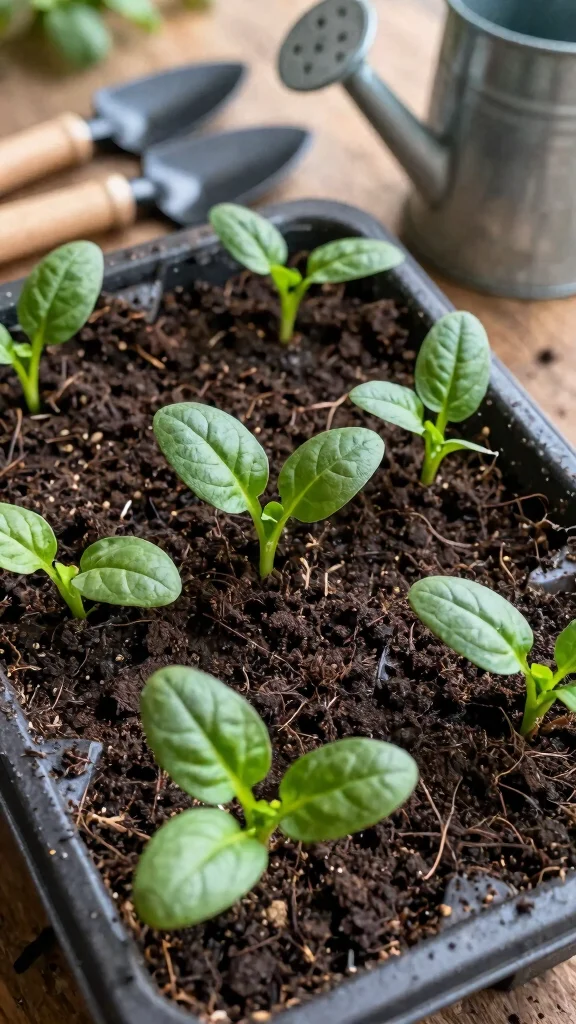
Do you want to add some healthy greens to your diet? Spinach is the perfect choice! Starting spinach seeds indoors in January means you’ll have fresh, nutritious leaves ready to enjoy well before summer’s heat arrives. This leafy green flourishes in cool weather, making it a great addition to your spring garden.
Plant your spinach seeds about half an inch deep in trays filled with quality seed-starting mix, and expect them to germinate within 7-14 days. Tip: Soaking the seeds in water for a few hours before planting can enhance germination success.
Growing Tips:
– Keep the soil consistently moist, avoiding sogginess.
– Thin seedlings to allow room for growth once they reach 2-3 inches tall.
– Regularly harvest leaves to promote bushier growth; feel free to pick larger leaves while letting the smaller ones thrive!
With its rich flavor and health benefits, spinach is a top choice for January planting. You’ll love the fresh produce in just a few weeks!
Using seeds to start in january makes spinach indoors a quick win—harvest fresh greens before summer heat. Soak seeds overnight to speed germination, then keep trays cool and evenly moist for 7–14 days.
How To Choose Seeds to Start in January
When you plan your spring garden in January, it’s crucial to select the right seeds. Choosing the best seeds can set you up for a bountiful harvest. Here are some key factors to keep in mind as you pick your seeds for the upcoming growing season.
1. Climate Adaptability
Not all seeds thrive in every environment. Check the hardiness zone of your area. Make sure the seeds you choose can survive the cold and still produce when spring arrives. Look for seeds labeled as cold-tolerant. This ensures your plants can handle a bit of chill without faltering.
2. Growth Rate
Consider how fast each plant grows. Some seeds sprout quickly, while others take their time. For instance, lettuce and spinach germinate in about seven to ten days. Meanwhile, peppers may take longer. If you want an early spring harvest, opt for quick-growing varieties. This way, you can enjoy fresh veggies sooner.
3. Space Requirements
Evaluate how much space you have in your garden. Some plants need more room to spread out. For example, tomatoes require larger areas to grow tall and produce fruit. Others, like carrots, can thrive in tighter spaces. Be mindful of the mature size of each plant and plan accordingly to avoid overcrowding.
4. Companion Planting Potential
Certain plants grow better together. Research companion planting strategies to maximize your garden’s productivity. For example, growing basil near tomatoes can enhance flavor and repel pests. Choose seeds that complement each other. This approach can lead to healthier plants and a more productive garden.
5. Seed Quality
Always check the quality of the seeds you buy. Look for reputable brands with good reviews. High-quality seeds have better germination rates and are more likely to produce healthy plants. Check the seed packet for the year of packaging. Fresh seeds tend to perform better than older ones.
6. Nutritional Value
Think about what you want to eat. If you aim for a nutritious garden, consider seeds that offer health benefits. Broccoli and spinach are excellent choices as they are packed with vitamins. This way, you’ll enjoy a garden that not only looks good but also contributes to your health.
Pro Tip:
Start seeds indoors if you have limited outdoor gardening space. Use seed trays with a good seed-starting mix. This allows you to get a jump on the growing season and provides a head start for your plants before transferring them outside when the weather warms up.
By focusing on climate adaptability, growth rate, space requirements, companion planting, seed quality, and nutritional value, you can confidently select the best seeds to start in January. With careful planning, your spring garden can flourish, providing beauty and productivity throughout the season. Happy gardening!
Spinach: Leafy Greens for Health
Editor’s Choice

Burpee Organic Coconut Coir Concentrated Seed Starting Mix, 16 Quart

Watering Can for Indoor and Outdoor Plants – Long Spout Water Can for Ga…
Burpee SuperSeed Seed Starting Tray | 36 Cell Reusable Seed Starter Tray…
4. Peppers: Spice Up Your Garden
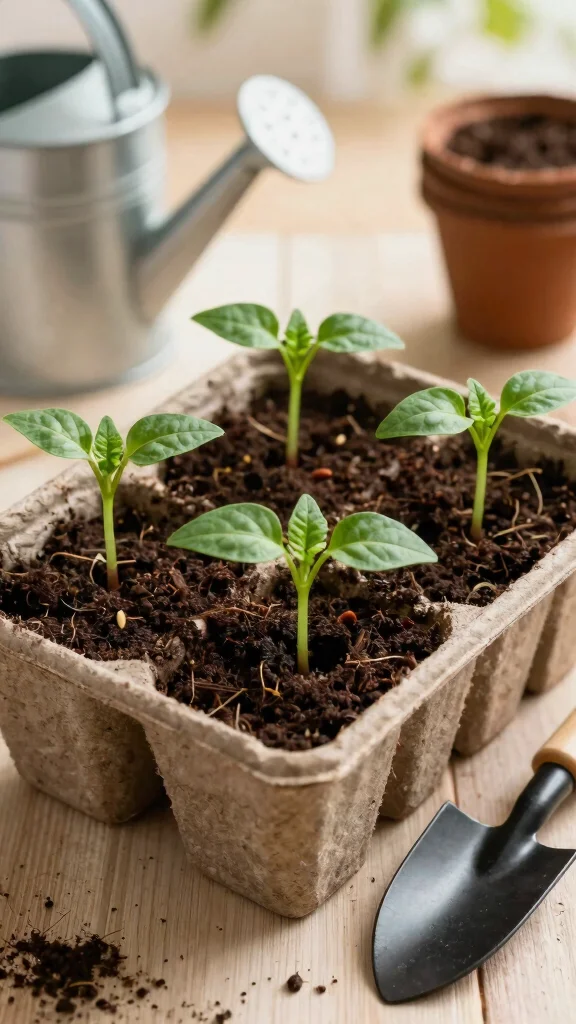
Are you ready to add some spice to your meals? Starting pepper seeds in January is the perfect way to do just that! Whether you prefer sweet bell peppers or zesty jalapeños, these plants are ideal for early spring gardening. They take a bit longer to mature, so getting them started indoors gives you a head start.
Sow your pepper seeds about ¼ inch deep in seed trays filled with seed-starting mix. They thrive in warmth, so place them in a warm spot or use a heat mat to encourage germination, which typically happens in 7-14 days.
Growing Tips:
– Ensure your plants get plenty of light—about 14-16 hours daily—using grow lights if necessary.
– Transplant seedlings into larger pots when they reach about 3-4 inches tall to promote healthy root development.
– Keep the soil moist but not overly wet.
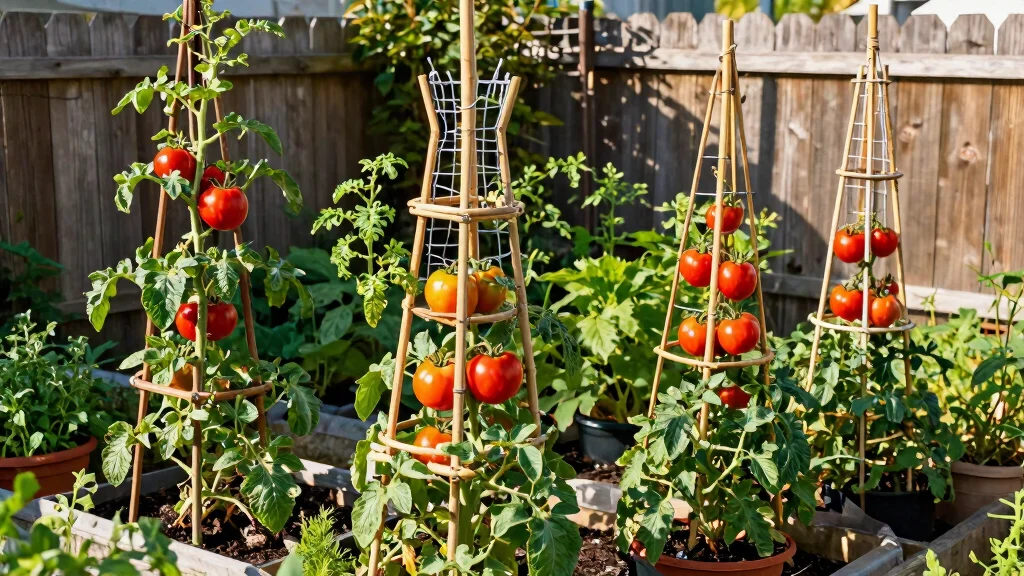
Once it’s safe from frost, move your peppers outside for a bountiful harvest. Just imagine having fresh peppers ready for stuffing, roasting, or adding a kick to your favorite dishes!
❝ Fun fact: Pepper seeds germinate best at 75–85°F, with sprouts appearing in 7–14 days. Seeds to start in January give you transplant-ready peppers by spring harvest. ❞
You might also like

Peppers: Spice Up Your Garden
Editor’s Choice
Espoma Organic Seed Starter Premium Potting Soil Mix – All Natural & Org…

Gardzen 5-Set Seed Starter Tray Kits, Durable Plant Germination Trays wi…

VIVOSUN Durable Waterproof Seedling Heat Mat 10″ x 20.75″ UL & MET-Certi…
5. Herbs: Fresh Flavors at Your Fingertips
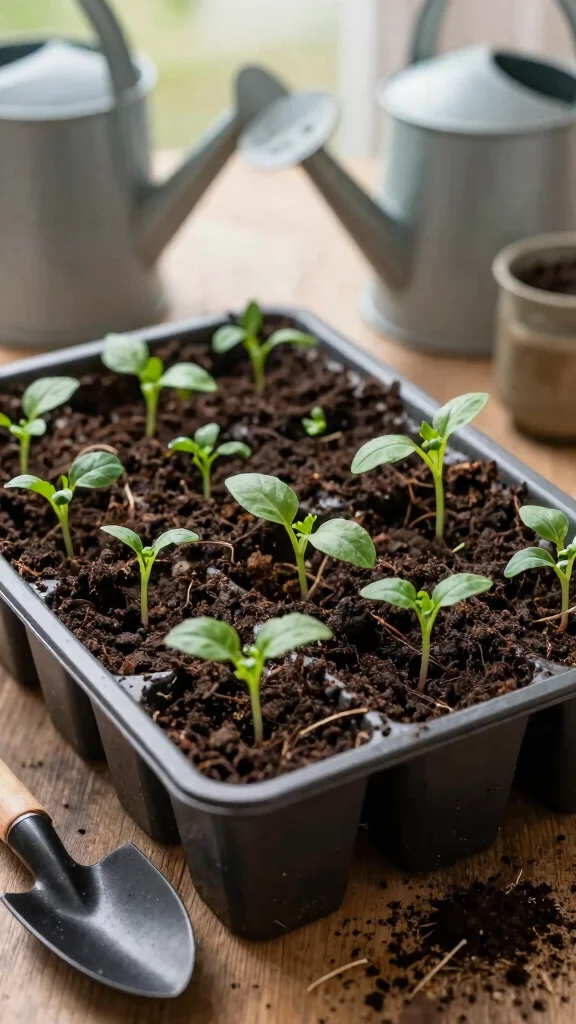
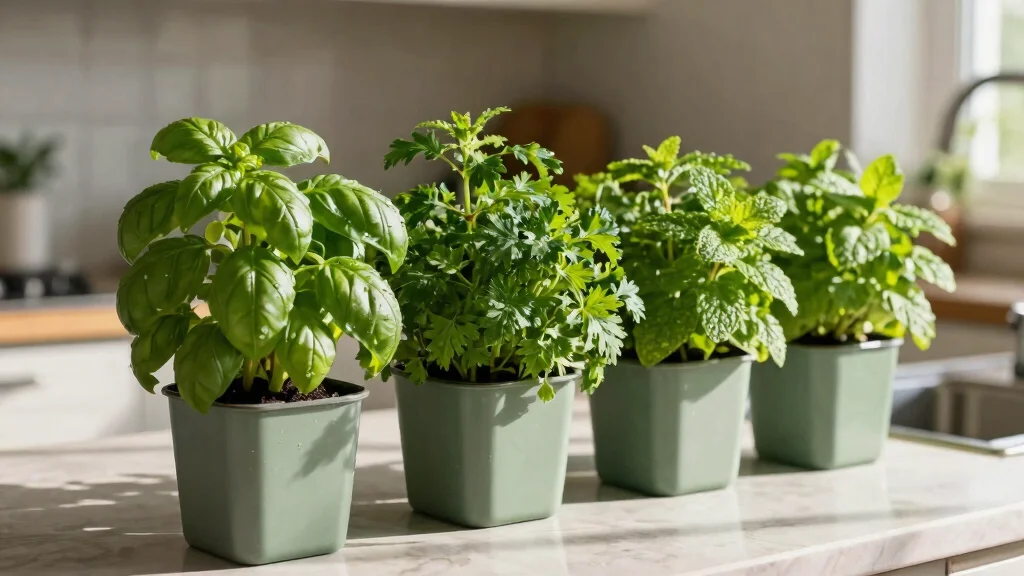
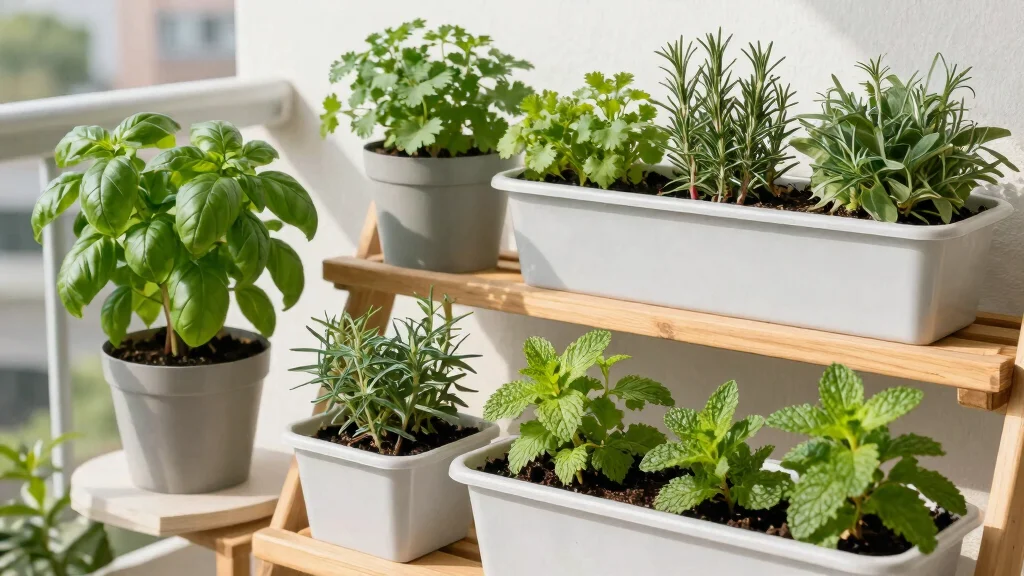
Are you dreaming of fresh herbs to elevate your cooking? Starting your herb garden indoors in January is a smart choice! Popular varieties like basil, cilantro, and parsley thrive when grown early and are perfect for pots or seed trays. These herbs bring vibrant flavors and scents to your kitchen.
Sow herb seeds about ¼ inch deep, keeping the soil moist, and place the trays in a sunny spot or under grow lights. Most herbs germinate within 7-14 days, filling your space with delightful aromas as they sprout.
Growing Tips:
– Pinch off the tops of seedlings to encourage bushier growth.
– Keep herbs well-watered but avoid sogginess to prevent root rot.
– Mix and match different herbs for a fragrant and colorful garden!
Starting your herb garden now not only enhances your culinary adventures but also brightens your space while winter lingers. Just imagine snipping fresh herbs straight from your kitchen garden for your favorite recipes!
Herbs: Fresh Flavors at Your Fingertips
Editor’s Choice

GROWIT Plant Moisture Meter – Accurately Tells You When to Water Your Pl…

LBW Desk Grow Light, Full Spectrum Plant Light for Indoor Plants, Grow L…

Ahopegarden Indoor Garden Hydroponics Growing System: 10 Pods Plant Germ…
6. Tomatoes: Garden Favorite
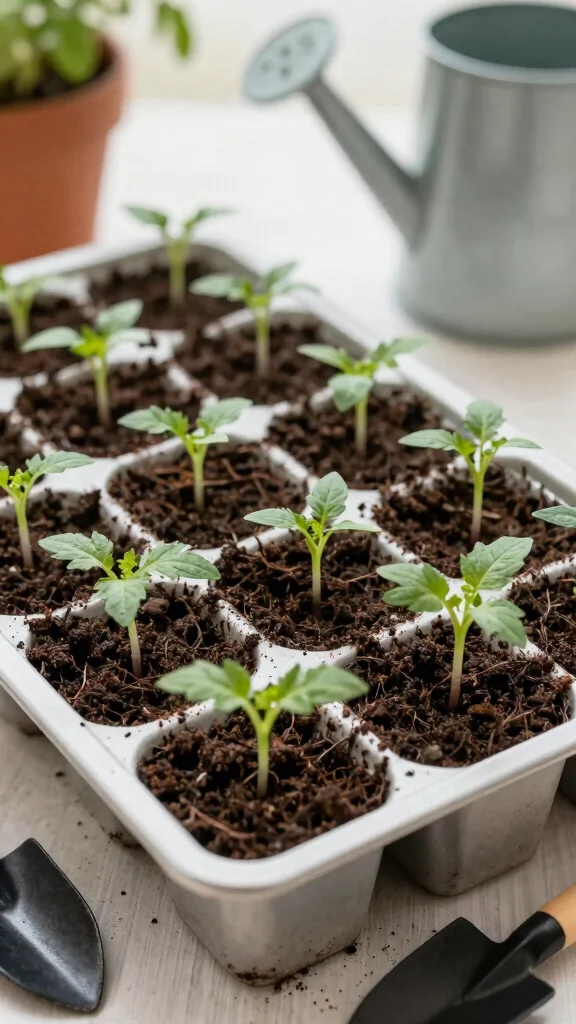
Do you crave juicy, homegrown tomatoes? Starting tomato seeds indoors in January is your ticket to a bountiful crop come spring. These beloved fruits need a bit of time to mature, making early seed starting essential for those luscious harvests.
Plant your tomato seeds about ¼ inch deep in seed trays filled with seed-starting mix. Keep the soil moist and place the trays in a bright, warm area; tomatoes prefer around 14 hours of light daily. They usually germinate within 5-10 days, showcasing their eagerness to grow.
Growing Tips:
– Thin out seedlings to improve airflow between plants.
– Once seedlings develop their second set of leaves, consider transplanting them into larger pots for more space.
– Regular feeding with a balanced fertilizer will promote vigorous growth.
Whether you love cherry tomatoes or big beefsteaks, starting seeds in January ensures your garden will be bursting with flavor!
📹 Related Video: ★ How to: Grow Tomatoes from Seed (A Complete Step by Step Guide)
You Might Also Like
Tomatoes: Garden Favorite
Editor’s Choice
Back to The Roots Organic Seed Starting, Compressed Block expands to 12 …
Burpee SuperSeed Seed Starting Tray | 36 Cell Reusable Seed Starter Tray…

GooingTop LED Grow Light,6000K Full Spectrum Clip Plant Growing Lamp wit…
7. Carrots: Crunchy and Sweet
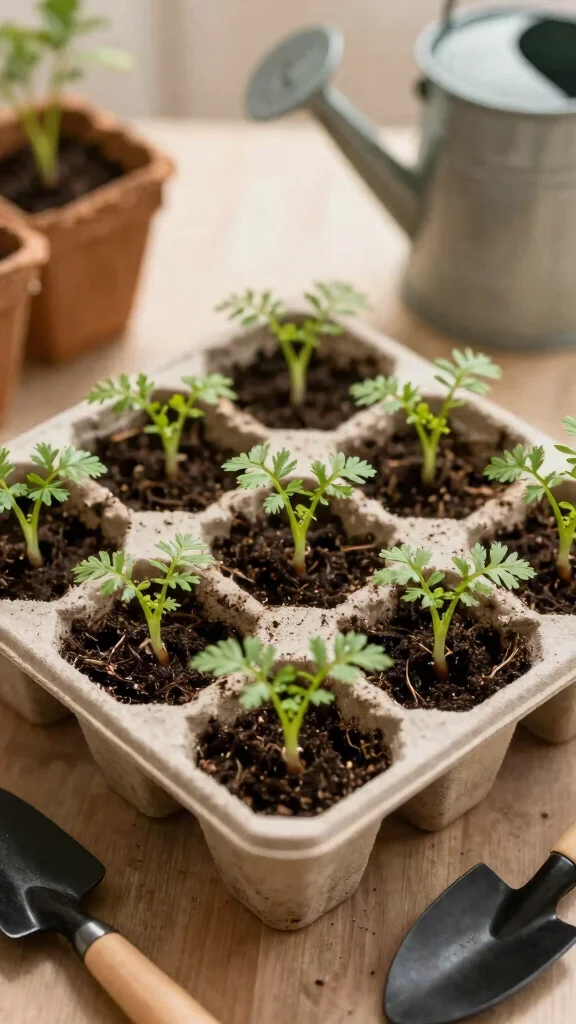
Are you looking forward to crunchy, sweet carrots? Starting carrot seeds indoors in January gives you an early start on these delightful root vegetables. They thrive in cooler weather, making them perfect for an early spring garden.
Although carrots are typically sown directly into garden beds, starting them indoors can work well if done carefully. Use deep seed trays filled with loose, well-draining soil, and plant the seeds about ¼ inch deep. Keep the soil consistently moist but not overly saturated.
Growing Tips:
– Thin seedlings gently after germination to ensure proper spacing.
– Carrots need about 3-4 inches between plants, so adjust as necessary.
– Once seedlings have a few sets of true leaves, transplant them outside into a well-prepared garden bed for a fruitful harvest.
Growing carrots at home is incredibly rewarding, and you can enjoy them fresh in salads or as a healthy snack straight from your garden!
Fun fact: carrot seeds can germinate in 7–14 days under cool, steady moisture. Starting indoors in January gives you an extra 6–8 weeks of growth before spring, helping you harvest crunchy sweetness earlier.
Carrots: Crunchy and Sweet
Editor’s Choice
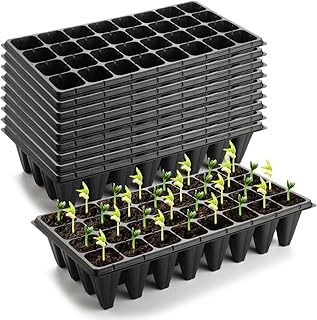
RooTrimmer 10 Pack 32 Cell Seed Starter Trays – Extra Deep 4.33″ Plastic…
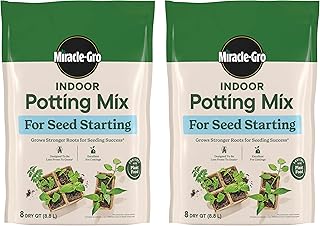
Miracle-Gro Indoor Potting Mix for Seed Starting, For Starting Vegetable…
Watering Can Indoor, Small Watering Cans for House Plants, Succulents an…
Conclusion
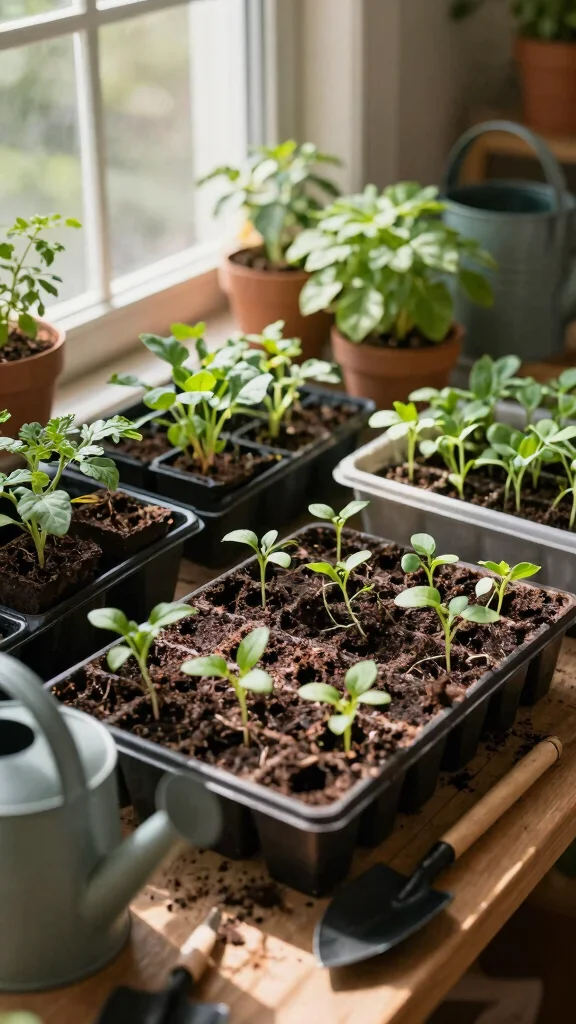
Starting seeds in January is an exciting step towards a beautiful spring garden. With a little patience and care, you can transform your indoor space into a thriving garden hub, setting the stage for a bountiful crop come spring.
From leafy greens to vibrant peppers, each seed offers its own unique rewards, not just for your garden but also for your kitchen! Embrace the joy of cold weather gardening and let the anticipation of your garden dreams unfold. Happy planting!
Note: We aim to provide accurate product links, but some may occasionally expire or become unavailable. If this happens, please search directly on Amazon for the product or a suitable alternative.
This post contains Amazon affiliate links, meaning we may earn a small commission if you purchase through our links, at no extra cost to you.
Frequently Asked Questions
What are the best seeds to start in January for a beautiful and productive spring garden?
If you’re planning to get a jump on spring, these seeds to start in January are perfect for cold weather gardening and a head start on your spring garden planning.
Best picks to start in January include lettuce, spinach, kale, Swiss chard, cilantro, parsley, radish, and peas (snow or snap).
How to get them going: start indoors 4–6 weeks before your last frost using a indoor seed starting mix in shallow trays. Keep the soil moist and warm for germination, then move the seedlings to brighter light as soon as they pop. Transplant outdoors after the danger of frost passes to build a beautiful and productive spring garden.
How can I start seeds indoors in January for cold weather gardening and a head start on my spring garden?
Starting seeds indoors in January is a smart move for winter vegetable gardening and early results. Here’s how to do it effectively:
Gather supplies: clear trays, drainage, indoor seed starting mix, a humidity dome, and grow lights. Sow seeds about 1/4 inch deep and keep at 65–75°F for warm-weather lovers like lettuce, spinach, and kale.
Once sprouts appear, remove the dome, provide 14–16 hours of light daily, and water from the bottom to avoid damping off. When outdoor temperatures permit, harden off the transplants over 7–10 days before transplanting, aligning with your spring garden planning timeline.
Which early spring vegetables can I sow in January, and how do I care for them in a cold climate?
Many early spring vegetables can get a jump start in January with a little protection. In milder areas, direct-sow or transplant these: lettuce, spinach, arugula, kale, and Swiss chard. For outdoors in colder zones, use row covers or a small cold frame to protect young plants.
Care tips: keep soil consistently moist with indoor seed starting techniques or cloches outside, feed with a light starter fertilizer or compost tea after true leaves appear, and harvest promptly to encourage ongoing production. This approach supports early spring vegetables that set a strong foundation for your garden.
What’s the best way to plan a January seed starting schedule for a thriving spring garden?
Plan smart with a January seed starting schedule that feeds your entire season. Start by noting your last frost date and working backward to set sowing windows for each crop. Create a simple calendar that marks seeds to start in January, transplant dates, and succession plantings every 2–3 weeks for steady harvests. Include space for spring garden planning ideas like crop rotation and companion planting, so your winter-to-spring transition is smooth and productive.
How can I choose seeds to start in January that fit a small space and still yield a productive harvest?
For small spaces, pick compact or bush varieties and maximize vertical space. Choose best seeds for January that are suited to container growing, such as compact lettuce mixes, bush beans, and dwarf peas. Use containers with good drainage, stackable or vertical trellises, and place them where you get strong light—windowsills or a small indoor setup can work beautifully. Plan for quick, frequent harvests with indoor seed starting and cold weather gardening tactics to squeeze out every inch of yield.
Related Topics
seeds to start in January
best seeds for January
spring garden planning
cold weather gardening
indoor seed starting
early spring vegetables
beginner gardening
winter gardening tips
vegetable gardening
seasonal planting
easy gardening techniques
home gardening