
Gardening has a way of bringing us back to our roots—both literally and figuratively. Whether you’re a seasoned green thumb or a curious beginner, watching a seed sprout and flourish into a full-grown plant is one of life’s simple joys. That’s why I created this post: to guide you through the exciting seed to plant journey, especially in urban spaces where every square inch counts.
If you’re someone who loves the idea of growing your own herbs, vegetables, or flowers but thinks your small space holds you back, this post is just for you. You’ll find practical insights and tips that will inspire you to transform your container garden into a thriving oasis. From selecting the right seeds to mastering gardening techniques, these ideas will help you nurture your green haven right from the start.
Get ready to unlock the secrets of seed germination, explore innovative planting techniques, and learn garden care tips that will set you up for success. By the time you finish reading, you’ll be equipped with knowledge to watch your garden grow and enjoy the fruits (and veggies) of your labor!
Key Takeaways
– Choosing the Right Seeds: Understand how to select seeds that fit your space and climate for optimal growth.
– Mastering Seed Germination Techniques: Learn effective methods to encourage seeds to sprout, setting a solid foundation for your plants.
– Innovative Planting Techniques: Explore creative approaches to planting that maximize your container space and enhance your garden’s yield.
– Nurturing Your Seedlings: Discover essential garden care tips that support healthy seedling growth, keeping them strong and vibrant.
– Embracing Seasonal Changes: Gain insights into adapting your gardening practices through the seasons to ensure a thriving garden all year round.
1. Choosing the Right Seeds for Your Space

Starting your urban garden is an exciting journey, and picking the right seeds sets the stage for success. Think about your available space, the amount of sunlight it receives, and what you enjoy eating or using in your kitchen. For example, compact varieties of tomatoes and aromatic basil are ideal for smaller pots, letting you grow fresh ingredients even in limited areas.
Begin by exploring different seed options tailored for container gardening. Mixing in herbs, salad greens, and colorful flowers not only enhances aesthetics but also promotes biodiversity. Always opt for seeds from trusted suppliers to boost your chances of healthy growth.
Key steps to successfully choosing your seeds:
– Research seed packets for container suitability
– Create a vibrant mix of plants for diversity
– Select high-quality seeds for better germination
By focusing on these essential factors, you’ll cultivate a garden that perfectly suits your space and lifestyle!
Did you know a few compact tomato varieties can yield enough for sauces in a 12-inch pot? With just 2-3 herbs and a salad mix, your seed to plant journey fits a balcony.
Choosing the Right Seeds for Your Space
Editor’s Choice

Seed Needs Herb Seeds Variety Pack Culinary Herb Collection (12 Individu…


Renmxj Plant Propagation Stations with Wooden Stand & 3 Glass Bulb Vases…
Spacemaster Cucumber Seeds for Planting | Compact Heirloom Non-GMO Varie…
2. Mastering Seed Germination Techniques
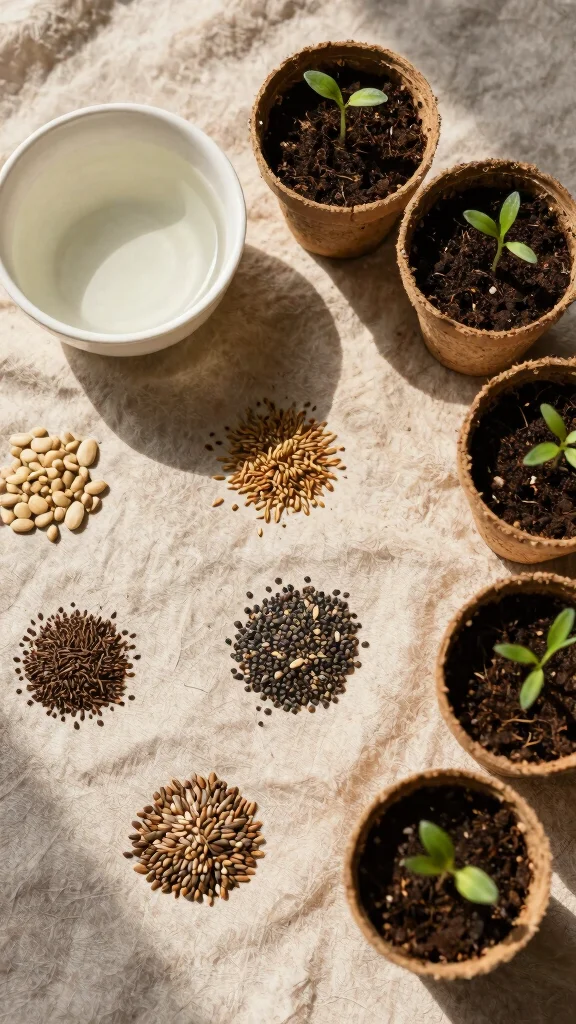
Germinating seeds is the foundation of your gardening adventure, and understanding how to do it right can make all the difference. Each type of seed has its own needs, so pay close attention to the specific instructions for the ones you choose. Employ methods like soaking seeds, using damp paper towels, or planting them at the correct depth for optimal results.
Start by soaking larger seeds for improved germination speed. Keep your soil warm, ideally between 65°F and 75°F, to encourage growth. Maintaining consistent moisture in the soil is vital, but be careful not to overwater.
Effective techniques to enhance germination:
– Pre-soak larger seeds for quicker sprouting
– Maintain warm soil temperatures for best results
– Keep soil consistently moist without overwatering
Implementing these techniques will significantly boost your chances of watching your seeds turn into thriving seedlings!
Mastering Seed Germination Techniques
Editor’s Choice

VIVOSUN Durable Waterproof Seedling Heat Mat 10″ x 20.75″ UL & MET-Certi…

Qoolife Seed Starter Tray with Plant Light, 2 Pack Grow Lights for Seed …
XLUX Long Probe Deep Use Soil Moisture Meter Sensor, Water Monitor Indic…
3. Exploring Innovative Planting Techniques

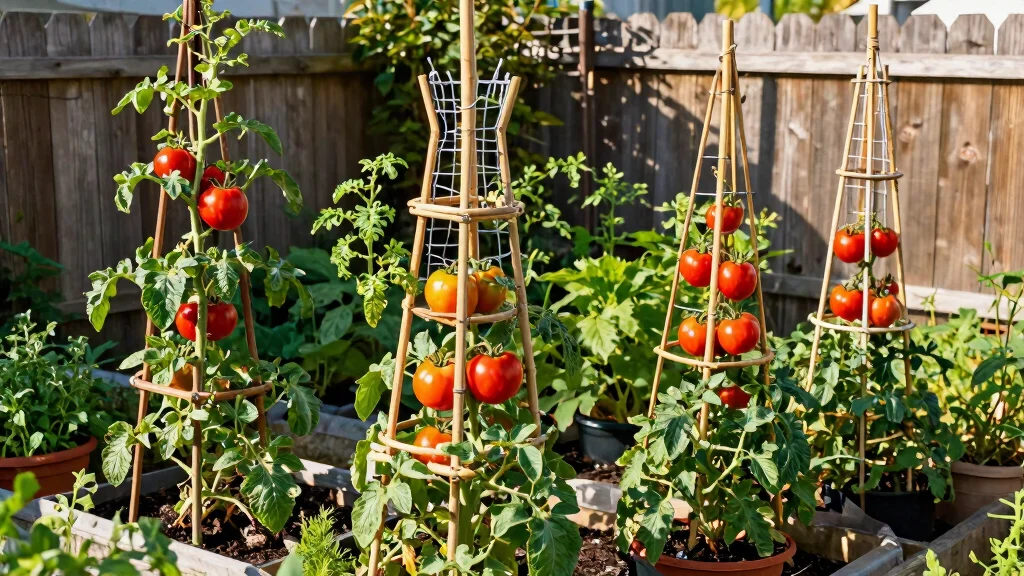
Urban gardening thrives on creative approaches that make the most of limited space and boost yields. Techniques such as vertical gardening, square foot gardening, and companion planting can transform your gardening experience. Vertical gardening allows you to utilize vertical space, making it ideal for small areas.
Consider using wall-mounted planters or stacked pots to grow a variety of plants. Square foot gardening can help you organize your container, allowing for diverse plantings without overcrowding. Companion planting encourages beneficial relationships between plants, promoting a healthier garden.
Innovative planting techniques to try:
– Create vertical gardens with wall-mounted planters
– Use square foot gardening for organized planting
– Practice companion planting for mutual benefits
These methods will not only beautify your garden but also enhance its productivity!
How To Choose The Right Seeds for Your Space
When starting your urban container garden, choosing the right seeds is crucial. With limited space, you want to maximize your garden’s potential. Here’s how to select seeds that fit your needs perfectly.
1. Assess Your Space
Before selecting seeds, evaluate your available space. Consider the size of your containers and the sunlight exposure. Some plants thrive in small pots, while others need larger spaces. A good rule of thumb is to aim for compact plants if your space is limited.
2. Consider Your Climate
Different plants grow better in varying climates. Research the climate zone of your area to pick seeds that thrive in your environment. Check the seed packets for details on growing conditions. This will save you time and effort, ensuring your plants flourish.
3. Choose Easy-to-Grow Varieties
If you’re starting out, opt for seeds that are beginner-friendly. Plants like radishes, lettuce, and herbs are great for new gardeners. They germinate quickly and require minimal care. This boosts your confidence and gives you a rewarding gardening experience.
4. Think About Your Culinary Needs
Choose seeds based on what you eat. If you love fresh basil for pasta, consider growing that herb. Having your ingredients right at your fingertips adds excitement to cooking. Make a list of your favorite veggies and herbs, and see which ones are suitable for container growing.
5. Check Seed Quality
Always choose high-quality seeds. Look for well-regarded brands that offer fresh, viable seeds. Check the expiration date on the packet to ensure your seeds will germinate. Investing in quality seeds can lead to a more successful gardening experience.
6. Explore Heirloom and Organic Options
Consider planting heirloom or organic seeds. Heirloom seeds offer unique flavors and colors, plus they’re often more resilient. Organic seeds are grown without synthetic pesticides or fertilizers, making them better for your health and the environment.
Pro Tip:
Join a local gardening group or visit a community garden. This way, you can exchange seeds and learn from others’ experiences. You’ll gain valuable insights on which seeds perform best in your area and connect with fellow gardening enthusiasts.
Exploring Innovative Planting Techniques
Editor’s Choice

Companion Planting: The Beginner’s Guide to Companion Gardening (The Org…

Seeding Square – Patented Seed and Seedling Spacer Tool for Bigger Harve…

ShopLaLa Wall Planter – 2 Pack, Wooden Hanging Large Planters for Indoor…
4. Nurturing and Caring for Your Seedlings

After your seeds have germinated, the next step is to lovingly care for those delicate seedlings. Proper attention at this stage is crucial since young plants are more susceptible to environmental changes. From watering techniques to nutrient supply, each detail plays a significant role in their development.
Water your seedlings gently to avoid displacing the soil; a spray bottle is a great tool for this. Ensure they receive plenty of sunlight, and if natural light is scarce, consider using grow lights. Begin fertilizing with a diluted, balanced mix a few weeks after germination to support growth.
Essential care tips for your seedlings:
– Water gently to avoid soil disturbance
– Ensure ample sunlight or use grow lights
– Start fertilizing two weeks post-germination
By paying close attention to your seedlings, you’ll lay the groundwork for a flourishing urban garden!
You might also like

Nurturing and Caring for Your Seedlings
Editor’s Choice

bseah Grow Light Plant Lights for Indoor Plants, Full Spectrum Plant Gro…

Chemical Guys ACC_130 Professional Chemical Guys Chemical Resistant Heav…

Fox Farm Big Bloom Liquid Plant Food – Organic Bloom Fertilizer for Flow…
5. Understanding Indoor vs. Outdoor Gardening

Deciding whether to grow your plants indoors or outdoors is a key aspect of your gardening plan. Each option comes with its own set of benefits and challenges. Indoor plants provide year-round growth opportunities, while outdoor gardening allows you to harness the power of natural sunlight and fresh air.
Indoor plants might require additional lighting to thrive, while outdoor plants benefit from abundant sunlight. You may need to get creative with space indoors, whereas outdoor gardens may face pest challenges that companion planting can help mitigate.
Key differences between indoor and outdoor gardening:
– Indoor plants may need supplemental lighting
– Outdoor plants thrive under natural sunlight
– Manage pests more easily with companion planting outdoors
By carefully considering your light conditions and available space, you can select the best environment for your plants!
Indoor or outdoor, the right space makes your seed to plant journey possible. Start with a sunny windowsill for herbs, then add a balcony container garden to chase year-round growth while giving outdoor plants the sun they crave.
Understanding Indoor vs. Outdoor Gardening
Editor’s Choice

GooingTop LED Grow Light,6000K Full Spectrum Clip Plant Growing Lamp wit…

Yaheetech 43.5″ L×16″ W×14″ H Wooden Raised Garden Bed, Horticul…

Watering Can for Indoor and Outdoor Plants – Long Spout Water Can for Ga…
6. The Joy of Harvesting Your First Crop

Harvesting your first crop is an immensely fulfilling experience that brings the fruits of your labor to life. Witnessing your efforts yield fresh fruits, colorful vegetables, or fragrant herbs is one of the greatest joys of urban gardening. Timing your harvest correctly is essential for maximizing flavor and tenderness.
Familiarize yourself with the specific signs that indicate when to harvest your plants. Using sharp scissors or pruning shears ensures clean cuts, promoting continued growth. Celebrate your harvest by creating simple dishes that highlight your fresh ingredients.
Harvesting tips to keep in mind:
– Research your plant varieties for peak harvest times
– Use sharp tools for clean and healthy cuts
– Enjoy your fresh produce with delicious recipes
Every successful harvest will boost your confidence and motivate you to keep growing!
📹 Related Video: First Harvest of the season From My Balcony Garden
The Joy of Harvesting Your First Crop
Editor’s Choice

COOLJOB 6 Pairs Gardening Gloves for Women Ladies, Breathable Rubber Coa…

Fiskars Bypass Pruning Shears, 5/8″ Cut Capacity Gardening Scissors, Sel…

Wicker Picnic Storage Basket with Adjustable Handle, PP Woven Empty Picn…
7. Keeping Your Garden Healthy and Thriving

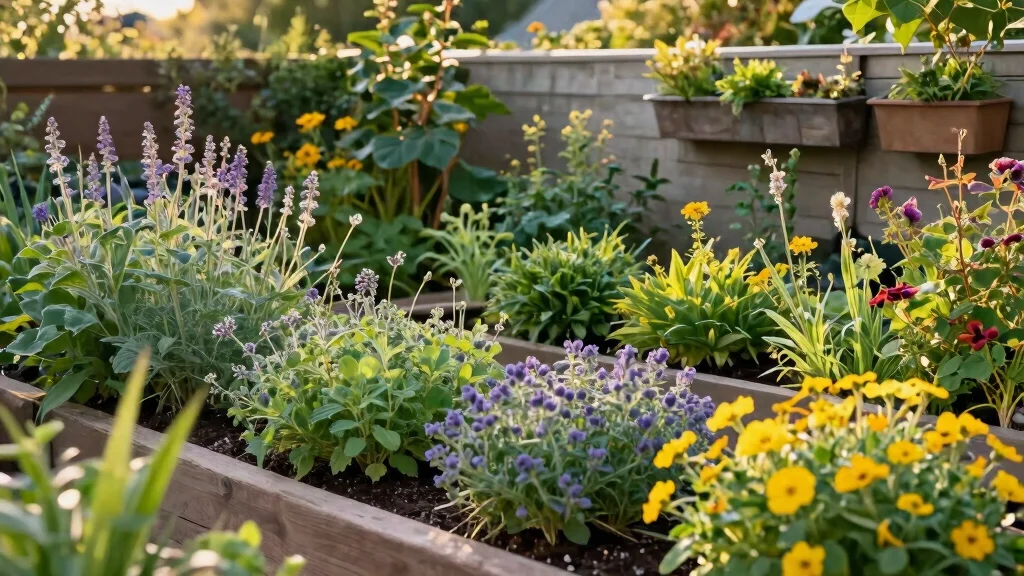
Maintaining a healthy garden requires ongoing effort and attention. Regular care routines are essential to prevent pests, diseases, and nutrient deficiencies. Staying alert to your plants’ needs and responding proactively can make a big difference in your garden’s health.
Monitor moisture levels to keep your plants hydrated without overwatering. Regularly check for pests and use organic methods for control. Refresh your soil with organic compost to ensure your plants receive essential nutrients.
Garden care tips to follow:
– Regularly check moisture levels for proper hydration
– Inspect plants for pests and use organic control methods
– Enrich soil with organic compost for nutrients
Investing time in maintenance will lead to beautiful results in your garden!
Fun fact: In small urban containers, maintaining consistent moisture reduces pests by up to 40% and boosts growth from seed to plant. A 5-minute daily check and organic compost can keep your herbs thriving all season.
You Might Also Like
Keeping Your Garden Healthy and Thriving
Editor’s Choice
XLUX Long Probe Deep Use Soil Moisture Meter Sensor, Water Monitor Indic…

R&M Organics Premium Organic Compost 10 lb Bag for Vegetables, Flowers, …

Murphy’s Naturals Mosquito & Tick Bug Repellent Spray, Oil of Lemon Euca…
8. Embracing Seasonal Changes in Your Garden

As the seasons transition, so should your gardening practices. Embracing these seasonal shifts can greatly enhance your gardening experience. Each season brings unique opportunities for planting new varieties and adjusting your care routines.
In spring, focus on cool-season crops like lettuce and radishes for a successful start. During the summer, prioritize watering and provide shade for sensitive plants. In the fall, enjoy the harvest of your summer efforts and consider planting cover crops to enrich your soil.
Seasonal tips to consider:
– Plant cool-season crops in spring
– Ensure adequate watering and shading in summer
– Harvest in fall and consider cover crops
Understanding these seasonal cycles will help you maximize your garden’s potential year-round!
Embracing Seasonal Changes in Your Garden
Editor’s Choice

4-in-1 Soil Moisture Meter Digital PH Meter/Soil Moisture/Plant Temperat…
55% Shade Cloth for Garden, Sunblock Mesh UV Resistant Net for Vegetable…

Grenebo Gardening Tools 9-Piece Heavy Duty Garden Hand Tools with Fashio…
Conclusion: Your Urban Garden Awaits!

Embarking on the seed to plant journey in your urban container garden is a fulfilling and enriching experience. Each step, from selecting seeds to nurturing your plants, offers unique learning opportunities. Embrace the creativity and joy that gardening brings, and let your space flourish!
There’s always something new to learn and discover, so don’t hesitate to dive deeper into the world of urban gardening. Happy planting!
Note: We aim to provide accurate product links, but some may occasionally expire or become unavailable. If this happens, please search directly on Amazon for the product or a suitable alternative.
This post contains Amazon affiliate links, meaning we may earn a small commission if you purchase through our links, at no extra cost to you.
Frequently Asked Questions
What is the seed to plant journey for urban container gardening in small spaces?
Think of it as the seed to plant journey you can do in a tiny balcony: start with a compact variety, use a well-draining potting mix, and pick containers with drainage. Focus on steady conditions to support seed germination and then watch seedling growth as you thin and transplant into larger pots. Finish with regular garden care tips— light, water, and nutrition— so you can enjoy successful outdoor gardening in small spaces. This simple path helps you move from seed to plant every season.
How can I maximize seed germination in a tiny balcony garden?
Maximizing seed germination in a tiny balcony garden starts with choosing quick-germinating varieties and starting seeds in a warm, clean setup. Use a light, fluffy seed-starting mix and shallow sowing depth, then maintain humidity with a clear lid or plastic wrap until you see sprouts. Keep the soil consistently damp but not soggy, and provide warmth around seed germination (around 70–75°F). Once seedlings appear, remove the lid and gradually transition to brighter light to support healthy seedling growth. Label everything and be patient—the best results come from steady care and good planting techniques.
What are the best planting techniques for starting seeds in containers on a balcony or patio?
On a balcony or patio, the right planting techniques turn tiny seeds into thriving plants. Start with containers that have drainage holes and fill with a light potting mix designed for seed starting. Sow at the correct depth, usually shallow, and space seeds or seedlings to reduce crowding. Water gently and keep the soil consistently damp, not soggy. Use a humidity cover if needed to boost seed germination, then remove it once sprouts appear and move plants to bright light to support healthy seedling growth. When true leaves show, transplant carefully to larger pots to maintain continued outdoor gardening success.
How should I care for seedlings as they grow from tiny sprouts to sturdy plants in limited space?
Care in that transition matters. Provide bright, steady light to support seedling growth and rotate pots so every side gets sun. Water deeply when the top inch dries, using a watering can with a gentle nozzle to avoid thin stems, and feed with a diluted fertilizer once true leaves appear as part of garden care tips. If you’re moving plants outdoors, harden them off gradually and give wind protection and sun adjustments to prevent shock. In small spaces, thinning crowded seedlings keeps air moving and reduces disease risk, helping your outdoor gardening stay productive.
What common mistakes should I avoid when turning seeds into harvest-ready plants in urban containers?
Common mistakes to avoid include overcrowding, which stunts seedling growth in tight spaces, and using containers without drainage, which causes root rot. Skimping on light or water leads to leggy, weak plants, and skipping the hardening-off process can shock seedlings once they face outdoor conditions. Not labeling varieties or keeping a simple garden care routine means you forget what you planted and when to transplant. Finally, ignoring pests and diseases in a container setup lets issues spread quickly in urban outdoor gardening.
Related Topics
urban gardening
container gardening
seed to plant
seed germination
planting techniques
garden care tips
easy gardening
small space gardening
seedling growth
outdoor gardening
beginner friendly
seasonal planting