
Gardening season always sparks excitement and anticipation, especially when it comes to planting new seeds. But let’s be real—keeping those precious seeds fresh and organized can feel overwhelming. That’s why I created this post. I want to help you discover effective ways to store your seeds so they are ready to grow when you are.
If you’re a gardening enthusiast or just someone who loves to dabble with plants, this guide is tailored for you. You probably want to ensure that your seeds are preserved correctly, organized neatly, and easily accessible when it’s time to plant. No more rummaging through boxes or losing track of what you have!
In this post, I’ve gathered 10 creative seed storage ideas that are not only practical but also eco-friendly. These options are simple, cost-effective, and will keep your seed collection safe and sound. From glass jars to vintage boxes, you’ll find methods that suit your style and needs. Let’s dive in and make your planting preparations so much easier!
Key Takeaways
– Maximize freshness with airtight containers to protect seeds from moisture and pests.
– Organize your collection by using labeled seed envelopes for easy identification and access.
– Explore eco-friendly options like biodegradable containers that are good for the environment.
– Consider vintage storage to add a charming touch to your gardening area while keeping seeds safe.
– Utilize humidity-controlled spaces to ensure seeds remain viable for longer periods, enhancing your planting success.
1. Glass Jar Storage

Glass jars provide a chic and eco-friendly way to keep your seeds safe and organized. These transparent containers not only showcase your seeds, but they also protect them from moisture and pests. Choose jars in different sizes for everything from delicate herbs to robust vegetable seeds, and don’t hesitate to repurpose old jars with personalized labels for a unique touch.
To maximize their effectiveness, store jars in a cool, dark place to maintain seed viability. Consider using jars with airtight seals to further prolong freshness. Add a creative twist by decorating jars with twine or vibrant washi tape to make them stand out.
Key benefits of using glass jars:
– Provide airtight protection from humidity.
– Allow for easy visibility of contents.
– Offer a stylish display for your garden area.
These jars not only serve as functional storage but also add an attractive element to your gardening decor.
Glass Jar Storage
Editor’s Choice

26 Slots Seed Storage Organizer Box with Insulated Bag That Holds 80-200…


VITEVER 100pcs Plant Labels, T-Type Plastic Tags with Marker Pen, Waterp…
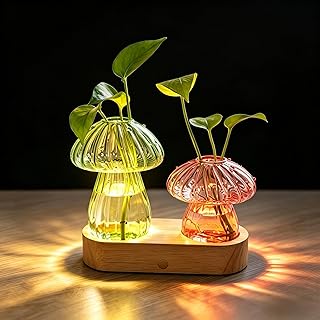
Plant Propagation Station with Light,Mushroom Glass Vases with Stepless …
2. Seed Envelopes

Seed envelopes are a classic, budget-friendly way to keep your seeds neatly organized. These small packets can be crafted from recycled paper or leftover seed packets, making them both practical and environmentally friendly. Label each envelope with the seed type and planting date to streamline your gardening process, and store them in a larger container or decorative box for easy access.
For better organization, consider color-coding your envelopes according to seed type or planting season. This will help you quickly find what you need when it’s time to plant. Add your personal touch by decorating envelopes with stamps or stickers that highlight your gardening style.
Highlights of using seed envelopes:
– Lightweight and easily stackable for tight spaces.
– Simple to label and categorize for quick access.
– Fun to personalize and decorate for added flair.
This method is perfect for DIY enthusiasts who love to add their own flair to gardening tasks.
📹 Related Video: DIY Seed Packets That Double as Gorgeous Gift Labels
Seed Envelopes
Editor’s Choice

100 Pack Small Coin Envelopes Self-Adhesive Kraft Paper Seed Envelopes M…
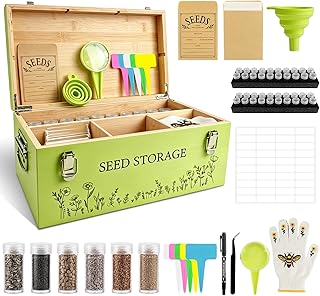
Fayoo Wooden Seed Storage Organizer Box with 40 Seed Vials & 20 Envelope…
VITEVER 100pcs Plant Labels, T-Type Plastic Tags with Marker Pen, Waterp…
3. Biodegradable Seed Containers
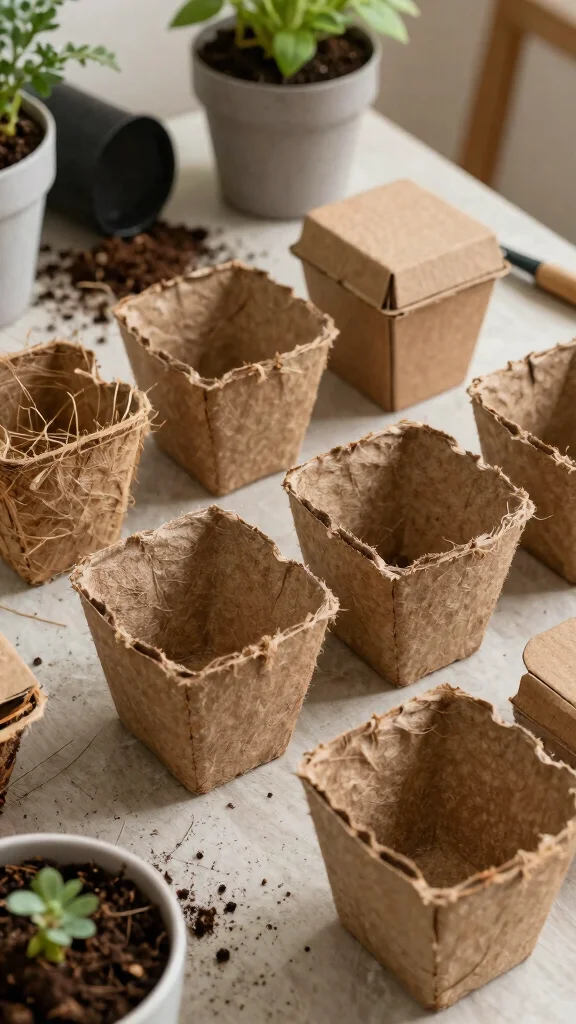
If you’re looking for an eco-friendly option, biodegradable seed containers are an excellent choice. Made from materials like cardboard, coconut coir, or even recycled newspaper, these containers provide a natural way to store your seeds. They break down naturally over time, reducing waste and promoting sustainability.
To keep your seeds fresh, ensure these containers are stored in a dry, cool area to prevent mold. Customize your containers with natural dyes or plantable inks that can grow when planted, adding a creative touch to your gardening efforts.
Advantages of biodegradable containers:
– Environmentally friendly and promote sustainable gardening.
– Help reduce waste and clutter in your gardening space.
– Can be personalized for a unique gardening experience.
This storage solution not only organizes your seeds but also aligns with eco-conscious practices.
Biodegradable Seed Containers
Editor’s Choice

JNYONG 60 Packs 3.15 Inch Peat Pots,Biodegradable Pots for Seedlings wit…

ZeeDix 6 Set Seed Starter Tray Kits, 6 Pack Seed Trays with 90 Pack Coco…
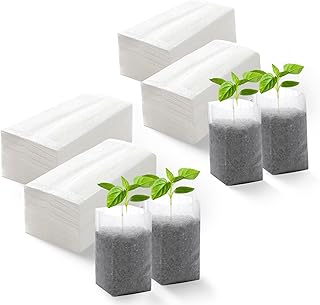
Plant Grow Bags 5.5″x6.3″200pcs Biodegradable Planting Bags Seed Starter…
4. Vintage Seed Boxes

Vintage seed boxes offer a delightful way to store your seeds while adding character to your gardening space. You can often find these at thrift stores or flea markets, giving your collection a charming, unique flair. Many vintage boxes come with compartments, making it easy to sort seeds by type.
To enhance their effectiveness, line the compartments with paper or cloth to keep seeds dry and safe. Personalize your seed box by painting or stenciling designs on the outside, showcasing your gardening passion.
Benefits of vintage seed boxes:
– Aesthetic appeal that enhances your gardening area.
– Provides compartments for organization by seed type.
– Can spark conversations among fellow gardeners.
This method beautifully combines functionality with style, elevating your gardening experience.
Fun fact: Vintage seed boxes often come with 4–6 compartments, making it easy to sort seeds by type. Line each pocket with paper or cloth to keep seeds dry and organized—plus, a paint job personalizes your seed storage.
Key Trade-offs & Our Top Pick
Option Comparison
1. Glass Jar Storage
– Pros:
– Airtight seals keep moisture out, ensuring seed preservation. ✔
– Allows for easy visibility of seed types and quantities. 💡
– Cons:
– Can break easily if dropped. ⚠️
– Heavier and bulkier for transport compared to other options. 🏋️
– Best for: Home gardeners who want a stylish and effective storage solution in their gardening space.
2. Seed Envelopes
– Pros:
– Lightweight and easy to label for organization. 🏷️
– Inexpensive and readily available at craft stores. 💰
– Cons:
– Not moisture-proof, which can lead to seed spoilage. 🌧️
– Requires careful handling to avoid tearing. 🥴
– Best for: Gardeners looking for a simple, budget-friendly way to organize small seed collections.
3. Biodegradable Seed Containers
– Pros:
– Eco-friendly option that decomposes over time. 🌍
– Often made from sustainable materials like recycled paper or plant fibers. 🍃
– Cons:
– May not provide as much protection from moisture as plastic alternatives. 💧
– Can break down faster than expected if exposed to humidity. ⏱️
– Best for: Eco-conscious gardeners who prioritize sustainability in their gardening practices.
4. Magnetic Seed Storage
– Pros:
– Sticks easily to metal surfaces, saving shelf space. 🧲
– Reduces clutter and makes seeds easily accessible. 🎯
– Cons:
– Limited storage space if your seed collection grows large. 📏
– May not provide airtight seals, risking moisture exposure. ☔
– Best for: Gardeners with limited space who need an organized and stylish solution.
5. Humidity-Controlled Seed Storage
– Pros:
– Specially designed to maintain optimal moisture levels for seed longevity. 🌬️
– Excellent for long-term storage of rare or heritage seeds. 🎩
– Cons:
– More expensive than standard storage options. 💵
– Requires monitoring to ensure humidity levels remain stable. 🌡️
– Best for: Serious gardeners who invest in high-quality seeds and want to maximize their preservation.
Expert Recommendation:
Best Overall: Glass Jar Storage
The glass jar storage option stands out as the best overall choice for most gardeners. It offers excellent moisture control, striking a balance between visibility and preservation. Its durability ensures that your seeds remain safe for extended periods, making it a reliable choice for gardeners at all levels. Plus, these jars can be reused for various purposes, maximizing their value.
Why We Picked This:
While glass jars are versatile and practical, some may prefer options like biodegradable containers for their eco-friendliness or magnetic storage for space-saving solutions. Ultimately, the right choice depends on your specific needs, seed collection size, and personal preferences in gardening practices. Whether you’re a casual gardener or a dedicated seed collector, there’s a storage solution that fits your lifestyle.
Vintage Seed Boxes
Editor’s Choice

Nostalgic-Art Retro storage tin box flat, 84.5 oz, Garden Seeds – Gift…

Plant Labels, Outdoor Waterproof Garden Markers, Plastic Nursery Seed Pl…

150pcs Seed Saving Envelopes, 4.7×3.1 Inch Reusable Seed Kraft Storage O…
5. Magnetic Seed Storage

For those with limited space, magnetic seed storage is a clever and efficient solution. Using small magnetic containers that stick to metal surfaces like your potting shed or fridge keeps your seeds organized and within reach.
Label each container clearly and arrange them by planting season to make finding seeds a breeze. Consider using colorful containers to brighten up your gardening area and add a fun visual element.
Key features of magnetic seed storage:
– Space-saving design for small areas.
– Keeps seeds easily accessible at all times.
– Can add colorful decor to your gardening space.
This method not only solves your space issues but turns your seeds into a decorative feature.
You might also like
Magnetic Seed Storage
Editor’s Choice

Bekith 20 Pack Magnetic Spice Jars, Magnetic Spice Containers for Refrig…
VITEVER 100pcs Plant Labels, T-Type Plastic Tags with Marker Pen, Waterp…

12pcs Stainless Steel Spice Jars, Magnetic Condiment Tins Magnetic Spice…
6. Humidity-Controlled Seed Storage
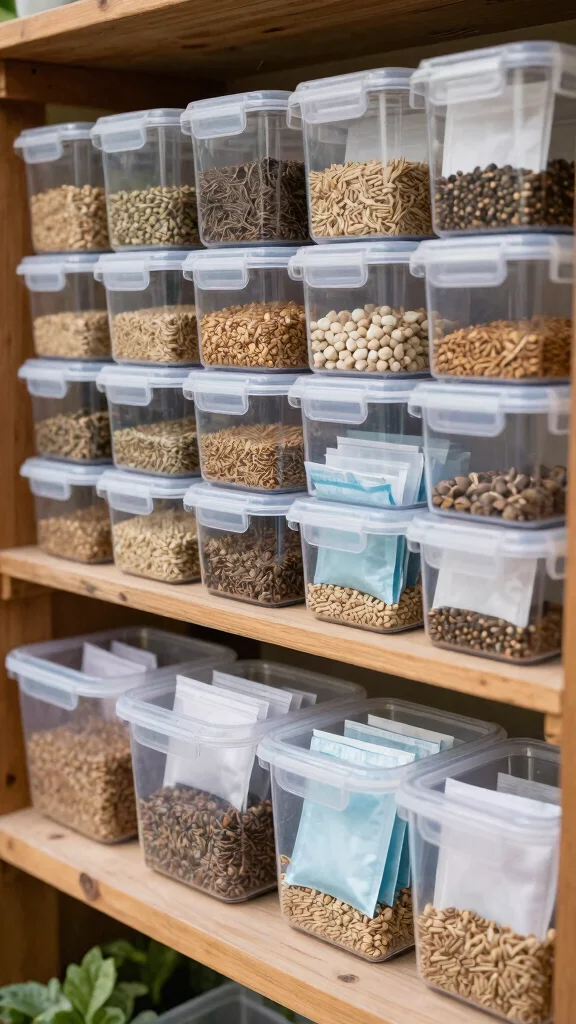
If you live in a humid area, humidity-controlled seed storage is crucial to prevent spoilage. Invest in airtight containers equipped with moisture-absorbing packets or silica gel to maintain the ideal environment for your seeds.
Regularly monitor humidity levels and replace moisture absorbers when necessary to ensure your seeds stay viable. Using clear containers can help you keep track of your seeds while ensuring they remain airtight.
Benefits of humidity-controlled storage:
– Protects seeds from mold and degradation.
– Maintains optimal seed viability for successful planting.
– Allows for easy visibility of contents.
This method is essential for anyone serious about maintaining a healthy garden.
Humidity-Controlled Seed Storage
Editor’s Choice

5 Gram (50 Pack) Color-Indicating Silica Gel Packets, Premium Food Grade…

TempPro TP50 Digital Hygrometer Indoor Thermometer Room Thermometer and …

120 Slots Seed Storage Organizer with 20 Seed Envelopes, Sturdy Seed Org…
7. Recycled Plastic Containers
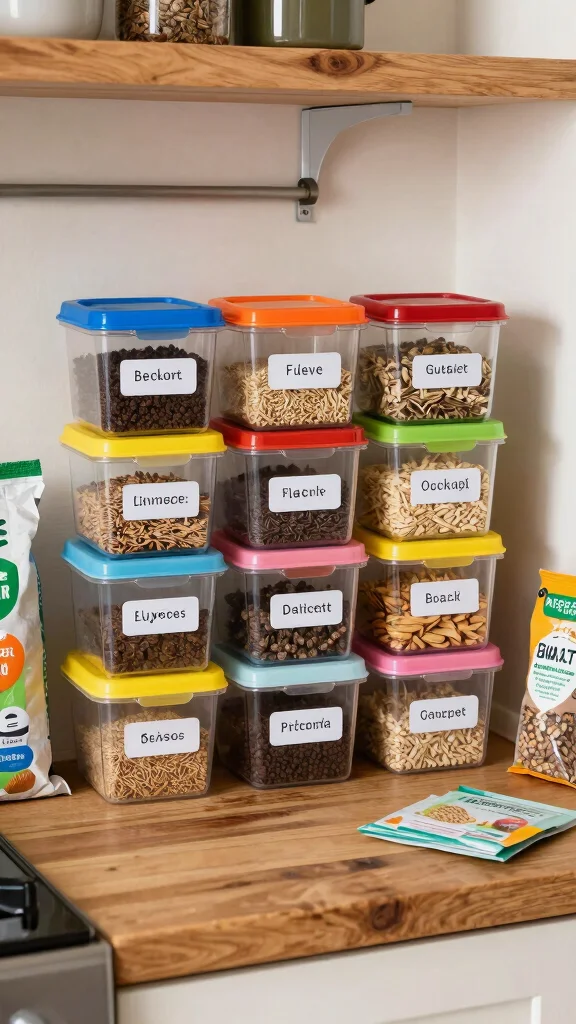
Opting for recycled plastic containers is both practical and eco-conscious for seed storage. These containers can include anything from leftover food storage to jars, helping you save money while being kind to the environment.
Clean them thoroughly before use and label each container clearly to avoid confusion between different seeds. Feel free to upcycle your containers with paint or decoration that matches your gardening theme.
Advantages of using recycled containers:
– Versatile and often free options.
– Helps reduce plastic waste in landfills.
– Can be personalized for a unique touch.
This approach supports sustainability while keeping your seeds organized.
Recycled Plastic Containers
Editor’s Choice
150pcs Seed Saving Envelopes, 4.7×3.1 Inch Reusable Seed Kraft Storage O…

Spray.Bike Spray Paint – Battersea | Designed Mainly for Bicycles | Mult…

tutata Seed Packet Organizer Box Plastic Portable Seed Packet Storage Bo…
8. Seed Collection Binder

A seed collection binder is an efficient and organized way to keep track of your seeds. Use plastic sleeves to store seed packets, creating a catalog that is easy to reference whenever you need it.
Organize your seed collection by type or planting season, and include planting notes for each variety for a more comprehensive approach. Personalize the binder cover with photos from your garden to make it truly your own.
Benefits of a seed collection binder:
– Provides easy access to your seeds.
– Helps you keep a record of planting history.
– Allows for personalization that reflects your style.
This system is especially useful for gardeners with a diverse collection, ensuring everything is readily available.
I’ve wasted hours hunting for the right seed packet—until I started a seed collection binder. Store packets in plastic sleeves, add planting notes, and keep everything organized in one place. Planning becomes fast, eco-friendly, and stress-free for your seed storage routine.
You Might Also Like
Seed Collection Binder
Editor’s Choice

240 Pockets 3.5×5” Seed Packet Sleeves, 30 Pack Double Sided 4 Pocket …

Seed Storage Organizer Binder with 20 PCS Reusable Seed Envelopes – 30 P…
150pcs Seed Saving Envelopes, 4.7×3.1 Inch Reusable Seed Kraft Storage O…
9. Hanging Seed Pockets

For those aiming to save space, hanging seed pockets present a smart and stylish solution. Create or purchase wall-mounted fabric pockets to neatly hold your seed packets and keep them visible.
Maximize your vertical space by positioning the pockets in a well-lit area, yet out of direct sunlight to protect your seeds. You can choose fabric that complements your garden decor or paint the pockets for a pop of color.
Highlights of hanging seed pockets:
– Maximizes vertical space for organization.
– Keeps seeds visible and accessible.
– Adds a decorative touch to your gardening area.
This option wonderfully combines practicality with style, enhancing your gardening space.
Did you know hanging seed pockets can triple your vertical seed storage? By keeping packets in wall-mounted pockets, you can free up up to 60% of cabinet space and keep seeds visible for quick planting.
Hanging Seed Pockets
Editor’s Choice

iPower 2-Pack Hanging Vertical Wall Planter 7 Pockets Upgraded Deeper Wa…

22 Slots Seed Storage Organizer Box with 30 Seed Envelopes & 84 Labels, …
10. Seed Storage Toolbox
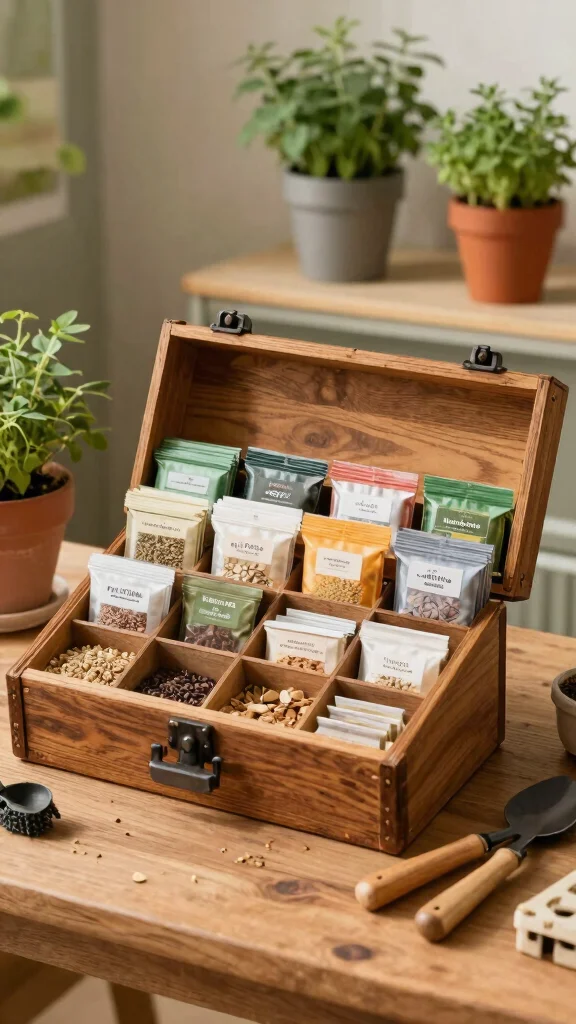
A dedicated seed storage toolbox can streamline your gardening experience by keeping everything in one place. Look for a sturdy toolbox with compartments to organize different seed types efficiently.
To enhance organization, consider adding dividers inside the box for easy sorting. Customize your toolbox with stickers or paint that reflect your gardening personality, making it uniquely yours.
Benefits of a seed storage toolbox:
– Keeps everything portable and organized.
– Simplifies planting preparation for busy gardeners.
– Allows for personal expression through customization.
Having all your seeds in one toolbox makes planting easier and ensures you never misplace your precious seeds.
Seed Storage Toolbox
Editor’s Choice

64PCS Gardening Stickers – Cute Funny Garden Theme Waterproof Vinyl De…

60 Slots Seed Storage Organizer with 20 Seed Envelopes, Sturdy Seed Orga…

JarThenaAMCS Spring Wildflower Seeds Storage Organizer Metal Seed Saving…
Conclusion

Keeping your seeds fresh and organized is key to a fruitful gardening experience.
With these eco-friendly seed storage solutions, you can ensure that your seeds are ready to go when planting season arrives.
From glass jars to vintage boxes, there’s a perfect method for everyone. Embrace these ideas and create a personalized seed storage system that reflects your gardening style!
Note: We aim to provide accurate product links, but some may occasionally expire or become unavailable. If this happens, please search directly on Amazon for the product or a suitable alternative.
This post contains Amazon affiliate links, meaning we may earn a small commission if you purchase through our links, at no extra cost to you.
Frequently Asked Questions
Question: What are the best eco-friendly methods for seed storage to keep seeds fresh longer?
To keep your seeds fresh longer, focus on low moisture, cool temperatures, and darkness.
Use airtight options like glass jars or small metal tins and add a food-grade desiccant (such as silica gel) to maintain dryness—this is a core part of seed preservation.
Label every container with the species, collection year, and any germination notes so you can track how well each batch performs.
Avoid plastic bags in warm or sunny spots; instead, store your seed storage setup in a climate-controlled cabinet or basement shelf for an eco-friendly approach.
Question: How can I organize my seed collection effectively without creating more plastic waste?
Start a simple system: group seeds by plant family or harvest season and store them in recycled paper envelopes or folders.
Keep a small seed log (digital or paper) with the name, year, and germination expectations, then color-code by category for quick scanning—this is a great seed organization tip.
Choose a compact cabinet or binder to house your containers, and label every item clearly so you know what you have at a glance without rummaging through plastic waste.
Question: What are essential seed preservation tips before planting season?
Before storage, ensure seeds are fully dry and free of debris; moisture is the enemy of seed storage.
Clean and air-dry seeds until they crumble between your fingers or pop, then bag and label with the species and year for reliable seed preservation.
Do a quick germination test to estimate viability, rotate stock so you’re always planting fresher seeds, and follow practical gardening tips for planting preparation.
Question: How should I prepare stored seeds for planting to maximize germination?
Inspect stored seeds for signs of mold or damage before planting preparation.
If viability looks good, you can pre-soak or scarify hard seeds as needed, then sow at the correct depth and spacing for best results.
Bring seeds to room temperature before sowing and keep the soil evenly moist until germination occurs. This helps seed storage translate into strong seedlings in your garden.
Question: What common mistakes do beginners make when storing seeds at home and how can I avoid them?
Common mistakes include storing seeds in damp or warm places, using plastic bags that trap moisture, and failing to label or rotate stock.
Always dry seeds thoroughly, keep them away from direct sunlight, and use airtight containers with clear labels to avoid mix-ups.
Review your collection annually and discard spoiled or old seeds to keep your seed storage organized and ready for planting season.
Related Topics
seed storage
eco-friendly solutions
seed organization
planting preparation
seed preservation
gardening tips
sustainable gardening
beginner friendly
DIY seed storage
seasonal planting
seed collection
easy gardening