
Gardening has a way of bringing joy and tranquility into our lives, especially when we get to enjoy the fruits of our labor. If you’re like many urban gardeners, you probably have a stash of seeds waiting to be planted. But let’s be honest—keeping track of them can become chaotic. You may find yourself digging through a messy drawer or a box, searching for that perfect seed packet. That’s why I created this post! I want to help you protect and organize your entire seed collection, ensuring that you can easily find what you need, when you need it.
If you’re passionate about gardening and want to take your planting game to the next level, this guide is for you. Whether you’re a newbie or a seasoned pro, the way you store your seeds can mean the difference between healthy plants and a disappointing harvest. You’ll discover nine creative seed storage ideas that are not only effective but also sustainable. From upcycled glass jars to DIY seed envelopes, there are options here for every gardener’s taste and budget.
Get ready to simplify your seed organization! This post offers practical methods to keep your seeds safe and easy to access, while also adding a touch of creativity to your gardening routine. By the end, you’ll have actionable tips to manage your seed collection efficiently, ensuring you spend less time searching and more time planting.
Key Takeaways
– Upcycled Glass Jars: Use glass jars to create an eco-friendly storage solution that keeps seeds dry and visible. Customize them with labels for easy identification.
– DIY Seed Envelopes: Make your own seed packets from paper or recycled materials. This is a fun and cost-effective way to organize different seed varieties.
– Herb & Seed Storage Bins: Invest in storage bins specifically designed for herbs and seeds. They often come with compartments, making it simple to sort different types.
– Seed Collection Binder: Utilize a binder with plastic sleeves to keep your seed packets organized and protected. This method allows for easy browsing of your collection.
– Seed Preservation Techniques: Learn about various methods to preserve seeds over time, ensuring they remain viable for the next planting season.
1. Upcycled Glass Jars

You want a stylish and eco-friendly way to store your seeds? Upcycled glass jars are just the thing! They come in all sizes and can often be found in your own home. Not only do these jars keep seeds safe from moisture and pests, but they also let you showcase your unique collection with their transparent design.
To get the most out of your glass jars, ensure they are completely dry before adding seeds. Label each jar clearly with the seed type and planting date for easy retrieval. Using different colored lids can help you categorize seeds by type or planting season. Store the jars in a cool, dark place to maximize their lifespan.
Key tips for glass jar storage:
– Ensure jars are completely dry before filling.
– Label jars with seed types and dates.
– Use colored lids for easy categorization.
– Keep jars in a cool, dark location.
Glass jars not only provide practical storage but also enhance your eco-friendly lifestyle while adding charm to your gardening space.
Upcycled Glass Jars
Editor’s Choice

Nelko Label Maker Machine with Tape, P21 Bluetooth Label Printer, Wirele…


【40 Slots】 Seed Storage Organizer, Sturdy Seed Organizer Storage Box…
2. DIY Seed Envelopes

Looking for a creative way to organize your seeds? DIY seed envelopes made from recycled paper or decorative scrapbooking materials are perfect! This fun project allows you to customize each envelope, making it easy to identify your seeds while adding a personal touch. You can even design them to match your garden’s aesthetic.
To create your seed envelopes, cut paper into 7 by 5-inch squares or rectangles. Fold the paper into a pocket and secure the sides with glue or double-sided tape. Don’t forget to label each envelope with the seed type and planting date to keep everything organized. Store the envelopes in a shoebox or decorative basket for easy access.
Steps for making DIY seed envelopes:
– Cut paper into 7 by 5-inch squares.
– Fold and secure the sides to form a pocket.
– Label each envelope with seed details.
– Store envelopes in a decorative box or basket.
These envelopes save space and make it easy to keep your seeds organized, especially for urban gardeners with limited storage.
DIY seed envelopes from recycled paper are a clever seed storage idea—not only do they protect seeds, they spark creativity, turning each envelope into a tiny invitation to your urban garden. Personal touches help you identify seeds quickly and keep your collection organized, eco-friendly.
DIY Seed Envelopes
Editor’s Choice

African Women Scrapbook Paper: Decorative Double-Sided Craft Papers For …
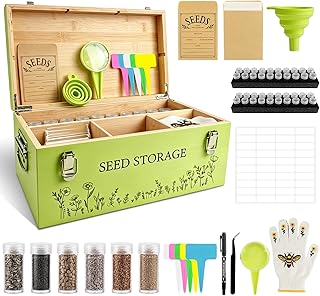
Fayoo Wooden Seed Storage Organizer Box with 40 Seed Vials & 20 Envelope…
3. Herb & Seed Storage Bins

If you have a larger seed collection, investing in herb and seed storage bins is a smart choice. Look for bins made from biodegradable materials or recycled plastics with airtight lids to keep moisture and pests at bay. These bins are designed for long-term storage, making them ideal for serious gardeners.
When selecting storage bins, choose ones with clear sides for easy visibility of contents. Adjustable compartments allow you to store different seed sizes together, while stackable designs help you utilize vertical space efficiently. Label each bin by plant family or season for quick access when it’s planting time.
Essential features for storage bins:
– Clear sides for visibility.
– Adjustable compartments for various seed sizes.
– Stackable design for space efficiency.
– Airtight lids to prevent moisture entry.
These bins not only protect your seeds but also make it simple to locate what you need, enhancing your gardening experience.
📹 Related Video: Best Seed Storage System I’ve EVER Used!
Herb & Seed Storage Bins
Editor’s Choice
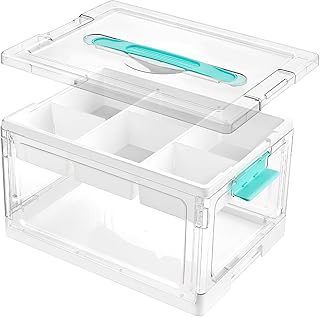
Vtopmart 24 QT Clear Plastic Craft Organizers and Storage Box with Remov…

60 Slots Seed Storage Organizer, Metal Seed Saving Box with Lid and Safe…

gardtree 400PCS Small Plant Nursery Bags 3.1×3.9 Inch, Biodegradable Non…
4. Seed Collection Binder

Are you looking for a systematic way to organize your seeds? A seed collection binder might be just what you need! By using plastic sleeves or small envelopes, you can create a personalized binder that secures your seed packets and allows for easy browsing.
To make your seed collection binder, start with a sturdy binder and fill it with plastic sheet protectors or small envelope pockets. Organize your seeds by type, planting schedule, or season for quick reference. You can even add plant care notes for additional guidance. Personalize the cover with garden-themed stickers to add charm.
How to create a seed collection binder:
– Select a sturdy binder and protective sleeves.
– Organize seeds by type or planting schedule.
– Include care notes for quick reference.
– Decorate the cover for a personal touch.
This method keeps your seeds organized and offers insight into your gardening journey, making it a valuable tool for any gardener.
Seed Collection Binder
Editor’s Choice

150pcs Seed Saving Envelopes, 4.7×3.1 Inch Reusable Seed Kraft Storage O…

Avery Heavy-Duty View 3 Ring Binder, 1″ One Touch Slant Rings, Holds 8.5…

30 Pack 120 Pockets Seed Packet Binder Sleeves, Garden Seed Storage Orga…
5. Wooden Seed Boxes

If you appreciate a rustic feel, wooden seed boxes are an excellent choice for storage. These boxes not only protect seeds from pests and moisture but also add a natural beauty to your gardening space. You can find boxes with compartments for easy separation of seed types, or even craft your own for a personal touch.
Wooden seed boxes are durable and eco-friendly, enhancing your sustainable gardening practices. Consider labeling each compartment for easy identification and stacking smaller boxes to save space. You can paint or stain the boxes to match your decor or leave them in their natural state for a charming look.
Benefits of using wooden seed boxes:
– Durable and long-lasting materials.
– Eco-friendly and sustainable option.
– Aesthetic appeal that enhances your space.
With their unique design and functionality, wooden seed boxes elevate both the organization of your seeds and the overall charm of your garden.
You might also like

Wooden Seed Boxes
Editor’s Choice
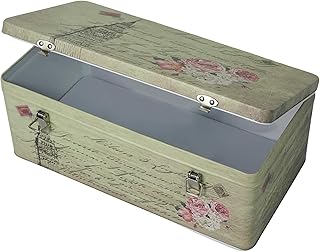
DreamsEden Metal Seed Organizer Storage Box – Rustic Garden Seed Saver C…
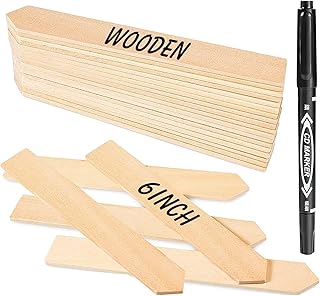
Zkptops 50Pcs Wooden Plant Labels Plant Tags 6 Inch Garden Plants Marker…
6. Recycled Takeout Containers

Before you throw away those takeout containers, consider their potential as seed storage! These lightweight and stackable containers often come with tight-sealing lids that keep pests at bay while being budget-friendly. Repurposing them is a smart way to promote recycling in your gardening routine.
To make the most of your takeout containers, rinse and dry them thoroughly to prevent mold. Use labels to indicate seed types, planting dates, and any care notes. Stack them in your pantry or cabinet to save space while keeping your seeds organized.
How to utilize takeout containers for storage:
– Rinse and dry containers before use.
– Label each container with seed details.
– Stack containers neatly in your pantry.
This clever storage solution not only saves you money but also helps you stay organized and sustainable in your gardening efforts.
Key Trade-offs & Our Top Pick
Option 1: Upcycled Glass Jars
– Pros: ✔ They are durable and reusable. ✔ You can see the seeds inside for easy identification. ✔ They can be sealed tightly, protecting seeds from moisture.
– Cons: ❌ They can break easily if dropped. ❌ Limited capacity if you have a large collection. ❌ Not the best option for long-term storage without proper sealing.
– Best for: Urban gardeners who want a stylish and eco-friendly way to store small seed packets or bulk seeds.
Option 2: DIY Seed Envelopes
– Pros: ✔ Inexpensive and easy to make from paper or recycled materials. ✔ Customizable for different seed types. ✔ Lightweight and easy to store in a binder or box.
– Cons: ❌ Not moisture-proof unless treated. ❌ May not provide as much protection from pests. ❌ Requires time and effort to create and label each envelope.
– Best for: Gardeners who enjoy crafts and want to personalize their seed storage while keeping costs low.
Option 3: Wooden Seed Boxes
– Pros: ✔ Sturdy and long-lasting. ✔ Provides excellent protection from pests and moisture. ✔ Attractive addition to any gardening space or home decor.
– Cons: ❌ Can be more expensive than other options. ❌ Heavier and less portable. ❌ Requires more space for storage.
– Best for: Serious gardeners looking for a permanent and aesthetically pleasing solution for seed storage.
Option 4: Magnetic Seed Storage
– Pros: ✔ Convenient for small seed packets. ✔ Allows for easy access and visibility. ✔ Can be mounted on the fridge or any metal surface, saving space.
– Cons: ❌ Limited to small and lightweight packets. ❌ May not be suitable for larger seeds. ❌ Vulnerable to changes in temperature if not kept in a stable environment.
– Best for: Urban gardeners with limited space who want a quirky yet practical storage solution for frequently used seeds.
Expert Recommendation:
Best Overall: Wooden Seed Boxes
Wooden seed boxes are our top pick because they offer durability and aesthetic charm that fits any garden style. They provide great protection against moisture and pests, ensuring your seeds remain viable for years. While they may come at a higher cost, their long-term benefits and timeless appeal make them worth the investment for most gardeners.
Why We Picked This:
While wooden seed boxes are ideal for long-term storage, some might prefer upcycled glass jars for their visibility and ease of use. DIY seed envelopes are perfect for those on a budget or who love crafting. Choose based on your space, budget, and personal preferences to find the best storage solution for your seed collection.
Recycled Takeout Containers
Editor’s Choice

100 Pack Small Resealable Seed Envelopes with Clear Window, 3.15 x 4.72 …

IRIS USA 13 QT Plastic Storage Box with Lid and Latches – 6 Pack – BPA-F…
Nelko Label Maker Machine with Tape, P21 Bluetooth Label Printer, Wirele…
7. Vintage Seed Packet Holders

If you love vintage decor, vintage seed packet holders can add charm to your gardening setup. These holders beautifully display your seeds while bringing a sense of nostalgia to your space. They are not only functional but can also spark conversations among fellow gardening enthusiasts.
Incorporate vintage seed holders into your garden by using them as decorative accents on shelves or windowsills. Fill them with a variety of seeds and label them for easy access. Mixing vintage holders with modern storage solutions creates a delightful contrast that enhances your gardening aesthetic.
Creative uses for vintage seed holders:
– Display them as decor on shelves or windowsills.
– Fill with seeds and label for organization.
– Combine with modern storage for a unique look.
These vintage holders not only serve as practical storage but also preserve a piece of gardening history, enriching your overall gardening experience.
Fun fact: Vintage seed packet holders can boost seed access speed by up to 40% in small spaces. They double as decor, sparking conversations while keeping your seed storage ideas organized. Label and mix holders for easy, stylish storage.
Vintage Seed Packet Holders
Editor’s Choice
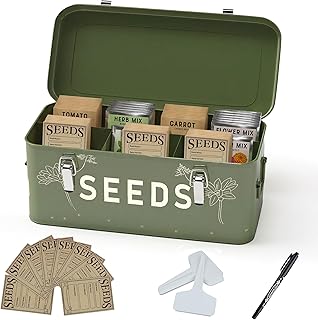
Orionstar Metal Seed Storage Organizer, 4 Compartments Saving Box with 3…

Ufine 4 Tier Wood Plant Stand Indoor Outdoor A Frame Plant Display Shelf…

26 Slots Seed Storage Organizer Box with Insulated Bag That Holds 80-200…
8. Magnetic Seed Storage

Why not get creative with your seed storage? Magnetic seed storage is a fun and innovative way to keep your seeds organized. By using small metal containers or magnetic strips, you can create a unique display that adds flair to your gardening area while ensuring your seeds are safe.
To set up magnetic storage, attach magnets to the back of small containers filled with seeds. Place a magnetic strip on your gardening desk or wall for easy access. Label containers with washi tape or markers to enhance your setup’s aesthetic.
Implementation ideas for magnetic storage:
– Attach magnets to small seed containers.
– Use a magnetic strip for easy access.
– Label containers with colorful tape.
This playful approach not only makes organization enjoyable but also keeps your seeds secure and easily reachable whenever you need them.
Did you know that 9 out of 10 seed packets get mixed up without clear labeling? Magnetic seed storage can simplify your seed storage ideas: attach small containers to a strip, label with washi tape, and grab what you need in seconds.
You Might Also Like
Magnetic Seed Storage
Editor’s Choice

Mr. Pen- Washi Tape Set, 21 Rolls, Assorted Sizes, Floral, 5 Yards/Roll,…

6Pcs Magnetic Strip, Metal Magnet Board with 20 pcs Colorful Magnet, Fra…

12pcs Stainless Steel Spice Jars, Magnetic Condiment Tins Magnetic Spice…
9. Seed Preservation Techniques

Understanding seed preservation techniques is key to maintaining the viability of your collection. Proper drying, moisture control, and cool, dark storage are essential for keeping your seeds healthy and ready for planting. This knowledge ensures you maximize the potential of your seeds over the years.
To preserve your seeds effectively, ensure they are completely dry before storage to prevent mold. Store them in a cool, dark place such as a refrigerator or basement for optimal conditions. Consider using desiccants like silica gel packets to control moisture and regularly check for signs of pest damage or moisture buildup.
Key practices for seed preservation:
– Completely dry seeds before storing.
– Store in cool, dark locations like a fridge.
– Use desiccants for moisture control.
– Regularly check seeds for damage.
By applying these preservation techniques, you’ll ensure your seeds remain viable and ready for planting season, allowing your garden to thrive year after year.
Seed Preservation Techniques
Editor’s Choice

140 Slots Seed Storage Organizer Kit with 20 Envelopes, Waterproof Seed …

15 Pcs 20 Gram Silica Gel Packs, Transparent Desiccant, Desiccant Packet…

DOQAUS Digital Hygrometer Indoor Thermometer Humidity Meter Room Thermom…
Conclusion

Organizing and protecting your seed collection is not just about functionality; it reflects your passion for gardening. By implementing these seed storage ideas, you not only enhance your gardening efficiency but also contribute to a more sustainable lifestyle.
Take the time to experiment with different methods and find what works best for you. Remember, each seed holds the potential for something beautiful, so let’s give them the best care possible!
Note: We aim to provide accurate product links, but some may occasionally expire or become unavailable. If this happens, please search directly on Amazon for the product or a suitable alternative.
This post contains Amazon affiliate links, meaning we may earn a small commission if you purchase through our links, at no extra cost to you.
Frequently Asked Questions
What are the best seed storage ideas for urban gardeners to maximize space?
Urban gardening means compact spaces, but you can protect a big seed collection with smart storage. Start with airtight containers like small jars, seed tins, or vacuum-sealed pouches that fit on a shelf. Use clear containers so you can spot seeds at a glance, and store them in a cool, dark cabinet to slow aging. Create a simple labeling system and group seeds by family or season; add the collection date and lot number to your log. For moisture control, slip in a desiccant pack or use silica gel balls, and swap them out every few months. With these seed storage ideas, you keep every seed organized and easy to access, even in small urban spaces.
How can I organize my seed collection efficiently using seed organization tips and DIY seed storage containers?
Great question. Start by sorting seeds by plant family and shelf-life, then label clearly with name, variety, and collection date. Use color-coded labels and a simple spreadsheet so you know what’s in every container—this is core seed organization tips. For DIY seed storage containers, repurpose clear glass jars, mint tins, or cereal boxes lined with seed envelopes; seal smaller seeds in sachets and slot them into a small tote or drawer in your gardening storage solutions. Keep a peak inventory so you can plan what to plant next season and what to save for replanting—this is essential for seed collection management.
What are reliable seed preservation methods to extend seed viability without chemicals?
You can extend seed viability with simple, chemical-free seed preservation methods. Dry seeds thoroughly until their moisture is around 6–8%, then store them in airtight containers in a cool, stable environment. Use desiccants to control humidity and avoid fluctuating temperatures—ideally around 5–7°C (35–50°F) for long-term storage, or a steady fridge. Label packets with species, variety, and year, and periodically check germination rates. Not all seeds tolerate freezing, so research each species before freezing. These practical steps help you protect your seed collection with seed storage ideas that last.
How should I label and track seeds for seed collection management?
Labeling is your first line of defense for seed collection management. Include the species, cultivar, date collected, source, and whether germination tests were done. Use a consistent label format and keep a simple inventory—either a notebook or a digital spreadsheet—so you can search by plant name or year. Take photos of packets and containers for quick reference, and consider a quick barcode or QR code system if your collection grows. This approach makes seed recovery fast and keeps your collection under control with seed collection management.
What are cost-effective gardening storage solutions that suit small apartments?
Small apartments deserve smart, affordable solutions. Look for inexpensive gardening storage solutions like clear plastic bins, mason jars, and mini filing boxes that fit on a shelf or inside a closet. Use stackable organizers to maximize vertical space and keep a damp-free environment with silica gel or rice as a desiccant. For DIY seed storage containers, repurpose small metal tins, spice jars, and old cigar boxes lined with seed envelopes. Label everything clearly and keep a rotating system so you access the seeds you need without clutter. These tactics make seed storage ideas practical anywhere.
Related Topics
seed storage ideas
sustainable gardening
urban gardening
seed organization tips
DIY seed containers
seed preservation methods
beginner gardening
garden management
eco-friendly storage
seed collection solutions
easy gardening tips