
Starting your own indoor garden can feel like a daunting task, but it doesn’t have to be! With the right seed starting setup, you can create a thriving space for your plants to grow, no matter how limited your indoor space might be. This post is here because I want to share practical ideas that can help you build the perfect indoor growing station. The world of indoor gardening has grown tremendously, especially in hydroponics, and I’m excited to help you explore it!
If you’re someone who craves fresh herbs, vibrant flowers, or healthy vegetables right at your fingertips, this guide is for you. As an indoor gardening enthusiast, you probably care deeply about nurturing plants successfully. You want to maximize your efforts and create a lush environment that supports your growing needs. In this post, I’ve gathered nine innovative seed starting setup ideas that are both practical and effective. They’re perfect for any space and will help you cultivate your green thumb in style.
Get ready to discover setups like vertical hydroponic towers, DIY seedling trays, and grow light stations. Each idea is designed to enhance your plant care experience, ensuring you have the tools and knowledge needed to nurture your seedlings into flourishing plants. Let’s dive in and transform your indoor gardening journey into a successful adventure!
Key Takeaways
– Vertical Hydroponic Tower: This space-saving option allows you to grow multiple plants in a small area, maximizing your yield without taking up much room.
– DIY Seedling Tray Setup: Creating your own seedling trays can be budget-friendly and tailored to your specific plant needs, making it easier to start your seeds.
– Grow Light Station: Proper lighting is crucial for healthy growth. A dedicated grow light station ensures your seedlings receive the right amount of light, even in dark corners of your home.
– Seedling Heat Mats: These mats provide consistent warmth to your seedlings, promoting faster germination and stronger growth.
– Indoor Greenhouse Shelving: Utilizing shelving can help organize your plants and provide the right conditions for each stage of growth, making plant care more manageable.
1. Vertical Hydroponic Tower

If you’re looking to maximize your growing space, a vertical hydroponic tower is the perfect solution. These systems allow you to cultivate a variety of plants in a compact area, making them ideal for apartments or small homes. With their integrated water systems, they create an efficient, self-sustaining environment for your seedlings to flourish.
To get the most out of your hydroponic tower, mix leafy greens with aromatic herbs for a delightful and nutritious harvest. Place your tower near a window or use grow lights to ensure your plants receive adequate light. Regular checks on your water levels and nutrient solutions will help keep your plants thriving.
Key benefits of a vertical hydroponic tower:
– Utilize limited space effectively.
– Grow a diverse range of plants simultaneously.
– Save water compared to traditional gardening.
With this setup, you’ll enjoy a bountiful indoor garden, all while saving space and resources.
Vertical Hydroponic Tower
Editor’s Choice

VEVOR Hydroponic Tower, 50 Pods 10 Tiers Hydroponics Growing System Kit …


Liquid Plant Food for use in AeroGarden, IDOO and Hydroponic Growing Sys…

Ahopegarden Hydroponics Growing System Herb Garden: 10 Pods Indoor Garde…
2. DIY Seedling Tray Setup

Creating your own seedling tray setup is not only budget-friendly, but it also lets you customize your indoor gardening experience. Using materials like recycled containers or simple plastic trays, you can craft a solution that fits your specific needs.
Ensure that your trays have drainage holes to avoid water buildup. Opt for a high-quality seed starting mix to give your plants the best chance to thrive. Labeling your trays will help you easily track different varieties as they grow.
Here’s how to enhance your DIY setup:
– Create drainage holes in all trays.
– Use a premium seed starting mix for best results.
– Clearly label each tray for easy identification.
This personalized approach allows you to nurture your plants while having fun. Arrange your trays for optimal light exposure, and watch your seedlings flourish into strong, vibrant plants.
DIY Seedling Tray Setup
Editor’s Choice

Espoma Organic Seed Starter Premium Potting Soil Mix – All Natural & Org…

KINGLAKE 100 Pcs 6 x10cm Plastic Plant T-Type Tags Nursery Garden Labels

Burpee SuperSeed Starting Tray | 16 XL Cell | Reusable & Dishwasher Safe…
3. Grow Light Station

Investing in a grow light station is essential for anyone serious about indoor gardening. These lights replicate natural sunlight, providing the right spectrum and intensity your seedlings need for healthy growth.
Using grow lights can extend your growing season, enabling you to cultivate plants year-round regardless of natural light availability. They are easy to install and can be adjusted as your plants grow taller.
Reasons to set up a grow light station:
– Prolong your indoor growing season.
– Speed up growth and increase yields.
– Adjust light height easily as plants develop.
With the right lighting, your indoor garden will thrive, leading to robust plants ready for transplanting.
📹 Related Video: Seed Starting Indoors Under Grow Lights 101
Grow Light Station
Editor’s Choice

Bamworld Plant Stand with Grow Light Plant Shelf for Mutiple Pots Large …

GooingTop LED Grow Light,6000K Full Spectrum Clip Plant Growing Lamp wit…
4. Hydroponic Nutrient Solutions

The success of your indoor garden heavily relies on proper hydroponic nutrient solutions. Unlike traditional soil methods, hydroponics uses water-soluble nutrients to nourish your plants effectively.
Key nutrients like nitrogen, phosphorus, and potassium are essential for promoting healthy growth. Follow mixing instructions carefully and regularly test pH levels to optimize nutrient absorption.
Essential nutrients for hydroponics:
– Use nitrogen for lush foliage.
– Incorporate phosphorus for robust roots.
– Add potassium for overall plant strength.
By mastering nutrient balance, you will create strong, vibrant seedlings ready for a successful harvest.
Fun fact: In hydroponics, precise nutrient mixes boost growth 20–30% faster than soil, when pH is kept stable. For your seed starting setup, balance nitrogen, phosphorus, and potassium, then test pH regularly to optimize nutrient absorption.
How To Choose The Right Seed Starting Setup
Choosing the right seed starting setup is crucial for successful indoor gardening. A well-thought-out configuration can make all the difference in growing healthy plants. Here are some key criteria to keep in mind when selecting your ideal seed starting setup.
1. Size
Consider how much space you have available for your indoor growing station. Measure the area where you plan to set it up. If you have limited space, vertical gardening options, like hydroponic towers, might be a great fit. For larger spaces, a traditional shelving unit can hold multiple seedling trays and grow lights.
2. Material
The material of your seed starting setup can affect durability and ease of cleaning. Plastic trays are lightweight and easy to handle, while metal or wooden shelving units offer sturdiness. Ensure your chosen materials can withstand moisture and exposure to nutrients without degrading over time.
3. Features
Look for features that enhance the growing experience. Adjustable grow lights allow you to manage light exposure as seedlings grow. Heat mats can provide consistent warmth, promoting germination. Built-in watering systems or self-watering trays can simplify plant care, especially for busy gardeners.
4. Budget
Establish a budget before shopping for your seed starting setup. Prices can vary widely, depending on materials and features. Do some research to find quality setups that fit your financial plan. Remember, investing in a good setup can save you money and time in the long run by ensuring healthy plants.
5. Hydroponic Systems
If you’re interested in hydroponics, look for setups specifically designed for this method. Hydroponic systems can offer better resource efficiency and faster growth rates. Check for nutrient solution compatibility and ease of maintenance when selecting your system.
6. Plant Care Tips
Consider the level of care you can provide. If you’re a beginner, opt for simpler setups that require less daily attention. More experienced gardeners may prefer advanced systems with customizable options. Make sure to read user reviews and product guides to gather tips that will help you care for your seedlings effectively.
Pro Tip: Start with a basic setup and gradually add features like grow lights and watering systems as you get comfortable. This way, you can adjust based on your needs and experience as an indoor gardener.
Choosing the perfect seed starting setup can be a game-changer for your indoor gardening journey. By considering size, material, features, budget, and specific needs like hydroponics or care levels, you can create an efficient and effective environment for your seedlings to thrive. Happy planting!
Hydroponic Nutrient Solutions
Editor’s Choice

Advanced Nutrients Grow Micro Bloom pH Perfect Bundle Set Combo Base Nut…

General Hydroponics Flora Series: FloraMicro, FloraBloom, FloraGro – 3-P…

Botanicare Pure Blend Pro Grow, Nutrient, 3-2-4, 1 gal.
5. Seedling Heat Mats

A seedling heat mat is a fantastic tool for indoor gardeners looking to enhance seed germination. These mats provide consistent warmth to the root zone, speeding up germination and promoting healthy seedlings.
They are especially beneficial for seeds that thrive in warmer conditions, maintaining an even temperature for optimal growth. Easy to set up, they can significantly boost your gardening success.
Advantages of using heat mats:
– Perfect for heat-loving seeds.
– Maintain a steady temperature for growth.
– Simple installation and operation.
Position the heat mat under your trays and cover them with a humidity dome to retain warmth and moisture. This small investment will lead to quicker germination and healthier plants.
You might also like

Seedling Heat Mats
Editor’s Choice

VIVOSUN 10″x 20.75″ Seedling Heat Mat and Digital Thermostat Combo Set, …

VIVOSUN Durable Waterproof Seedling Heat Mat 10″ x 20.75″ UL & MET-Certi…
6. Indoor Greenhouse Shelving

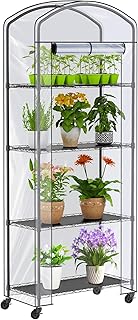
You can easily transform any corner of your home into a mini indoor greenhouse with specialized shelving. This approach maximizes your space while providing a structured environment for your plants.
Look for adjustable shelves that can adapt as your plants grow, ensuring stability and support for your pots. Choose materials that are moisture-resistant to withstand gardening conditions.
Features to consider for indoor shelves:
– Adjustable shelves for growing plants.
– Sturdy frame for weight support.
– Moisture-resistant materials for durability.
This setup allows for better organization and management of your indoor garden, making it easier to care for your plants.
❝ Fun fact: A seed starting setup with adjustable, moisture-resistant shelves turns a tight corner into a thriving mini greenhouse. In practice, you can gain up to 50% more growing space and steadier moisture—perfect for reliable indoor hydroponic seed starting. ❞
Indoor Greenhouse Shelving
Editor’s Choice
GooingTop LED Grow Light,6000K Full Spectrum Clip Plant Growing Lamp wit…
4-Tier Greenhouse with Wheels, Height-Adjustable Shelves Metal Plant She…
7. Watering Systems for Convenience

Keeping your seedlings well-hydrated is crucial, and an efficient watering system can simplify your gardening routine. Automated systems deliver water directly to your plants, ensuring they receive the right amount without the risk of overwatering.
Explore options like drip irrigation or self-watering stakes to minimize maintenance. Incorporating timers can help you schedule watering intervals for even more convenience.
Watering system options include:
– Drip irrigation for precise watering.
– Self-watering stakes for easy care.
– Timers to manage watering schedules.
With a reliable watering system, you’ll promote healthier seedlings while enjoying peace of mind as your plants thrive.
Watering should be a quiet ally, not a daily task. In my seed starting setup, drip irrigation with timers keeps seedlings evenly hydrated, cutting guesswork and maintenance. Set it, and enjoy steady growth without overwatering.
Watering Systems for Convenience
Editor’s Choice

Outdoor Garden Hose Faucet Timers, Programmable Water Sprinkler Timer wi…

TKSCUSR Plant Self-Watering Stakes-15 Pack Terracotta Automatic Plant Wa…
Outdoor Garden Hose Faucet Timers, Programmable Water Sprinkler Timer wi…
8. Companion Planting Setup

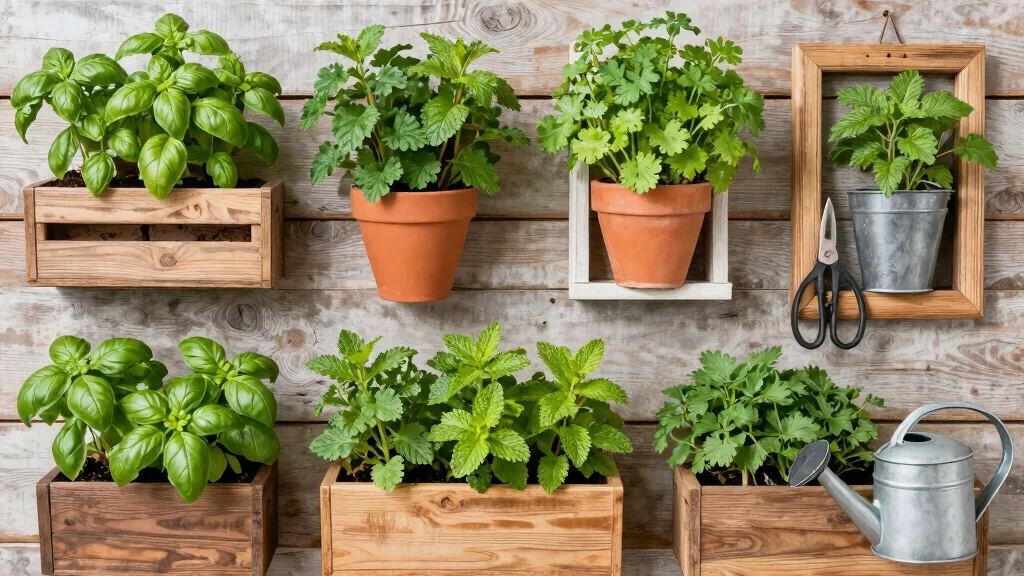
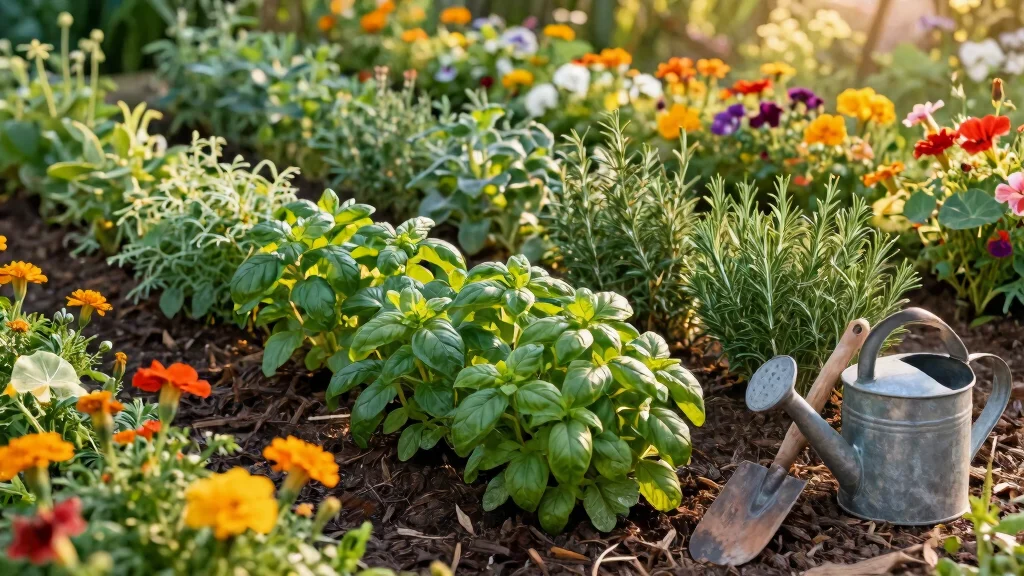
Companion planting can enhance your indoor gardening efforts by pairing compatible plants for improved growth and natural pest control. This strategy can create a thriving ecosystem right in your home.
Group plants together that benefit each other, both in growth rates and pest deterrence. This will make your garden more productive and resilient against challenges.
Examples of beneficial companion plants:
– Basil with tomatoes for flavor enhancement.
– Marigolds to repel pests.
– Peas to boost leafy greens’ growth.
By implementing companion planting, you’ll foster a healthy environment for your seedlings, leading to a more successful indoor garden.
You Might Also Like
Companion Planting Setup
Editor’s Choice

Aokrean Plant Grow Light, 48 LEDs Full Spectrum Grow Lights for Indoor P…

Espoma Organic 8 Ounce Concentrated Indoor! Plant Food – Indoor Plant Fe…
9. Seasonal Rotation Techniques

Practicing seasonal rotation is essential for a thriving indoor garden. This method involves timing your planting and harvesting to maximize the efficiency of your indoor space throughout the year.
Plan your seeds according to their optimal growing seasons to ensure the best results. Note which plant varieties thrive in different conditions and rotate them to prevent soil depletion.
Key aspects of successful rotation:
– Schedule seeds based on seasons.
– Track plant varieties for optimal conditions.
– Rotate crops to maintain soil health.
With effective seasonal rotation, your indoor garden will remain vibrant and productive all year long.
Seasonal Rotation Techniques
Editor’s Choice

Burpee SuperSeed Seed Starting Tray | 36 Cell Reusable Seed Starter Tray…

2 Pack LED Grow Light Panel 200W Lamp for Indoor Plants, Full Spectrum w…

Gardening Log Book and Planner: Monthly Garden Planting Journal and Orga…
Conclusion
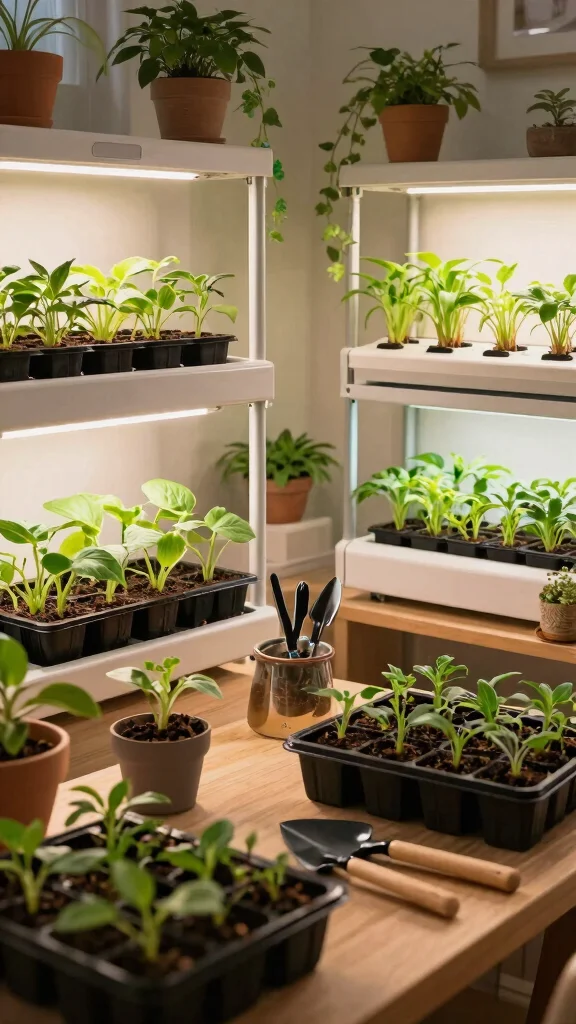
With these nine seed starting setup ideas, you’re well on your way to creating the perfect indoor growing station. Each setup offers unique advantages, allowing you to cultivate a variety of plants no matter the size of your space.
Experimenting with different techniques can lead to exciting discoveries in your indoor gardening journey. Embrace the beauty of nurturing your seedlings, and watch your indoor garden flourish!
Note: We aim to provide accurate product links, but some may occasionally expire or become unavailable. If this happens, please search directly on Amazon for the product or a suitable alternative.
This post contains Amazon affiliate links, meaning we may earn a small commission if you purchase through our links, at no extra cost to you.
Frequently Asked Questions
Question: What exactly is a seed starting setup for indoor growing, and what are the essential components for an indoor hydroponic seed starting station?
A seed starting setup is your dedicated space for germinating seeds and raising healthy seedlings indoors. For an indoor gardening with hydroponic systems, essential components include grow lights, seedling trays or plug trays, a reservoir with a hydroponic nutrient solution, a submersible pump and tubing, a timer to automate light and irrigation, and a way to monitor environment (thermometer, humidity control) and pH/EC. Use a propagation dome to maintain humidity, choose a lightweight growing medium (rockwool cubes, coco coir, or perlite) and ensure drainage. Arrange a compact layout on sturdy shelves to keep temperatures stable and airflow consistent. Start simple with a small set of trays, a single grow light, and a 5–10 gallon reservoir, then expand.
With seed starting setup and indoor gardening, you get scalable control over plant care tips to prevent overwatering, heat buildup, or leggy seedlings.
Question: How should I choose and position grow lights for a seed starting setup to ensure healthy seedling growth?
For strong seedlings, pick a fixture that provides bright, broad spectrum light; look for full-spectrum LEDs or T5 tubes designed for seed starting. Ensure the light supports a good PAR range for your crop, and use a timer to provide about 14-16 hours of light per day. Place lights just above the seedlings (usually a few inches away, adjustable as plants grow) to prevent stretch, and provide gentle airflow to avoid heat buildup. Consider dimmable options and quality reflectors to maximize efficiency. Regularly adjust distance as the seedlings develop.
In a well-planned seed starting setup, reliable grow lights and smart scheduling translate to sturdier stems, darker green leaves, and healthier root systems.
Question: Which seedling trays and containment options work best for hydroponic seed starting, and how do I set them up?
Use a seedling tray with individual cells or plug trays to keep roots contained; choose trays with good drainage and compatibility with your hydroponic setup (net pots, insertable inserts, or coco coir plugs). A transparent lid or humidity dome helps with germination. If you’re going hydroponic, transplant seedlings into net pots with a suitable growing medium (rockwool, coco coir) and place them in a reservoir or raft. Keep trays clean and pre-moistened, label seeds, and practice gentle transplantation.
Choosing flexible seedling trays and compatible hydroponic systems makes it easy to rotate crops and maintain consistent moisture for healthy growth.
Question: Can I start seeds indoors without soil, and how do hydroponic systems support germination and early growth?
Yes—start seeds in sterile media like rockwool or coco coir plugs, then move them into a hydroponic setup once the first true leaves appear. Germination is supported by stable moisture and warmth; keep the environment humid but well-ventilated. After germination, transfer seedlings to the hydroponic system with a gentle nutrient solution and monitor pH and EC. Rinse the roots if needed and avoid root rot by ensuring adequate aeration.
This approach aligns with a flexible indoor gardening routine and demonstrates how hydroponic systems can streamline seed starting and plant care tips.
Question: What are the best plant care tips to keep seedlings healthy in an indoor hydroponic seed starting station?
Keep temperatures steady in the ideal range for seedlings (around 65-75°F) and maintain humidity around 50-70% during germination. Provide consistent light and airflow to prevent damping-off and leggy growth. Feed with a diluted hydroponic nutrient solution according to plant type, monitor pH (typically 5.5-6.5 for most crops) and EC, and adjust as roots develop. Regularly inspect for pests or mold, prune weak growth, and transplant to larger containers when roots fill the tray. Label and rotate crops to avoid disease buildup.
With these plant care tips and a thoughtful seed starting setup, you’ll maximize germination rate and produce sturdy seedlings ready for hardening off.
Related Topics
seed starting setup
indoor gardening
hydroponic systems
grow lights
seedling trays
plant care tips
beginner friendly
easy setup
DIY gardening
home horticulture
indoor plant care
sustainable gardening