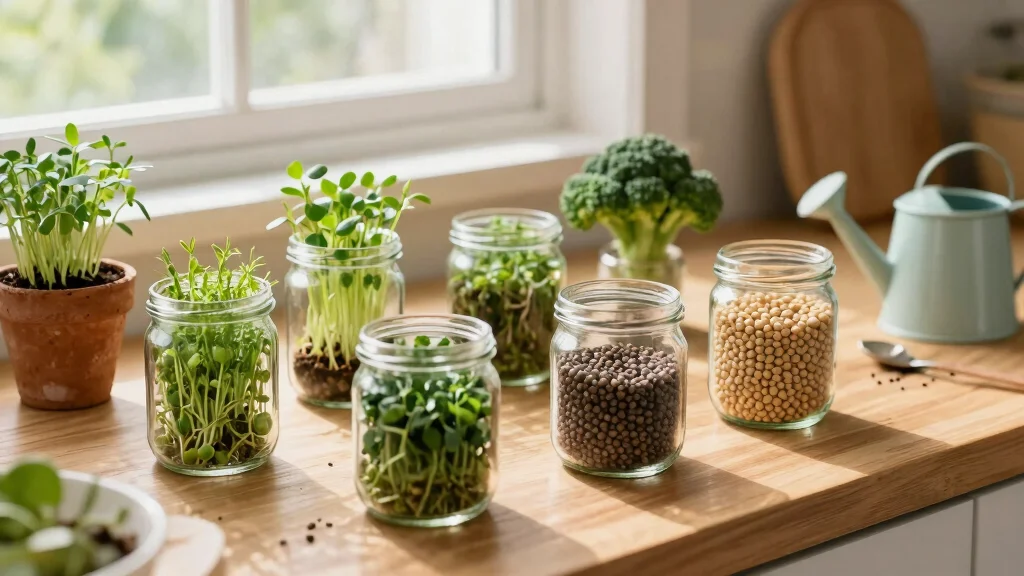
Growing your own food can feel daunting, especially if you’re in a small space. I get it—urban living can make you feel disconnected from nature. That’s why I put together this guide on seed sprouting. Sprouts are not only easy to grow, but they also pack a nutritional punch. Whether you’re in a tiny apartment or just want to add a little green to your kitchen, growing sprouts can be your answer.
If you’re passionate about home gardening but worry about limited space, this post is tailored for you. It’s perfect for anyone interested in indoor sprouts that are fresh and healthy. You’ll discover how simple it is to grow nutritious seeds right on your countertop. With a few easy techniques and tips, you’ll be able to enjoy fresh sprouts in no time.
In this post, you’ll find 9 seed sprouting ideas that are not only doable but also fun. From broccoli to mung beans, these seeds are nutrient-rich and offer a variety of flavors. Get ready to elevate your meals with these delicious additions. Let’s dive into the world of sprouting and unlock the potential of your small space!
Key Takeaways
– Sprouting is Simple: You don’t need a garden to grow your own food. Sprouting seeds at home requires minimal space and equipment.
– Health Benefits: Sprouts are nutrient-dense and can boost your diet with vitamins, minerals, and protein. They make a healthy addition to any meal.
– Variety of Seeds: Explore different seeds like broccoli, alfalfa, and lentils. Each offers unique flavors and nutritional benefits, making your meals more exciting.
– Easy Techniques: You’ll learn straightforward sprouting techniques that anyone can master. Even if you’ve never gardened before, you can grow your own sprouts.
– Indoor Gardening Tips: Discover practical tips for maintaining your sprouts indoors. With a few supplies and some care, you can enjoy fresh greens year-round.
1. Broccoli Sprouts: The Superfood Delight
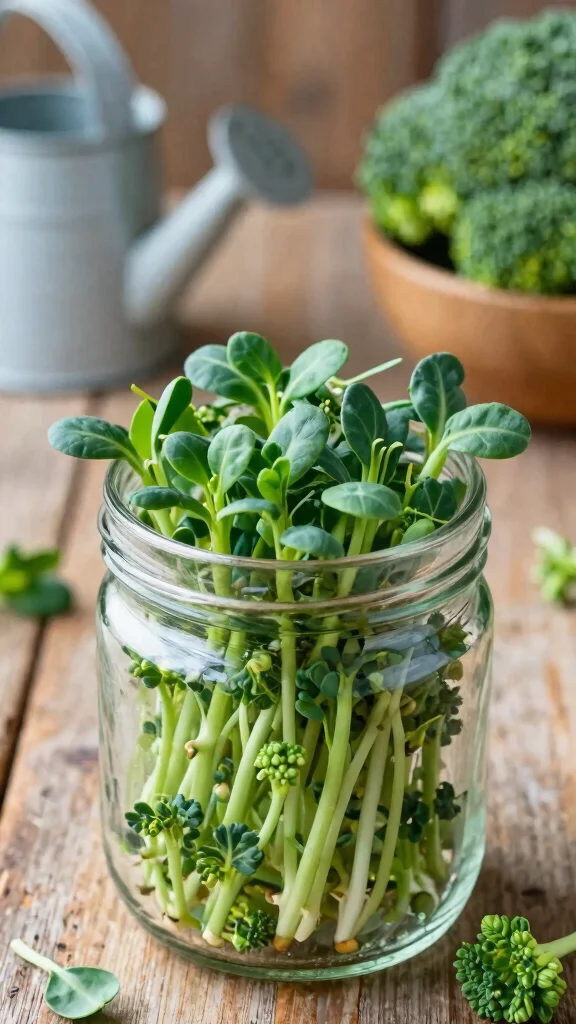
Craving something nutritious and delicious? Broccoli sprouts are your answer! These tiny greens are not only adorable but also pack a powerful nutritional punch, loaded with sulforaphane that helps detox your body and reduce inflammation. They’re incredibly easy to grow, making them ideal even for beginners. Just soak the seeds for a few hours, drain them, and rinse twice daily. In just 4-5 days, you’ll be greeted by lively green sprouts ready to elevate your meals. Think about how they can enhance your dishes:
– Toss them into salads for a nutritious crunch.
– Blend them into smoothies for a fiber boost.
– Sprinkle them on avocado toast for a gourmet flair.
Broccoli sprouts are a fantastic addition to any meal, ensuring you enjoy both flavor and health benefits!
Broccoli Sprouts: The Superfood Delight
Editor’s Choice

2 Pcs Sprouting Lids for Wide Mouth Mason Jars, Stainless Steel Reusable…

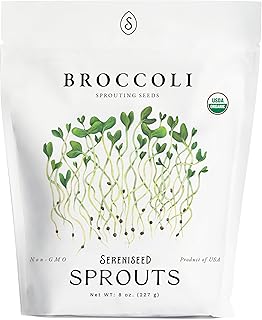
Organic Broccoli Sprout Seeds (8 oz) – Non-GMO, Heirloom Seeds for Spr…

4-Tier Seed Sprouting Kit with Drain Holes and Drain Tray, Upgrade Stack…
2. Alfalfa Sprouts: The Classic Choice
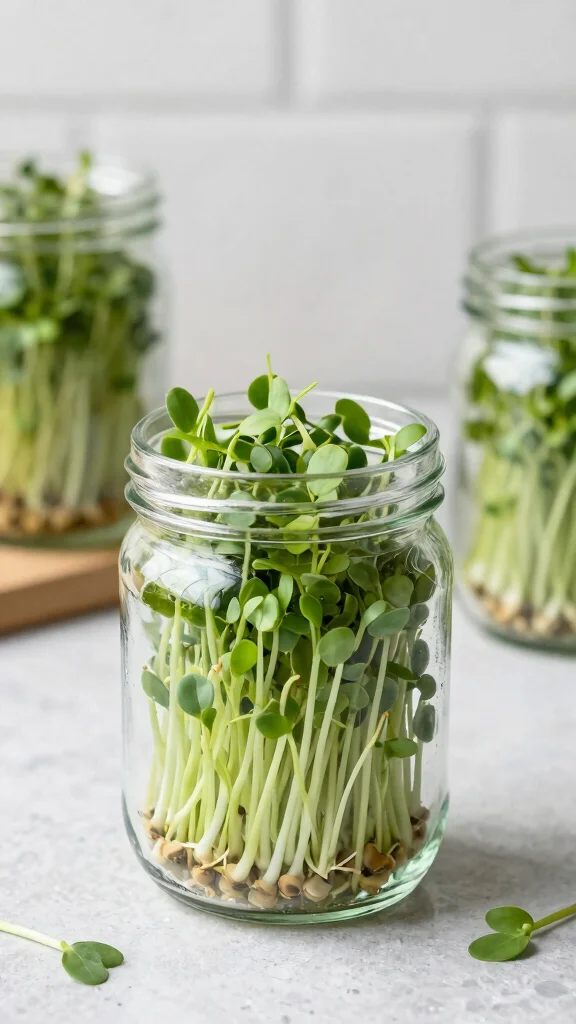
Are you looking for a classic sprout that’s as easy to grow as it is tasty? Alfalfa sprouts are a beloved choice! Their mild, crunchy texture makes them perfect for adding to all kinds of dishes. All you need to do is soak the seeds overnight, rinse them thoroughly, and store them in a cool, dark place. In about 5-7 days, you’ll have a fresh batch ready to enjoy. Here are some delightful ways to use them:
– Add a crisp layer to your sandwiches and wraps.
– Toss them into salads for an extra crunch.
– Blend them into dips for a nutritious twist.
Alfalfa sprouts are versatile, making them a must-have for any sprouting enthusiast!
📹 Related Video: How to Grow Alfalfa Sprouts – Jar vs. Tray – Easy Method 发苜蓿芽
How To Choose the Right Seeds for Sprouting
Choosing the right seeds for sprouting can be a fun and rewarding experience! Here are some important factors to consider when selecting seeds for your home gardening journey:
1. Seed Type: Not all seeds are created equal. Some seeds sprout faster and have more nutrients than others. Look for seeds specifically labeled for sprouting, such as broccoli, alfalfa, or lentils. These varieties are known for their delicious flavors and health benefits.
2. Organic vs. Conventional: When it comes to health, organic seeds are usually your best bet. These seeds are grown without synthetic pesticides and fertilizers, making them cleaner and safer for consumption. Always check the packaging to ensure you’re getting organic seeds.
3. Freshness: The freshness of seeds can greatly impact your sprouting success. Check the expiration date on the seed packets. Fresh seeds typically sprout better and faster. If possible, buy from reputable sources that specialize in sprouting seeds.
4. Nutritional Value: Different seeds carry varying levels of nutrients. For instance, broccoli sprouts are packed with vitamins and antioxidants, while lentils are rich in protein. Consider what nutritional benefits you want from your sprouts and choose accordingly.
5. Growth Time: Some seeds take longer to sprout than others. If you’re looking for quick results, opt for seeds like alfalfa and radish, which sprout in just a few days. If you have more time to wait, try larger seeds like mung beans that can take a week or more.
6. Space and Equipment: Make sure to consider the space you have at home for sprouting. Some seeds require more room than others. Additionally, ensure you have the right equipment, such as jars, trays, or sprouters, to accommodate the seeds you choose.
Pro Tip: Always start with small amounts of different seeds to see what you like best! This way, you can experiment without wasting resources. Keep a sprouting journal to track which seeds you enjoy most and how they fit your culinary needs. Happy sprouting! 🍃
Alfalfa Sprouts: The Classic Choice
Editor’s Choice
4-Tier Seed Sprouting Kit with Drain Holes and Drain Tray, Upgrade Stack…

Premium Sprouting Jar Kit, 2Pack Wide Mouth Mason Jars with Mesh Sprouti…

NOW Foods, Organic Alfalfa Seeds For Sprouting, Grown in the USA, Certif…
3. Mustard Greens: A Spicy Kick
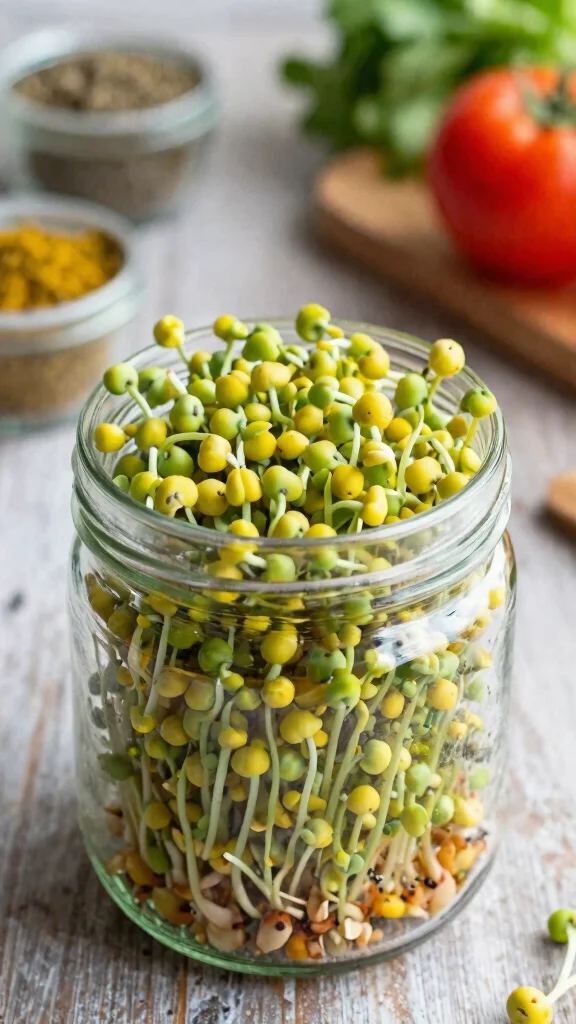
Want to add some excitement to your meals? Mustard greens sprouts are packed with flavor! These sprouts bring a peppery zing that can brighten any dish. They’re easy to grow, just soak the seeds for a few hours, rinse and drain daily, and in about a week, you’ll have vibrant sprouts ready for your kitchen. Here are some tasty ideas to incorporate them:
– Mix into salads for a zesty kick.
– Use them to top tacos or burritos.
– Blend them into sauces for a flavor boost.
Mustard greens sprouts will keep your taste buds dancing while delivering impressive health benefits!
Mustard Greens: A Spicy Kick
Editor’s Choice

Legigo 5 Pack Seed Sprouter Trays with Lids- Soil-Free Cultivation Germi…

2000 Premium Mustard Green Seeds – Cải Bẹ Xanh – Broadleaf Mustard, …
Organic Seed Sprouting Jar Kit – 2 × 32 oz Wide-Mouth Mason Jars with…
4. Sunflower Sprouts: Nutty and Delicious
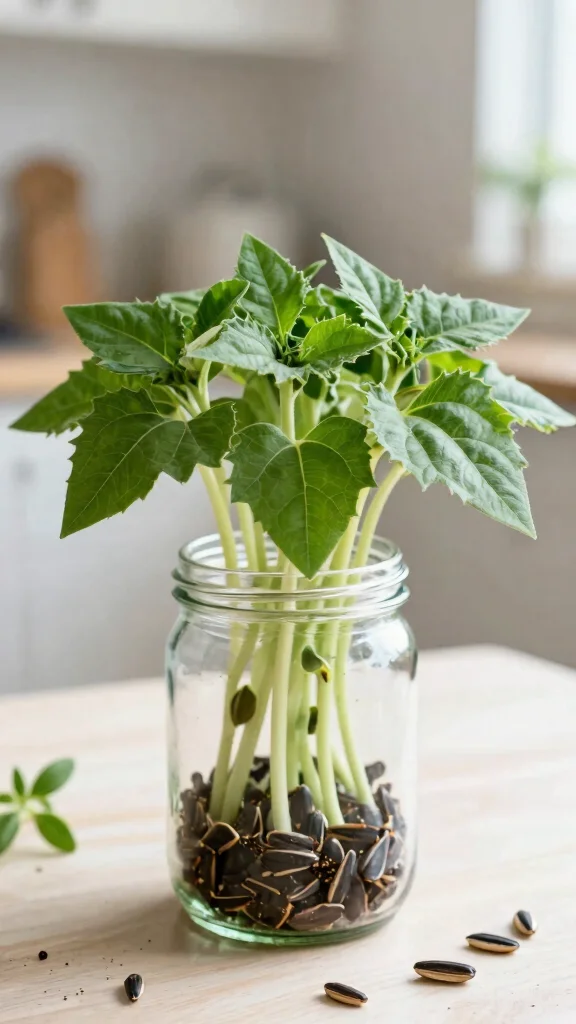
Looking for a sprout that’s both tasty and nutritious? Sunflower sprouts are a delightful surprise! With their nutty flavor and satisfying crunch, they make a fantastic addition to any dish. Simply soak the seeds overnight, rinse, and keep them moist, and in about a week, you’ll have fresh sunflower sprouts ready to enjoy. Here are some delicious ideas:
– Add them to grain bowls for extra protein.
– Top salads for a delightful crunch.
– Pair them with dips like hummus or guacamole.
Sunflower sprouts are not just delicious; they’re also packed with vitamins E and B, making them a healthy choice for your meals!
Fun fact: Sunflower sprouts deliver a protein punch in just 4–7 days of seed sprouting. Their nutty crunch and quick turnaround prove that urban gardens can nourish with everyday, tasty greens.
Sunflower Sprouts: Nutty and Delicious
Editor’s Choice
Organic Seed Sprouting Jar Kit – 2 × 32 oz Wide-Mouth Mason Jars with…
4-Tier Seed Sprouting Kit with Drain Holes and Drain Tray, Upgrade Stack…

Nature Jims Organic Sunflower Seeds for Sprouting – Non-GMO, Premium S…
5. Lentil Sprouts: Protein Powerhouse
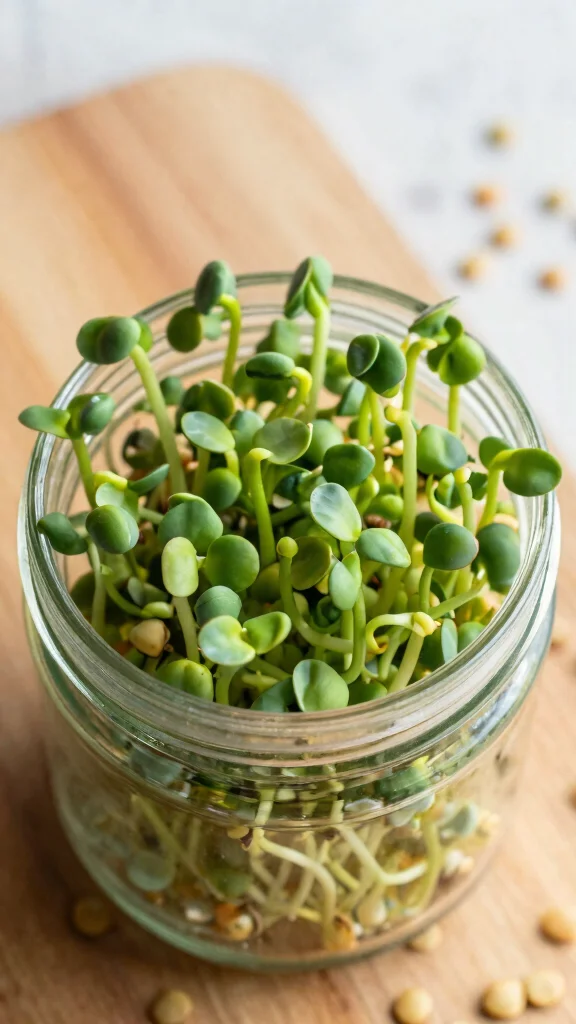
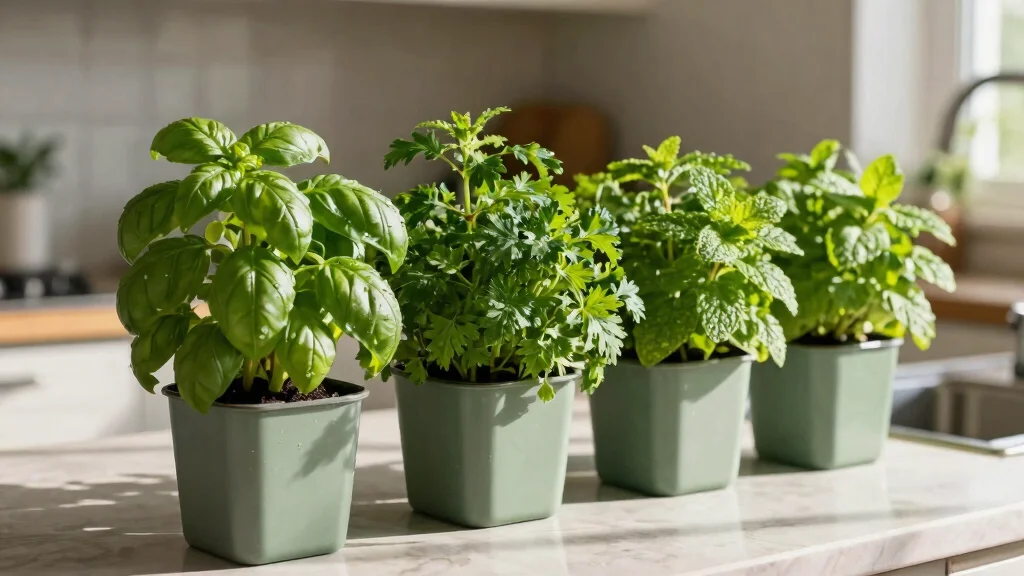
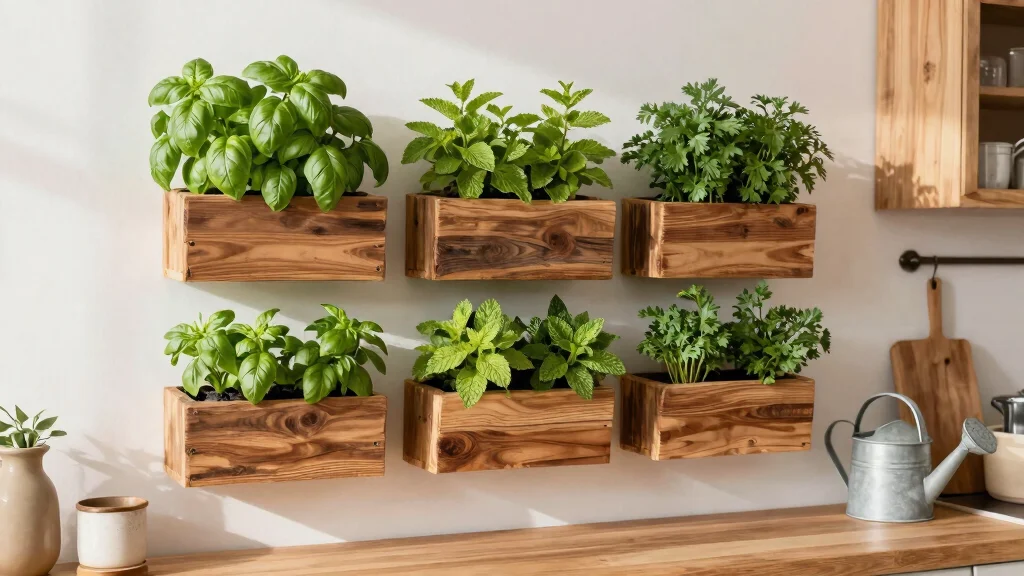
Searching for a sprout that’s rich in protein? Lentils are the perfect pick! These little powerhouses are loaded with fiber, iron, and essential vitamins, making them a nutritious choice. Start by soaking lentil seeds for 8-12 hours, then rinse them a few times daily. Within just a few days, they’ll sprout and be ready to eat. Here’s how to incorporate them into your meals:
– Toss them into salads for a protein boost.
– Blend them into veggie burger mixes.
– Use them in stir-fries for hearty texture.
Lentil sprouts are incredibly versatile and can enhance a variety of dishes!
You might also like
Lentil Sprouts: Protein Powerhouse
Editor’s Choice
Premium Sprouting Jar Kit, 2Pack Wide Mouth Mason Jars with Mesh Sprouti…

Yupik Organic Green Lentils, 2.2 lb (35.2 oz), Non-GMO, Vegan, Gluten-Fr…

SUNPRO 2-Pack Seed Sprouter Tray with Humidity Lid, BPA Free Food Grade …
6. Pea Shoots: Sweet and Crunchy
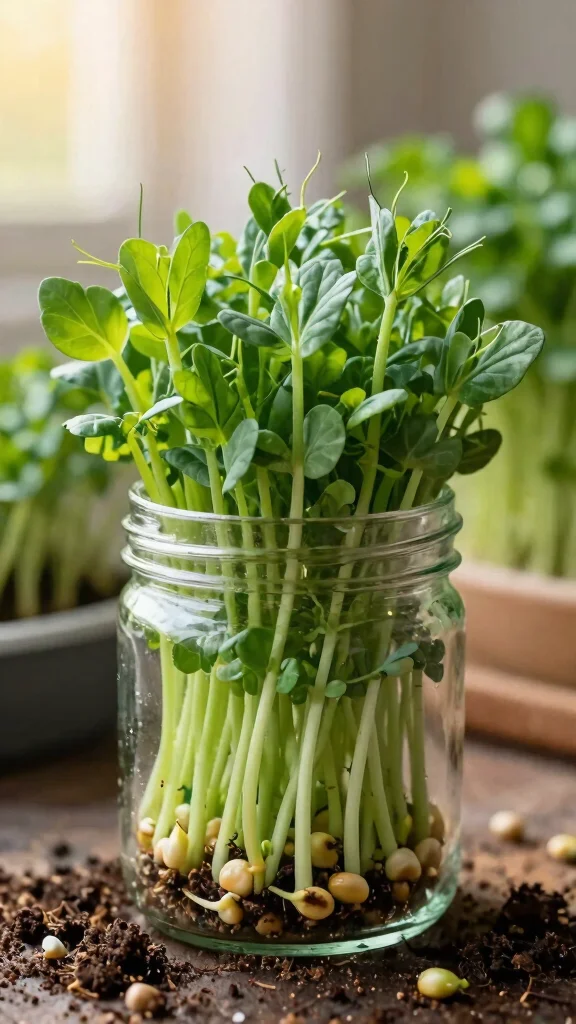
Do you crave something sweet and crunchy? Pea shoots are a delightful option! With their fresh flavor reminiscent of sweet peas, they’re also simple to grow indoors. Just soak the seeds overnight, plant them in soil, and keep them moist. In about 10 days, you’ll have tender shoots ready to enjoy. Here are some delicious ways to use them:
– Add them to salads for a sweet crunch.
– Toss into stir-fries for added flavor.
– Blend into smoothies or soups for a nutrient boost.
Pea shoots are not only tasty but also add a lovely touch to your plates!
Fun fact: Seed sprouting can turn tiny spaces into tasty harvests—pea shoots are ready in about 10 days. In small spaces, just soak, plant in soil, and keep moist; you’ll have sweet, crunchy greens for salads, stir-fries, and smoothies.
Pea Shoots: Sweet and Crunchy
Editor’s Choice

GooingTop LED Grow Light,6000K Full Spectrum Clip Plant Growing Lamp wit…

Organic Snap Pea Seeds (Sugar Daddy) – Approx 75 Seeds – USDA Organic, N…

Melphoe 25Pcs Mini Garden Hand Transplanting Succulent Tools Set, 39.4″ …
7. Radish Sprouts: Peppery and Crisp
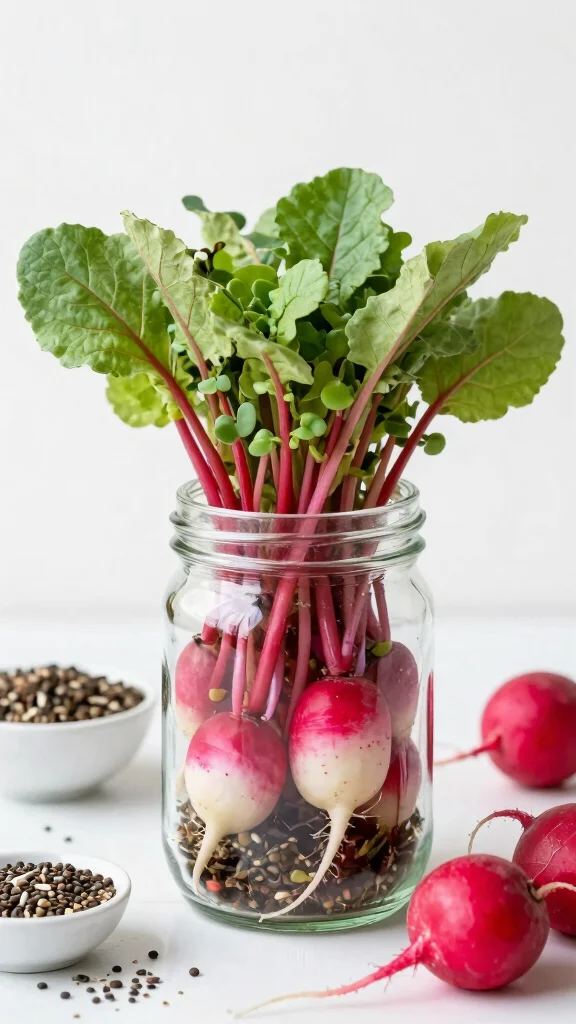
Craving something with a kick? Radish sprouts are the answer! These fast-growing sprouts offer a delightful peppery flavor that can elevate any meal. They’re easy to grow; just soak and rinse regularly, and within about 5 days, you’ll be ready to enjoy their vibrant taste. Here are some ideas for using radish sprouts:
– Add them to sandwiches for a spicy crunch.
– Sprinkle on tacos for a zesty boost.
– Use them as a garnish for soups or salads.
Their crispness and spiciness make radish sprouts a favorite among home gardeners!
Radish Sprouts: Peppery and Crisp
Editor’s Choice
SUNPRO 2-Pack Seed Sprouter Tray with Humidity Lid, BPA Free Food Grade …

Spray Bottle for Plants 2 Pack, 16oz – Ultra Fine Mist, Plant Mister Emp…

Organic Radish Sprout Seeds (16 oz) – Non-GMO, Heirloom Seeds for Spro…
8. Chia Sprouts: Tiny Nutritional Giants
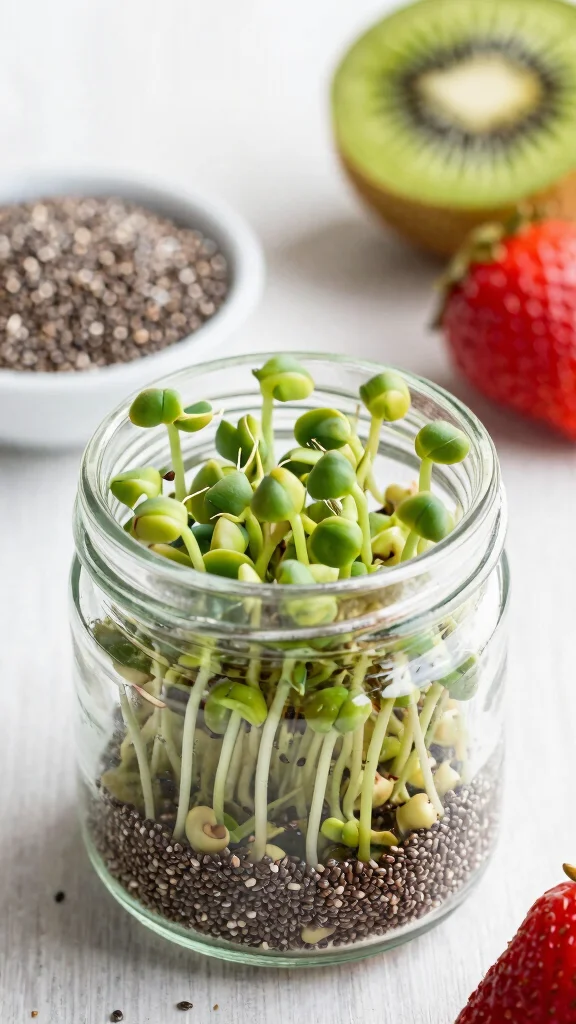
Chia seeds aren’t just for pudding; they can also sprout into delicious greens! Rich in omega-3 fatty acids and fiber, chia sprouts are a nutritional powerhouse. Simply soak the seeds for about 30 minutes, then spread them on a damp paper towel or in soil. In just a week, you’ll have fluffy green sprouts ready for use! Here’s how to enjoy chia sprouts:
– Mix them into salads for added texture.
– Sprinkle on sandwiches for a healthy boost.
– Blend into smoothies for extra nutrients.
These tiny greens deliver big flavor and health benefits, making them an excellent choice for sprouting!
Fun fact: chia sprouts deliver omega-3s and fiber in just a week—soak for 30 minutes, then grow on damp towels or soil. With seed sprouting, you’ll transform tiny seeds into fluffy greens you can add to salads, sandwiches, and smoothies.
You Might Also Like

Chia Sprouts: Tiny Nutritional Giants
Editor’s Choice
4-Tier Seed Sprouting Kit with Drain Holes and Drain Tray, Upgrade Stack…

Organic Black Chia Sprouting Seeds – 1 Lb ~304,000 Seeds – Non-GMO, …

Ahopegarden Indoor Garden Hydroponics Growing System: 10 Pods Plant Germ…
9. Mung Bean Sprouts: Versatile and Crunchy
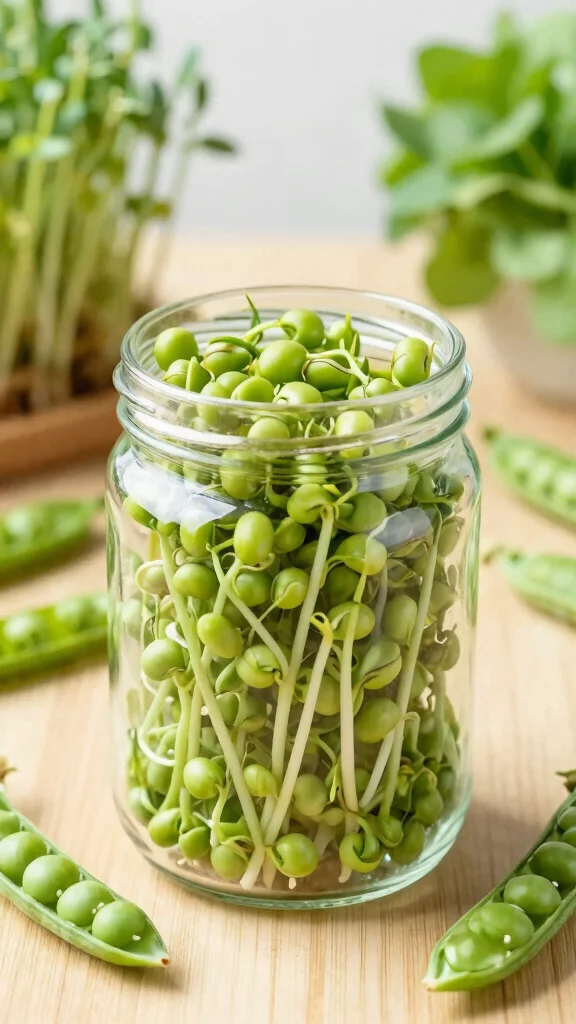
Looking for a versatile sprout? Mung bean sprouts fit the bill! These crunchy, juicy sprouts are a staple in many cuisines and are rich in vitamins and minerals. To grow them, soak the beans overnight, rinse, and drain them twice a day. In about 3-4 days, you’ll have fresh mung bean sprouts ready to use! Here are some tasty ideas:
– Add them to stir-fries for a satisfying crunch.
– Toss into salads for refreshing texture.
– Blend into smoothies for a protein boost.
Their versatility makes mung bean sprouts a perfect addition to any culinary creation!
Mung Bean Sprouts: Versatile and Crunchy
Editor’s Choice

Yupik Organic Mung Beans, 2.2 lb (35.3 oz), USDA Certified, Kosher, Glut…
4-Tier Seed Sprouting Kit with Drain Holes and Drain Tray, Upgrade Stack…

Seed Sprouting Kit with Mung Beans 80g, 2 Large Wide Mouth Mason Jars wi…
Conclusion
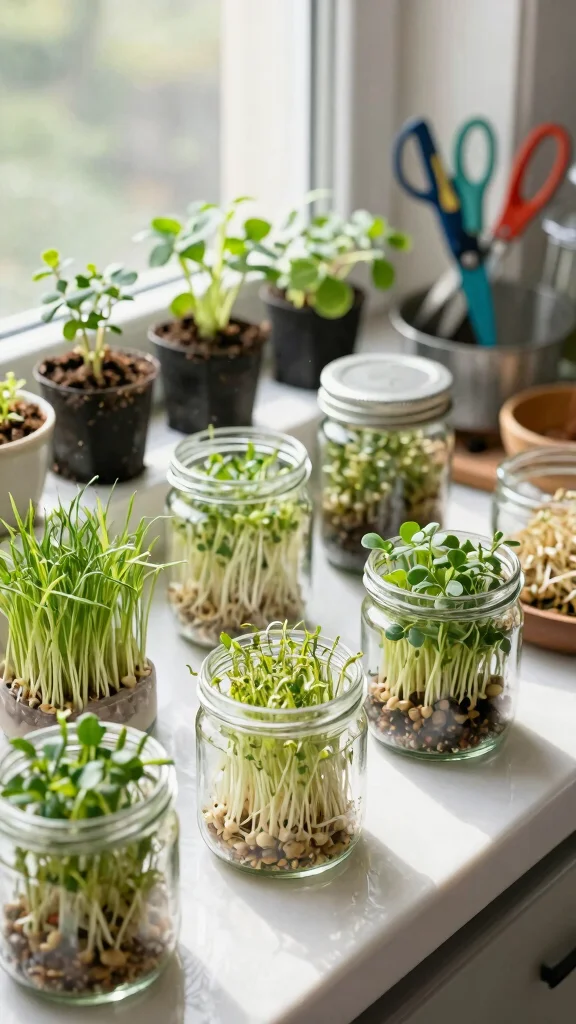
Sprouting seeds at home opens up a world of freshness and flavor right in your kitchen.
With just a few supplies and some patience, you can enjoy a variety of nutritious sprouts that will elevate your meals.
Whether you’re new to gardening or an experienced pro, these ideas make it simple to enjoy the benefits of home gardening in any small space.
Note: We aim to provide accurate product links, but some may occasionally expire or become unavailable. If this happens, please search directly on Amazon for the product or a suitable alternative.
This post contains Amazon affiliate links, meaning we may earn a small commission if you purchase through our links, at no extra cost to you.
Frequently Asked Questions
What are the best seeds for seed sprouting in small urban spaces?
For urban seed sprouting in small spaces, start with these nutritious seeds: mung beans, alfalfa, broccoli, radish, and lentils. They sprout quickly and don’t need a lot of room.
How to start: use a simple jar sprouting setup, rinse and drain twice daily, and soak times of about 8–12 hours for beans (longer soak) and 4–6 hours for smaller seeds. Keep the jar in bright indirect light or under a compact grow light for best results.
Harvest is usually ready in 3–7 days, and sprouts can be stored in the fridge for 3–5 days. This approach fits easily into home gardening for busy urban dwellers.
How can I start seed sprouting at home with minimal sunlight?
You can absolutely grow sprouts with limited sunlight. Start with quick sprouting seeds like mung beans and radish in a jar, then move to a shallow tray if you want a bigger harvest.
Place your setup in a bright spot near a window or use a small indoor sprouts light or LED lamp. Aim for at least a few hours of bright light daily, or provide a consistent grow-light schedule to mimic sun.
Keep temps around 65–75°F (18–24°C) and rinse twice daily to maintain moist but not soggy conditions. This is a smart easy gardening tip for home gardening in compact spaces.
What are the different sprouting techniques and which is best for beginners?
There are a few common sprouting techniques to choose from: the jar method with a mesh lid, the shallow tray method for larger quantities, and specialized sprout bags. For beginners, the jar method is the simplest and most versatile.
Jar method: layer seeds, soak, then rinse and drain twice daily. Tray method: spread evenly on damp medium and rinse; harvest when roots and shoots reach the desired length. Sprout bags work well for small-batch, high-nutrition sprouts but require a bit more setup.
Start with the jar method, then experiment as you get comfortable with seed sprouting for your space.
How long do sprouts take to grow and how can I tell they are safe to eat?
Timelines vary by seed, but here are common ranges: mung beans 3–5 days, alfalfa 3–5 days, broccoli sprouts 4–6 days, radish sprouts 4–6 days, lentil sprouts 4–7 days. Look for uniform green shoots with no slime or sour smell.
Safety tips: rinse thoroughly, use clean jars and lids, and don’t leave sprouts at room temperature for extended periods. Store in the fridge and use within 3–5 days. If you notice an off odor, unusual color, or sliminess, discard them. Following these practices helps you enjoy nutritious sprouts safely as part of your home gardening routine.
How can I use and store homegrown sprouts to maximize nutrition and flavor?
Sprouts are incredibly versatile in meals. Try crunchy salads, grain bowls, sandwiches, wraps, or blended into smoothies for a nutrition boost.
Storage tip: keep sprouts in a glass container with a breathable lid or a damp paper towel to retain moisture; rinse before use. Batch sprouting a small amount every few days keeps a fresh supply without waste. These easy gardening tips help you integrate seed sprouting into daily meals and keep your home gardening thriving.
Related Topics
seed sprouting
home gardening
indoor sprouts
nutritious seeds
sprouting techniques
easy gardening tips
urban gardening
small space gardening
beginner friendly
fast growing
healthy eating
sustainable living