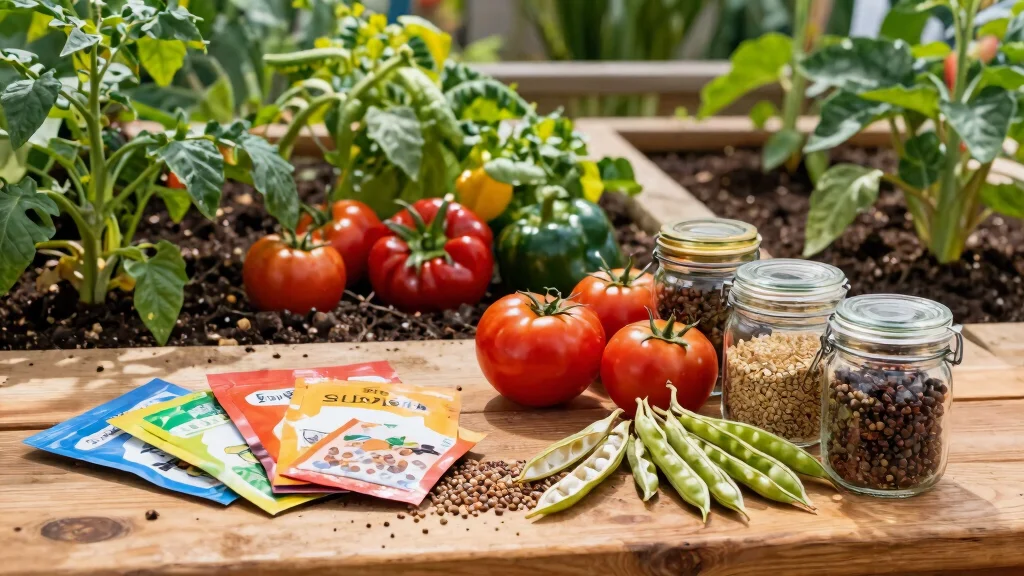
As the gardening season approaches, many of us are thinking about our favorite plants. There’s something special about growing your own food and nurturing a garden filled with heirloom varieties that have been passed down through generations. This post is all about the joy of seed saving. It’s a way to ensure that your beloved plants come back year after year while also contributing to sustainable gardening practices. If you’ve ever wondered how to keep your favorite veggies thriving or want to learn more about plant propagation, you’re in the right place.
This guide is designed for anyone who loves gardening, especially those passionate about heirloom seeds. Whether you’re a seasoned gardener or just starting out, the tips we’ve gathered will help you preserve your plants. You’ll discover practical insights that not only protect your plants but also enhance your garden’s diversity. By the end of this post, you’ll have actionable strategies that will make seed saving feel like a rewarding treasure hunt.
Get ready to dive into eight essential seed saving tips that will empower you to cultivate your garden with confidence. From selecting the right plants to storing seeds in the best conditions, you’ll learn the nuances that can make all the difference in your gardening journey. Plus, you’ll find out how sharing seeds with friends can create a stronger gardening community while enriching your garden.
Key Takeaways
– Choose the Right Plants: Select heirloom varieties that are well-suited to your climate and garden space for the best results.
– Timing is Everything: Understand the right moment to harvest seeds to ensure maximum viability and germination rates.
– Gather and Clean Seeds Carefully: Follow best practices for collecting and cleaning seeds to prevent mold or damage.
– Store Seeds in Suitable Conditions: Keep your seeds dry and cool to maintain their lifespan and potency until the next planting season.
– Keep Learning and Experimenting: Stay curious and try new techniques to improve your seed saving skills and garden diversity.
1. Choose the Right Plants
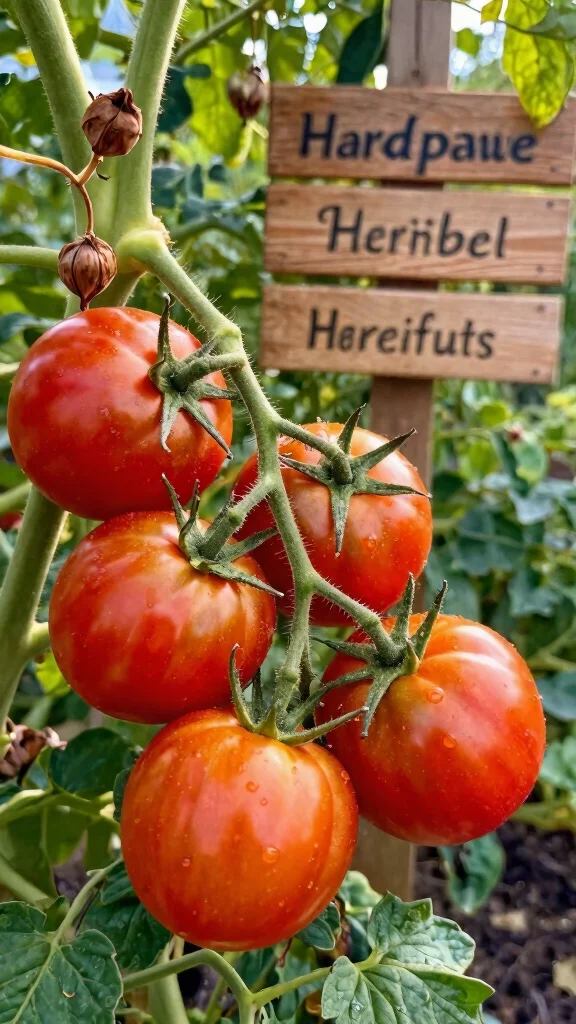
Are you ready to start saving seeds? Choosing the right plants is your first step to success. Heirloom varieties are your best bet. They are open-pollinated and can be saved for future planting. This means you can enjoy your favorite flavors year after year.
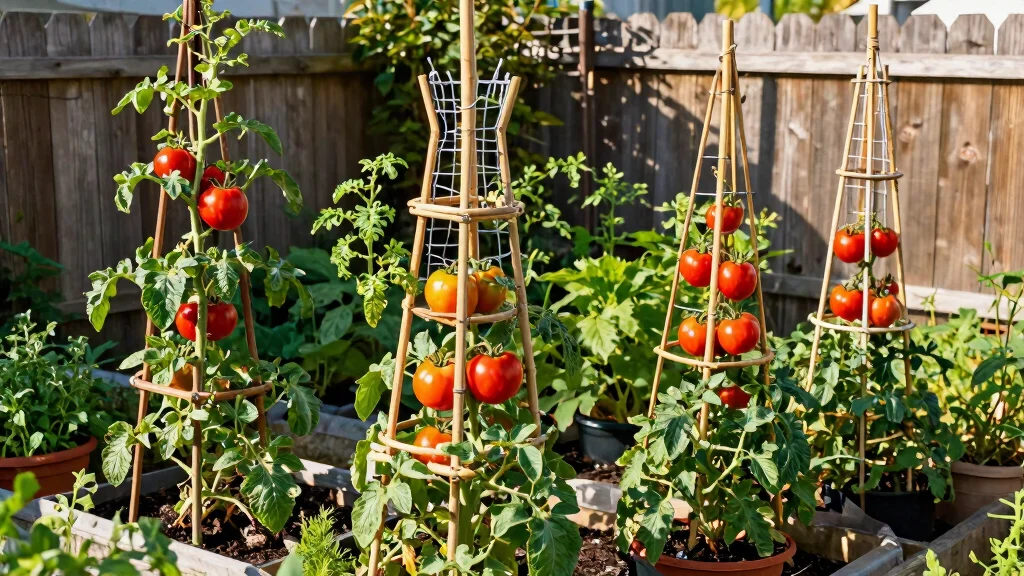
Opt for plants that are simple to propagate, like tomatoes, beans, and peppers. Stay away from hybrids, as they may not produce true-to-type offspring. It’s also important to consider how well these plants thrive in your local climate. Healthy, abundant plants not only yield more seeds but also enhance your gardening experience. Keep a list of your favorite heirlooms to guide you on your seed-saving adventure!
Choose the Right Plants
Editor’s Choice

Seed Saving Journal: Garden Seed Collection, Storage & Planting Record Book


Gamma2 Vittles Vault Dog Food Storage Container with Airtight Lid, holds…

70 Slots Seed Storage Organizer, Garden Seeds Saver kit Seed Organizer w…
2. Timing is Everything
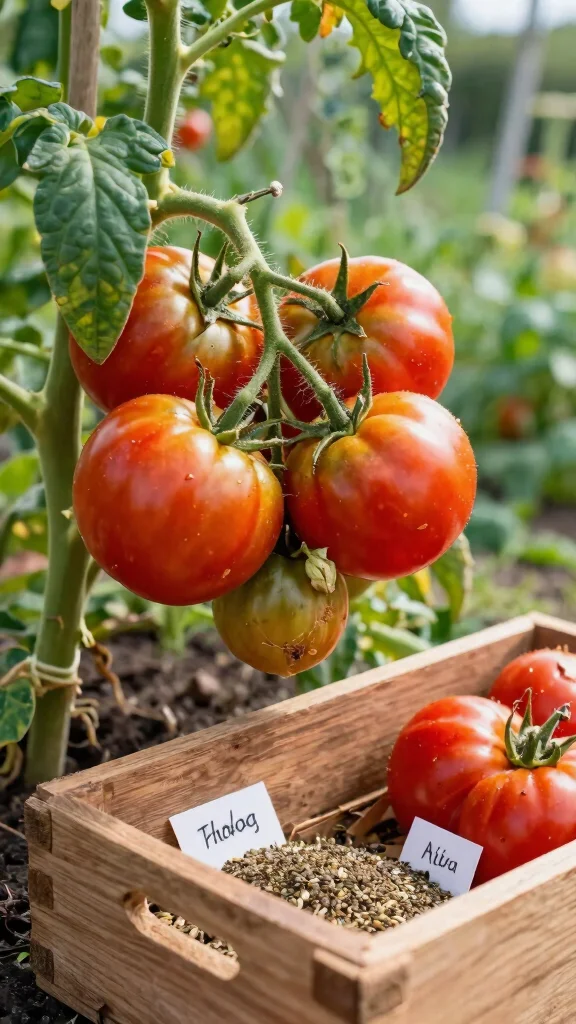
Timing can make or break your seed-saving efforts. Each plant species has its own timeline for when seeds are ripe and ready to be harvested. Look out for dry seed pods or fruit to know when it’s time.
For instance, pick tomatoes only when fully ripe, while peas should be harvested once the pods dry. Keep an eye on your plants and mark your calendar to catch them at the perfect moment. If you wait too long, the seeds may not be viable, so patience is essential. Properly drying your seeds before storage will also help them last longer!
Timing is Everything
Editor’s Choice

150pcs Seed Saving Envelopes, 4.7×3.1 Inch Reusable Seed Kraft Storage O…

Clever Fox Gardener’s Journal – Guided Gardening Notebook to Plant V…

4 Pack Adjustable Hand Hold Sowing Seeds Dispenser, Seedlings Dibber and…
3. Gather and Clean Seeds Carefully
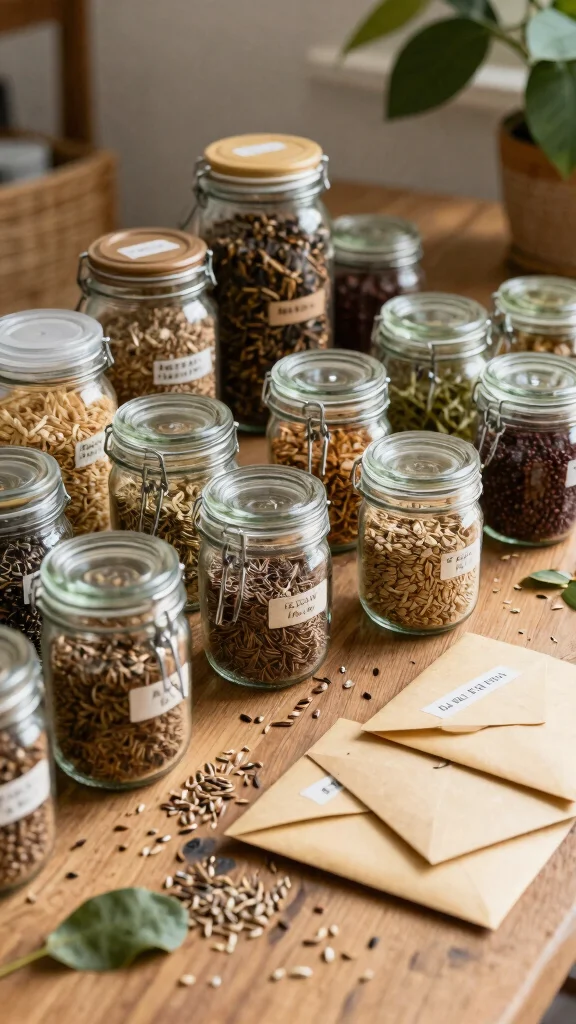
After harvesting, cleaning your seeds is crucial for future success. Start by placing your seeds in a clean, dry container, and remove any debris like dried petals or leaves.
For tiny seeds, a fine mesh strainer works wonders, while larger seeds can be wiped clean with a damp cloth. Don’t forget to label your seeds with their variety and the collection date. This organization helps you remember what to plant later! Consider using labeled envelopes or jars to keep your seeds tidy and easy to find when planting season arrives.
Gather and Clean Seeds Carefully
Editor’s Choice

Hovico 25 oz Glass Jars With Airtight Lids And Leak Proof Rubber Gasket,…
150pcs Seed Saving Envelopes, 4.7×3.1 Inch Reusable Seed Kraft Storage O…

Juvale Stainless Steel Fine Mesh Strainer – Durable Rust-Resistant Mesh …
4. Dry Your Seeds Properly
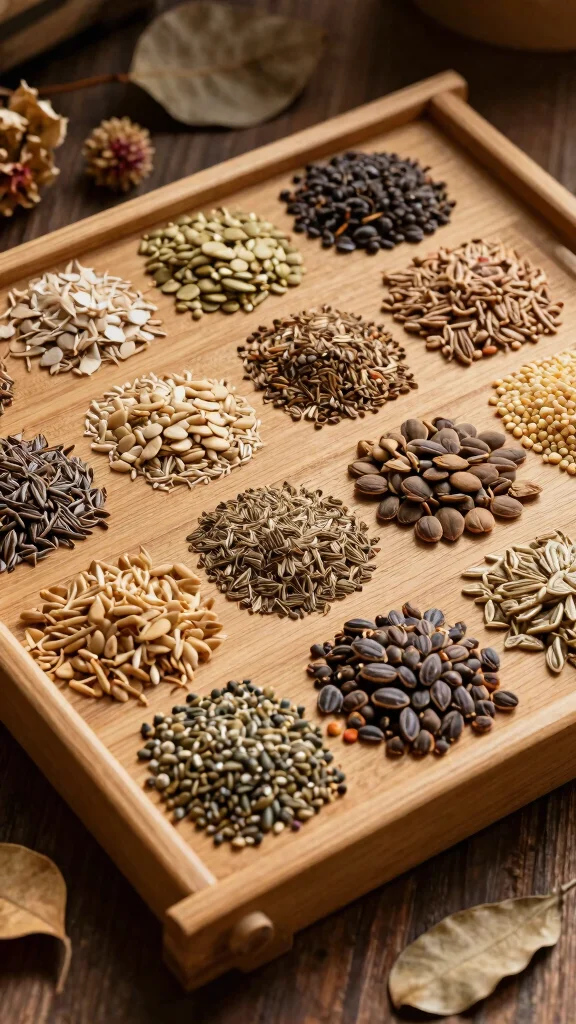
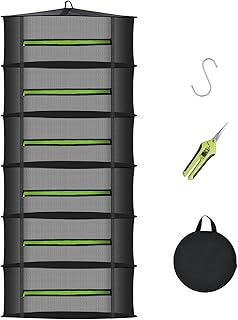
Properly drying your seeds is a must to prevent spoilage. Spread them out in a single layer on a clean surface, like a screen or paper towel, and let them dry in a cool, ventilated area away from sunlight.
This drying process can take a few days to a couple of weeks, depending on the seed type and humidity. To check if they’re dry, try the ‘snap’ test—if they break easily, they’re ready! Store your dried seeds in moisture-proof containers, like glass jars or vacuum-sealed bags, to keep them safe for the long haul.
Fun fact: properly dried seeds can stay viable for up to 5 years when kept in moisture-proof containers. For smart seed saving, a single-layer air-dry spread in a cool, ventilated spot boosts germination and cuts spoilage.
You might also like

Dry Your Seeds Properly
Editor’s Choice

38 Slots Seed Storage Organizer Box with Insulated Bag That Holds 80-200…

MegaWise Vacuum Sealer Machine | 80kPa Suction Power| Bags and Cutter In…
MEKOLIFE Herb Drying Rack with Mesh Design, Hanging Drying Rack with Gre…
5. Store Seeds in Suitable Conditions
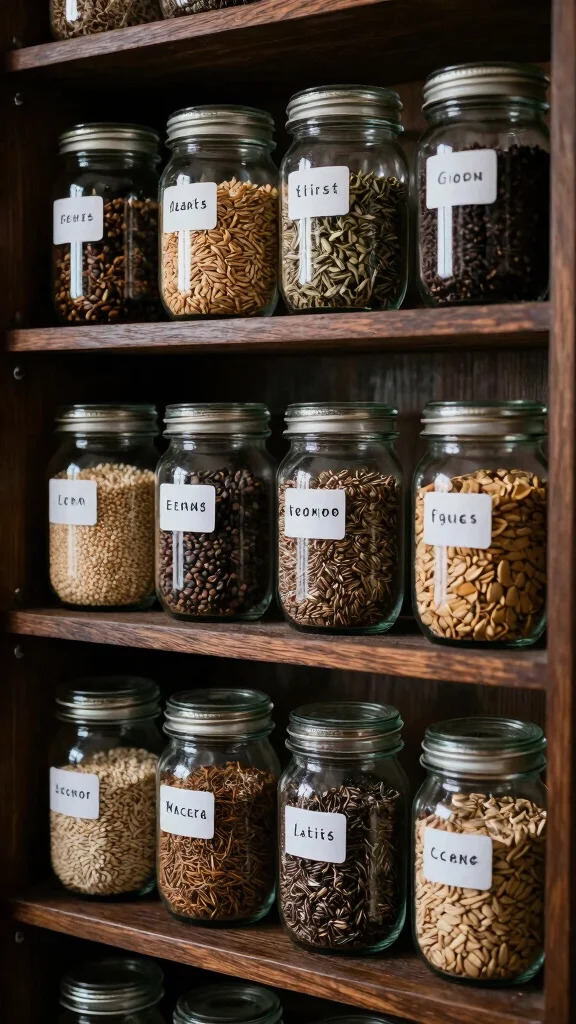
How you store your seeds is key to their longevity. Ideal storage conditions involve keeping seeds cool, dark, and dry.
Basements or refrigerators are excellent for long-term storage since they maintain consistent temperatures. Use airtight containers to keep moisture and pests at bay. If you’re using paper envelopes, consider placing them inside a glass jar for extra protection. Avoid storing seeds in warm places, like pantry shelves near ovens. Keeping a seed catalog detailing each type and its planting date will make your gardening season much smoother!
Did you know that proper seed saving in a cool, dark, dry space can keep seeds viable for 2-5 years? Basements or refrigerators maintain steady temps, and airtight containers shield against moisture and pests. Glass jars inside paper envelopes add extra protection—avoid warm shelves near ovens.
Store Seeds in Suitable Conditions
Editor’s Choice

5 Gram (50 Pack) Color-Indicating Silica Gel Packets, Premium Food Grade…

ComSaf 3-Pack 78oz Large Square Airtight Glass Jars for Bulk Food, Holds…
150pcs Seed Saving Envelopes, 4.7×3.1 Inch Reusable Seed Kraft Storage O…
6. Know the Lifespan of Your Seeds
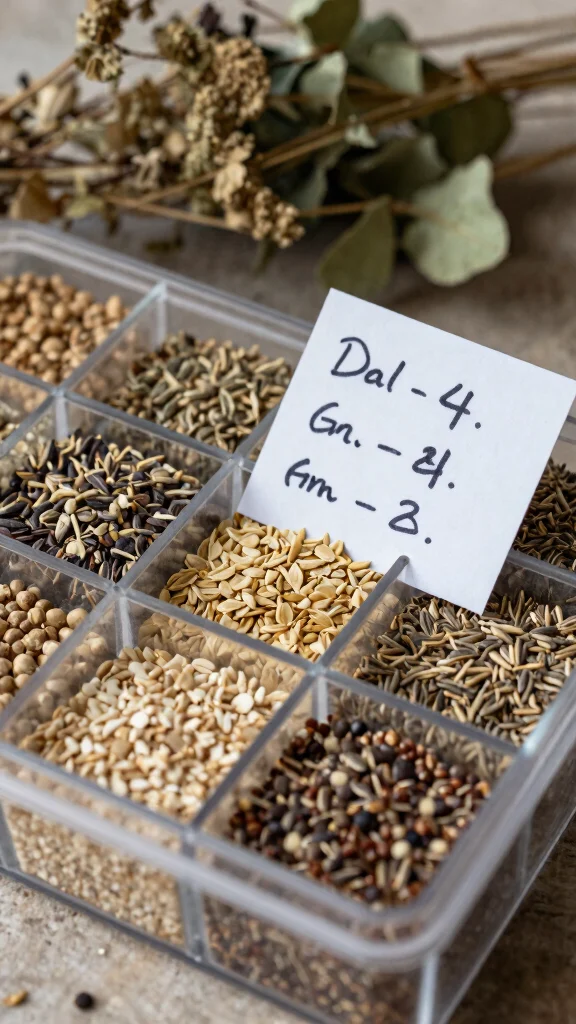
Understanding the lifespan of your seeds is vital for a thriving garden. Smaller seeds often have shorter shelf lives, while larger seeds like beans and peas can last several years.
Track when you save your seeds and their expected viability to maximize your garden’s potential. A reference chart can help you keep tabs on how long to store seeds before they lose their germination ability. Don’t shy away from testing older seeds; they may still surprise you! Just remember, if they don’t sprout, it’s time to replace them.
Fun fact: Smaller seeds often stay viable for only 1-2 years, while beans and peas can last 4-6 years with proper storage. Track seed viability and test older batches—you might be surprised by germination, and a quick chart keeps your seed saving on track.
📹 Related Video: Best Way to Store Seeds & How Old is TOO Old?
Know the Lifespan of Your Seeds
Editor’s Choice
38 Slots Seed Storage Organizer Box with Insulated Bag That Holds 80-200…

The Seed Collector’s Kit: Collect – Sow – Grow – Harvest: Plant your gar…

Ball Culture Guide: The Encyclopedia of Seed Germination
7. Share and Exchange Seeds with Friends
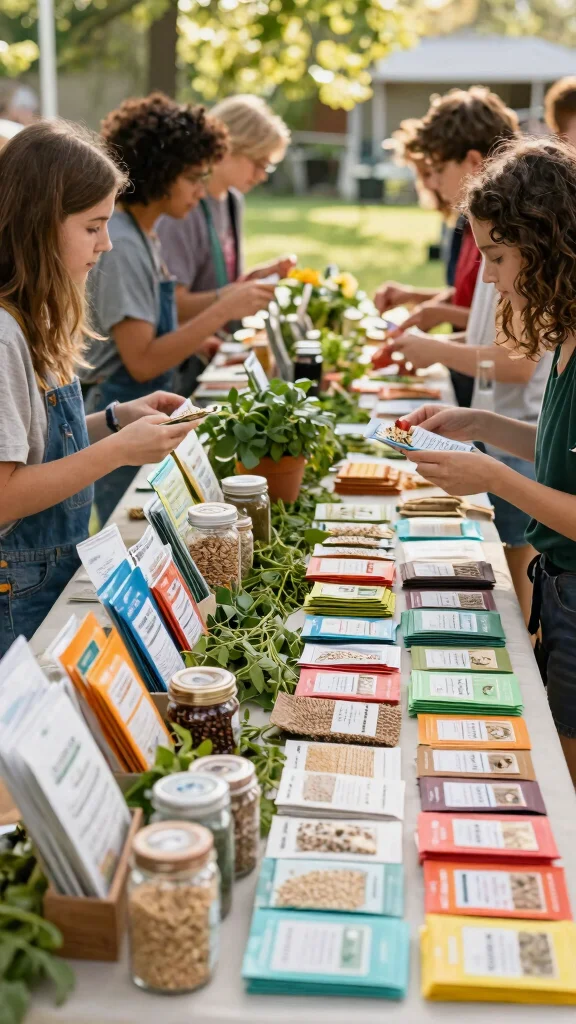
Seed saving can be a wonderful community experience! Sharing seeds with friends and fellow gardeners enriches your garden’s diversity and introduces you to new varieties.
Join local gardening clubs or online communities that host seed exchanges. This not only helps you acquire unique heirloom seeds but also builds connections within your gardening community. Organizing seed swaps can be a fun and educational event where you share stories and tips on seed saving. You’ll exchange more than just seeds; you’ll share valuable gardening knowledge!
You Might Also Like

Share and Exchange Seeds with Friends
Editor’s Choice

Plant Labels, Outdoor Waterproof Garden Markers, Plastic Nursery Seed Pl…

55 Vegetable Seeds Variety Pack – 35,600+ Non-GMO Heirloom Seeds for Pla…
38 Slots Seed Storage Organizer Box with Insulated Bag That Holds 80-200…
8. Keep Learning and Experimenting
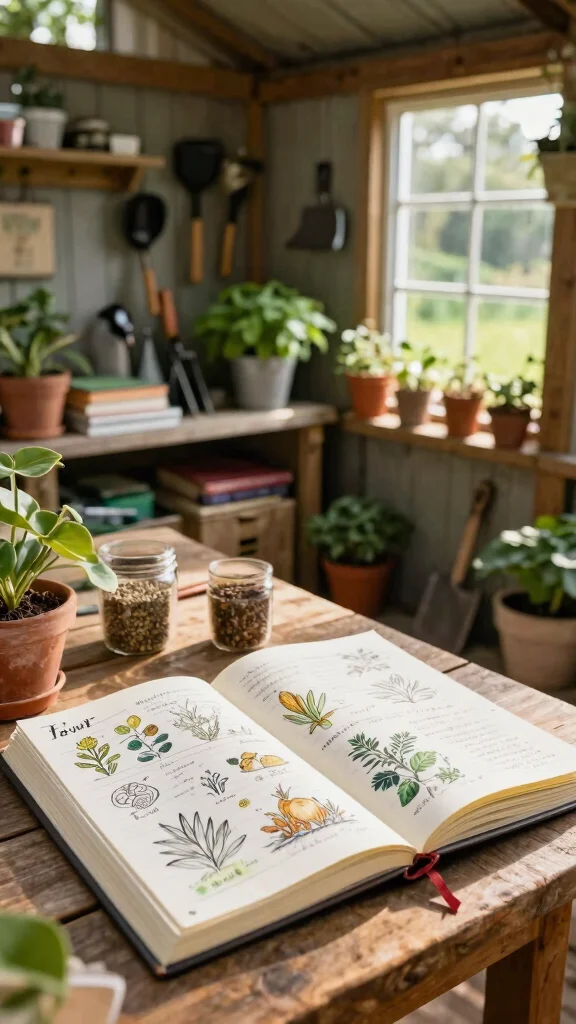
Seed saving is an art that improves with experience. Keep researching best practices, attending gardening workshops, and experimenting with different plants.
Every season brings fresh opportunities to enhance your skills and knowledge. Don’t hesitate to try different varieties and propagation methods. Testing various storage techniques and observing the outcomes will help you discover what works best for you. Keeping a journal to track your successes and challenges will deepen your connection with your beloved plants and foster your growth as a gardener.
How To Choose The Right Seeds For Saving
When it comes to seed saving, choosing the right plants is crucial for preserving your favorite varieties from year to year. Here are some guidelines to help you make the best selections for your garden.
1. Heirloom Seeds
Heirloom seeds are the gold standard for seed saving. These seeds have been passed down through generations, making them stable and true to type. Choose heirloom varieties because they often have better flavor, diversity, and resilience compared to hybrid seeds. You’ll enjoy the satisfaction of growing plants that have a rich history.
2. Disease Resistance
Select plants known for their resistance to common diseases in your area. This will ensure that you have healthier plants that can withstand local pests and diseases. Research and buy seeds from reputable suppliers that provide this information. Healthy plants will yield better seeds for future growth.
3. Local Adaptation
Choose seeds that thrive in your local climate. Plants adapted to your region are more likely to produce well, resist pests, and survive local weather conditions. Look for seed varieties that are recommended by local gardening clubs or extension services. These resources often highlight varieties that perform best in your specific environment.
4. Flavor and Purpose
Consider what you want from your plants. Are you looking for great taste, high yields, or specific culinary uses? Choose varieties that match your cooking style and preferences. For example, if you love fresh salads, select flavorful leaf lettuces or tomatoes. Always prioritize seeds that align with your gardening goals.
5. Growth Habits
Different plants have various growth habits that affect how they’ll fit in your garden. For instance, some plants are bushy, while others are vining. Understanding the space they require will help you organize your garden layout effectively. This planning ensures that you maximize space and sunlight for all your plants.
6. Seed Lifespan
Be aware of how long different seeds remain viable. Most seeds last between 1 to 5 years if stored correctly. However, some seeds, like onion or parsnip, have shorter lifespans. Research the specific seeds you choose, and plan to save and use those with longer viability to ensure a steady supply year after year.
Pro Tip: Always keep a garden journal! Document which varieties you grow, their performance, and any pest issues. This information will help you refine your choices in future seasons, making your seed saving endeavors even more successful. By taking careful notes, you can track what works best in your garden and continuously improve your selection for the following year. 🌱
Keep Learning and Experimenting
Editor’s Choice
70 Slots Seed Storage Organizer, Garden Seeds Saver kit Seed Organizer w…


Seed to Seed: Seed Saving and Growing Techniques for Vegetable Gardeners…
Conclusion
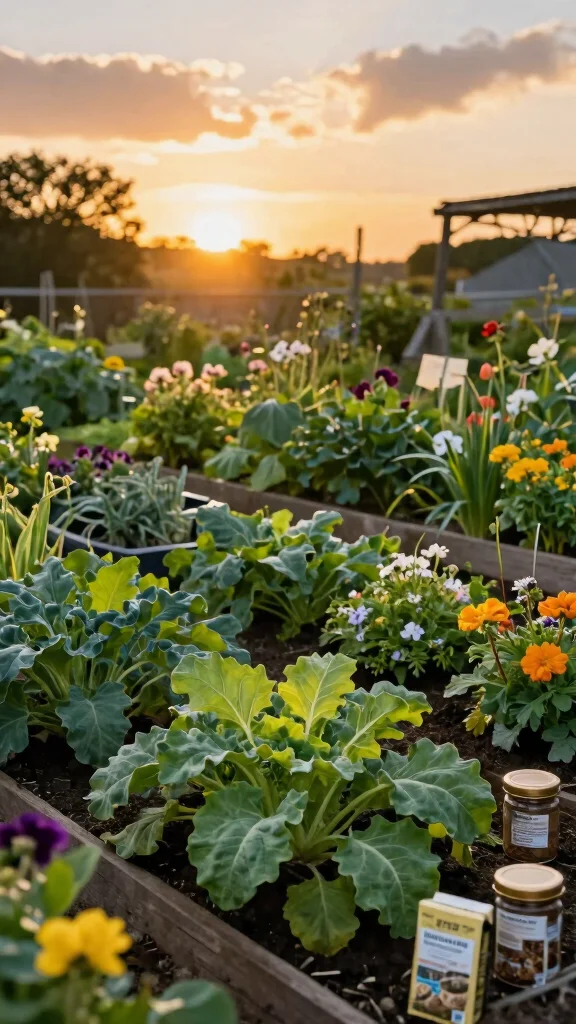
Seed saving is a rewarding practice that strengthens your garden, your connection to nature, and your sustainable living efforts.
By following these tips, you’re not just preserving seeds but nurturing a legacy that can be passed down through generations.
Embrace the joy of gardening and the beauty of heirloom plants, and you’ll find that every season brings fresh opportunities for growth and discovery.
Note: We aim to provide accurate product links, but some may occasionally expire or become unavailable. If this happens, please search directly on Amazon for the product or a suitable alternative.
This post contains Amazon affiliate links, meaning we may earn a small commission if you purchase through our links, at no extra cost to you.
Frequently Asked Questions
What is seed saving and why is it important for heirloom seeds?
Seed saving is the practice of collecting seeds from your garden to plant again next season. It matters for heirloom seeds and garden preservation because it protects genetic diversity and keeps varieties true to type. To get started, choose open-pollinated varieties, collect seeds from fully mature fruits, clean and dry the seeds, and label them with the variety and year. For many vegetables, you may need to ferment (like tomatoes) to remove gel, then dry completely before storing. Use practical seed storage techniques such as breathable envelopes or small jars with a desiccant. Avoid saving from hybrids if you want reliable, true-to-type offspring.
How can I choose parent plants to maximize success in plant propagation and seed quality?
Begin with healthy, disease-free plants and prefer open-pollinated heirloom seeds to keep varieties stable. Look for vigor, flavor, and consistent fruit set as your plant propagation goals. Isolate or bag blossoms to prevent unintended cross-pollination, especially with related varieties, and save seeds from the best performers. Keep simple notes on each plant so you can repeat successes year after year as part of garden preservation and seed saving.
What are the best seed storage techniques for keeping seeds viable for years?
Dry seeds thoroughly to a moisture level of about 8-12% (air-dry for about a week or two). Then choose storage containers: paper envelopes for short-term use, or glass jars with a desiccant pack for longer-term storage. Keep seeds in a cool, dark place; for extended storage, refrigerate or freeze in moisture-controlled conditions. Always label with variety and year, and consider a quick germination test before planting to gauge viability.
How do I save seeds from common heirloom vegetables at home?
Start by letting fruits fully mature on the plant, then collect seeds on a dry day. For tomatoes, scoop seeds, ferment to remove the gel, rinse, and dry completely before storage. For beans and peas, let pods dry on the plant until seeds harden, then shell and dry thoroughly. For peppers and cucumbers, harvest ripe fruits and dry their seeds completely before storing. Label each batch and store in a cool, dark place for best results.
What mistakes should I avoid to ensure sustainable gardening and garden preservation with seed saving?
Common missteps include failing to label seeds, saving from diseased plants, or saving from hybrids that won’t breed true to type. Don’t neglect drying seeds fully or store in humid conditions, which invites mold and lowers viability. Avoid cross-pollination by isolating varieties or bagging blooms when needed. Finally, maintain a diverse seed mix and practice ongoing selection to support sustainable gardening and garden preservation year after year.
Related Topics
seed saving
heirloom seeds
plant propagation
sustainable gardening
garden preservation
seed storage techniques
beginner friendly
advanced gardening
seasonal seeds
organic gardening
home gardening
eco-friendly practices