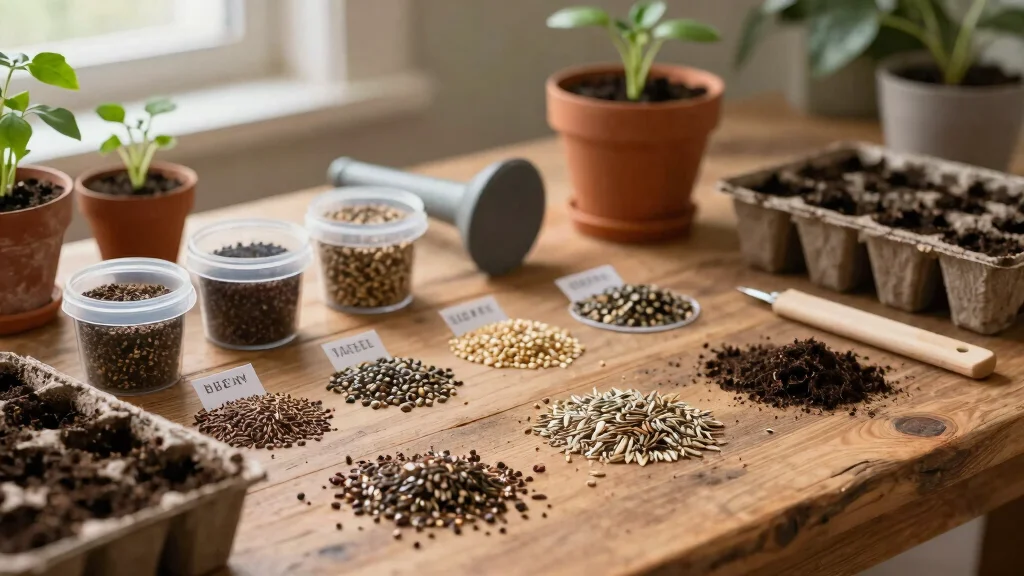
Growing your own plants from seeds can be a rewarding experience, especially when you witness them sprouting and thriving right in your home. This post was inspired by the excitement and challenges that indoor gardening often brings. Whether you’re an urban gardener with limited space or someone simply looking to add some greenery to your living room, you might have found yourself frustrated when seeds fail to germinate. It can feel disheartening when you’ve put in the time and effort, only to see nothing sprout. That’s why I’ve put together this guide on seed germination tips—because I want to help you unlock the secrets to getting those seeds to sprout successfully.
If you’re passionate about indoor gardening and are eager to learn how to cultivate healthy seedlings, this guide is for you. You’ll discover essential techniques and practical advice that will make your gardening journey smoother and more enjoyable. From selecting the right seeds to mastering the watering techniques, I’ve gathered seven actionable tips that are easy to follow and perfect for anyone looking to improve their green thumb. You’ll be empowered to create a thriving indoor garden that’ll bring life to your space.
Let’s dive into these straightforward yet effective seed germination tips, and turn that seed packet into a garden full of life and beauty!
Key Takeaways
– Choose Quality Seeds: Always opt for seeds from reputable suppliers to ensure high germination rates and healthy plants. Look for seeds that are fresh and suited to your indoor environment.
– Perfect the Soil Mix: Use a well-draining soil mix that retains moisture but does not become waterlogged. This balance is crucial for encouraging strong root growth in seedlings.
– Control Temperature and Humidity: Maintain an ideal temperature range of 65-75°F and keep humidity levels consistent. A seedling heat mat can help provide the warmth your seeds need to sprout.
– Water Wisely: Water your seeds gently and avoid over-watering. A spray bottle can be an excellent tool for providing moisture without disturbing the soil.
– Utilize Growing Lights: If natural light is limited, invest in grow lights to provide adequate light for your seedlings. This can prevent leggy growth and promote healthy plant development.
1. Choose Quality Seeds

Selecting quality seeds is essential for your gardening success. When you choose seeds from trusted sources, you’re setting the stage for healthy plant growth. Look for heirloom or organic seeds that thrive indoors, as these often have better germination rates and resilience against pests.
Prioritize fresh seeds, as they typically sprout more effectively. Research each seed’s specific requirements for light, temperature, and moisture to ensure they flourish. Consider varieties known for indoor gardening, like herbs, lettuces, and compact vegetables.
Key factors to consider when selecting seeds:
– Check the expiration date to ensure freshness.
– Investigate the ideal growing conditions for your chosen seeds.
– Opt for seeds that are proven to thrive indoors.
Quality seeds lead to robust plants and satisfying gardening experiences. You’ll enjoy watching your seedlings grow strong and vibrant!
Did you know fresh seeds from trusted sources can boost seed germination by up to 25% indoors? Choose heirloom or organic varieties, and research light, temperature, and moisture needs to help it sprout quickly.
How To Choose Quality Seeds
Choosing quality seeds is the first step to successful seed germination. Not all seeds are created equal, and the right selection can make a significant difference in your indoor gardening success. Here’s how to pick the best seeds for your home garden:
1. Check the Seed Packet
Before buying, read the seed packet carefully. Look for the seed variety, germination rate, and the expiration date. Fresh seeds typically have higher germination rates. Aim for seeds that are less than a year old for the best chance of sprouting.
2. Opt for Organic Seeds
Choose organic seeds whenever possible. These seeds are grown without synthetic pesticides or fertilizers, promoting healthier plants. Organic seeds are often more resilient and better suited for home gardening. Plus, they can be a safer choice for your indoor environment.
3. Select Disease-Resistant Varieties
Different seed varieties can have different levels of disease resistance. Research which types thrive in your climate and conditions. Look for seeds labeled as “disease-resistant” to increase your chances of a healthy crop. This is particularly important for beginners to avoid frustration with common plant diseases.
4. Consider Your Growing Conditions
Think about your indoor space and light conditions. Some seeds require more light than others. If your space lacks natural light, consider varieties that tolerate lower light levels, such as lettuce or spinach. Always choose seeds that fit well with your available environment to maximize their growth potential.
5. Variety Matters
When selecting seeds, consider what you will enjoy growing and eating. Choose a mix of easy-to-grow plants and those that offer a challenge. This variety not only keeps your garden interesting but also allows you to experiment with different germination techniques. You might want to try a few herbs alongside larger plants like tomatoes or peppers.
6. Buy from Reputable Sources
Purchase seeds from trusted garden centers or online retailers. Look for reviews and ratings to ensure that the seeds are high quality. Avoid buying seeds from unknown sources, as this can lead to receiving damaged or outdated seeds that are less likely to germinate successfully.
Pro Tip: Keep a log of your seed purchases and the results. Note which varieties performed well and which didn’t. This will help you make informed choices for your next planting season! 📒🌱
2. Perfect the Soil Mix

A well-crafted soil mix is vital for seed germination success. Utilizing a light and well-draining mixture prevents seeds from rotting and encourages healthy growth. Seed-starting mixes are specifically designed to provide the right balance of nutrients and moisture retention, making them a great choice.
Create your ideal soil mix by combining ingredients that enhance aeration and nutrition. Add organic matter for an extra nutrient boost and ensure the soil remains moist but not soggy.
Steps to achieve the perfect soil mix:
– Mix equal parts peat moss, vermiculite, and perlite for a light texture.
– Incorporate worm castings or compost to enrich the soil.
– Maintain a moisture level that’s neither too wet nor too dry.
With a perfect soil mix, your seedlings will thrive and flourish, creating a vibrant indoor garden.
Fun fact: a light, well-draining soil mix can boost seed germination rates by up to 30%. When you mix organic matter with extra aeration, seeds stay moist but not soggy, giving roots a jumpstart.
📹 Related Video: How To Make The Best Seed Starting Mix and Potting Soil
3. Control Temperature and Humidity

Temperature and humidity play a crucial role in seed germination. Most seeds thrive in warm conditions, ideally between 65°F and 75°F, making a heating mat a great investment. By providing a stable environment, you can significantly enhance your germination rates.
To maintain optimal conditions, monitor temperature and humidity levels closely. Create a mini-greenhouse effect with covers to trap warmth and moisture. Once seeds sprout, remove the cover to prevent mold issues.
Essential tips for controlling temperature and humidity:
– Use a thermometer to check the seed-starting area.
– Cover trays with clear plastic to retain warmth.
– Utilize a humidity dome to regulate moisture levels.
By managing temperature and humidity effectively, you set your seeds up for a successful start, paving the way for strong growth.
Fun fact: Seed germination hits its sweet spot around 70°F. Use a heating mat or a mini-greenhouse cover to maintain steady warmth and moisture; then uncover once sprouts appear.
Control Temperature and Humidity
Editor’s Choice

VIVOSUN 6-Pack Seed Starter Trays with 10″x20.75″ Seedling Heat Mat, Sel…


CARPATHEN Seed Starter Tray with Grow Lights and Heating Mat – 40 Cell P…
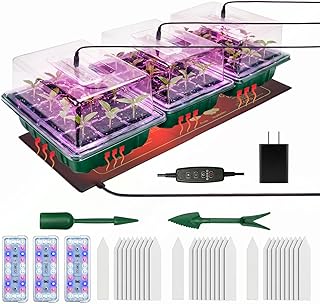
Seed Starter Tray 3 Pack with Heating Mat & 24 Full Spectrum LEDs Grow L…

VIVOSUN 10″x 20.75″ Seedling Heat Mat and Digital Thermostat Combo Set, …

AC Infinity SUNCORE A3X2, Dual Waterproof Seedling Mats with Heat Contro…
4. Water Wisely

Effective watering techniques are vital for successful seed germination. Overwatering can lead to problems, so aim for consistent moisture without saturating the soil. Learning to water properly will help your seeds thrive and develop strong roots.
Choose gentle methods to prevent soil displacement and ensure even moisture distribution. Water when the top layer feels dry, and avoid leaving trays in standing water.
Smart watering practices include:
– Use a spray bottle or gentle watering can for control.
– Water when the soil surface is dry.
– Prevent trays from sitting in water to avoid rot.
By practicing mindful watering, you encourage healthier seedlings and stronger root systems, leading to a flourishing garden.
Water Wisely
Editor’s Choice

FLAIROSOL Botanica Plant Mister Spray Bottle, 24oz / 700 ML Water Spray …

SideKing 0.5 Gallon Electric Spray Bottle Plant Mister for Indoor/Outdoo…

ExtremeMIST High-Performance Garden Sprayer – Ultimate Plant Mister & Sp…

Brass Golden Spray Lianshi can Plant Spay Bottle Inner Flower Spray Mist…

8 Pcs Glass Plant Mister Spray Bottle 200ml Vintage Plant Spritzer Multi…
You might also like

5. Utilize Growing Lights

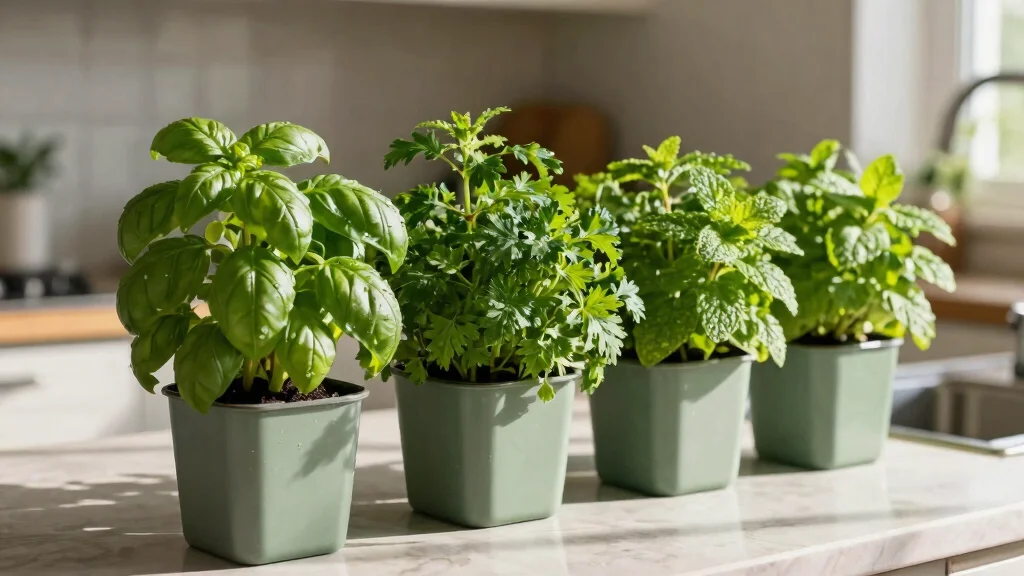
Many indoor gardens lack sufficient natural light, making grow lights essential for seed germination. These lights provide the necessary wavelengths for plant growth, ensuring your seeds thrive even in low-light conditions.
To maximize the effectiveness of your grow lights, position them close to your seedlings and set a timer for optimal light exposure. Full-spectrum lights are ideal as they cater to all growth stages.
Key tips for using grow lights:
– Position the light 2-3 inches above seedlings and adjust as they grow.
– Set a timer for 12-16 hours of light daily.
– Choose full-spectrum LED or fluorescent lights for best results.
With the right lighting, your seedlings will grow strong and healthy, transforming your indoor gardening experience.
Utilize Growing Lights
Editor’s Choice

Aokrean Plant Grow Light, 48 LEDs Full Spectrum Grow Lights for Indoor P…

yentbokj Grow Lights for Indoor Plants,5 Heads Red Blue White Full Spect…

LBW Grow Lights for Indoor Plants with Stand, 642 LEDs Full Spectrum Sta…

LEOTER Grow Light for Indoor Plants – Upgraded Version 80 LED Lamps with…

Grow Lights Upgrade 168 LEDs Clip Plant Lights for Indoor Plants, Full S…
6. Thin Your Seedlings

Thinning seedlings is crucial for promoting healthy growth and preventing overcrowding. When seedlings compete for nutrients and light, they can become weak and stunted. This straightforward step can significantly enhance the vitality of your plants.
Select the strongest seedlings and trim the others at the soil level to avoid disturbing nearby roots. Allow enough space between the remaining plants for airflow and growth.
Steps for effective thinning:
– Trim weaker seedlings at the soil level with scissors.
– Space remaining seedlings 2-4 inches apart for optimal growth.
– Monitor growth and adjust spacing as necessary.
Thinning your seedlings ensures they receive the nutrients they need, setting the stage for a thriving garden.
Thin Your Seedlings
Editor’s Choice

SUIZAN Trimming Scissors 6” – Professional Japanese Garden Plant Herb Bu…

SenkichiKin Bonsai Scissors 7in (180mm) – Made in Japan Pruning Shears, …

PrunePro Pruning Shears Gardening Scissors Set Professional Hand Pruner …

Fiskars Bypass Pruning Shears, 1″ Cut Capacity Gardening Scissors, Forge…

You Might Also Like
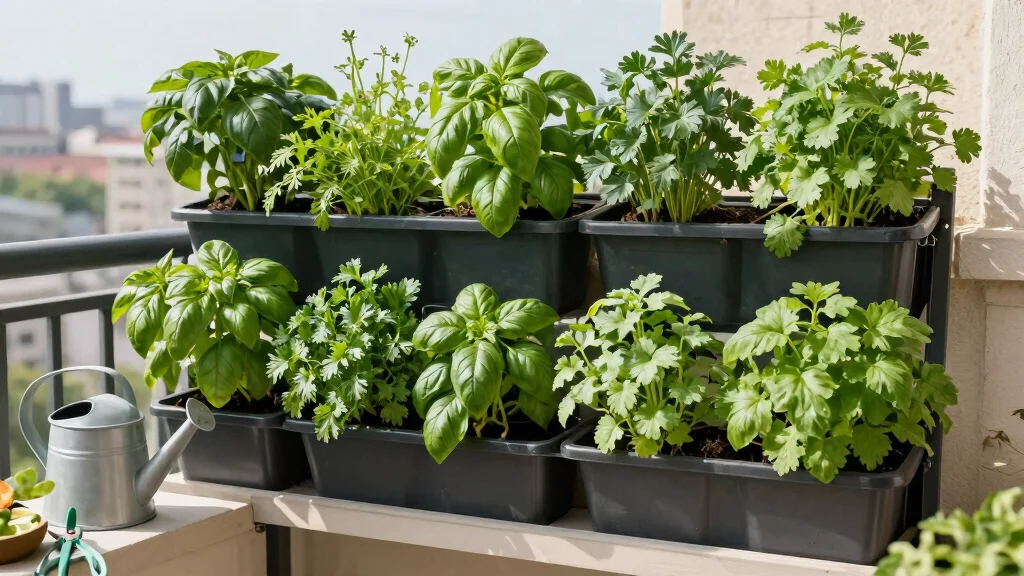
7. Be Patient and Love Your Garden

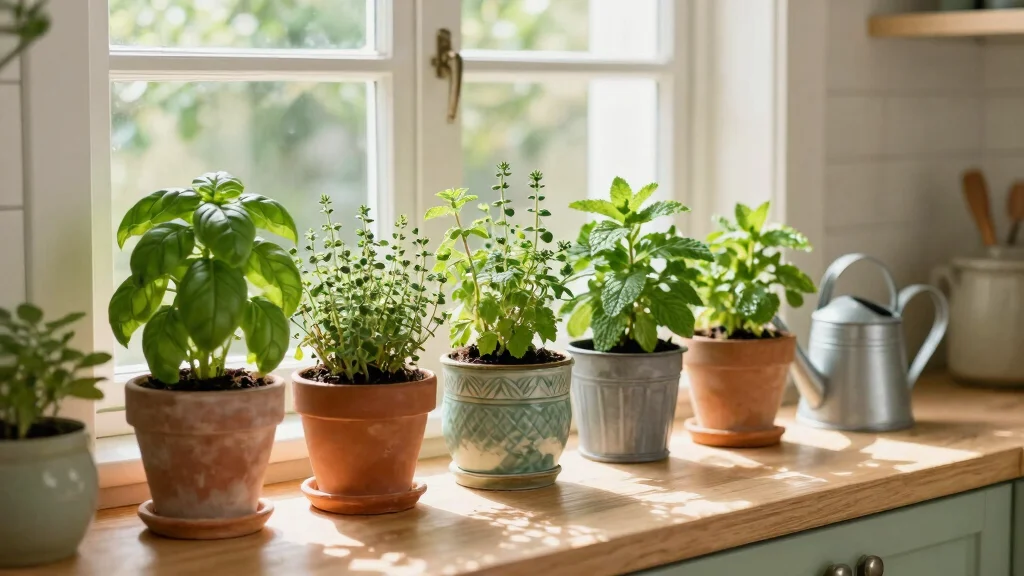
Gardening requires patience and a genuine appreciation for the process. Seeds may take longer to germinate than expected, and that’s completely normal. Nurturing your seedlings with care will allow them to flourish into beautiful additions to your space.
Keep a gardening journal to track growth and progress, using this time to learn about your plants’ specific needs. Celebrate every small victory, from the first sprout to the healthiest leaf.
Ways to embrace patience:
– Maintain a gardening journal to document growth.
– Research each plant’s needs and try different techniques.
– Celebrate milestones, no matter how small.
By nurturing your plants and cultivating patience, you’ll not only watch them grow but also enhance your gardening skills and connection to nature.
Be Patient and Love Your Garden
Editor’s Choice

Write it Down series by Journals Unlimited, Series Guided Journal, Garde…

Gardening Journal – Garden Planner to Plan, Track and Manage Your Garden…

Seed Starter Tray with Grow Lights and Heat Mat, 3-in-1 Soil Meter, 80-C…

Hon&Guan 1 Pack Seed Starting Kit – 30 Cell Seed Starter Tray with Highe…

Seed Starter Tray with Grow Light and Thermostat Controller Heat Mat, 10…
Conclusion

As you dive into the world of seed germination, remember that every seed holds the potential for growth and beauty. With these tips, you’re well-equipped to nurture life in your home, turning it into a lush urban garden.
Enjoy the journey, celebrate the small victories, and most importantly, have fun while watching your seedlings flourish into a vibrant indoor oasis.
Note: We aim to provide accurate product links, but some may occasionally expire or become unavailable. If this happens, please search directly on Amazon for the product or a suitable alternative.
This post contains Amazon affiliate links, meaning we may earn a small commission if you purchase through our links, at no extra cost to you.
Frequently Asked Questions
What are the most effective seed germination techniques for indoor gardening in small spaces?
Start with a clean, seed-starting mix in shallow trays. Keep the soil warm and evenly moist—about 70–75°F (21–24°C)—and never let it dry out or become waterlogged. Use a humidity dome to boost humidity, then remove it as soon as seeds sprout to prevent mold. Provide bright light (grow light or sunny window) for 12–16 hours daily to prevent leggy growth. For best results, pre-soak larger seeds and label varieties; stagger sowing to extend your harvest.
How do I choose seeds and the right seed starting medium for indoor germination?
Choose seeds labeled for indoor germination or your climate, picking varieties that germinate quickly and fit your indoor space. Use a light, well-draining seed-starting mix instead of garden soil. Keep containers clean, moisten the mix before sowing, and avoid compacting the medium. Place pots in a bright area with consistent warmth, rotate for even light, and track germination times to know when to move to the next stage.
What are the most common germination problems and how can I fix them quickly?
Common issues include uneven moisture causing drying out or damping-off, temperature fluctuations, insufficient light, and old seeds. Fixes: keep the medium consistently moist but not soggy, use a seedling mat for steady warmth, provide 12–16 hours of bright light, and ensure good air circulation. If damping-off occurs, reduce humidity and avoid overwatering; replace soil or use fresh seed-starting mix for new tries.
How long does seed germination take and when should I transplant seedlings indoors?
Germination times vary by species, but most tiny seeds sprout in 5–14 days under proper conditions. Wait until cotyledons appear, then look for strong stems and healthy color before moving on. Transplant indoors when seedlings have 2–4 true leaves and a compact root system, using appropriately sized containers. Gradually move them to brighter spots and higher light levels as they grow.
What is the best seedling care routine after germination to ensure strong growth indoors?
Once sprouts appear, keep soil evenly moist but not waterlogged and provide plenty of light—aim for 12–16 hours daily. Thin crowded seedlings to avoid competition and encourage sturdy growth, and feed with a diluted fertilizer once true leaves develop. Ensure good air circulation and avoid mold by spacing pots and providing gentle airflow. Transplant to larger pots as roots fill the container, and harden off gradually if moving to brighter spaces.
Related Topics
seed germination
indoor gardening
urban gardening
planting seeds
germination techniques
seedling care
easy gardening
beginner friendly
seed sprouting tips
home gardening
container gardening
indoor plants