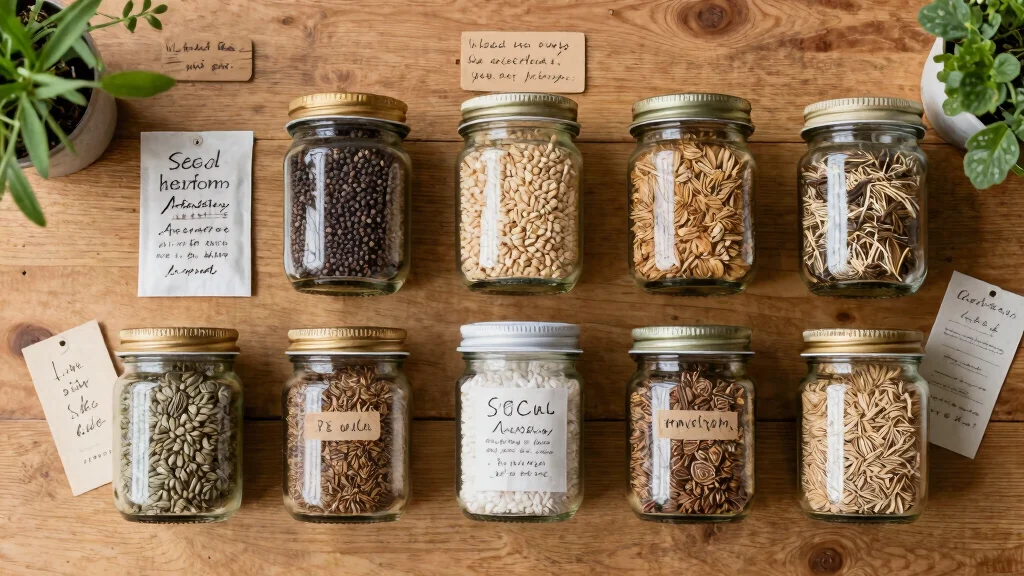
Preserving plant varieties is more important than ever. If you’ve ever stood in awe of a unique heirloom tomato or felt the nostalgia of your grandmother’s prized flowers, you know the value of these plants. The joy they bring isn’t just about beauty or flavor; it’s about heritage and biodiversity. With the threat of climate change and the loss of traditional farming practices, it’s vital to take action. That’s why I’ve put together these seed bank ideas to help you safeguard your favorite plants for future generations.
This post is for anyone who loves gardening and wants to ensure that their cherished plant varieties are preserved. Whether you’re a seasoned gardener or just starting out, you’ll find practical tips and innovative strategies that can help you maintain the diversity of your garden. You’ll learn how to create your own seed bank, connect with like-minded individuals, and put your gardening skills to good use.
In this article, you’ll discover eight actionable ideas that are not only simple but also effective. From setting up a climate-controlled storage area to joining online seed-saving communities, these strategies will empower you to take control of your garden’s future. Let’s dive in and explore how you can become a steward of plant preservation today!
Key Takeaways
– Build a climate-controlled seed storage room to protect seeds from temperature extremes and humidity, ensuring longer viability.
– Utilize seed vaults for long-term preservation of heirloom seeds, allowing you to store and safeguard varieties for generations.
– Participate in a community seed exchange program to share plant varieties, foster relationships, and encourage biodiversity among local gardeners.
– Capture and document your seed heritage by keeping records of seed origins, as this helps preserve the history of your plants and their unique traits.
– Engage in seed saving workshops to expand your knowledge and meet others passionate about plant preservation, enhancing your gardening skills and community ties.
1. Create a Climate-Controlled Seed Storage Room
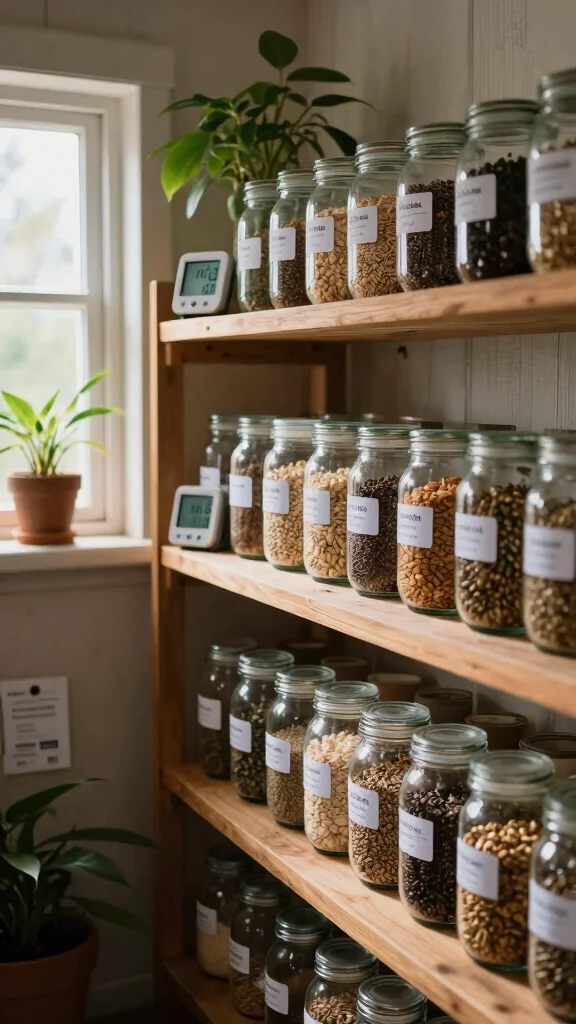
You want to keep your seeds viable for years, and a climate-controlled storage room is the way to go. This space helps maintain an ideal atmosphere, ensuring that heirloom seeds stay fresh and germinate well. Aim to keep the temperature between 32°F and 41°F, while also managing humidity levels effectively.
Use airtight containers to further protect your seeds, and consider adding desiccants to absorb moisture. Organizing your seeds by species or planting dates will save you time during planting season, allowing for easy access to all your precious varieties.
Key features to implement:
– Choose a dark area away from sunlight.
– Add shelves for organized storage.
– Monitor humidity with a hygrometer regularly.
Create a Climate-Controlled Seed Storage Room
Editor’s Choice

120 Slots Seed Storage Organizer with 20 Seed Envelopes, Sturdy Seed Org…


6 Pack Mini Hygrometer Indoor Humidity Meter, Small Digital Thermometer …

5 Gram (50 Pack) Color-Indicating Silica Gel Packets, Premium Food Grade…
2. Utilize Seed Vaults for Long-Term Preservation

For dedicated gardeners, a seed vault is a smart investment that ensures your seeds remain viable for the long haul. These storage systems can be as simple or complex as you need, offering the perfect environment for preservation. A well-constructed seed vault protects against extreme temperatures and pests, making it an essential part of your seed-saving journey.
You can customize your vault to categorize seeds by type or age, which brings peace of mind as you safeguard rare varieties. This not only helps you but also contributes to broader biodiversity efforts by preserving plants that might otherwise disappear.
Consider these points:
– Use insulated materials for better temperature control.
– Make it portable if you want flexibility.
– Regularly check and refresh your seed supply for diversity.
Utilize Seed Vaults for Long-Term Preservation
Editor’s Choice

Silica Packets – 0.5 Gram 600 Packs Silica Gel Packets, Food Grade Des…

Dalzom® 300Pcs 4″ Plant Labels with Marker Pen, Waterproof Plastic Plan…

Eucalyptus (Eucalyptus globulus) – Grow Now or Store for Future Planting…
3. Start a Community Seed Exchange Program

Engaging with fellow gardeners enriches your seed bank experience. A community seed exchange program allows you to share heirloom seeds, boosting genetic diversity while fostering local relationships. This collaborative effort transforms gardening into a shared passion, enhancing the beauty of your garden and the community.
Kick things off by organizing an event where everyone brings their seeds and shares their stories. Create a central hub for seed exchange and think about making a digital catalog for easy reference. This not only strengthens local biodiversity but also opens doors for valuable gardening networks.
Actionable ideas:
– Host seasonal exchanges to keep things exciting.
– Encourage sharing details about growing conditions.
– Utilize online platforms for virtual exchanges if necessary.
Fun fact: A simple community seed exchange can boost your seed bank’s gene pool—sharing heirloom seeds often increases variety by 25% across a season. Gather neighbors, swap stories, and watch your garden thrive with resilient, flavorful varieties.
Start a Community Seed Exchange Program
Editor’s Choice

VITEVER 100pcs Plant Labels, T-Type Plastic Tags with Marker Pen, Waterp…

70 Slots Seed Storage Organizer, Garden Seeds Saver kit Seed Organizer w…

Survival Seed Vault: 50 Varieties, 50,000+ Non-GMO Heirloom Seeds – 5+ Y…
4. Implement DIY Seed Bombs for Garden Enrichment

Seed bombs are a playful and effective way to enhance your garden’s biodiversity. These little balls, made from seeds, clay, and compost, can be tossed into any space to encourage spontaneous plant growth. This method is particularly beneficial for promoting wildflowers and other plants that support pollinators.
To create seed bombs, mix equal parts clay and compost, add your chosen seeds, and form them into small balls. Let them dry before scattering them in your garden. As rainwater activates them, the seeds will germinate, contributing to a healthier ecosystem.
Tips for making them:
– Use seeds from native plants that attract local pollinators.
– Invite friends to join in the fun of creating seed bombs.
– Get creative with decorations for gifting!
5 seed bombs act like a portable seed bank for your garden. Just scatter them after mixing clay, compost, and seeds, and watch up to 30 wildflowers emerge after one rain. It’s a simple, DIY trick to strengthen your seed bank and boost pollinator-friendly biodiversity.
You might also like
Implement DIY Seed Bombs for Garden Enrichment
Editor’s Choice

Jobe’s Organics Fast Acting Granular Fertilizer Compost Starter, Easy Pl…

Natural Red Clay Powder – Mechanically Refined, No Weeds or Seeds, No Ad…

Open Seed Vault |15,000 Heirloom Seeds | 32 Seed Types | Survival Seeds …
5. Capture and Document Your Seed Heritage
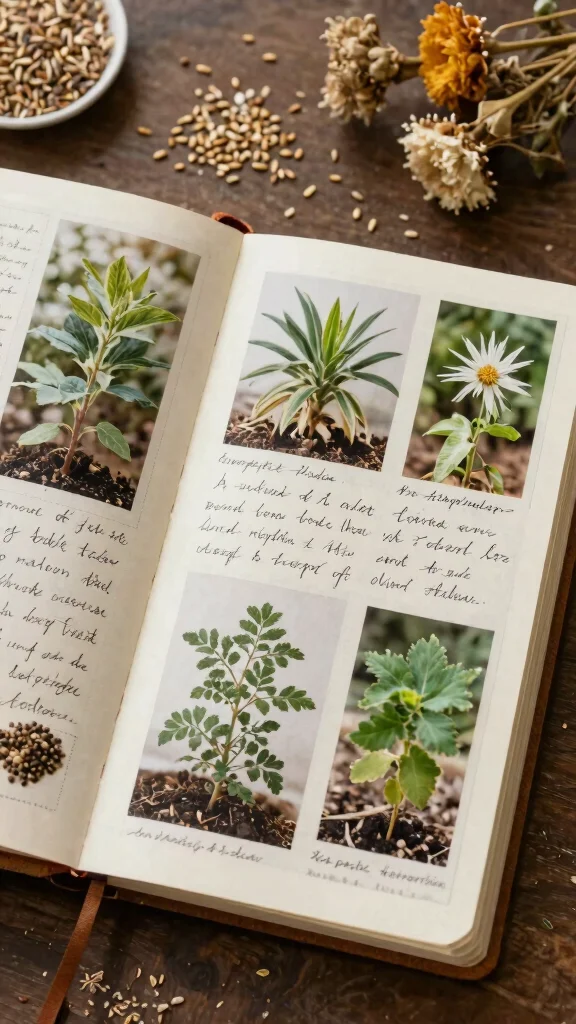
Documenting the history of your heirloom seeds is a fulfilling way to enrich your gardening experience. Keeping notes on each seed variety, including its origin and characteristics, creates a personal treasure trove for future generations. This practice not only preserves genetic diversity but also deepens your connection to the plants you cultivate.
Consider maintaining a scrapbook or an online blog where you can share your discoveries with others. Include photos of growth stages and any challenges you’ve encountered, contributing to the broader narrative of plant preservation.
Helpful practices:
– Use a consistent format for easy reference.
– Incorporate seed-saving techniques learned through experience.
– Share stories that highlight why each variety matters.
Capture and Document Your Seed Heritage
Editor’s Choice

50pcs Transparent Green Leaf Sticker for Scrapbooking PET Nature Sticker…

Gardening Log Book and Planner: Monthly Garden Planting Journal and Orga…
6. Research and Participate in Seed Saving Workshops

Seed saving workshops offer a fantastic way to learn the best practices for preserving heirloom seeds. These hands-on sessions provide valuable insights into seed collection, drying, and storage techniques. By participating, you’ll deepen your understanding of local plant varieties and their adaptations.
Search for workshops at local agricultural extensions or community organizations. It’s a great way to connect with like-minded gardeners who share your passion for biodiversity and plant preservation. Bring back what you learn to enhance your own seed bank efforts.
Actionable tips:
– Bring your own seeds to discuss.
– Take thorough notes on techniques.
– Network with fellow participants for future collaborations.
📹 Related Video: Seed Saving Workshop
How To Choose The Right Seed Bank for Your Plant Preservation Needs
When it comes to preserving your favorite plant varieties, selecting the right seed bank is crucial. A well-chosen seed bank can help ensure the longevity and vitality of your heirloom seeds. Here are some key factors to consider when making your choice:
1. Variety of Seeds Offered
Look for a seed bank that provides a diverse selection of seeds. This includes heirloom and organic varieties. The more options you have, the better you can preserve unique plant traits. Check if they focus on local and regional varieties that thrive in your area.
2. Seed Storage Solutions
A good seed bank should offer storage solutions that ensure the longevity of the seeds. This includes vacuum-sealed packages and proper cooling methods. Make sure they provide guidance on how to store seeds effectively at home. The right storage keeps your seeds viable for years.
3. Reputation and Reviews
Research the seed bank’s reputation. Look for customer reviews and testimonials. A trusted seed bank should have a track record of providing healthy, high-quality seeds and excellent customer service. This will give you confidence in your purchase.
4. Commitment to Biodiversity Conservation
Choose a seed bank that actively participates in biodiversity conservation efforts. This shows their dedication to sustainability and preserving plant varieties. A responsible seed bank often collaborates with local farms and organizations to promote ecological practices.
5. Educational Resources and Support
Select a seed bank that offers educational resources. This includes guides on seed saving, planting tips, and pest control. Seeds are just the beginning; knowledge is vital for successful gardening. Some seed banks also host workshops or online communities to support gardeners.
6. Pricing and Accessibility
Consider your budget. While quality seeds may be an investment, look for reasonable pricing. Many seed banks offer bulk discounts or special deals. Check if they ship internationally or have local pickup options, making it easier for you to access your seeds.
Pro Tip: Before making a final decision, order a small batch from the seed bank to test the quality and germination rates. This helps you evaluate if they meet your planting goals.
Choosing the right seed bank is essential for your plant preservation journey. By focusing on these criteria, you can make informed decisions that benefit your garden and contribute to preserving biodiversity. Happy gardening!
Research and Participate in Seed Saving Workshops
Editor’s Choice

Douorgan Seed Storage Box, Portable Seed Saving Box, Sturdy Seed Organiz…

Seed Saving Journal: Garden Seed Collection, Storage & Planting Record Book

Seed Storage Organizer Box with 120 Slots, Airtight Seed Saver Kit with …
7. Build Raised Planters for Easy Seed Access

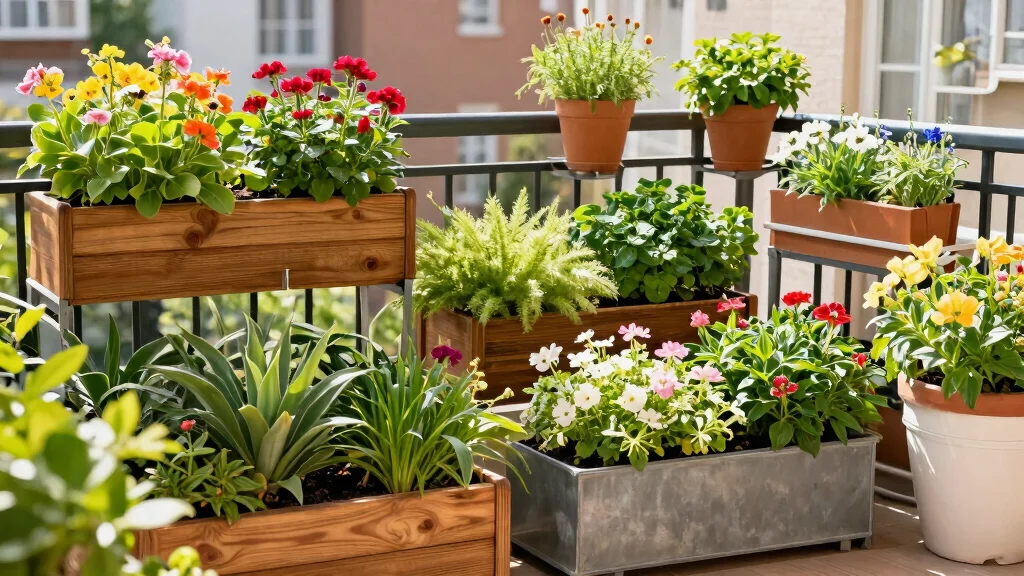
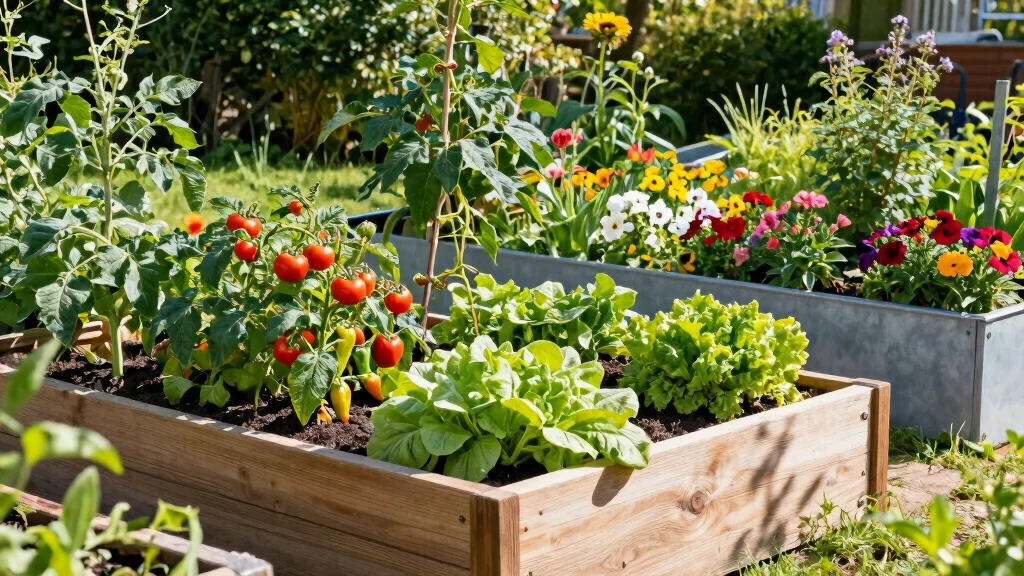
Raised planters are not only visually appealing but also make seed and plant access easier while improving soil quality. By incorporating these planters into your garden, you create dedicated spaces for heirloom varieties, ensuring they receive the care they need.
Using recycled materials for your planters can make your gardening practices more eco-friendly. Mixing different species can promote biodiversity and attract beneficial insects, while raised beds warm up faster in spring, giving your seeds an early start.
Consider these strategies:
– Plan based on sunlight and moisture needs.
– Incorporate drip irrigation for efficient watering.
– Use companion planting to boost growth.
Did you know raised planters warm soil 1–2 weeks earlier in spring, speeding germination for heirloom varieties in your seed bank? By using recycled materials, you create eco-friendly spaces that boost biodiversity and make seed access easier for every gardener.
You Might Also Like
Build Raised Planters for Easy Seed Access
Editor’s Choice
Utopia Home Galvanized Raised Garden Bed Kit 4x2x1ft, Planter Box Raised…

Espoma Organic Raised Bed Mix – All Natural and Organic Potting Soil Mix…

Heavy Duty Gardening Tools – Gardening Gifts for Women, Men, Mom, Dad – …
8. Join Online Seed Saving Communities

In our digital age, online communities are a treasure trove for seed savers. By joining forums or social media groups focused on plant preservation, you connect with fellow gardening enthusiasts who share experiences and exchange heirloom seeds. These platforms provide a wealth of resources, from cultivation advice to seed swaps.
Being part of a community keeps you motivated and inspired. Share your gardening journey, ask questions, and showcase your seed bank efforts. The collective knowledge found in these communities can significantly enhance your gardening experience, promoting biodiversity on a larger scale.
Engagement tips:
– Actively participate by sharing your insights.
– Attend virtual events to meet others.
– Exchange seeds with members for a diverse collection.
Join Online Seed Saving Communities
Editor’s Choice
Seed Saving Journal: Garden Seed Collection, Storage & Planting Record Book

38 Slots Seed Storage Organizer Box with Insulated Bag That Holds 80-200…

White Sweet Clover (Melilotus Albus) – Grow Now or Store for Future Plan…
Conclusion
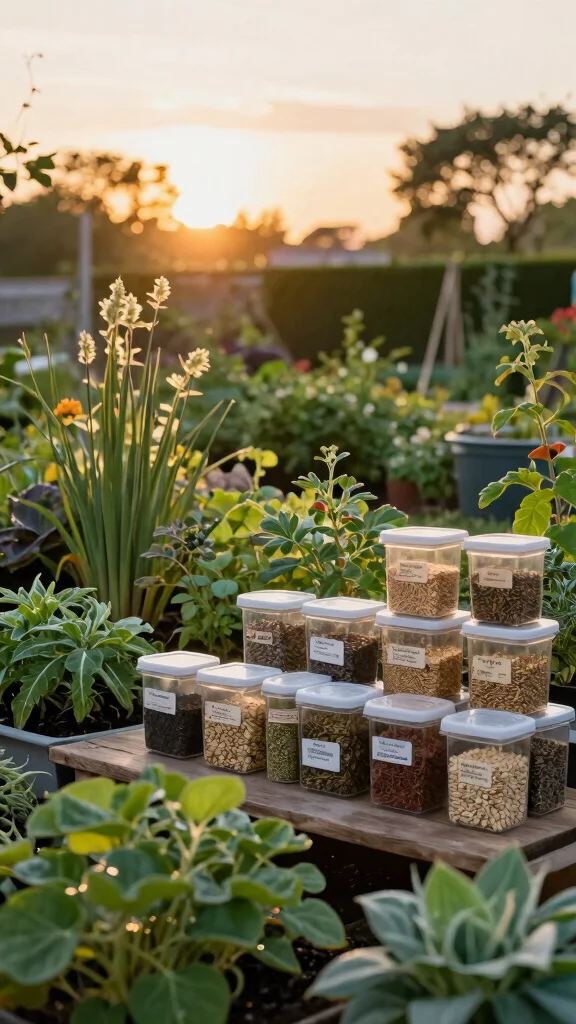
The journey of preserving your favorite plant varieties is a rewarding one, blending creativity, community, and commitment to biodiversity. From creating a personal seed bank to engaging with fellow gardeners, each step you take contributes to plant preservation and the joy of nurturing life. As you explore these innovative ideas, consider how they can enhance your gardening practices and inspire others to join in the mission of keeping heirloom seeds alive for future generations.
Your seed-saving efforts can make a significant impact, ensuring that these precious plants continue to thrive in gardens across the globe.
Note: We aim to provide accurate product links, but some may occasionally expire or become unavailable. If this happens, please search directly on Amazon for the product or a suitable alternative.
This post contains Amazon affiliate links, meaning we may earn a small commission if you purchase through our links, at no extra cost to you.
Frequently Asked Questions
What is a seed bank and why should I start one for heirloom seeds?
A seed bank is a collection of seeds saved for future planting, breeding, and resilience. It supports plant preservation, protects heirloom seeds, and advances biodiversity conservation. If you’re new to it, start small: pick a couple of your favorite varieties, learn proper drying, labeling, and seed storage solutions.
To begin, harvest fully mature seeds from healthy plants, clean off debris, and let them dry completely. Then label each packet with the variety and year, store in airtight containers in a cool, dark place, and consider a small freezer for longer-term backups. This is the heart of a practical seed bank for heritage gardening and biodiversity protection.
How can I store seeds at home to maximize longevity with seed storage solutions?
Home seed storage is simple and effective when you follow reliable seed storage solutions. Start with fully dried seeds, then place them in airtight containers (glass jars or Mylar pouches) kept in a cool, dark place. Add a desiccant to maintain low humidity and label every packet with variety, year, and source. For longer-term storage, you can refrigerate or freeze seeds that tolerate cold, but avoid frequent temperature changes. Finally, run a quick germination test every year or two to monitor viability.
What are practical tips to collect and preserve heirloom seeds without harming plant varieties?
Preserving heirloom seeds is all about careful collection and mindful handling. Start with healthy parent plants to maintain genetic integrity, then wait for seeds to reach maturity before harvest. Separate seeds by variety to prevent cross-pollination, especially with open-pollinated lines. Clean off chaff, air-dry until seeds are hard, and store in cool, dark containers. Label clearly with variety and year, and keep notes on flavor or traits. This hands-on approach supports plant preservation and biodiversity conservation for future gardeners.
How does maintaining a seed bank contribute to biodiversity conservation?
A well-managed seed bank helps safeguard genetic diversity and supports biodiversity conservation by preserving heirloom and locally adapted varieties. Saving diverse seeds means more resilience against pests, climate shifts, and crop failures. Get involved locally through seed swaps or community seed banks to widen the gene pool, share seed storage solutions, and promote garden biodiversity for future generations.
What are common mistakes to avoid when starting a seed bank at home?
Great question — avoid these common missteps: not drying seeds properly or exposing them to heat or humidity; failing to label varieties, year collected, and source; storing different species together or in non-airtight containers; neglecting regular germination checks; and exposing seeds to light or temperature fluctuations. Stick to cool, dark storage, use airtight containers, keep everything labeled, rotate stock, and test germination periodically to keep your seed bank vibrant and useful for gardening tips and seed storage solutions.
Related Topics
seed bank
plant preservation
heirloom seeds
biodiversity conservation
gardening tips
seed storage solutions
sustainable gardening
advanced techniques
heritage seeds
beginner friendly
organic gardening
seasonal planting