
Creating a beautiful garden is more than just planting flowers; it’s about crafting a space that resonates with your style and personality. With the growing interest in outdoor gardening, especially vertical gardening, incorporating rectangular planter boxes can help you achieve a clean and structured look in your garden. I created this post to share some creative and practical ideas that can transform your outdoor space into a stunning, organized retreat.
If you’re someone who enjoys gardening, whether you’re a seasoned pro or just starting out, this guide is for you. You’ll find tips and ideas specifically focused on utilizing rectangular planter boxes in innovative ways. Imagine how satisfying it will be to arrange plants neatly while maximizing your gardening area. This post will give you eight exciting ideas to inspire your garden design while making it functional and aesthetically pleasing.
You’ll discover various ways to use planter box ideas, from tiered designs to modular systems, that not only enhance the beauty of your garden but also improve organization. Each idea is geared toward helping you find the best way to integrate these versatile boxes into your outdoor space. Whether you want to create raised garden beds or decorative edge trimming, there’s something here for everyone. Let’s jump into these creative concepts that promise to elevate your gardening experience!
Key Takeaways
– Explore tiered rectangular planter boxes, which maximize vertical space and create an eye-catching focal point in your garden.
– Consider a vertical garden setup using rectangular planters to grow herbs or small plants, ideal for limited outdoor areas.
– Raised garden beds made from rectangular planters offer better drainage and soil quality, making them perfect for growing thriving plants.
– Discover how decorative planter boxes can add charm and character to your garden while serving a functional purpose.
– Learn to use rectangular planter boxes for contained flower beds or edging, making your garden look neat and organized.
1. Tiered Rectangular Planter Boxes

Imagine elevating your garden’s beauty with tiered rectangular planter boxes! These stunning multi-level planters not only enhance visual appeal but also provide ample space for a variety of plants. The stacked design is perfect for herbs, allowing you to cater to each plant’s specific sunlight and watering needs effortlessly.
Start by selecting untreated wood for a rustic charm or sleek metal for a modern touch. Pair plants of different heights for a captivating display. Incorporate a drip irrigation system to ensure each tier receives the right amount of water.
Key steps to create tiered planters:
– Choose your preferred materials for a customized look.
– Select plants that complement each other’s growth patterns.
– Install an efficient watering system for optimal moisture.
These tiered boxes not only maximize your gardening space but also serve as an eye-catching focal point, inviting admiration from all who see them.
📹 Related Video: How to Make a Tiered Planter! (Easy DIY Vertical Garden with FREE Plans!) // Shirin Askari
Dimensions & Size Guide
Standard Sizes & Measurements:
When selecting a rectangular planter box, size matters! The dimensions you choose can greatly impact your garden’s look and functionality. Here are some common sizes to consider:
– Small Planters: Typically measure around 24” long, 12” wide, and 12” deep. These are perfect for herbs or small flowers.
– Medium Planters: Usually come in sizes like 36” long, 18” wide, and 18” deep. Great for houseplants or medium-sized outdoor flowers.
– Large Planters: Often measure 48” long, 24” wide, and 24” deep, suitable for larger plants or decorative displays.
– Extra-Large Planters: Can stretch up to 72” long, 36” wide, and 36” deep. These create a stunning focal point in any garden space.
To ensure growth and health, always leave at least 6 inches of depth for root systems. Also, consider the plant types—some need more space than others. Pay attention to the spacing between planters to allow for airflow and accessibility, especially if you’re growing vegetables or herbs in raised beds.
Quick Reference Table:
Here’s a simple comparison to help you choose the right size planter box:
Size/Dimension – Best for: [use case], Minimum space needed: [measurement]
– 24” x 12” x 12” – Best for: Herbs and small flowers, Minimum space needed: 2 ft x 1 ft
– 36” x 18” x 18” – Best for: Medium-sized plants, Minimum space needed: 3 ft x 2 ft
– 48” x 24” x 24” – Best for: Large flowers or decorative plants, Minimum space needed: 4 ft x 3 ft
– 72” x 36” x 36” – Best for: Focal points in gardens, Minimum space needed: 6 ft x 4 ft
Space Planning Tips:
Planning your garden space carefully can save you time and resources. Here are some handy tips:
1. Measure Twice: Always measure your intended space before purchasing a planter box. This helps avoid surprises when trying to fit it in your garden.
2. Consider Sunlight: Check how much sun the area receives. Some plants need full sun, while others prefer partial shade. This can affect the placement and size of your planter.
3. Allow for Growth: Remember that plants will grow! Choose a container that allows them enough room to expand. A crowded garden can lead to stunted growth and unhealthy plants.
4. Leave Pathways: Ensure there’s enough room to walk around your planter boxes. This is especially crucial if you’ll be maintaining your plants regularly. A path of at least 2 feet wide works well.
5. Avoid Overcrowding: If you plan to have multiple planters, be mindful of how close they are. Overcrowding can lead to competition for sunlight and nutrients, which can hinder growth.
Pro Tip: Always focus on the depth of your planter box as a key measurement! Deep planters allow for better root development, improving plant health and growth. This is especially important for root vegetables or plants with extensive root systems. Making this the priority will lead to a successful gardening experience! 🚀
Tiered Rectangular Planter Boxes
Editor’s Choice
5 Herb Garden Planter Indoor with Wooden Box, Home Kitchen Seed Starter …


36″ Metal Planter Box, Large Rectangular Window Box with Drainage Holes …

Yaheetech 3 Tier 47 x 47 x 22in Raised Garden Bed Horticulture Outdoor E…
2. Vertical Garden with Rectangular Planters

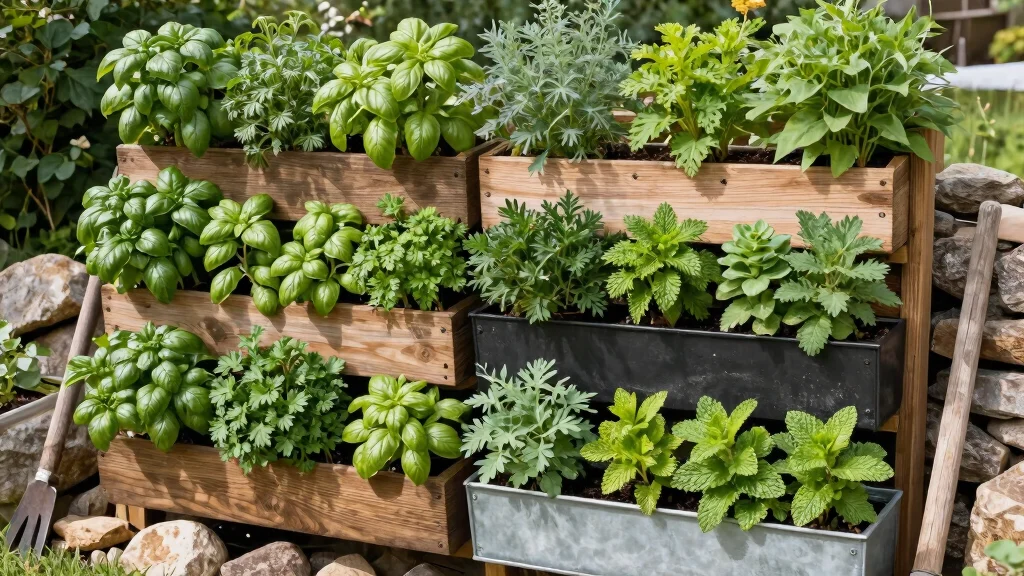
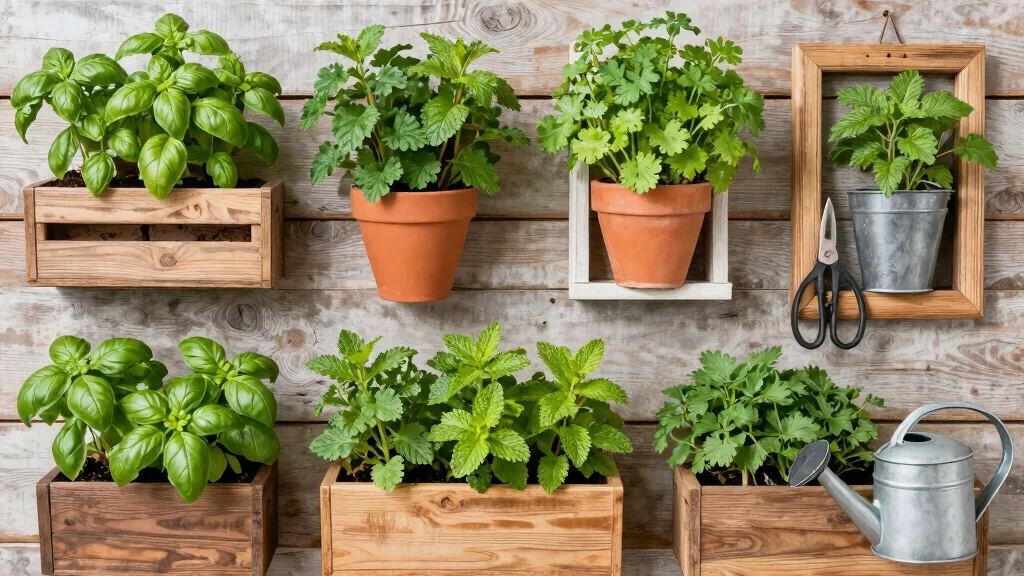
Transform your blank wall into a vibrant vertical garden using rectangular planter boxes! This innovative approach saves ground space while showcasing your favorite plants in a unique way. Hanging planters can be easily attached to walls or trellises, creating an eye-catching display that draws attention upward.
Choose lightweight plants like herbs or trailing flowers to thrive in this vertical arrangement. Ensure your wall can support the weight of the soil and plants, and consider adding a self-watering system for easy maintenance.
Considerations for your vertical garden:
– Ensure wall stability for safe installation.
– Opt for lightweight plants suitable for vertical growth.
– Use a self-watering system for hassle-free care.
This vertical garden not only maximizes space but also enriches your outdoor area, making it feel more lively and dynamic.
Vertical Garden with Rectangular Planters
Editor’s Choice

2 Pack 24 Inch Window Boxes Planters Railing Planter Box with Adjustable…
79″ Garden Trellis Arch for Climbing Plants – Tall Outdoor Metal Trell…

Miracle-Gro Organic Outdoor Potting Mix – Plant Soil for Outdoor Contain…
3. Rectangular Raised Garden Beds

Elevate your gardening game with raised rectangular garden beds! These beds make it easier to care for your plants while reducing strain on your back, and they’re perfect for controlling soil quality. By filling them with nutrient-rich soil, you create an ideal environment for your plants to flourish.
Raised beds offer accessibility and minimize weed growth, making gardening more enjoyable. You can customize them with colors or materials to match your garden’s style.
Benefits of raised garden beds:
– Improve accessibility for easier planting and maintenance.
– Control soil quality for optimal plant growth.
– Reduce weeds, allowing your plants to thrive.
With raised rectangular beds, you’ll not only enhance your gardening experience but also beautify your outdoor space with a touch of color and organization.
Fun fact: Raised rectangular garden beds warm up 1–2 weeks earlier in spring, giving your rectangular planter box a longer growing season. With nutrient-rich soil, you’ll see stronger plants and less back strain—happy gardening starts here.
Rectangular Raised Garden Beds
Editor’s Choice

Garden Tools Set, 3 Pack Heavy Duty Gardening Tools Set Include Garden S…

Yaheetech 8×2ft Wooden Horticulture Raised Garden Bed Divisible Elevate…

FoxFarm Happy Frog Potting Soil with 2 Plant Tags, 2 cu ft – Indoor/Ou…
4. Decorative Rectangular Planter Boxes

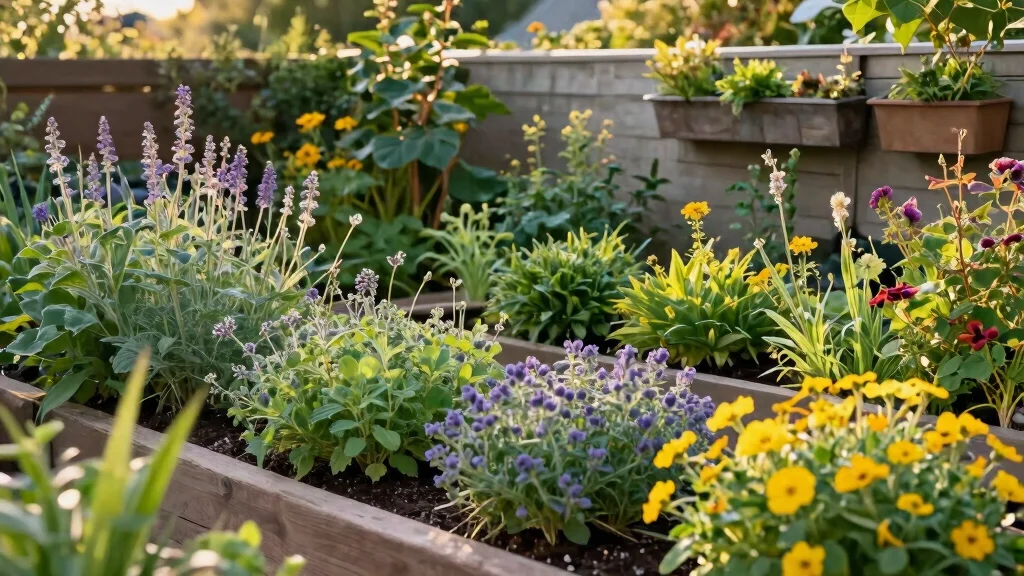
Infuse your garden with character using decorative rectangular planter boxes! These customizable planters can be painted or crafted from various materials to reflect your personal style. From vibrant wooden boxes to elegant ceramic designs, your choices can elevate your outdoor aesthetic.
Combine creativity and functionality to grow plants while adding unique visual elements to your garden. Let your imagination run wild as you explore different decoration ideas!
Creative decoration ideas:
– Use outdoor acrylic paint for colorful designs.
– Add textured finishes like stucco for depth.
– Incorporate LED lights for enchanting evening ambiance.
Decorative planters not only serve as stunning focal points but also enhance your love for gardening, making your outdoor space inviting and lively.
You might also like
Decorative Rectangular Planter Boxes
Editor’s Choice

Arcadia Garden Products PSW U45CT Plastic/Stone/Wood Composite Simplicit…

Yaheetech 43.5″ L×16″ W×14″ H Wooden Raised Garden Bed, Horticul…
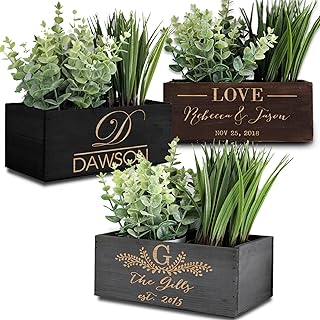
Etchey Personalized Wood Planter Box, Custom Wooden Flower Pot, Name Box…
5. Herb Spiral with Rectangular Planters

Organize your herbs beautifully with a herb spiral using rectangular planter boxes! This design maximizes vertical space while providing unique benefits. The spiral layout creates microclimates, allowing different herbs to thrive in their ideal conditions.
This visually striking feature enhances your gardening efforts while making herbs easily accessible.
Tips for building a herb spiral:
– Use stones to create a sturdy base for your spiral.
– Layer different soil types to meet various herbs’ needs.
– Incorporate an irrigation system for efficient watering.
This organic design not only looks stunning but also simplifies herb organization, enriching your garden’s overall feel.
Herb Spiral with Rectangular Planters
Editor’s Choice

Virekm River Rocks, Decorative Ornamental Pebbles,Garden Landscaping Sto…
Yaheetech 43.5″ L×16″ W×14″ H Wooden Raised Garden Bed, Horticul…
Miracle-Gro Organic Outdoor Potting Mix – Plant Soil for Outdoor Contain…
6. Modular Rectangular Planters

Embrace flexibility in your garden with modular rectangular planters! These versatile planters can be rearranged to fit your ever-changing gardening needs, perfect for those who love to experiment. The variety of sizes and shapes lets you create a personalized layout that matches your vision.
Mix and match different planter configurations to keep your garden fresh and exciting.
Considerations for modular gardening:
– Plan your layout according to sunlight and shade patterns.
– Grow a diverse array of flowers, herbs, and vegetables.
– Select complementary colors and materials for a cohesive look.
With modular planters, you can continuously refresh your garden’s design, allowing for endless creativity and enjoyment.
Modular rectangular planter boxes let you adapt as the sun moves. Mix and match sizes to shape a garden you can rearrange in minutes—your rectangular planter box becomes a flexible, evolving canvas for fresh ideas.
Modular Rectangular Planters
Editor’s Choice

Raised Garden Beds with 6 Garden Planter Boxes Indoor Outdoor Vertical R…

Root & Vessel Poly-Pro Plastic Flower Box Planter, Hunter Green, 30-Inch
7. Contained Flower Beds with Rectangular Planters

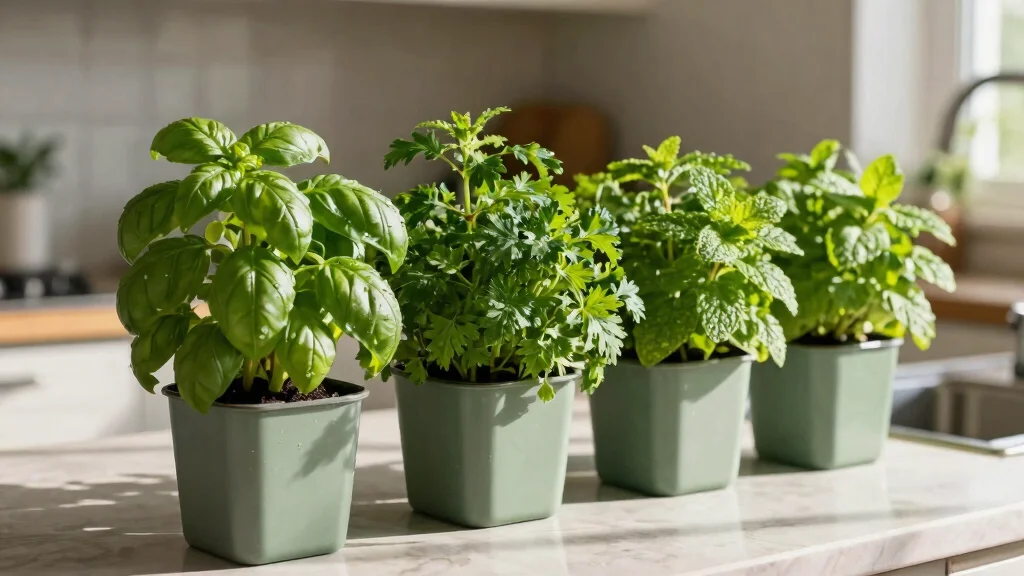
Create stunning contained flower beds using rectangular planter boxes! These beds organize your flowers while adding structure to your garden, making it easy to maintain. Showcase specific themes or color palettes for a visually appealing display.
Contained flower beds allow you to control soil quality and simplify access for weeding and care.
Benefits of contained flower beds:
– Mix and match flowers for seasonal themes.
– Choose the best soil tailored to your flowers.
– Enjoy easy access for maintenance tasks.
By using taller boxes for larger flowers and shorter ones for ground covers, you can create an attractive layered effect, enhancing your garden’s beauty and organization.
A rectangular planter box changed how I garden—tidy, accessible, and kid-friendly to maintain. Contained flower beds let you tailor soil and water, while you mix seasonal colors for a fresh, structured display.
You Might Also Like
Contained Flower Beds with Rectangular Planters
Editor’s Choice

Miracle-Gro Potting Mix – For Container Plants, Flowers, Vegetables, Shr…
Garden Tools Set, 3 Pack Heavy Duty Gardening Tools Set Include Garden S…
Yaheetech 43.5″ L×16″ W×14″ H Wooden Raised Garden Bed, Horticul…
8. Rectangular Planter Boxes as Edging

Utilize rectangular planter boxes as edging to give your garden a clean, structured look! This approach defines walkways and spaces while adding elegance to your garden design. By placing planter boxes along pathways, you create visual lines that enhance the overall layout.
Planter box edging also helps prevent grass or weeds from encroaching into your garden beds.
Advantages of planter box edging:
– Create visual cohesion throughout your garden.
– Provide a protective barrier for your plants.
– Select materials that complement your design theme.
This edging method not only organizes your garden but also elevates its style, transforming your outdoor space into a polished oasis.
Rectangular Planter Boxes as Edging
Editor’s Choice

Spoontiques – Garden Décor – Scatter Kindness Stepping Stone – Decorati…
Yaheetech 43.5″ L×16″ W×14″ H Wooden Raised Garden Bed, Horticul…

3ftx50ft Weed Barrier Landscape Fabric Heavy Duty,Weed Block Gardening…
Conclusion

Incorporating rectangular planter boxes into your garden design can elevate both aesthetics and functionality. From tiered structures to decorative options, these ideas can help create a visually stunning and organized outdoor space.
Choosing the right planter box style allows you to express your personal style while nurturing your plants effectively.
With these tips and tricks, you’re set to transform your garden into a clean and structured look that invites admiration and joy.
Note: We aim to provide accurate product links, but some may occasionally expire or become unavailable. If this happens, please search directly on Amazon for the product or a suitable alternative.
This post contains Amazon affiliate links, meaning we may earn a small commission if you purchase through our links, at no extra cost to you.
Frequently Asked Questions
What makes a rectangular planter box ideal for vertical gardening in small spaces?
Rectangular planter boxes are perfect for vertical gardening because they sit neatly along walls, balconies, or fences, making the most of narrow spaces. They’re easier to stack or mount on rails, creating a tall, clean look without bulky pots. For outdoor gardening, choose durable materials and ensure good drainage. Start with a manageable size, use a quality potting mix, and consider adding a small drip irrigation line to keep roots moist without overwatering. This approach keeps your garden design cohesive and organized with fewer cluttered corners.
In short, a rectangular planter box helps you maximize vertical space while keeping a tidy, garden organization and a streamlined garden design aesthetic.
How can I design a vertical garden using rectangular planter boxes to maximize space and aesthetics?
Begin with a simple plan: map the area, decide which plants thrive in sunlight, and choose a color or material that complements your space. Use modular rectangular planter boxes that can be stacked or mounted in tiers for a striking vertical display. Place taller boxes toward the back and shorter ones in front to create depth, and group plants with similar water needs to simplify maintenance. Add a consistent irrigation approach and border lighting to enhance the garden design at night.
With a thoughtful layout, your planter box ideas translate into a polished, vertical garden that feels intentional and organized in any outdoor space.
What materials are best for durable rectangular planter boxes in outdoor gardening?
Durability and weather resistance are key. Look for cedar or other rot-resistant woods with proper sealing, or opt for powder-coated metal, high-quality plastics, or fiber-reinforced composites. Materials should be UV-stable to prevent fading and keep their shape in sun and rain. For edible plants, prioritize food-safe finishes. Also plan for drainage and weight—hollow legs or brackets can help support taller arrangements. This choice ties into your garden design and keeps your outdoor gardening setup low-maintenance and long-lasting.
Remember to factor in garden organization by labeling sections or using uniform planters to maintain a cohesive look.
How should I arrange multiple rectangular planter boxes to keep a garden looking clean and structured?
Aim for symmetry and clean sightlines. Align boxes in a grid or straight lines along walls or pathways, using identical widths and heights for a disciplined feel. Maintain consistent spacing to allow airflow and easy maintenance, and vary heights with tiered or stacked rectangular planter boxes to create visual interest without clutter. Use a restrained color palette that matches your overall garden design, and integrate edging or gravel to define borders.
With deliberate placement, your space will read as a thoughtfully organized, modern garden that makes planter box ideas feel intentional rather than random.
Can rectangular planter boxes be used for raised garden beds and how do I manage soil and drainage?
Absolutely. Treat rectangular planter boxes as compact raised beds that are easier to reach and maintain. Use a liner or sturdy fabric underneath to prevent soil leakage and provide root aeration. Fill with a light, nutrient-rich mix (about 60% topsoil plus 40% compost, plus perlite or coconut coir for drainage). Ensure drainage holes are present and consider a thin layer of gravel or crushed stone at the bottom for better water movement. Top with mulch to reduce evaporation and keep soil temperatures steady. This approach supports healthy roots and aligns with practical outdoor gardening and garden organization goals while keeping your rectangular planter box setup tidy and productive.
Related Topics
rectangular planter box
vertical gardening
garden design
planter box ideas
outdoor gardening
raised garden beds
garden organization
clean aesthetics
easy gardening
structured layout
beginner friendly
seasonal planting