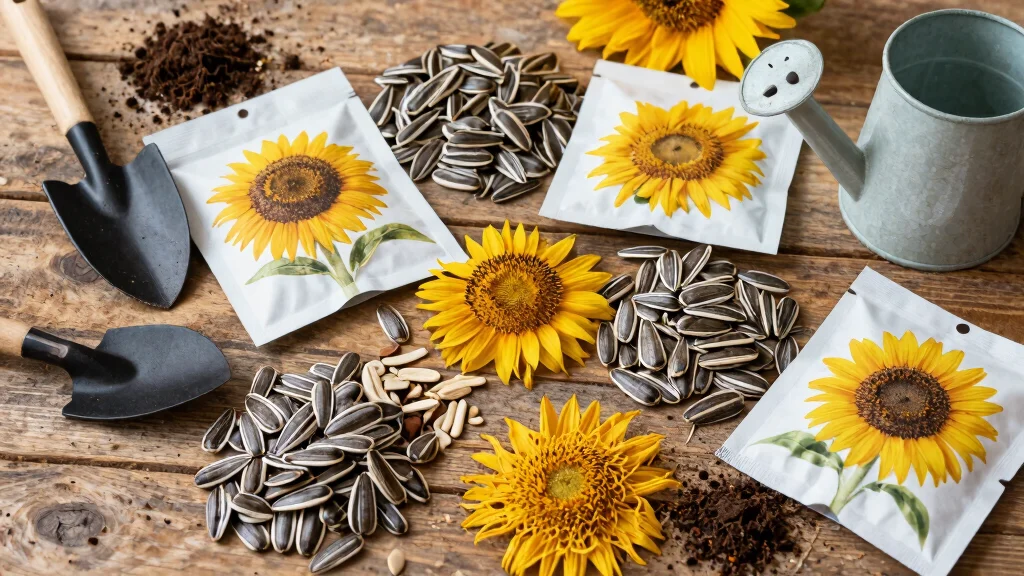
As spring unfolds, many of us find ourselves eagerly anticipating the sight of bright sunflowers reaching toward the sky. Their cheerful blooms can instantly uplift any urban garden, making it feel more vibrant and alive. I created this post because I believe everyone deserves to enjoy the beauty of sunflowers in their own backyard, balcony, or community space. Whether you’re a seasoned gardener or just starting out, planting sunflower seeds is a rewarding experience that brings joy and a sense of accomplishment.
If you’re passionate about gardening and looking for ways to grow tall, stunning sunflowers this season, you’re in the right place. This guide is tailored for urban gardening enthusiasts who want to make the most of their limited space. From selecting the right seed varieties to mastering essential sunflower care tips, I’ve gathered eight practical tips that will help you cultivate a flourishing sunflower garden. You’ll learn everything you need to know to nurture these beautiful blooms, bringing a little sunshine into your life.
By the end of this post, you’ll have a clear roadmap for planting sunflower seeds and ensuring they thrive. You’ll gain insights into garden planting techniques and seasonal gardening advice that can elevate your sunflower-growing game. Let’s dig in and get those sunflowers blooming beautifully!
Key Takeaways
– Choosing the right sunflower seed variety is crucial for your success; consider height, size, and bloom color when selecting.
– Timing your planting directly impacts growth; aim to plant seeds after the last frost for optimal results.
– Preparing your garden bed properly will ensure robust seed germination; loosen the soil and add compost for nutrients.
– Effective watering and sunflower care tips will keep your plants healthy; aim for consistent moisture without overwatering.
– Supporting tall sunflower varieties is essential to prevent bending; use stakes or cages to provide stability as they grow.
1. Choosing the Right Sunflower Seed Variety
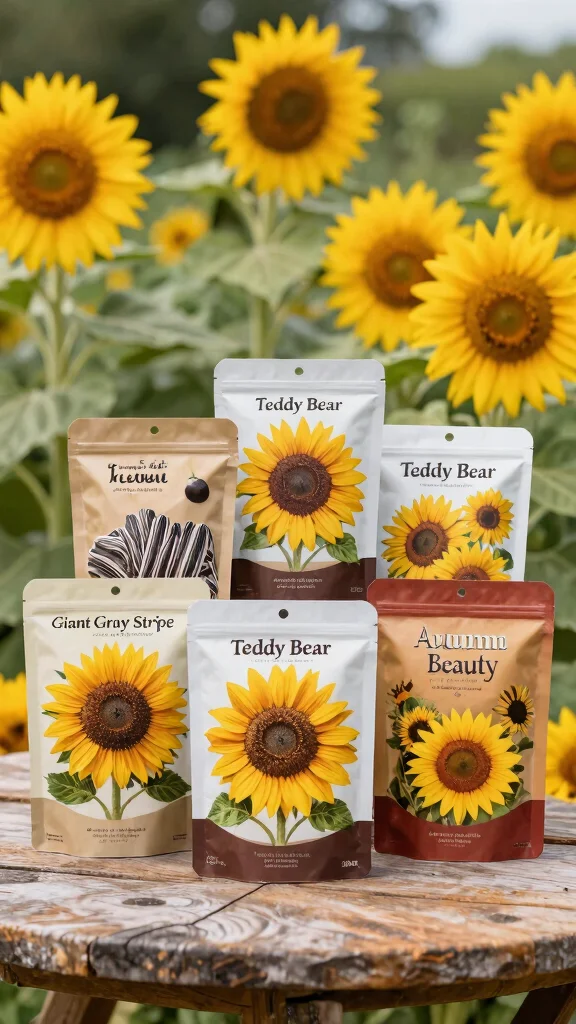
Starting your sunflower journey means selecting the perfect seed variety. Sunflowers come in a dazzling array of colors, sizes, and shapes. Whether you adore the towering ‘Giant Gray Stripe’ or prefer the charming, fluffy ‘Teddy Bear,’ there’s something for every garden enthusiast. Each type has unique growth habits and environmental needs that can influence your garden’s success.
Think about your available space. Are you working with a cozy balcony or a spacious garden? Some sunflowers thrive in tight spots, while others need room to spread out. Also, consider what you want from your sunflowers. Are you looking to attract pollinators or enjoy seed harvesting later?
Top Seed Varieties to Consider:
– ‘Mammoth’ for impressive heights and large blooms.
– ‘Sunspot’ for a compact option ideal for small areas.
– ‘Autumn Beauty’ for vibrant multicolored flowers that stand out.
– ‘Black Oil’ for those interested in seed harvesting for birds.
Choosing the right seeds lays the groundwork for a stunning sunflower display that will brighten your garden.
Did you know some sunflower varieties reach up to 12 feet, while dwarf types stay under 2 feet? When planting sunflower seeds, choose based on space—Giant Gray Stripe for scale, Teddy Bear for cozy balconies. Matching growth habits to your environment boosts success.
Choosing the Right Sunflower Seed Variety
Editor’s Choice

NatureZ Edge 1300+ Sunflower Seeds Garden Variety Pack, Bulk Sunflower S…


Garden Tools Set, 3 Pack Heavy Duty Gardening Tools Set Include Garden S…
2. Timing Your Planting
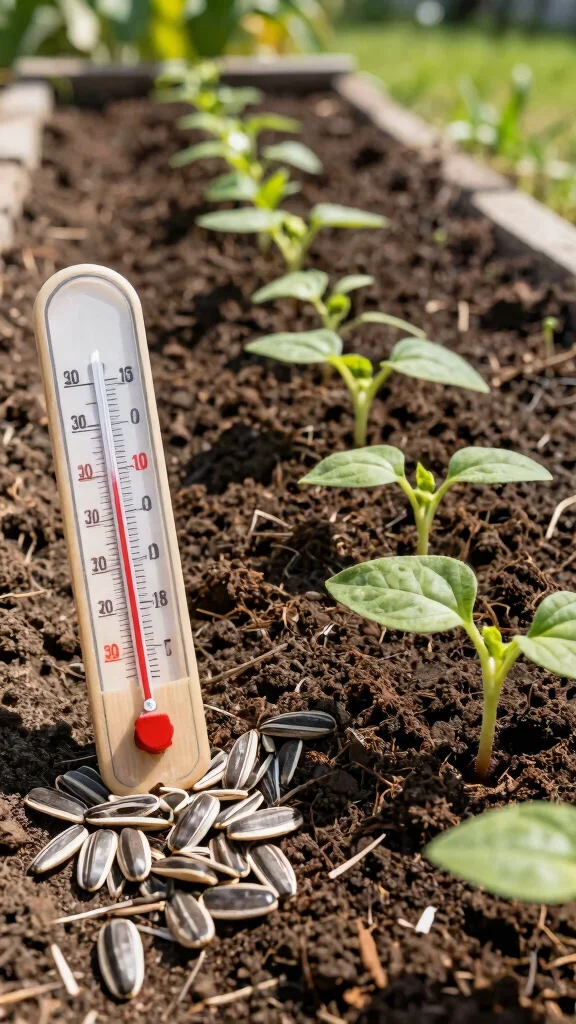
When it comes to planting sunflower seeds, timing is crucial. Understanding your local climate helps you pinpoint the best sowing window. Sunflowers love warmth, so aim to plant them after the last frost, typically between late spring and early summer.
If you’re in a location with unpredictable weather, consider starting seeds indoors in biodegradable pots. This gives them a head start, allowing you to transplant them once the frost threat is gone.
Key Tips for Timing:
– Check Frost Dates: Be aware of local frost dates for optimal planting.
– Soil Temperature: Ensure soil is above 60°F (15°C) for germination.
– Monitor Weather: Stay updated on forecasts to avoid cold surprises post-planting.
Planting at the right time ensures your sunflowers flourish to their full potential, creating a vibrant garden.
Timing Your Planting
Editor’s Choice

Taylor Soil Testing Thermometer, Gardening Tool for Plant Care, Gardenin…

1000+ Sunflower Seeds for Planting Heirloom Non-GMO, Bulk Package of 15 …

70-Pack 3.15 inch Square Peat Pots for Seedlings with 100 Labels, Biodeg…
3. Preparing Your Garden Bed
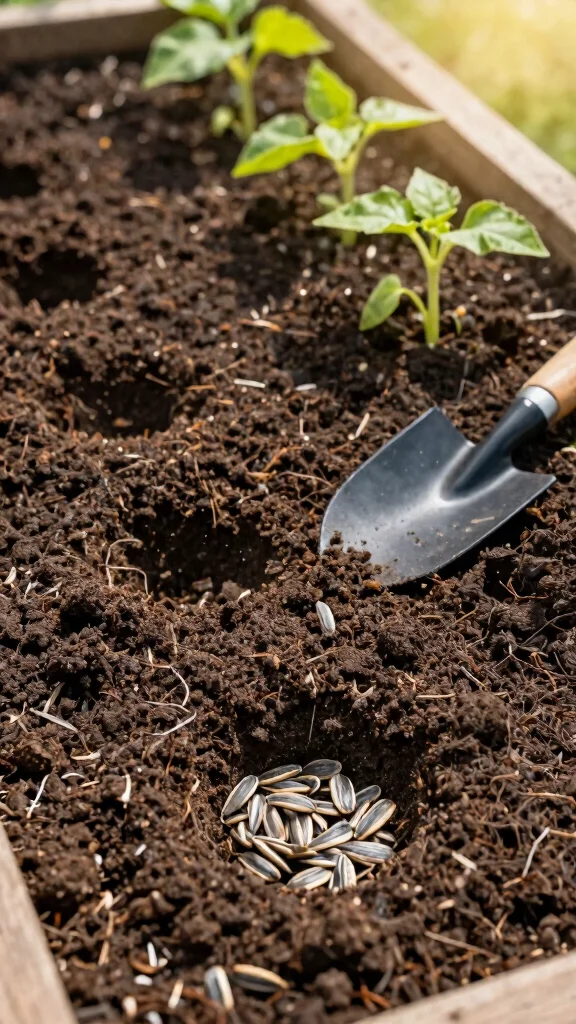
Preparing your garden bed properly is essential for your sunflowers’ success. Choose a sunny spot that gets at least six hours of sunlight daily, as this is vital for healthy growth. Clear the area of weeds, rocks, and debris to create a clean starting point.
Enrich the soil by mixing in compost or well-rotted manure to boost nutrients. If your soil is dense, incorporating sand or peat moss will improve drainage, giving your sunflowers the best chance to thrive.
Steps for Preparing Your Garden Bed:
1. Clear the Area: Remove weeds and debris.
2. Test Soil pH: Aim for slightly acidic to neutral.
3. Amend the Soil: Add organic matter for fertility.
4. Tillage: Loosen the soil for better root growth.
These preparation steps create an optimal environment, fostering strong, healthy sunflowers.
Preparing Your Garden Bed
Editor’s Choice

Rapitest Soil Test Kit for Gardens, Vegetables, Flowers and Lawns. USA d…

Fiskars Trowel, Heavy Duty Gardening Hand Tool with Hang Hole, For Diggi…

Roebic CA-1 Bacterial Compost Accelerator: 2.5 pounds, for faster compos…
4. Proper Planting Techniques
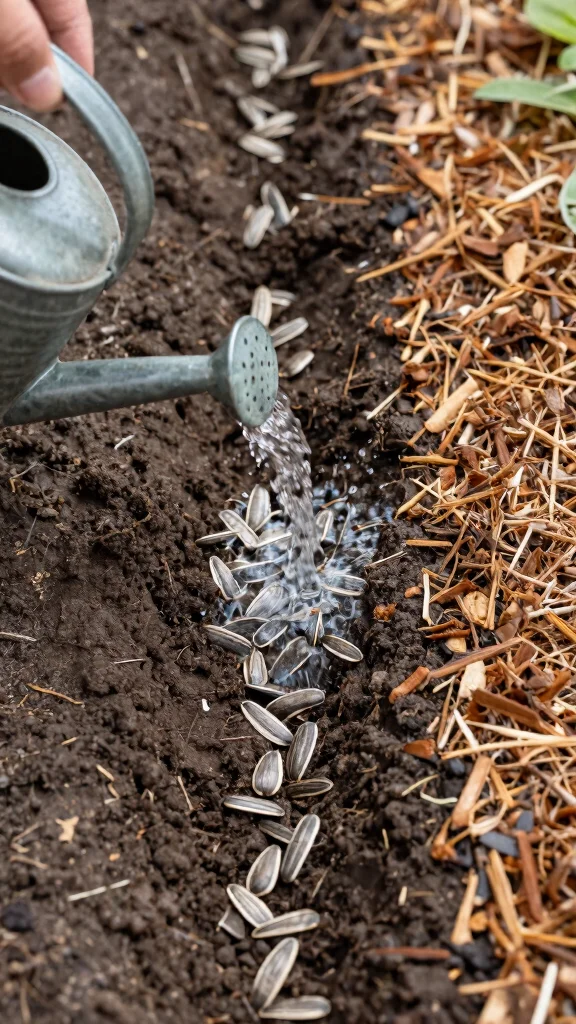
With your garden bed ready, it’s time to focus on the planting techniques that will help your sunflowers thrive. Plant sunflower seeds about 1 to 2 inches deep, adjusting based on the seed size. Generally, aim for a depth that’s three times the seed’s diameter.
Proper spacing is vital. Larger sunflowers need 18 to 24 inches between plants for optimal growth, while smaller varieties can be spaced 12 to 18 inches apart.
Planting Tips:
– Use a Garden Marker: Mark spots for even planting.
– Water Gently Post-Planting: Lightly mist the area to settle the soil.
– Mulch the Area: A layer of mulch helps retain moisture and suppress weeds.
Following these planting techniques sets the stage for healthy growth and breathtaking blooms.
You might also like


How To Choose The Right Sunflower Seed Variety
Choosing the right sunflower seed variety is crucial for a successful bloom in your garden. With many options available, each type can bring different heights, colors, and bloom sizes to your space. Here are some tips to help you decide:
1. Consider Your Space
Evaluate the area where you plan to plant your sunflowers. If you have limited space, opt for dwarf varieties like ‘Teddy Bear’ or ‘Little Becka’, which grow 1-2 feet tall. For larger gardens, standard sunflowers like ‘Mammoth’ can reach heights of 10-12 feet, making a dramatic statement.
2. Determine Bloom Color
Sunflowers are not just yellow. You can find stunning varieties like ‘Black Velvet’ with dark red petals or ‘Lemon Queen’ with soft yellow blooms. Decide what colors would complement your garden. This will help create a visually appealing landscape that matches your style.
3. Check Days to Maturity
Different sunflower varieties have varying maturity times. Most sunflowers take 70-100 days to bloom. If you want quick results, choose early varieties like ‘Sunspot’, which blooms in about 60 days. This is great for shorter growing seasons or if you want to enjoy blooms sooner.
4. Look for Pollen Production
Some sunflowers produce more pollen than others. If you’re looking to attract bees and butterflies, choose pollen-rich varieties like ‘Autumn Beauty’. However, if you want to avoid pollen in your garden, opt for pollen-free varieties such as ‘ProCut Gold’. These will keep your space cleaner.
5. Assess Disease Resistance
Some sunflower varieties are bred to resist certain diseases, such as powdery mildew or downy mildew. Check the seed packets for disease-resistant labels. Choosing resistant varieties can save you time and reduce the need for chemical treatments later.
6. Consider Your Purpose
Are you planting for beauty, seeds, or both? If you want to harvest seeds, look for varieties like ‘Mammoth Grey Stripe’ or ‘Kong’, known for their large seed heads. If your focus is on ornamental value, select varieties with unique colors or shapes that will stand out in your garden.
Pro Tip: Visit local nurseries or gardening clubs to get advice on the best sunflower varieties for your climate. Local gardeners can provide insights based on their successes and challenges. This can help you choose varieties that thrive in your specific conditions.
Proper Planting Techniques
Editor’s Choice
Fiskars Trowel, Heavy Duty Gardening Hand Tool with Hang Hole, For Diggi…

Plant Ruler by Snurfado – Wooden Seed Spacing Tool for Vegetable Garde…
5. Watering and Sunflower Care Tips
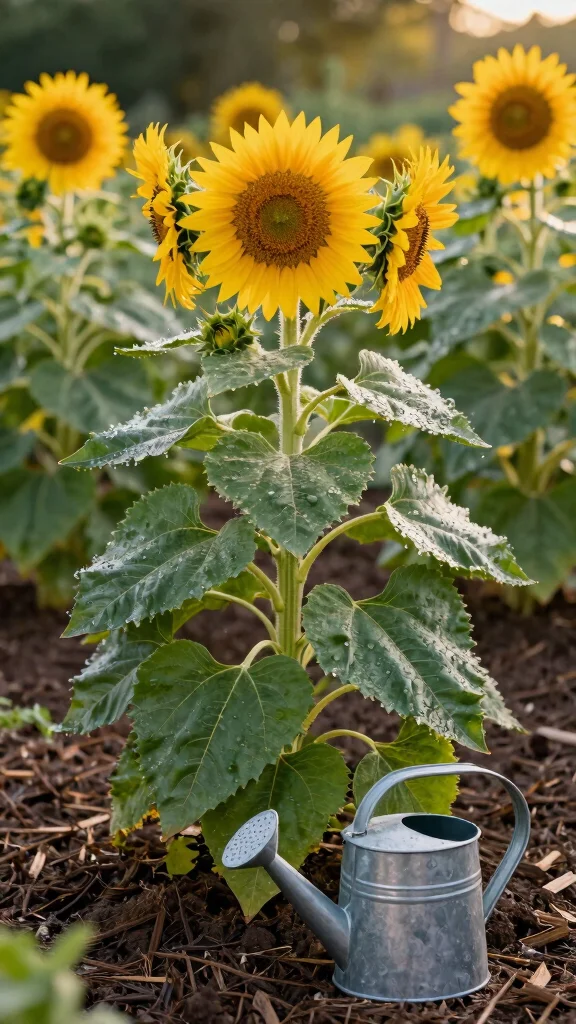
To help your sunflowers reach their full potential, proper watering and care are essential. While sunflowers are somewhat drought-resistant, they thrive on consistent moisture, especially in their early stages. Water them deeply once a week, ensuring the soil stays moist but never soggy.
Keep an eye out for pests or diseases that may affect your sunflowers. Common threats include aphids and fungal infections. Regularly inspect the foliage for issues, and consider organic pest control if necessary.
Sunflower Care Tips:
– Mulch for Moisture Retention: A good mulch layer helps maintain soil moisture.
– Use Organic Fertilizers: Balanced options can provide nutrients.
– Keep an Eye on Growth: Regular inspections help catch problems early.
Consistent care will help your sunflowers thrive, leading to impressive blooms that brighten your garden.
Fun fact: Sunflowers thrive with about 1 inch of water per week, deep watering that encourages deep roots after planting sunflower seeds. In urban gardens, keep soil consistently moist—not soggy—and regularly check for aphids or fungal infections.
Watering and Sunflower Care Tips
Editor’s Choice

Mighty Mint Peppermint Oil Insect Repellent Spray – Indoor & Outdoor B…

Watering Can for Indoor and Outdoor Plants – Long Spout Water Can for Ga…
6. Support for Tall Varieties
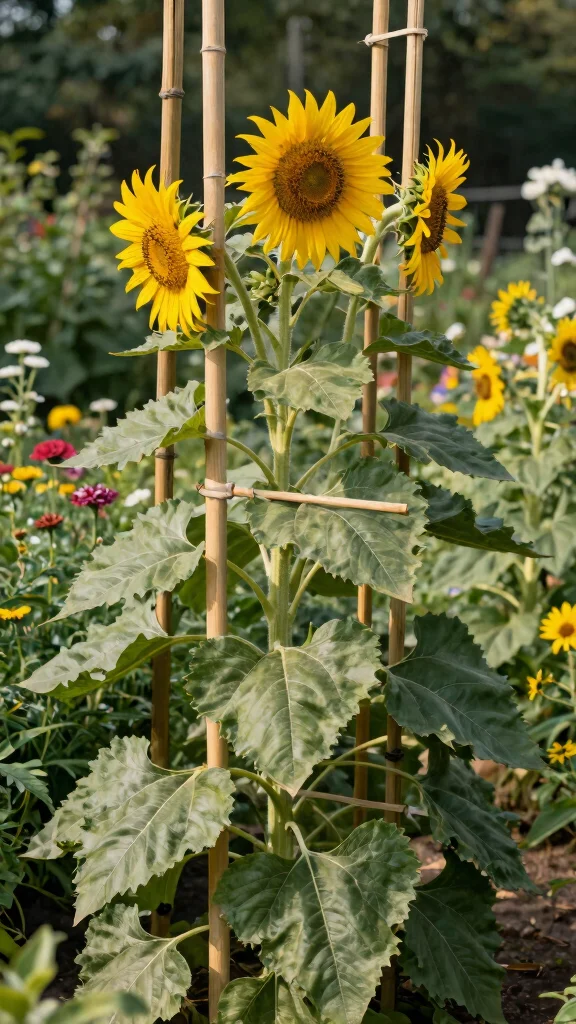
If you’re growing taller sunflower varieties, consider adding support to prevent bending or breaking in strong winds. A sturdy stake at the base can provide stability as the plants grow. For a natural touch, bamboo stakes or recycled materials can seamlessly blend into your garden.
When staking, tie the sunflowers gently with soft ties to avoid damaging the stems. This allows for some flexibility while still offering necessary support.
Support Tips:
– Choose Sturdy Stakes: Ensure they can withstand wind.
– Attach Ties Carefully: Use soft materials to prevent harm.
– Position Early: Set up supports at planting to protect roots.
Taking these precautions allows you to enjoy beautiful tall sunflowers without worrying about the weather.
📹 Related Video: Sunflower Growing Tips: Single-Stem vs. Branching
Support for Tall Varieties
Editor’s Choice

Plant Stakes,4FT Longer Sturdy Natural Bamboo Garden Stakes,GAGINANG 25P…

Hourleey 6 Pack Garden Hose Guide Spike, 10 Inch Rustproof Zinc Sturdy M…

YDSL 100 Feet Soft Tie for Plants, Green Twist Garden Ties Gardening Sup…
7. Harvesting Sunflower Seeds

After all your hard work, harvesting sunflower seeds is a rewarding experience! Sunflowers mature in 70 to 100 days, depending on the variety. They’re ready to harvest when the backs of the heads turn yellow, and the seeds feel plump and firm.
Cut the sunflower heads off using a sharp knife or garden shears, ensuring you don’t damage the stems. To dry the seeds, hang the heads upside down in a cool, dry area away from sunlight.
Harvesting Tips:
– Wear Gloves: Protect your hands from sticky sunflower heads.
– Store Properly: Keep seeds in paper bags in a cool, dark spot.
– Save Seeds for Next Season: Reserve some seeds for replanting.
Harvesting your sunflower seeds not only rewards you with stunning blooms but also provides food for birds or tasty snacks for yourself!
You Might Also Like

Harvesting Sunflower Seeds
Editor’s Choice

AC Infinity Herb Drying Rack, 6-Layer Hanging Mesh Net for Plants, Seeds…

Gamma2 Vittles Vault Dog Food Storage Container with Airtight Lid, holds…

Garden Scissors, 7-in-1 Garden Shears Multi-Tool with Sheath, Great for …
8. Enjoying Your Sunflower Garden

The ultimate joy of growing sunflowers is simply enjoying your beautiful garden! Once they bloom, sunflowers can light up your space and brighten your day. Use them in floral arrangements, share with neighbors, or let them cheerfully enhance your landscape.
Create a sunflower patch that serves as a relaxing retreat. Set up a comfy chair or a picnic blanket nearby for moments of leisure and socializing.
Enjoyment Tips:
– Photography Opportunities: Capture the vibrant blooms for lasting memories.
– Invite Friends: Host gatherings to celebrate your lovely garden.
– Educate Others: Share your sunflower growing tips with fellow gardeners.
Your sunflower garden is about more than just plants; it’s about the joy and experiences they bring to your life.
Fun fact: A single sunflower head can hold up to 1,000 seeds, turning planting sunflower seeds into a pantry for pollinators and friends. Grow, enjoy, and share—your sunflower garden becomes a relaxing retreat and a bright centerpiece in one.
Enjoying Your Sunflower Garden
Editor’s Choice

Canon EOS Rebel T7 DSLR Camera EF-S 18-55mm f/3.5-5.6 is II Lens Kit, 24…

Crosley Furniture Griffith Outdoor Chair, Retro Metal Patio Chairs for D…
Conclusion

Growing sunflowers in your urban garden can be a rewarding adventure filled with vibrant colors and the joy of nurturing life. By following these tips on planting sunflower seeds and caring for them, you can create a stunning display that not only beautifies your space but also attracts pollinators and brings happiness.
The delightful blooms of sunflowers serve as a reminder of nature’s beauty and resilience, making them a perfect choice for urban gardening enthusiasts. So grab your seeds, roll up your sleeves, and embark on this sunflower journey this season!
Note: We aim to provide accurate product links, but some may occasionally expire or become unavailable. If this happens, please search directly on Amazon for the product or a suitable alternative.
This post contains Amazon affiliate links, meaning we may earn a small commission if you purchase through our links, at no extra cost to you.
Frequently Asked Questions
What is the best time to plant sunflower seeds in an urban garden this season?
Timing depends on your climate, but a practical approach for urban gardeners is to start indoors 2-4 weeks before the last frost, then transplant after danger has passed. For direct sowing, wait until the soil warms to about 60°F (15°C). In compact urban spaces, you can plant sunflower seed varieties that fit containers. Sow seeds 1-2 inches deep and space 12-18 inches apart for tall varieties, or 6-8 inches apart for dwarfs. Provide full sun (6-8 hours) and deep watering to establish strong roots. Stake tall stems early and mulch to control weeds. This is seasonal gardening advice for planting sunflower seeds in city spaces.
Which sunflower seed varieties are best for tall, stunning blooms in urban or container gardens?
For a dramatic, tall display in urban spaces, start with giants like Mammoth Russian Giant, Russian Giant, or Sunzilla. For containers, choose tall but slightly more compact options so they’re easier to manage in pots. Plant in rich, well-draining soil and give each plant a sturdy stake as they grow. In general, select sunflower seed varieties known for height and strong stems, and remember that sun, water, and soil fertility also influence final height. Pro tip: plant in blocks rather than single rows to improve stability and flowering.
How much sunlight and what soil conditions do sunflowers need to thrive in urban settings?
Sunflowers love full sun—aim for 6-8 hours of direct sunlight each day. Use well-draining soil with a neutral to mildly alkaline pH (roughly 6.0–7.5). In containers, use a high-quality potting mix enriched with compost. Water deeply but infrequently once established to encourage deep roots; avoid waterlogged soil. Mulch helps conserve moisture and suppress weeds. This is a core part of sunflower care tips for growing sunflowers in urban gardens.
What garden planting techniques work best for growing sunflowers in urban environments?
Opt for deep containers (at least 12–18 inches) or raised beds so roots have room to spread. Direct-sow seeds 1–2 inches deep, spacing 12–18 inches apart for tall varieties and closer for dwarfs. Plant in blocks rather than single rows to improve stability and pollination. Stake tall varieties early and rotate plantings each season to reduce disease pressure. Consider staggered sowings to extend the bloom period. This taps into garden planting techniques for urban sunflower beds.
What are common problems when planting sunflower seeds and how can I prevent them?
Common problems include poor germination in cold soil, damping-off of seedlings, birds eating seeds, aphids on foliage, and powdery mildew in humid conditions. Prevent by warming soil before sowing, using a seed-starting mix indoors if needed, and protecting fresh sprouts with a lightweight cover. After seedlings appear, water at the base to avoid wet foliage, and space plants adequately for good air circulation. Install sturdy stakes for tall varieties to prevent lodging, and rotate crops each year to reduce soil-borne issues. This is practical seasonal gardening advice and part of sunflower care tips for growing sunflowers in urban spaces.
Related Topics
planting sunflower seeds
sunflower care tips
urban gardening
growing sunflowers
seasonal gardening
sunflower varieties
beginner gardening
easy gardening tips
tall sunflowers
flower gardening
gardening techniques
summer blooms