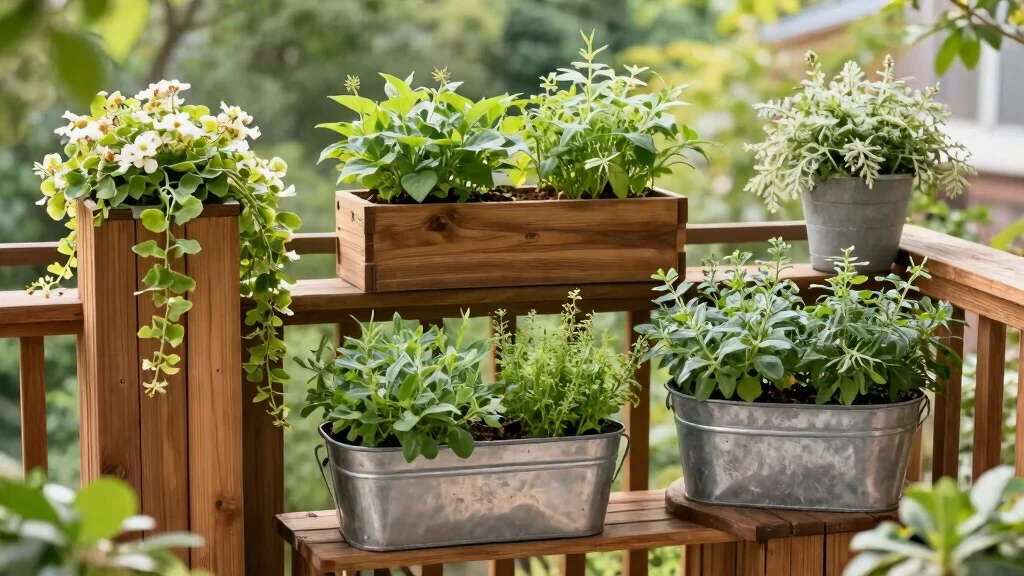
Creating a vibrant home with plenty of greenery has never been easier, especially if you’re short on space. If the thought of filling your apartment or small yard with beautiful plants excites you, you’re in the right place. The idea behind this blog post is to inspire you with creative planter box designs that will help transform any corner of your home into a green oasis. Whether you’re looking to hang your plants or stack them vertically, these ideas will turn your small spaces into stunning displays.
This guide is for anyone who loves gardening, even if you’re just starting out. If you’re living in a compact apartment or have a tiny backyard, these vertical planter ideas can work magic. You’ll find options that not only beautify your home but also bring you closer to nature. With these unique DIY planter projects, you can express your creativity while nurturing plants that will thrive in small areas.
Get ready to explore 8 planter box ideas that are both stylish and practical. From using repurposed furniture to crafting a tiered garden, you’ll discover ways to showcase your plants beautifully and make the most of your space. By the end of this article, you’ll be equipped with simple yet effective ideas that will elevate your home decor and your gardening skills.
Key Takeaways
– Discover unique planter box designs that make the most of small spaces, ideal for apartments or tiny yards.
– Learn about various materials and styles, from vertical wooden pallets to tiered and hanging planters.
– Get inspired by DIY projects that let you express your creativity while beautifying your home.
– Find practical tips for maintaining your new planters and ensuring your plants thrive.
– Create stunning outdoor decor that enhances your living space and brings nature closer to your daily life.
1. Vertical Wooden Pallet Planter
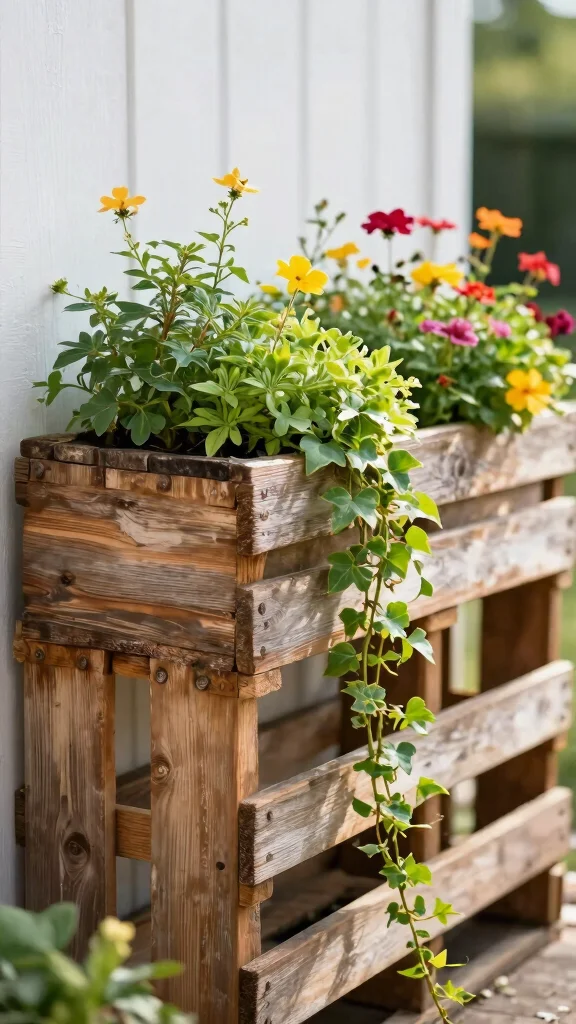
If you’re in search of a charming, rustic touch for your garden, a vertical wooden pallet planter is a fantastic choice. By repurposing old pallets, you not only create an eco-friendly planter but also gain vertical space to showcase a variety of plants. Imagine vibrant flowers and aromatic herbs thriving in the slots of a stylish pallet, all while enhancing your outdoor aesthetic.
To make your own pallet planter, start by sanding the wood for a smooth finish. Add a waterproof liner to each section and fill it with nutrient-rich potting soil. Choose plants that thrive in vertical setups, such as trailing ivy or compact succulents, to maximize your design.
Key steps to get started:
– Position your pallet where it receives ample sunlight.
– Use hooks to secure small pots for effortless watering.
– Adorn with fairy lights for a cozy evening ambiance.
This design not only showcases your plants beautifully but also adds unique character and charm to your garden.
Turning a DIY vertical pallet planter into a green wall is easier than you think. Repurposing old pallets saves money, space, and waste, so your balcony can host peppers, herbs, and blooms, with no floor space required. Grab sandpaper, a few nails, and watch your planter box come to life.
Vertical Wooden Pallet Planter
Editor’s Choice
13.7 Inch Plant Pot Grid from Animals, Wooden Plant Pot Cover, Indoor Pl…


Miracle-Gro Organic Outdoor Potting Mix – Plant Soil for Outdoor Contain…

Pallet, 48 in. L x 24 in. H, Black, Stackable, 4-Way, Dynamic Load Capac…
2. Stackable Container Garden

Discover the beauty of vertical gardening with stackable containers! These clever designs let you grow a variety of plants while saving space, making them ideal for patios or small balconies. Choose from materials like ceramic, plastic, or recycled items, and enjoy the layered aesthetic that enhances your outdoor decor.
To assemble your stackable garden, start by selecting containers in different sizes. Ensure proper drainage by drilling holes in the bottoms and fill each with potting soil suitable for your plants. This approach allows you to mix colorful flowers with aromatic herbs or even small vegetables.
Consider this:
– Rotate plants for even sunlight exposure.
– Paint containers in matching colors for a cohesive look.
– Incorporate trailing plants at the top for a cascading effect.
These stackable gardens are not only practical but also serve as a delightful focal point for any outdoor area.
Stackable Container Garden
Editor’s Choice

Stackable Vertical Planter Tower, 4 Tier Strawberry Planter,16 Plant Sit…
Miracle-Gro Organic Outdoor Potting Mix – Plant Soil for Outdoor Contain…
3. Hanging Planter Boxes

Elevate your gardening game with hanging planter boxes! Perfect for those with limited ground space, these planters add an elegant touch to your outdoor decor. Hang them from ceilings, balconies, or garden hooks to create a beautiful vertical display.
Making your own hanging planter box is straightforward. Choose a sturdy wooden or metal box, drill drainage holes, and attach durable hooks or chains. Fill them with cascading plants like petunias or trailing succulents to achieve a lush waterfall effect.
Here are a few ideas to enhance your hanging planters:
– Mix various heights for visual interest.
– Use colorful plants to make a bold statement.
– Consider seasonal swaps to keep the display fresh.
Hanging planter boxes not only beautify your space but also create an eye-catching vertical garden that draws the eye upward.
Hanging Planter Boxes
Editor’s Choice

Lobelia Seeds,Trailing Mixed, Use in hanging baskets or trailing over wi…
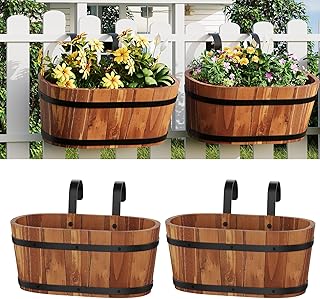
2PACK Wooden Cute Hanging Flower Pots for Railing Fence Outdoor Planter …

ESFUN 6 Pack 12 inch Extra Large S Hooks Black Heavy Duty Long S Hooks f…
4. Vertical Pipe Planter
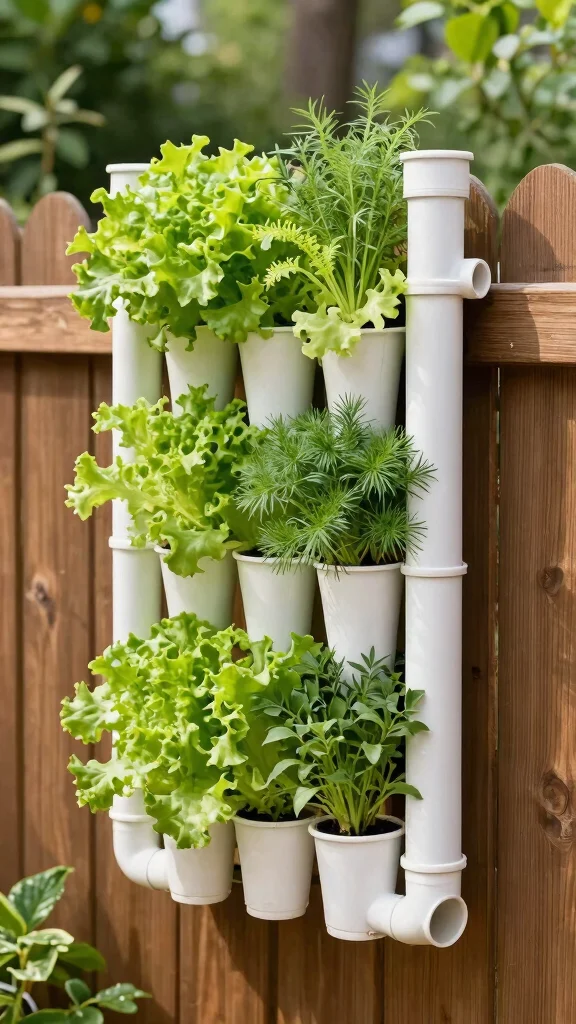
For those who appreciate modern design, vertical pipe planters offer a sleek and functional way to grow plants. Utilizing PVC pipes allows for space-saving planters that are not only visually appealing but also easy to maintain. This innovative design ensures proper watering and drainage, making it perfect for herbs and vegetables.
To craft your vertical pipe planter, start by cutting PVC pipe sections to your preferred length. Drill holes in the sides for planting and drainage, then attach your pipes vertically using a frame or wall mount. Fill the pipes with potting mix and choose shallow-rooted plants like salad greens for best results.
Consider these tips:
– Paint the pipes in vibrant colors to fit your backyard theme.
– Dedicate one pipe for herbs for fresh ingredients at your fingertips.
– Secure the pipes firmly to prevent tipping over.
This design beautifully merges modern aesthetics with practicality, creating a stunning vertical garden feature.
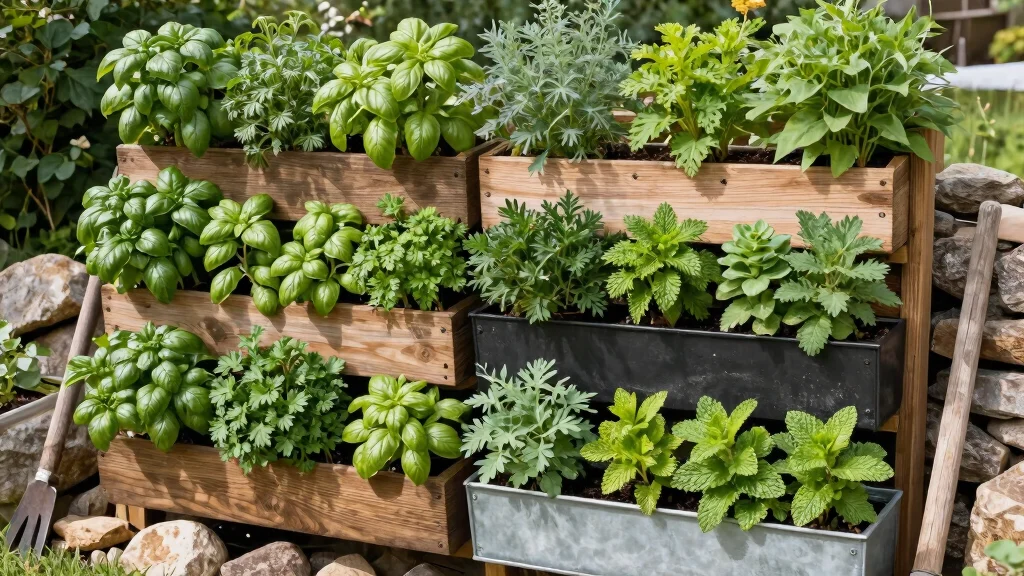
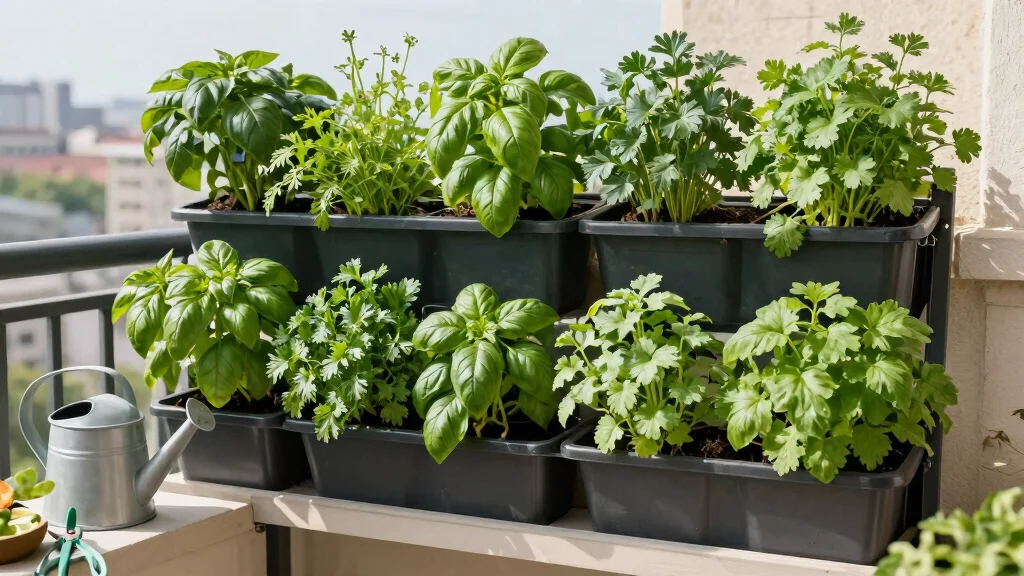
Small spaces? No problem. A vertical pipe planter turns PVC into a sleek, space-saving planter box—easy to water, easy to maintain, and perfect for herbs. Start with a few cuts, drill the holes, and watch your kitchen herbs thrive.
You might also like
Vertical Pipe Planter
Editor’s Choice

Bates- PVC Pipe Cutter, Cuts up to 1-1/4″, Ratcheting PVC Pipe Cutter To…

DEWALT 20V Max Cordless Drill Driver Set, 2 Speed, High Performance Moto…

Burpee, 9 Quarts | Premium Organic Potting Natural Soil Mix Food Ideal f…
5. DIY Ladder Planter Box
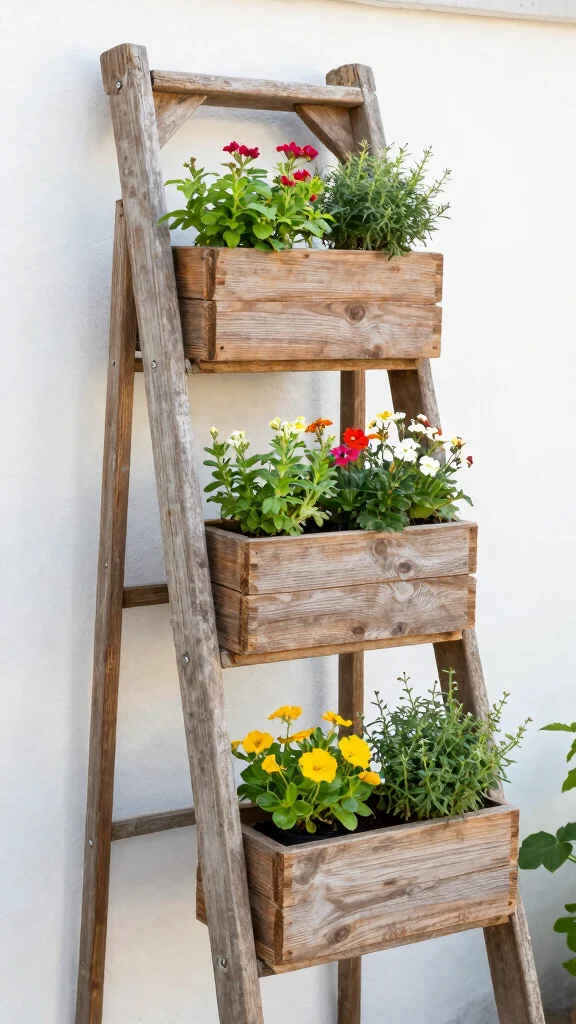
Get creative with a DIY ladder planter box! This fun project transforms an ordinary wooden ladder into a captivating vertical garden display. It’s a unique way to showcase your plants while adding rustic charm to your outdoor space.
To build your ladder planter box, find an old wooden ladder and clean it up. Secure small wooden boxes on the rungs to hold your plants, then fill them with soil and your choice of colorful blooms or herbs. You can leave the ladder as is for a rustic look or paint it to match your style.
Here are some ideas to enhance your ladder planter:
– Add hooks for hanging pots or gardening tools.
– Use various container sizes for visual appeal.
– Position it against a wall or in a cozy corner.
This DIY project not only beautifully displays your plants but also serves as a charming focal point in your garden.
Difficulty Rating & Requirements
Overall Difficulty Rating: Medium
Creating planter boxes can be a rewarding project, but it does require some basic woodworking skills. If you’re comfortable using tools and have a bit of creativity, this project is suitable for you. Those with more experience will find it easier, while beginners may need extra guidance.
Time Estimate:
⏱ Estimated time: 3-5 hours
– Planning & Design: 1 hour (sketch ideas and gather materials)
– Building the Planter Box: 2-3 hours (actual construction time)
– Finishing Touches: 1 hour (painting, staining, and planting)
Skill Requirements:
– Required skills: Basic woodworking, measuring, cutting, and assembly
– Beginner-friendly: Yes, with guidance. Even if you’re new to woodworking, you can learn the necessary skills with a bit of patience.
– Skills like measuring and cutting can be learned through tutorials, while assembly may require some practice for those new to DIY projects.
Tools & Materials Needed:
🧰 Essential items checklist:
– Wood planks (required): Choose rot-resistant wood like cedar or redwood.
– Wood screws (required): For assembling planter boxes securely.
– Drill (required): Essential for making holes and driving screws.
– Saw (required): A circular saw or hand saw will work.
– Sandpaper (optional): For smoothing edges and surfaces.
– Paint/Stain (optional): To protect the wood and add color.
– Plastic liner (optional): To prevent soil leakage and protect the wood.
– Plants (required): Choose plants suited for the specific environment of your space.
Step-by-Step Overview:
1. Planning & Design (1 hour): Start by sketching your ideal planter box. Decide on dimensions and plant types.
2. Cutting Wood (1 hour): Measure and cut your wood pieces according to your design. Make sure to wear safety goggles!
3. Assembling the Box (1-2 hours): Use screws to secure the pieces together. Ensure everything is aligned and stable.
4. Finishing (1 hour): Sand down edges, apply paint or stain, and allow it to dry. Add a plastic liner if desired.
5. Planting (30 minutes): Fill the box with soil and plant your chosen plants. Water them well and enjoy your new green space!
Professional vs DIY:
Cost Comparison: Hiring a professional to build a planter box can range from $200 to $600, depending on size and materials. By doing it yourself, you might spend only $50 to $150 on materials, depending on the quality of wood and plants you choose. If you’re handy and enjoy crafting, DIYing offers a significant savings and allows for personalization. However, if you’re uncertain and desire a polished finish, hiring a professional might be worth the investment.
DIY Ladder Planter Box
Editor’s Choice

Melphoe 25Pcs Mini Garden Hand Transplanting Succulent Tools Set, 39.4″ …

Yaheetech 43.5″ L×16″ W×14″ H Wooden Raised Garden Bed, Horticul…
Miracle-Gro Houseplant Potting Mix – Fertilized Indoor Plant Soil for Co…
6. Tiered Planter Box Garden
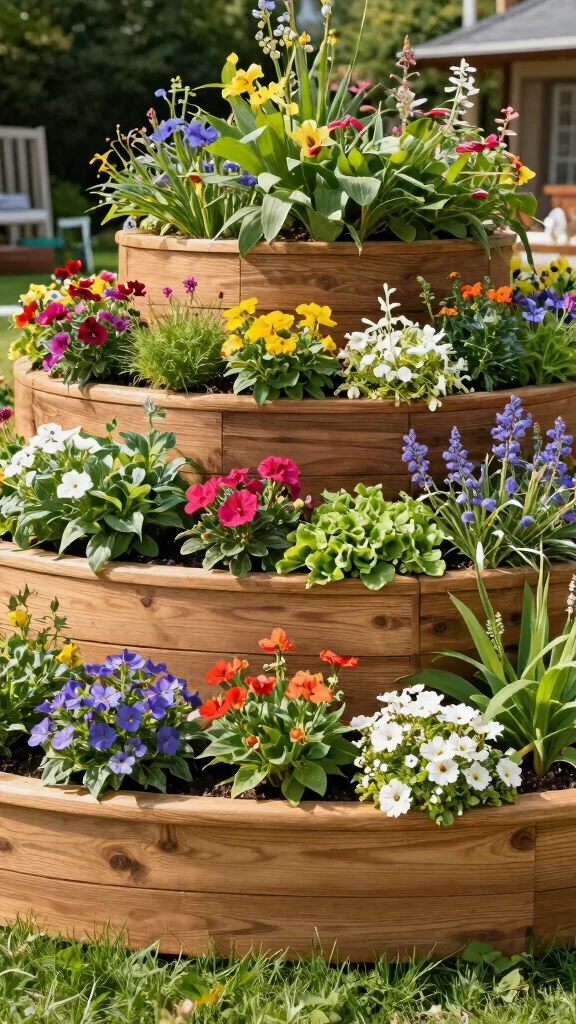
Maximize your gardening space with a tiered planter box garden! This design effectively utilizes vertical space, making it an excellent option for growing a variety of plants in limited areas. The tiered arrangement not only looks stunning but also optimizes sunlight exposure for all plants.
To create a tiered planter box garden, start by using wooden boards to build your levels. Ensure each tier has drainage holes and is filled with quality potting mix. Arrange plants from tallest at the back to shortest at the front for a balanced look.
Enhance your design by:
– Adding a decorative trellis at the back for climbing plants.
– Painting the boxes in bright colors for a cheerful vibe.
– Using mulch to help retain moisture in the soil.
A tiered planter box garden not only boosts your gardening potential but also creates an eye-catching display that draws attention.
📹 Related Video: DIY Tiered 5 box planter- Low Cost High Profit – Make Money Woodworking
Tiered Planter Box Garden
Editor’s Choice

Miracle-Gro Potting Mix – For Container Plants, Flowers, Vegetables, Shr…

Furinno 2-FG16450 Tioman Hardwood Flower Box, Two-Pack, Natural

K-Brands Auger Drill Bit for Planting – 4 x 12 Inch – Garden Spiral Ho…
7. Repurposed Furniture Planters
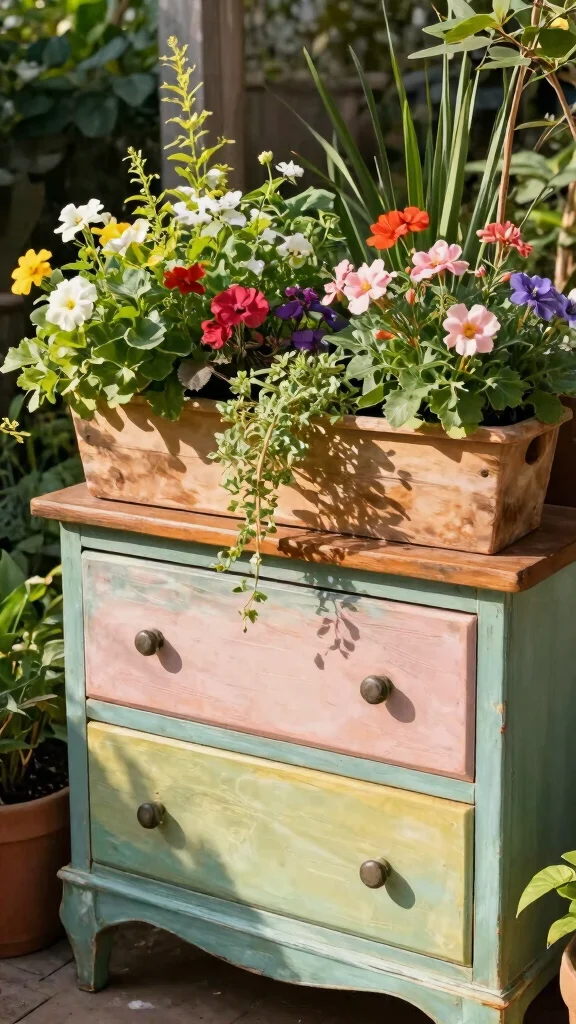
Get imaginative with your gardening by transforming old furniture into beautiful planter boxes! Whether it’s a vintage dresser, an old chair, or a worn-out table, repurposing furniture for planting saves space and adds unique character to your outdoor decor.
To create your repurposed furniture planters, start by choosing a piece that can be converted into a planter. Remove any unnecessary drawers or surfaces, then line the interior with a waterproof material and fill it with soil. Mix flowers or even vegetables for a lively display.
Here’s how to make the most of your repurposed planters:
– Paint or stain the furniture to suit your garden decor.
– Use decorative gravel on top of the soil for a polished finish.
– Add personal touches like garden stakes or fairy lights.
These upcycled planters not only reduce waste but also offer an eclectic charm to your gardening area.
You Might Also Like

Repurposed Furniture Planters
Editor’s Choice
Miracle-Gro Organic Outdoor Potting Mix – Plant Soil for Outdoor Contain…

Grenebo Gardening Tools 9-Piece Heavy Duty Garden Hand Tools with Fashio…

SUNYAY 16×40 inch Natural Coconut Coir Liner Sheets Coco Fiber Roll Coco…
8. Wall-mounted Planters

For those with limited space, wall-mounted planters are the perfect solution! These stylish designs allow you to cultivate a garden right on your wall, making them ideal for small balconies or indoor areas. Wall-mounted planters come in various styles, from simple boxes to intricate vertical gardens.
To create your wall-mounted planter, start by selecting a suitable wall space and anchoring it securely. Choose containers that fit your space and plant types, then hang your planters and fill them with your favorite plants. This design works well for a mix of herbs, flowers, or even succulents.
Enhance your wall-mounted garden by:
– Using colors that complement your decor.
– Adding a drip tray to catch excess water.
– Mixing different shapes and sizes for a modern appeal.
Wall-mounted planters not only save space but also create a stunning green display that enlivens your home!
Fun fact: A 24-inch wall-mounted setup can hold 6–8 compact planters, turning a tiny balcony into a lush vertical garden. Measure, anchor securely, and hang lightweight containers to create instant greenery without sacrificing floor space.
Wall-mounted Planters
Editor’s Choice

36 Pockets Living Wall Planter Indoor, Self Watering Wall Hanging Plante…

Make Good PlantPod Luxe – Self-Watering Wall Planters (Set of 6) – Easy …
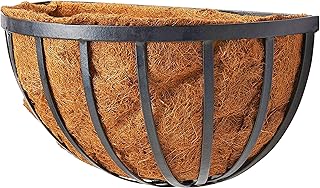
Arcadia Garden Products 1527 Half Round Wall Mounted Hanging Planter Bas…
Conclusion
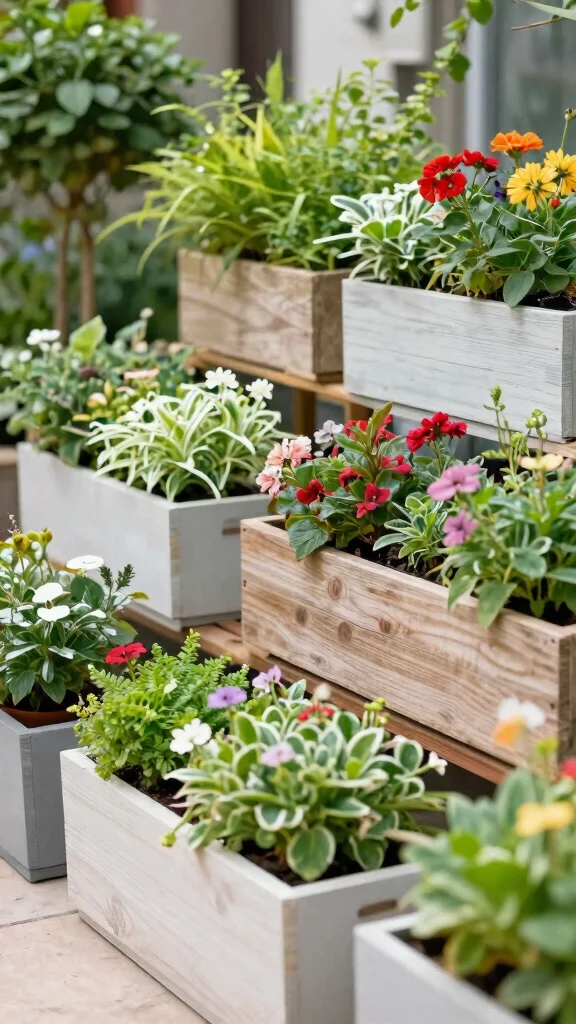
Elevate your gardening game with these creative planter box ideas that are perfect for small spaces! From DIY projects to unique store-bought options, there’s a design for everyone looking to add a touch of nature to their home. Whether you choose vertical pallet planters, repurposed furniture, or sleek wall-mounted options, the possibilities are endless. Now is the time to get started on your vertical gardening journey and transform your spaces into green retreats! Happy planting!
Note: We aim to provide accurate product links, but some may occasionally expire or become unavailable. If this happens, please search directly on Amazon for the product or a suitable alternative.
This post contains Amazon affiliate links, meaning we may earn a small commission if you purchase through our links, at no extra cost to you.
Frequently Asked Questions
What is a planter box and how can I use vertical planters to maximize small spaces?
A planter box is a sturdy container you fill with soil to grow herbs, flowers, or small vegetables. When space is tight, go vertical: install a wall-mounted rack, lean a ladder-style display, or stack shallow boxes to create a living wall without crowding the floor. For beginners, start with one or two vertical planters in a sunny spot and build your collection over time as part of your outdoor decor and container gardening setup. Ensure drainage holes and a tray to catch excess water, and use lightweight, weatherproof materials so your planter box display lasts season after season. Ready to try? measure your space, choose plants that suit sun and wind, and secure the planters well to prevent tipping. Vertical planters are a simple, impactful way to show off stunning plants around your home.
Which materials and design tips make the best vertical planter boxes for durability and style?
Durable vertical planter boxes start with material choice: cedar or treated wood for a classic look, UV-resistant plastic for lightness, or powder-coated metal for modern style. For DIY planter projects, build a simple frame that fits your space, add drainage and a water reservoir, and seal wood to withstand weather. Think about ease of assembly and maintenance: use modular boxes or pockets that you can rearrange later, choose colors that match your outdoor decor, and consider mounting options or freestanding stands. If you might move them, lightweight plastic or fabric pockets are convenient. Finally, pick a good potting mix and ensure proper drainage to support healthy container gardening plants and a cohesive look with nearby raised garden beds.
How can I combine planter boxes with raised garden beds for a cohesive look in outdoor decor?
To create a cohesive look, pick planter boxes that echo the material or color of your raised garden beds. Place vertical planters at the ends of beds or along a fence to frame the area and add height. Mix textures by pairing wooden planter box combos with metal or fabric pockets, and keep drainage consistent across containers. Group them in odd numbers for visual interest and connect them with a border or path to enhance your outdoor decor feel. For seasons, rotate a few herbs and flowers in the vertical planters to complement the ornamental plants in your raised garden beds, while keeping container gardening practical.
What plants thrive in container gardening when using vertical planter boxes?
Plants that thrive in container gardening with vertical planter boxes include herbs like basil, thyme, and oregano; compact greens such as baby lettuce; and trailing plants like nasturtiums, ivy, or sweet potato vine. Choose varieties that stay compact or spill over the edges, and match sun exposure to plant needs. Use a lightweight potting mix with good drainage and consider a water-retentive blend if you’re away from the planters often. A simple drip irrigation or self-watering insert can help keep moisture even in vertical boxes. With the right plants, your vertical planter display will stay vibrant all season.
What are quick DIY planter projects I can start this weekend to create stunning displays?
Here are weekend-friendly DIY planter projects: 1) a ladder-style vertical planter made from inexpensive boards, stained to suit your outdoor decor; 2) repurposed fabric shoe organizers turned into pocket planters for herbs; 3) PVC pipe columns with hanging pots for a budget-friendly vertical wall; 4) a pallet planter using staggered boxes to mimic a living wall. All are simple, affordable, and great for DIY planter projects. Start by measuring your space, choosing pest-proof containers, and securing everything safely. With a few hours of work, you’ll have a stunning planter box display that elevates your home’s outdoor area.
Related Topics
planter box
vertical gardening
small spaces
DIY planter projects
raised garden beds
container gardening
outdoor decor
space-saving solutions
beginner friendly
easy gardening
urban gardening
seasonal planting