
Creating a large terrarium has become a popular way to liven up indoor spaces. Whether you’re a seasoned plant parent or just starting your indoor gardening journey, these beautiful glass ecosystems can make a bold statement in any room. I crafted this post to share some creative and stylish large terrarium ideas that will inspire you to bring a touch of nature indoors.
If you appreciate modern home decor and love the idea of decorative terrariums, you’re in the right place. This guide is tailored for those who enjoy adding unique design elements to their homes, whether you’re sprucing up your living room, office, or any other space. You’ll discover nine stunning ideas that not only enhance your environment but also offer an enjoyable DIY experience.
Get ready to explore large terrarium designs that are eye-catching, fun, and perfect for expressing your personal style. From whimsical fairy tales to industrial chic looks, each idea offers something special. You’ll gain practical tips and inspiration to create your very own indoor paradise.
Key Takeaways
– Discover Unique Designs: Explore nine creative large terrarium ideas that make bold statements in any room.
– DIY Inspiration: Gain practical DIY terrarium ideas that are both fun and accessible for all skill levels.
– Indoor Gardening Benefits: Learn how decorative terrariums can enhance your indoor gardening experience and improve your living space.
– Modern Home Decor Tips: Find ways to incorporate large terrariums into your modern home decor for a stylish, green touch.
– Creative Expression: Unleash your creativity by customizing your terrarium with unique plants and design elements that reflect your personality.
1. The Towering Garden

A towering terrarium adds a striking vertical element to your space, capturing attention and creating a sense of depth. The combination of cascading vines and vibrant foliage in a large glass cylinder creates a stunning focal point that brings nature indoors. Imagine a lush display featuring plants like pothos, ferns, and string of hearts, artfully arranged to showcase their beautiful textures and colors. Placing this statement piece in a bright, sunny corner not only enhances the room’s ambiance but also purifies the air, making your environment feel fresh and lively.
To achieve this eye-catching design, focus on layering soils and pebbles to ensure proper drainage and root space. Consider budget-friendly options like local garden centers or online plant shops for sourcing your greenery. This design aligns with the trend of bringing the outdoors in, promoting a natural and calming atmosphere.
Consider these elements for your towering garden:
– Pair tall plants with trailing vines for visual contrast.
– Ensure ample sunlight reaches your terrarium for plant health.
– Use a mix of smooth pebbles and rough bark to add depth.
This design effortlessly transforms any space into a vibrant oasis, adding both beauty and a breath of fresh air.
📹 Related Video: How To Make a Terrarium: An In-Depth Tutorial
The Towering Garden
Editor’s Choice

Large Glass Terrarium House Planter – Succulent Plant Glass Greenhouse…


Costa Farms Boston Fern (2-Pack) Live Indoor Plants, 2-3 ft Tall – Low L…
2. Succulent Wonderland

Creating a succulent wonderland in a large terrarium offers a playful burst of color and an exotic vibe. By using a wide glass bowl, you can showcase a variety of succulents that thrive in dry conditions, featuring deep reds, vibrant greens, and soft blues. The diversity in shapes and hues adds visual interest, making it an engaging centerpiece in any room. Starting with a layer of coarse sand followed by cactus mix soil ensures excellent drainage, promoting healthy growth for these low-maintenance plants.
As you design, consider grouping succulents with similar care needs together for ease of maintenance. You can also add decorative elements like colorful pebbles or small rocks to enhance the aesthetic. This design connects to the broader trend of minimalistic gardening, which emphasizes low upkeep and modern flair.
Here are some ideas to enhance your succulent wonderland:
– Group similar succulents for cohesive care and look.
– Add decorative stones for added contrast and texture.
– Position in bright, indirect light for optimal growth.
This lively arrangement serves as a captivating focal point, bringing joy and vibrancy to your indoor space.
Ongoing Maintenance & Care Guide
Maintenance Schedule:
Daily/Weekly Tasks:
– Check Moisture Levels: Inspect the soil moisture in your large terrarium. If it feels dry, it’s time for a light watering. This should take about 5 minutes.
– Remove Dead Leaves: Look for any yellowing or dead foliage. Snip these away to keep your terrarium looking fresh. This task should take about 10 minutes.
– Dust the Glass: Wipe the inside of the glass with a soft, damp cloth to keep it clean. It typically takes around 5 minutes.
– Rotate Plants: Turn your terrarium occasionally to ensure all plants receive equal light. This can be done in just a couple of minutes.
Monthly/Seasonal Tasks:
– Watering Schedule Adjustment: Depending on the season, adjust how much you water your plants. In summer, they may need more, while in winter, less is often needed. Allow about 15 minutes for this.
– Fertilize Your Plants: Every month, apply a diluted liquid fertilizer to your plants to promote growth. This may take around 10 minutes.
– Prune Overgrown Plants: Trim any plants that are becoming too large for the space. This keeps your terrarium neat and can take about 20 minutes.
– Check for Pests: Look for any signs of pests, like webbing or holes in leaves. If found, treat the plants accordingly, which may take around 15 minutes.
– Refresh Soil: Every six months, consider replacing the top layer of soil to provide fresh nutrients. Expect this to take about 30 minutes.
Maintenance Summary Table:
| Task | Frequency | Difficulty | Time Needed |
|—————————-|—————–|————|—————|
| Check Moisture Levels | Daily/Weekly | Easy | 5 minutes |
| Remove Dead Leaves | Daily/Weekly | Easy | 10 minutes |
| Dust the Glass | Daily/Weekly | Easy | 5 minutes |
| Rotate Plants | Daily/Weekly | Easy | 2 minutes |
| Watering Schedule Adjustment| Monthly | Moderate | 15 minutes |
| Fertilize Your Plants | Monthly | Easy | 10 minutes |
| Prune Overgrown Plants | Monthly | Moderate | 20 minutes |
| Check for Pests | Monthly | Moderate | 15 minutes |
| Refresh Soil | Every 6 months | Moderate | 30 minutes |
Common Issues to Watch For:
⚠️ Yellowing Leaves: This often indicates overwatering. Check the soil moisture and adjust your watering habits.
⚠️ Mold Growth: If you see white patches on the soil or plants, it may be too humid. Reduce watering and increase air circulation.
⚠️ Leggy Plants: This suggests that your plants are not getting enough light. Consider moving the terrarium to a brighter location.
⚠️ Pest Infestations: Look for small bugs or webbing on plants. Remove affected plants or treat them with insecticidal soap.
⚠️ Condensation Buildup: Excess moisture inside can lead to mold. Open the lid for a few hours to reduce humidity levels.
Care Tips:
💡 Choose the Right Plants: Select plants that thrive in similar conditions. This will make care easier and improve your terrarium’s appearance.
💡 Use High-Quality Soil: A good potting mix promotes healthy growth. Look for a soil blend designed for terrariums or indoor gardening.
💡 Provide Adequate Light: Place your terrarium where it can get bright, indirect sunlight. Avoid direct sunlight to prevent overheating.
💡 Maintain Proper Humidity: Keep the terrarium covered to maintain humidity, but remember to ventilate regularly to prevent mold.
💡 Be Patient: Plants may take time to adjust after initial setup. Give them time to adapt before making drastic changes.
Succulent Wonderland
Editor’s Choice

ELEGANTLIFE Glass Geometric Plant Terrarium,Succulent & Air Planter for …

Coarse Sand Stone 1LB Decorative Rocks Sand Stone,Mix Coarse Sand for Pl…

Back to the Roots 100% Organic Succulent & Cacti Mix (6 Quart) | Made in…
3. Tropical Paradise

Transform your home into a tropical paradise with a large terrarium that captures the essence of a lush rainforest. By selecting a mix of tropical plants such as orchids, bromeliads, and ferns, you can create a vibrant ecosystem that thrives in humidity. Using a tall glass container allows you to layer plants effectively, while incorporating a misting system or regular watering helps maintain the moisture they crave. This unique design not only adds beauty but also fosters a calming atmosphere, perfect for relaxation.
Focus on choosing plants that are native to humid environments for harmony in your terrarium. Adding decorative elements like driftwood or moss enhances the tropical feel while providing visual interest. This approach aligns with the growing trend of biophilic design, which aims to connect people with nature.
Key elements to consider for your tropical paradise:
– Choose humidity-loving plants for compatibility.
– Include driftwood or moss for decorative depth.
– Place in a well-lit area, avoiding direct sunlight.
This design becomes a stunning focal point, adding a touch of paradise to any room.
Tropical Paradise
Editor’s Choice

homenote Automatic Misting Cooling System with Timer, 46FT Misting Line,…

AquaDoc Bromine Tablets and Booster Bundle for Spa Hot Tubs – Includes 1…

WGVI Bowl Glass Vase, Diameter 8″, Height 6″, Open Width 5″, (Multiple S…
4. Zen Garden Retreat

Crafting a Zen garden within your terrarium invites tranquility and mindfulness into your home. Using a minimalist glass container, you can layer materials like small pebbles, sand, and bamboo, reflecting the serene beauty of a traditional Japanese garden. Choosing plants like moss and tiny ferns that thrive in low-light conditions enhances the calming effect. This design is perfect for meditation spaces or cozy corners where you seek peace and reflection.
To create your Zen garden, keep the design simple and uncluttered for a serene atmosphere. Asymmetrical arrangements mimic nature, while different textures can enhance the sensory experience. This approach resonates with the current trend of mindfulness in home decor, encouraging a serene environment.
Here’s how to craft your Zen garden retreat:
– Simplify the layout for a calming effect.
– Use asymmetrical designs for a natural feel.
– Experiment with textures to heighten sensory appeal.
Incorporating a Zen garden terrarium grounds your indoor space, providing a peaceful sanctuary.
Fun fact: a large terrarium Zen garden can deliver 60% of the calm of a full room setup with just 5 minutes of mindful arranging. Add moss and tiny ferns, and your space feels instantly serene.
Zen Garden Retreat
Editor’s Choice

Pulovin 2.5 lbs Drainage Rocks for Potted Plants, 1/5 Inch Small Pebbles…

Live Moss 4-Pack (Each 3.5″x7″) – Real Mixed Moss for Terrariums, Rept…

Mkono Plant Terrarium Display Glass Tabletop Succulent Air Plant Planter…
5. Whimsical Fairy Tale

Unleash your creativity by designing a whimsical fairy tale terrarium that sparks imagination. A large glass cloche can house a miniature world filled with tiny fairy figurines, colorful flowers, and lush greenery. Choosing plants that enhance the enchanting theme, such as small flowering plants and vibrant mosses, will bring your vision to life. This delightful design is perfect for children’s rooms or playful areas, inviting joy and wonder.
To maximize the whimsical nature of your terrarium, incorporate miniature furniture or decorative elements like stones and twinkling lights. Varying plant sizes adds depth and richness to your creation, while positioning it in a well-lit space highlights its magical features. This playful design resonates with the trend of personalized decor, where each piece tells a story.
Consider these ideas to enhance your fairy tale terrarium:
– Incorporate miniature furniture for added charm.
– Use diverse plant sizes for visual interest.
– Position in light to showcase enchanting details.
Your fairy tale terrarium will surely evoke joy and nostalgia, making it a delightful addition to your home.
You might also like
Whimsical Fairy Tale
Editor’s Choice

Round Cloche Hat for Women Vintage Wool 1920s Cloche Winter Hat
Perfect Plants Jubilation Gardenia by Southern Living in 1 Gal. Grower��…

Rngmsi Fairy Garden Solar Decor, Fairy Figurine with Solar Wings for Pat…
6. Industrial Chic

Embrace the industrial chic aesthetic by utilizing raw materials in your terrarium design. A large glass jar paired with metal accents, like a wire stand or geometric shapes, creates a striking centerpiece that captures attention. Filling your terrarium with hardy plants like succulents or air plants brings a modern touch to urban living, showcasing the contrast between greenery and structured materials.
To enhance this style, opt for muted color palettes in your accessories, allowing the plants to take center stage. Incorporating rustic elements like reclaimed wood adds warmth and character to the design. This trend aligns with the growing interest in sustainability and the blending of natural and industrial elements in home decor.
Here are some design tips for your industrial chic terrarium:
– Use muted tones in decor to focus on greenery.
– Add rustic wood elements for warmth.
– Choose plants that thrive in drier conditions.
This industrial chic terrarium adds a contemporary twist, making a bold statement in your home.
Fun fact: A large terrarium with industrial metal accents can make a room feel 20% more spacious while hardy plants like succulents and air plants cut maintenance by half. Embrace raw materials, then let muted tones let the greenery shine.
Industrial Chic
Editor’s Choice

Folinstall Wide Mouth Apothecary Jar with Lid, 0.5 Gallon Glass Jar for …

Bamworld Tall Plant Stand Indoor Outdoor, Corner Metal Flower Pot Stands…
Altman Plants, Live Succulent Plants (20 Pack) Assorted Potted Succulent…
7. Seasonal Sensation
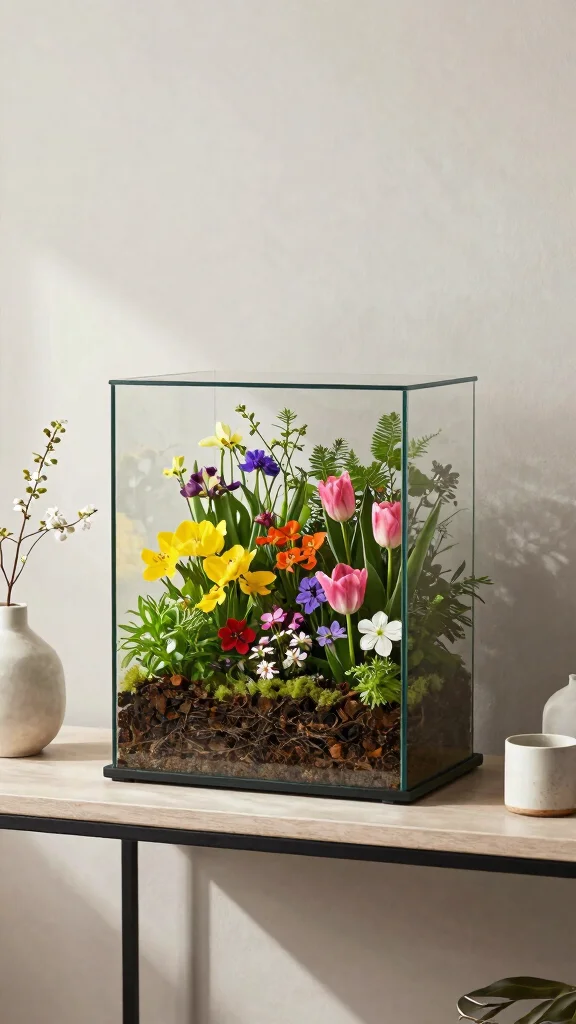
Elevate your home’s decor throughout the year with a seasonal terrarium that reflects changing vibes. For spring, incorporate vibrant flowers; in autumn, add colorful foliage; during winter, opt for evergreens; and in summer, showcase lush greens. This dynamic design allows for versatility, presenting a fresh look with each season.
Utilizing a large glass container makes it easy to swap out plants and decorations, offering a truly adaptable decor piece. This approach connects to the trend of seasonal decorating, allowing you to celebrate nature’s cycles while enhancing your indoor gardening skills.
Keep these ideas in mind for your seasonal sensation:
– Use seasonal decorations like mini pumpkins for fall.
– Layer different soil types to accommodate various plants.
– Position where it can be easily updated with each season.
This seasonal terrarium not only brightens your space but also keeps your decor feeling fresh and inviting all year round.
Seasonal switch-ups make a big impact: a large terrarium lets you reflect spring blooms, autumn foliage, and winter evergreens with simple swaps. Pro tip: rotate plants and accents monthly to keep your space feeling fresh and effortlessly chic.
Seasonal Sensation
Editor’s Choice

WGVI Clear Slant Cut Bowl Glass Vase, Glass Terrarium, Candy Dish, Glass…

Autumn Fern Plants Live Outdoor Plants, Fern Plant Live Plants Outdoor L…

4Pcs Aquascaping Tools, Jeimier Aquascape Kit, Long and Strong Aquarium …
8. Artful Arrangements

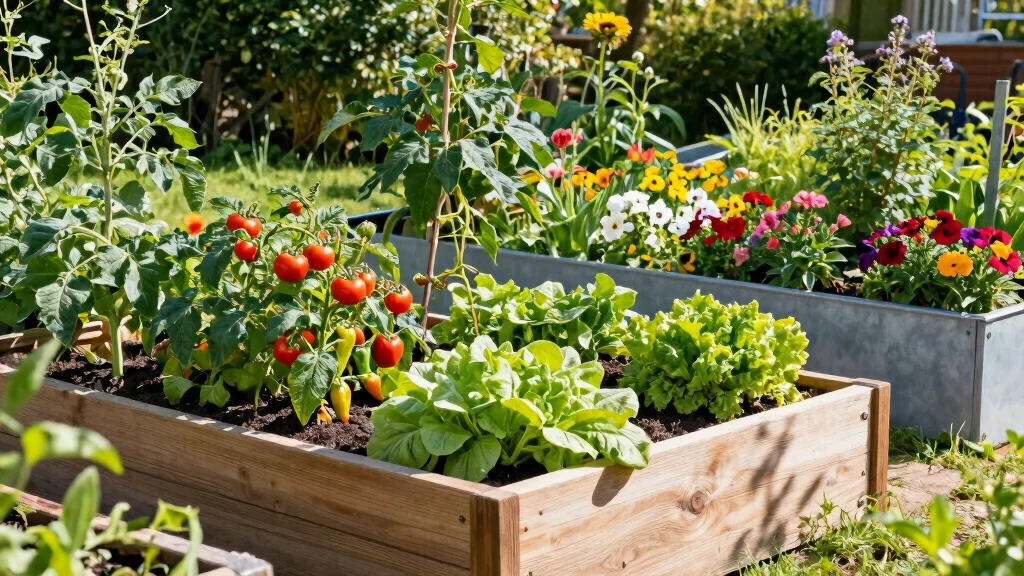
Transform your terrarium into a captivating art piece by incorporating sculptural elements and unique plant arrangements. Choose unconventional glass containers or add decorative rocks and driftwood, creating an artistic layout that blurs the line between gardening and art. This fresh approach allows your terrarium to serve as a stunning visual statement rather than just a planter.
To create dynamic visual effects, use varying heights for your plants, and select a color palette that harmonizes with your interior decor. Don’t hesitate to experiment with unconventional materials and textures to add depth and intrigue. This trend reflects the growing desire for personalized, artistic expressions in home decor.
Incorporate these techniques for your artful terrarium:
– Vary plant heights for visual dynamics.
– Choose colors that complement your home.
– Explore unique materials for depth and interest.
Your artful terrarium will enrich your space with creativity and charm, inviting conversation and admiration.
You Might Also Like

Artful Arrangements
Editor’s Choice

YISZM 2LB Succulent and Cactus Gravel Pebbles, 1/5 Inch Natural Decorati…

majoywoo Natural Coral Driftwood for Aquarium Decor Fish Tank Decoration…

Blossom Your Own Wild Flower Glass Terrariums by Unique Gardener, Terrar…
9. Vintage Charm

Infuse your home with nostalgic appeal by creating a vintage charm terrarium that evokes timeless beauty. Using antique glass containers like repurposed jars or cloches, select plants that reflect a classic feel, such as moss, ferns, and small flowering varieties. Adding vintage decor items, such as old keys or lace, enhances the nostalgic theme, making it a delightful focal point.
To achieve this charming look, seek unique glass containers at thrift shops for one-of-a-kind finds. Choose plants that share similar light and water needs for easy care, ensuring a thriving garden. Layering soil, pebbles, and decorative elements will enhance the depth and visual interest of your terrarium. This design connects with the trend of infusing spaces with personal history and character.
Here’s how to create your vintage charm terrarium:
– Find unique containers for a personal touch.
– Select plants with similar care requirements.
– Layer materials for added depth.
This vintage-inspired terrarium warms your space, celebrating the beauty of indoor gardening while adding character to your home.
Vintage Charm
Editor’s Choice

Bonsai Tree Kit, Bonsai Starter Kit with Seeds & Tools, Tree Live Plants…

Bronze Key Decoration, Unique Design with 50 Styles, Alloy Material, for…

Nacome Plant Terrarium Propagation Stations: Mothers Day Gifts for Mom P…
Conclusion

Creating a large terrarium offers not just a chance to embrace indoor gardening but also an opportunity to express your personal style.
With these nine ideas, you’re equipped to design terrariums that not only beautify your space but also bring a slice of nature indoors.
Whether it’s a whimsical fairy tale or industrial chic, each terrarium tells a story, reflecting your creativity and connection to nature.
Note: We aim to provide accurate product links, but some may occasionally expire or become unavailable. If this happens, please search directly on Amazon for the product or a suitable alternative.
This post contains Amazon affiliate links, meaning we may earn a small commission if you purchase through our links, at no extra cost to you.
Frequently Asked Questions
What makes a large terrarium a bold centerpiece for modern home decor?
A large terrarium instantly acts as a living sculpture, turning an ordinary corner into a focal point in any room.
To get this look, start with a container that complements your space—think oversized glass bowls, geometric shapes, or a tall globe—and plan a layered landscape inside. For a bold, modern feel, choose a cohesive color palette and use succulent arrangements or lush moss to add texture. Keep the surrounding decor minimal to let your large terrarium shine as the centerpiece of your indoor gardening setup.
Tip: place it at eye level on a sturdy surface and water sparingly to preserve that pristine look.
Which plants work best for a large indoor terrarium, especially for succulent arrangements?
For a large indoor terrarium that includes succulent arrangements, open-top containers work best because they allow excess moisture to escape. Choose drought-tolerant succulents like Echeveria, Haworthia, and Crassula, plus tiny companions such as decorative pebbles and cactus-safe soil. If you prefer a closed terrarium, opt for moisture-loving plants like moss, Fittonia, Peperomia, and small ferns, which thrive in higher humidity. A simple mix is 2–3 focal plants with 2–4 fillers, topped with moss for a lush look. Ensure good drainage and water only when the soil dries to avoid root rot.
Place your terrarium in bright, indirect light to keep colors vibrant and prevent scorch.
How do I design and maintain a DIY terrarium that stays healthy in an indoor environment?
Start with a container that fits your space and a plant list that matches your light and humidity.
Layer a drainage material (pebbles) with activated charcoal, then add a specialized terrarium soil.
Plant your focal plant toward the back, tuck in mid-ground greens, and finish with a moss top for texture.
Water sparingly—most terrariums only need a light mist every 1–2 weeks, or when the soil dries.
For DIY terrarium ideas, personalize it with seasonal accents like small stones or miniature figures, and rotate plants every few months to keep the look fresh. Regular pruning and glass cleaning will help your terrarium stay healthy and beautiful.
What lighting and humidity levels do large decorative terrariums need to thrive in a modern home?
Most large decorative terrariums do best with bright, indirect light for about 6–8 hours daily. If your space lacks sun, add a compact grow light designed for terrariums to maintain color and growth. Humidity depends on your plant mix: open-top terrariums tolerate lower humidity (around 30–50%), ideal for succulent arrangements, while closed or moss-heavy setups thrive around 60% humidity. Balance humidity with airflow—ventilate on warm days to prevent mold. Rotate plants occasionally to keep growth balanced, and wipe condensation from the glass to keep visibility high.
How much maintenance does a large terrarium require and how can I refresh the look with DIY terrarium ideas?
Maintenance for a large terrarium is surprisingly light but consistent. Check moisture weekly, prune any leggy growth monthly, and clean the glass every few weeks for maximum clarity. For open terrariums with indoor gardening plants, water every 1–2 weeks or when the soil dries; for closed terrariums, water only when you see drying or condensation loss. To refresh the look, try new DIY terrarium ideas like swapping in a contrasting plant color, adding miniature decorations, or layering different textures with sand, pebbles, or preserved moss. A quick rotation every season keeps the display vibrant with minimal effort.
Related Topics
large terrarium
indoor gardening
decorative terrariums
modern home decor
DIY terrarium ideas
succulent arrangements
statement pieces
creative displays
easy terrarium
home accents
eco-friendly decor
interior greenery