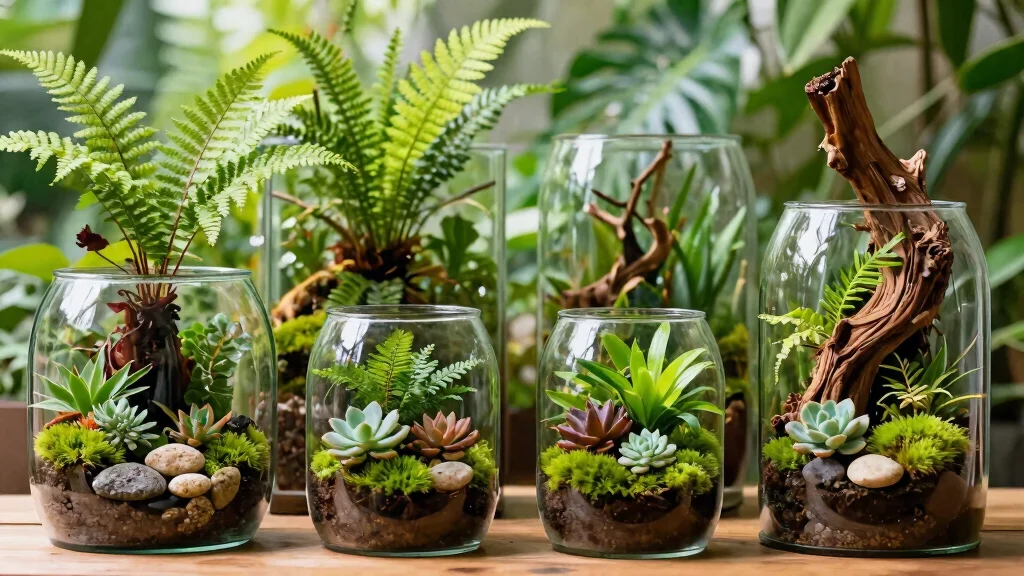
Creating a jungle terrarium has me dreaming of tropical vibes right in my living room. These miniature jungles can transform any urban space into a lush paradise, giving you a slice of nature no matter how busy life gets. If you’re someone who craves vibrant greenery and enjoys indoor gardening, you’re in the right place. In this post, I pulled together eight captivating jungle terrarium ideas that are visually striking, easy to maintain, and perfect for adding that exotic flair to your home.
Whether you’re a seasoned gardener or a curious beginner, understanding how to build your own jungle terrarium can be both rewarding and fun. You’ll discover creative designs that incorporate tropical plants and innovative terrarium decor. Plus, I’ll share practical tips and tricks to help you cultivate your own indoor oasis sustainably. Get ready to unleash your inner botanist and bring the tropics home!
Key Takeaways
– Explore creative designs: Discover eight unique jungle terrarium ideas that cater to different styles and space constraints.
– Choose the right plants: Learn about tropical plants that thrive in terrariums and how they contribute to a lush atmosphere.
– Incorporate decor: Find out how terrarium decor can enhance the visual appeal of your miniature jungle.
– Sustainability matters: Understand eco-friendly practices for creating a terrarium that is both beautiful and environmentally conscious.
– Enjoy the process: Embrace indoor gardening as a relaxing hobby that can improve your living space and mood.
1. Compact Jungle Oasis
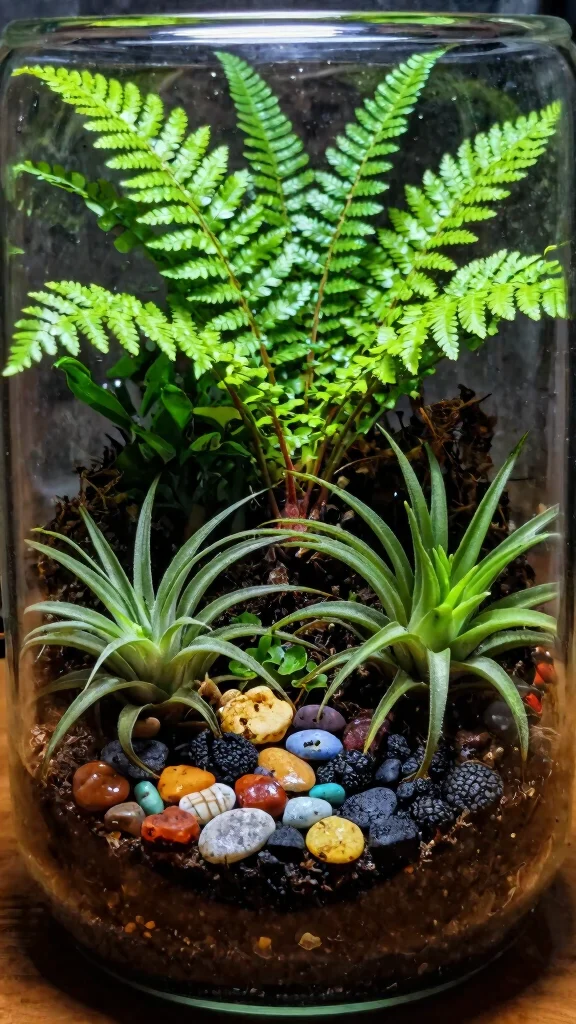
Imagine transforming a small space into your own mini jungle oasis! This charming terrarium can feature compact tropical plants like baby ferns and air plants, thriving effortlessly even in low-light corners of your home. Using a small glass jar, you can create a stunning display that requires minimal maintenance. Start by layering pebbles for drainage, followed by activated charcoal to keep the air fresh, and then add potting soil before arranging your plants for that perfect jungle vibe.
For an extra touch, think about incorporating decorative stones or tiny figurines that match your personal style. This compact design fits beautifully on desks or shelves, bringing a slice of nature into your everyday environment.
Tips for success:
– Ensure your jar has good ventilation to prevent mold.
– Water sparingly, allowing the soil to dry out slightly between watering sessions.
– Rotate your terrarium periodically to ensure even growth towards the light.
With a compact jungle oasis, you can enjoy the lush beauty of an indoor garden without the hassle of extensive upkeep!
📹 Related Video: Creating a Miniature Jungle In a Glass Box! Nano Terrarium Tutorial
Compact Jungle Oasis
Editor’s Choice

Legigo 2 QT Horticultural Charcoal- Natural Charcoal for Plants, Biochar…


Miracle-Gro Organic Indoor Potting Mix – Protects Against Over and Under…

Set of 2 round glass jars with cork lid – 17oz wedding candy jar kitch…
2. Hanging Glass Terrarium
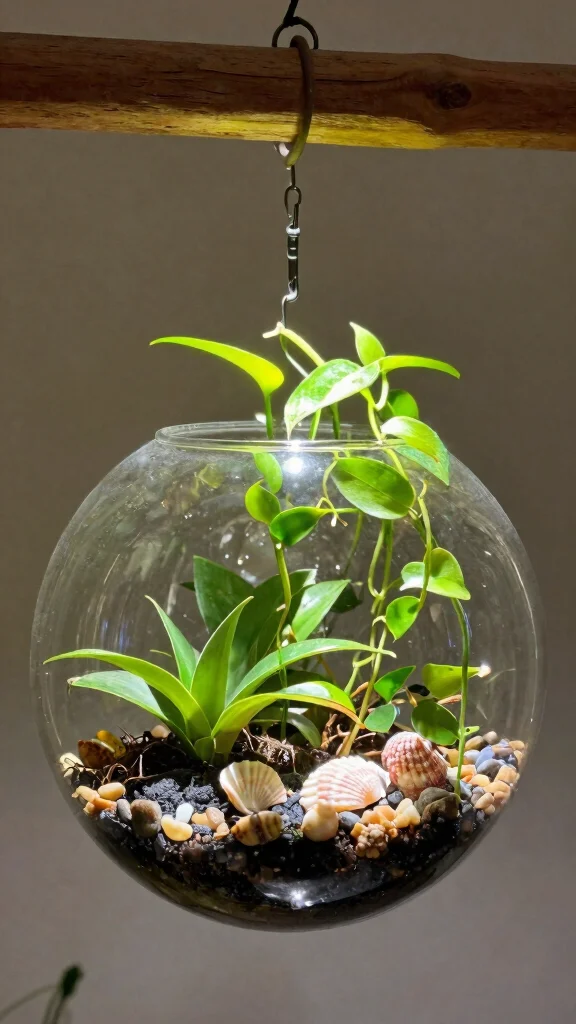
Elevate your home decor with a breathtaking hanging glass terrarium! These eye-catching pieces not only save space but also serve as captivating focal points in any room. Choose a spherical glass holder and fill it with a variety of trailing plants like pothos or string of hearts that will cascade beautifully. Begin by layering pebbles for drainage, followed by charcoal, potting soil, and then your chosen plants for a lush arrangement.
The beauty of hanging terrariums lies in their visibility from multiple angles, so feel free to mix textures and colors for a vibrant display. You can even add decorative elements like seashells or driftwood to give your hanging garden a distinct personality.
Tips for success:
– Ensure the glass holder has enough height for your plants to grow freely.
– Hang it in a spot that receives indirect sunlight.
– Water carefully, as excess moisture can lead to mold in enclosed spaces.
Creating this type of terrarium enriches your decor while adding a hint of adventure to your space!
Fun fact: a hanging glass terrarium can add a lush jungle terrarium look in under 20 minutes. Layer pebbles, charcoal, soil, then trailing plants like pothos, and watch the vines cascade to brighten your space.
Ongoing Maintenance & Care Guide
Maintenance Schedule:
Daily/Weekly Tasks:
– Check Soil Moisture: Stick your finger about an inch into the soil. If it feels dry, it’s time to water. This takes about 2 minutes.
– Remove Dead Leaves: Inspect for yellow or brown leaves. Prune them off to keep your terrarium tidy. This should take around 5 minutes.
– Rotate Terrarium: Give your plants a chance to grow evenly by rotating the terrarium a quarter turn. This takes about 1 minute.
– Dust the Glass: Wipe down the glass with a damp cloth to keep it clear. This should take around 3 minutes.
Monthly/Seasonal Tasks:
– Check for Pests: Look closely for any bugs or signs of infestation. If you notice anything, treat it immediately with insecticidal soap. This task can take about 10 minutes.
– Fertilize Plants: Use a diluted liquid fertilizer designed for indoor plants. Apply once a month during the growing season. This will take about 10 minutes.
– Trim Overgrown Plants: Keep your plants from overgrowing the terrarium space by trimming them back. This can take anywhere from 15 to 30 minutes.
– Change or Refresh Soil: Every 6 months, replace the top inch of soil to ensure your plants have the nutrients they need. This task may take around 20 minutes.
– Check Humidity Levels: If your terrarium has a lid, check that the humidity is balanced. If it’s too high, consider removing the lid for a few hours. This check should take about 5 minutes.
Maintenance Summary Table:
| Task | Frequency | Difficulty | Time Needed |
|————————–|—————-|————|————–|
| Check Soil Moisture | Daily/Weekly | Easy | 2 minutes |
| Remove Dead Leaves | Daily/Weekly | Easy | 5 minutes |
| Rotate Terrarium | Daily/Weekly | Easy | 1 minute |
| Dust the Glass | Daily/Weekly | Easy | 3 minutes |
| Check for Pests | Monthly | Moderate | 10 minutes |
| Fertilize Plants | Monthly | Easy | 10 minutes |
| Trim Overgrown Plants | Monthly | Moderate | 15-30 minutes|
| Change or Refresh Soil | Every 6 months | Moderate | 20 minutes |
| Check Humidity Levels | Monthly | Easy | 5 minutes |
Common Issues to Watch For:
⚠️ Yellow Leaves: This could mean overwatering. Check the soil moisture immediately. If it’s soggy, cut back on watering.
⚠️ Mold Growth: If you see mold on the soil or plants, reduce humidity and increase air circulation. Open the terrarium more often.
⚠️ Sticky Residue: This may indicate pests like aphids. Inspect your plants and treat them if necessary.
⚠️ Stunted Growth: If your plants aren’t growing, they may need more light or nutrients. Consider relocating the terrarium or fertilizing it.
⚠️ Condensation Build-Up: Excess moisture can lead to mold. If you see too much condensation, temporarily remove the lid or increase ventilation.
Care Tips:
💡 Choose the Right Location: Place your terrarium in indirect sunlight. Direct sunlight can overheat it, harming your plants.
💡 Use Quality Soil: Start with a well-draining potting mix designed for terrariums. This helps prevent root rot.
💡 Monitor Light Levels: If your plants look leggy or stretched, they may not be getting enough light. Move them closer to a window, but avoid harsh sunlight.
💡 Rotate Regularly: Rotating your terrarium weekly ensures that all sides receive equal light and keeps plants growing evenly.
💡 Consider Plant Companions: Choose plants that thrive in similar conditions to create a harmonious environment. Succulents and ferns, for instance, can create a diverse jungle feel without conflicting care needs.
Hanging Glass Terrarium
Editor’s Choice

ZENFUN 2 Pack Glass Vase Bowl, 6″/ 8″ Wide Mouth Flower Vase Round Terra…

Michigan Peat General All Purpose Premium Potting Soil with Perlite for …

Legigo 2 QT Horticultural Charcoal- Natural Charcoal for Plants, Biochar…
3. Layered Terrarium Design
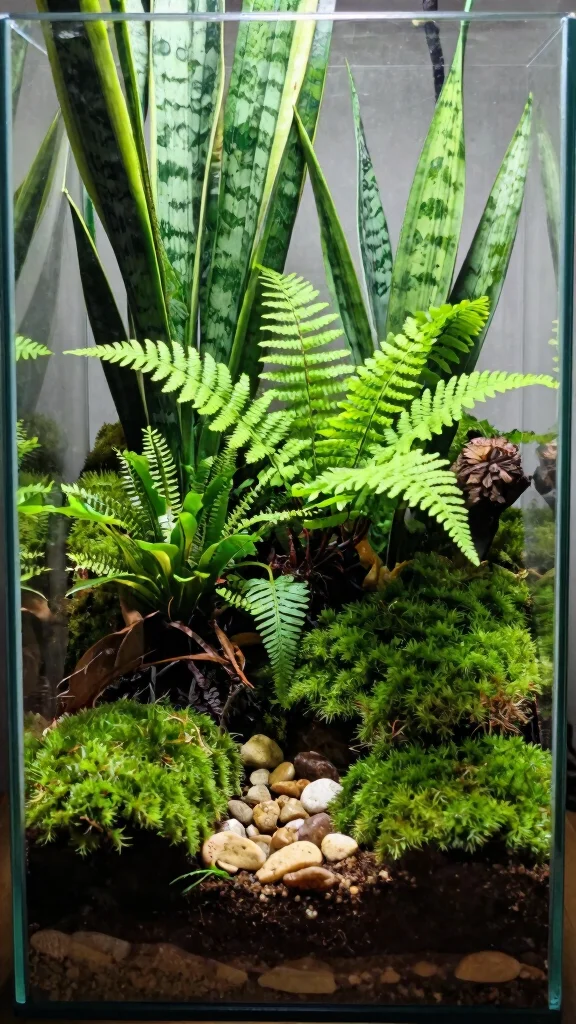
Get imaginative with layers in your terrarium to capture the essence of a jungle environment! Start with a larger glass container and create a layered ecosystem featuring plants that thrive in different conditions. Use tall plants like snake plants or peace lilies in the back, medium-sized ferns in the middle, and a foreground of moss or small succulents. Each layer should have its own soil mix to ensure healthy growth.
This design not only looks visually striking but also allows you to explore various textures and colors, offering a rich, immersive experience. Enhance the look with decorative elements like stones or driftwood for added character.
Tips for success:
– Ensure each plant’s light and water requirements are compatible.
– Rotate your terrarium every few weeks for even light exposure.
– Use a small watering can or a spray bottle for easy watering in tighter spots.
This layered approach results in a vibrant, jungle-like display that is sure to impress!
Did you know layering a jungle terrarium can boost perceived depth by up to 40%? Place tall back plants like snake plants, mid-height ferns, and a mossy foreground, each thriving in its own soil mix for a thriving micro-ecosystem.
Layered Terrarium Design
Editor’s Choice

Back to the Roots 100% Organic Succulent & Cacti Mix (6 Quart) | Made in…
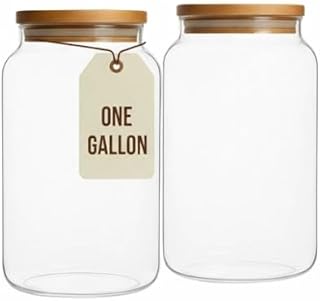
Large 1 Gallon Glass Large Jar with Airtight Bamboo Lid – High Borosilic…
4. Miniature Garden Scene
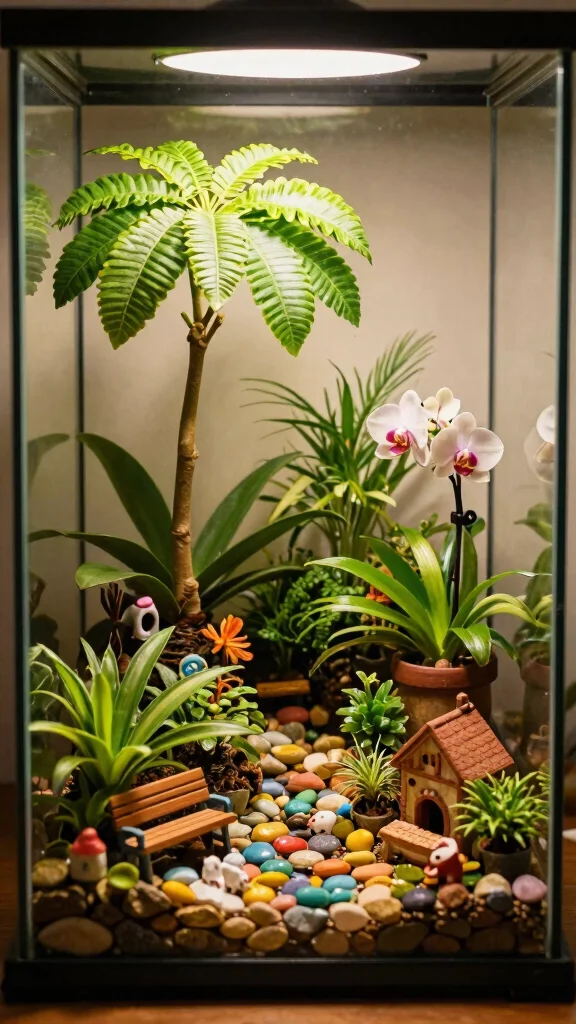
Infuse your space with charm by creating a miniature garden scene inside your terrarium! Using a larger glass container, you can design a tiny landscape complete with lovely figurines, decorative stones, and a variety of tropical plants. Opt for plants like dwarf umbrella trees or small orchids that will stay cozy in their little home. Arrange them around delightful accessories like tiny benches, fairy houses, or miniature animals to bring your scene to life.
This playful design unleashes your creativity and can be easily updated with the seasons or holidays. It’s a whimsical addition that is sure to bring smiles to anyone who sees it!
Tips for success:
– Use plants that share similar light and water needs for better compatibility.
– Keep the glass container clean for clear visibility of your miniature scene.
– Consider using colored stones or sand to create charming pathways in your design.
With a miniature garden scene, you can tell a unique story in your terrarium, making it a delightful focal point in any room!
You might also like
Miniature Garden Scene
Editor’s Choice

Natural Slate Stone -1/2 to 1 inch. Perfect Size for Miniature or Fairy …

Dracarys Selected 100 Pcs Fairy Garden Accessories, Mini Resin Animals, …

120 Pcs Mixed Color Model Plants Tropical Miniature Plants Rainforest Di…
5. Succulent Jungle Mix
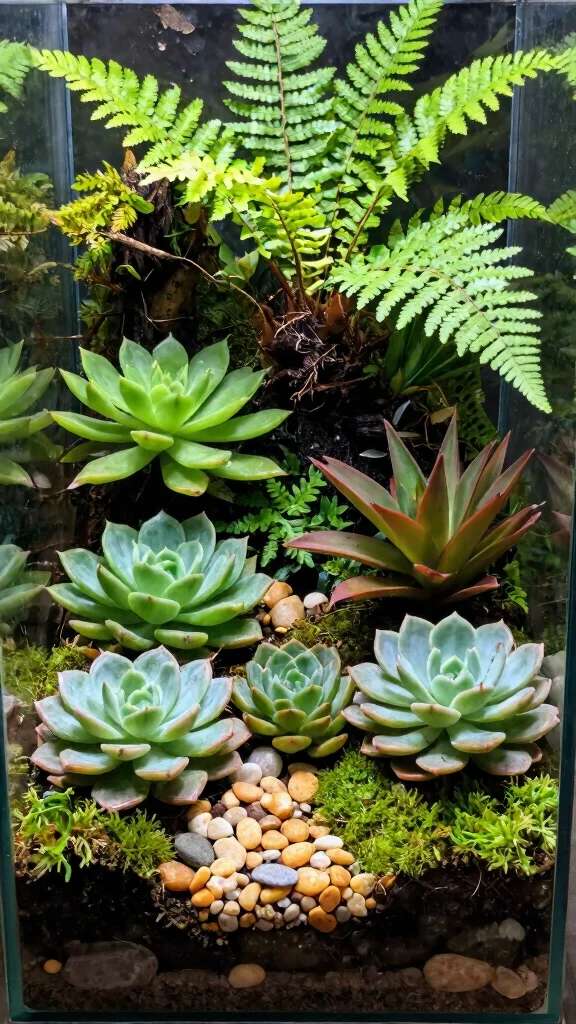
Blend the allure of tropical plants with the durability of succulents in a vibrant jungle mix terrarium! Select a variety of succulents such as jade plants, echeveria, and haworthia, then mix in tropical elements like small ferns or moss for a lively yet low-maintenance display. Start with a good drainage layer of gravel or rocks, followed by charcoal, and then a custom soil mix that suits both plant types.
This combination offers a stunning contrast between the fleshy leaves of succulents and the delicate fronds of tropical plants, creating a lush and vibrant appearance. To enhance the look, consider using decorative pebbles or colored sand to fill the gaps between plants.
Tips for success:
– Ensure proper drainage to prevent root rot in succulents.
– Allow the soil to dry thoroughly between watering sessions.
– Position your terrarium in a bright spot with indirect sunlight for optimal growth.
The succulent jungle mix is ideal for those who love tropical aesthetics but prefer a more drought-tolerant option!
Succulent Jungle Mix
Editor’s Choice
Back to the Roots 100% Organic Succulent & Cacti Mix (6 Quart) | Made in…

0.5 Lb/230g Colorful Agate Aquarium Fish Tank Gravel Rocks, Crushed Ston…

DUSPRO Recycle Terrarium Kit, Include Potting Soil, Pumice, Zeolite, Gre…
6. Zen Garden Terrarium
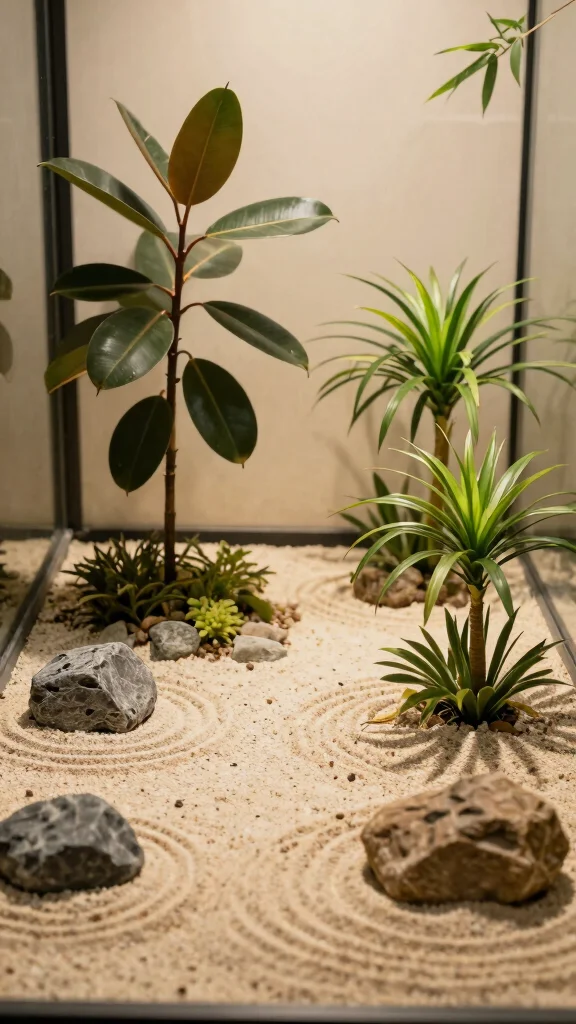
Create a tranquil atmosphere in your home with a zen garden terrarium! The blend of tropical plants and minimalist design evokes a calming environment. Choose plants like mini rubber trees or dracaena for their clean lines and easy maintenance. Incorporate sand or fine gravel as the base, using a mini rake to design patterns that mimic traditional Japanese zen gardens.
Add small stones and possibly a few bamboo pieces for extra decoration. This setup not only fosters tranquility but also offers a relaxing hobby as you maintain the sand patterns.
Tips for success:
– Opt for low-light plants to enhance the zen feel without overwhelming the space.
– Water carefully, as the sandy base can dry out quickly.
– Keep your terrarium away from direct sunlight to prevent overheating.
The zen garden terrarium is perfect for anyone wanting to blend nature with a peaceful, meditative experience in their home!
Zen Garden Terrarium
Editor’s Choice

4 Pack Miniature Tabletop Rock Sand Zen Garden Accessories, Mini Zen Gar…

Perfect Plants Rubber Plant Ficus Elastica ‘Burgundy’ in 6in. Grower’s P…

Costa Farms Dracaena Mass Cane Extra Large Live Indoor Plant, 4-5 Feet T…
7. Seasonal Themed Terrarium
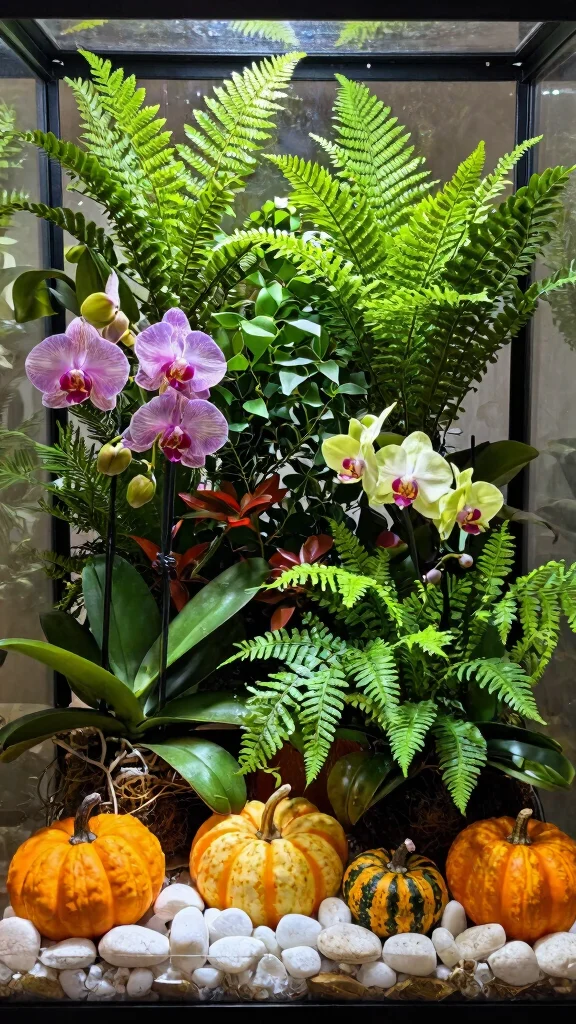
Celebrate the beauty of nature year-round with a seasonal themed terrarium! For spring, use flowering tropical plants like orchids or bromeliads; in summer, lush ferns and vibrant greenery shine. In autumn, introduce colorful leaves or decorative elements like small pumpkins, and for winter, crisp white stones or faux snow create a festive effect.
This adaptability keeps your decor fresh and makes terrarium maintenance enjoyable. You can easily swap out elements to reflect the current season or holidays, ensuring your indoor space remains lively and colorful.
Tips for success:
– Change plants according to their seasonal needs.
– Use seasonal decorations like colorful stones or charms that resonate with your theme.
– Experiment with different arrangements to keep your terrarium looking interesting.
A seasonal themed terrarium brings joy and excitement to your indoor gardening, allowing you to celebrate nature’s beauty throughout the year!
Fun fact: Seasonal themes can boost the appeal of indoor terrarium ideas by up to 40% as light cues trigger color and growth. Switch spring pastels to fall’s warm tones to refresh decor and keep plants thriving.
You Might Also Like

Seasonal Themed Terrarium
Editor’s Choice

Terrarium Decorations Mushrooms Mini: 100PCS Realistic Moss Accents for …

200 PCS Hibiscus Flower Seeds Mixed Vibrant Colors – Hardy Tropical Pere…

Ferrisland Glass Plant Terrarium Container Wardian Case Indoor Small Suc…
8. Eco-Friendly Terrarium
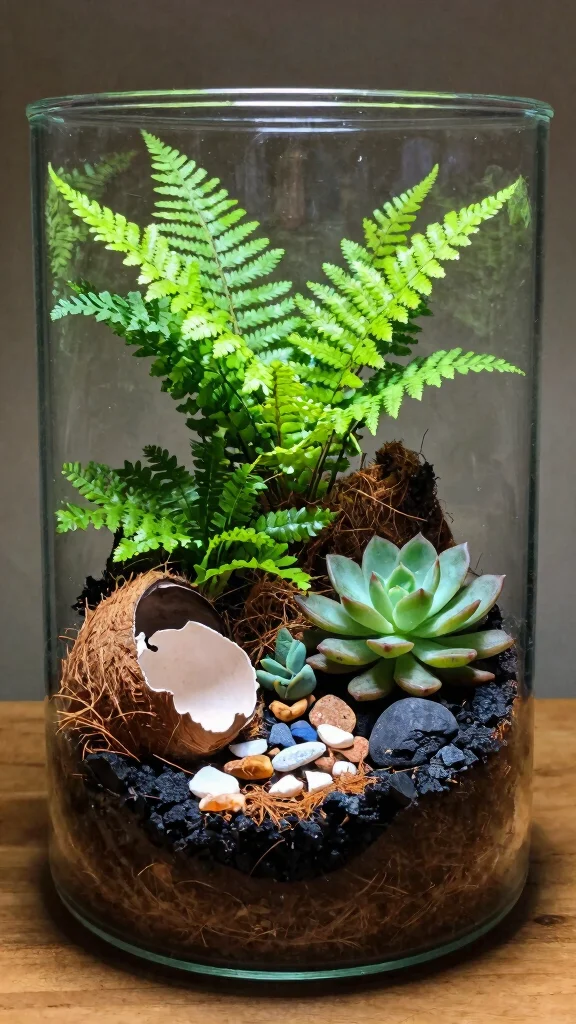
Embrace sustainability with an eco-friendly terrarium that uses recycled materials! Start with a glass container that previously held food or beverages, transforming it into a beautiful home for tropical plants. Eco-friendly terrariums can include charcoal made from coconut shells, biodegradable soil, and decorative elements like crushed eggshells or recycled stones. This design not only creates a lush environment for plants but also helps reduce waste.
Integrating native plant species can attract beneficial insects, promoting a sustainable indoor ecosystem.
Tips for success:
– Research plant requirements to choose species that thrive in your conditions.
– Use natural, organic fertilizers to nourish your plants while caring for the environment.
– Keep your terrarium healthy with regular pruning and maintenance.
An eco-friendly terrarium is a thoughtful way to nurture your love for nature while positively impacting the planet!
Eco-Friendly Terrarium
Editor’s Choice
CocoNara Hookah Shisha Natural Charcoals, 120 Count

Miracle-Gro Organic Outdoor Potting Mix – Plant Soil for Outdoor Contain…

WHJY 6 inches Glass Cloche for Indoor Plants Small Terrarium Glass Cloch…
Conclusion
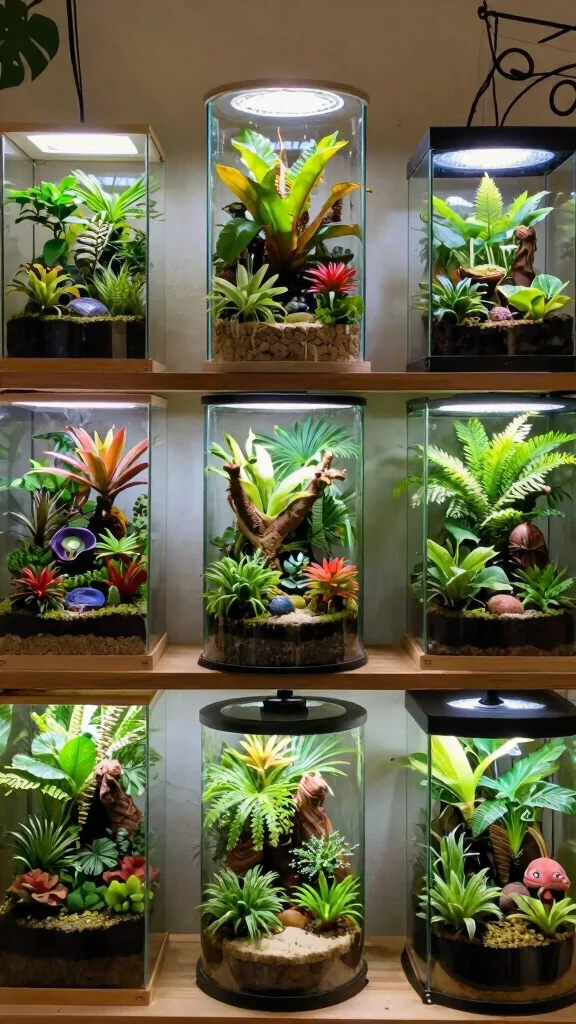
Creating a jungle terrarium is not just about beautifying your space; it’s an opportunity to connect with nature and express your creativity.
Each of the ideas presented brings something unique to the table, from compact oases to whimsical miniature gardens. Embrace your inner gardener and let these concepts inspire you to craft your own lush indoor jungle.
As you explore these designs, remember that every terrarium tells a story and is a reflection of your personality. Happy gardening, and may your home always feel like a tropical paradise!
Note: We aim to provide accurate product links, but some may occasionally expire or become unavailable. If this happens, please search directly on Amazon for the product or a suitable alternative.
This post contains Amazon affiliate links, meaning we may earn a small commission if you purchase through our links, at no extra cost to you.
Frequently Asked Questions
What exactly is a jungle terrarium and why are miniature setups popular for urban spaces?
A jungle terrarium is a glass container that grows a tiny rainforest of tropical plants in your home. Its compact size makes it ideal for urban spaces—shelves, desks, or coffee tables—while delivering lush exotic greenery without dominating the room. To get started, choose a clear container and decide between open or closed, add a thin drainage layer, moist soil, and a moss carpet, then tuck in small tropical plants like maidenhair fern or peperomia. Place in bright, indirect light and keep humidity steady with gentle misting; avoid direct sun that can scorch leaves. This setup is perfect for indoor gardening and a fun terrarium decor project.
Which tropical plants are best for small jungle terrariums and how do I keep them healthy?
Look for compact, humidity-loving species that thrive in close quarters. Great choices include peperomia, fittonia, maidenhair ferns, and small mosses. Avoid aggressive climbers in tight spaces. Keep them happy by providing bright, indirect light, steady moisture without waterlogging, and good airflow. If the container is closed, vent occasionally to prevent mold; for open setups, mist regularly to maintain humidity.
How can I design a sustainable jungle terrarium that looks lush while using eco friendly materials?
Start with a container that you already own or source secondhand glass to cut waste. Use a natural drainage layer, such as clay pebbles, and organic substrate like coconut coir or a peat-free mix. Add charcoal to keep things fresh and avoid peat soils. Choose eco-friendly terrarium decor like driftwood, rocks, and live moss, instead of plastic trinkets. Finally, water thoughtfully and reuse condensation to reduce waste, embracing sustainable design principles.
What terrarium decor ideas work well for a lush vibe without harming plant health?
Aim for a layered, rainforest look with natural textures. Use driftwood, smooth stones, moss carpets, and a splash of living greenery around the base. Keep decor light enough to avoid blocking airflow and avoid moisture traps under heavy ornaments. For depth, add a tiny vertical garden with stacking planters or use a shallow background to suggest rainforest depth, all while prioritizing terrarium decor that supports healthy humidity and airflow.
How do I maintain a jungle terrarium in a small space and what watering, pruning, and lighting routines work best?
Treat your jungle terrarium as a tiny ecosystem. Water only when the soil surface feels just barely dry to the touch, and never let it sit in a pool of water. Use bright, indirect light or a dedicated grow light until the plants look vibrant; most tropical species enjoy 6–12 hours of light daily. Prune overgrown stems to maintain shape and air circulation, and wipe the glass monthly to keep observation easy. Fertilize sparingly with a dilute balanced solution only when growth slows, and always observe for signs of stress.
Related Topics
jungle terrarium
tropical plants
indoor gardening
terrarium decor
exotic greenery
sustainable design
miniature gardens
easy care plants
urban gardening
DIY terrariums
plant care tips
home decor