
Creating a serene space at home can be a challenge, especially in today’s fast-paced world. The beauty of a Japanese terrarium lies in its ability to bring tranquility and simplicity to any environment. I created this post because I believe a little green oasis can make a big difference in your daily life. If you’re looking for ways to incorporate nature into your living space, you’re in the right place.
This guide is crafted for those who appreciate the art of gardening, even on a small scale. Whether you’re a seasoned plant enthusiast or just beginning your journey, these miniature garden ideas will inspire you to create your own piece of calm. You’ll discover eight unique terrarium designs that reflect Japanese aesthetics, emphasizing minimalism and mindfulness. With these ideas, you can bring a touch of Zen garden decor into your home effortlessly.
By exploring these Japanese terrarium ideas, you’ll gain insights into using various indoor plants, textures, and materials. You’ll learn how to design a terrarium that not only looks good but also fosters a sense of peace. Get ready to transform your space into a soothing retreat that speaks to your soul.
Key Takeaways
– Discover eight creative Japanese terrarium designs that promote tranquility and simplicity in your home.
– Learn how to incorporate indoor plants and natural materials for a calming effect in your terrarium.
– Get step-by-step ideas, from a minimalist moss haven to a succulent Japanese garden, to suit your style.
– Explore practical tips on maintaining your miniature garden for lasting beauty and health.
– Find inspiration for creating a personalized space that reflects your aesthetic and provides a peaceful escape.
1. Zen Garden with Sand and Stones

Creating a zen garden terrarium offers a beautiful way to embrace nature’s simplicity right in your home. By layering natural sand at the bottom of a glass container, you set the stage for a calming experience that mirrors traditional zen gardens. Add smooth river stones to create pathways and focal points, enhancing the tranquil vibe while inviting moments of reflection.
Incorporate miniature rakes or tiny bridges for that authentic zen touch, and choose small indoor plants like moss or air plants for a splash of greenery. This arrangement promotes a peaceful atmosphere, making it a perfect centerpiece that adds calm to any space.
Key steps for your zen garden:
– Use fine-grain sand for a polished look.
– Experiment with stone placements for balance.
– Remember, simplicity is key to zen gardening.
This design not only beautifies your surroundings but also nurtures your mind, creating a serene escape in your daily life.
Zen Garden with Sand and Stones
Editor’s Choice

Virekm River Rocks, Decorative Ornamental Pebbles,Garden Landscaping Sto…


DOITOOL Mini Zen Garden Tool Rake Set, 10pc Sand Rake Tool, Meditation F…

Live Moss 4-Pack (Each 3.5″x7″) – Real Mixed Moss for Terrariums, Rept…
2. Kokedama Delight
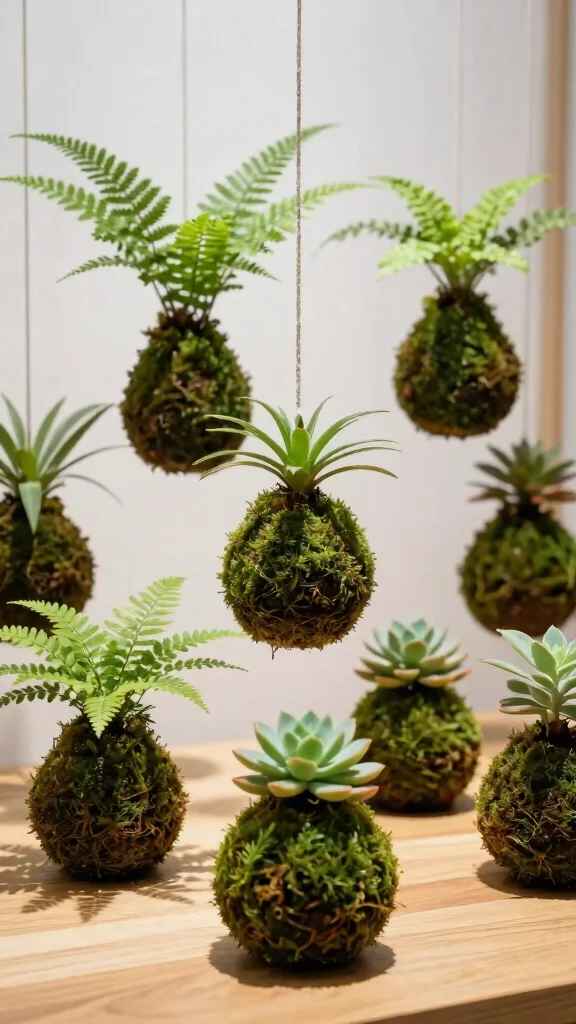
Bring a slice of Japanese tradition into your home with kokedama, translating to ‘moss ball.’ This charming terrarium idea involves wrapping a plant’s roots in a ball of soil and moss, crafting a stunning, organic display. Choose small plants like ferns or succulents, ensuring their roots are fully coated before enveloping them in luscious moss.
Hang your kokedama from simple string to create a floating garden or place them on a decorative plate for a grounded look. This playful design captures nature’s beauty while staying true to a minimalist approach.
Tips for crafting kokedama:
– Water by soaking the balls instead of individual plants.
– Mix various plants for a vibrant yet minimalist display.
This design adds a unique flair to your space, celebrating nature with minimal effort.
Kokedama Delight
Editor’s Choice

6pcs, Artificial Moss Stone, Landscape Ornament, Micro Moss Balls, Garde…

Vivifying Jute Twine, 328 Feet 3mm Strong Natural Garden Twine for Climb…
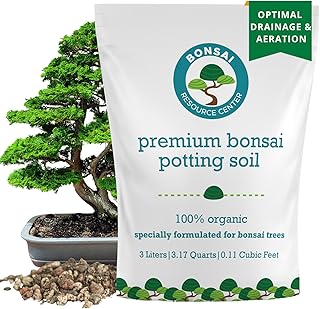
100% Organic Bonsai Soil – All-Natural, Well-Draining Potting Mix for …
3. Layered Terrarium with Driftwood

For a rustic touch, consider using driftwood in your Japanese terrarium design. Driftwood adds an organic element and creates a natural focal point that draws attention. Start with a clear glass container, layering the bottom with pebbles and charcoal for drainage, then a mix of potting soil.
Arrange pieces of driftwood among climbing or draping plants like creeping fig or string of pearls, enhancing the visual appeal and creating a serene landscape. The textural contrast between wood and plants enhances the minimalist aesthetic.
Suggestions for your driftwood terrarium:
– Paint driftwood in natural shades for cohesion.
– Choose uniquely shaped driftwood to spark interest.
This design not only beautifies your home but also invites conversations about the beauty of nature.
Layer your Japanese terrarium with driftwood and watch patience pay off—driftwood creates a natural focal point and calmer vibes. Start with pebbles, then soil, then wood, and let creeping fig drape for a serene, layered terrarium you can tend in minutes.
📹 Related Video: Planted Driftwood Terrarium (How to build a closed terrarium using a planted piece of driftwood)
Layered Terrarium with Driftwood
Editor’s Choice

Craft Organic Houseplant Potting Mix, Elite House Plant Soil, Chunky, We…

2 Pcs 5.9 x 7.9 Inch Glass Terrarium Clear Terrarium Planter Container G…

majoywoo Natural Coral Driftwood for Aquarium Decor Fish Tank Decoration…
4. Minimalist Moss Haven

A terrarium that showcases only moss captures the essence of a Japanese garden beautifully. With its lush look and calming properties, moss creates a serene space in a glass enclosure. Begin by layering pebbles and charcoal for drainage, then generously add vibrant moss to form a soft carpet.
Mix different types of moss for added texture, and consider small accent pieces like stones or tiny figurines to enhance the tranquil vibe without crowding the design. This moss haven requires minimal care, making it a perfect choice for those with busy lifestyles.
Insights for your moss haven:
– Arrange moss in various patterns for interest.
– Mist regularly to keep the moss fresh and vibrant.
This design not only brings beauty indoors but also provides a calming retreat from daily stress.
Fun fact: moss in a tiny japanese terrarium acts as a natural sponge, holding moisture for days rather than hours. A 6×6 inch setup can look lush with just two moss varieties and a light misting schedule. Keep it simple, serene, and surprisingly low-maintenance.
You might also like

Minimalist Moss Haven
Editor’s Choice

Wavii Coconut Water with Sea Moss Variety Pack, 12 Pack, 11 fl oz – Or…

Fensong 20Pcs Artificial Moss Rocks (2 Sizes),Green Moss Decoration, Sui…

Legigo 2 QT Horticultural Charcoal- Natural Charcoal for Plants, Biochar…
5. Air Plant Terrarium

Air plants, or Tillandsia, are ideal for a Japanese terrarium since they thrive without soil. This allows for creative arrangements with decorative stones or driftwood, embracing a free-form natural look. Select a variety of air plants with diverse textures and colors for visual impact, and place them in a clear glass container with decorative gravel or sand at the base.
The best part? Air plants require minimal maintenance—just mist them a couple of times a week or soak them briefly every few weeks. This makes them perfect for those with a busy lifestyle while still bringing nature indoors.
Actionable tips for your air plant terrarium:
– Vary heights and arrangements for added interest.
– Use colored sand for a vibrant touch.
This design infuses your space with life and simplicity, making it an easy way to enjoy nature.
Air Plant Terrarium
Editor’s Choice
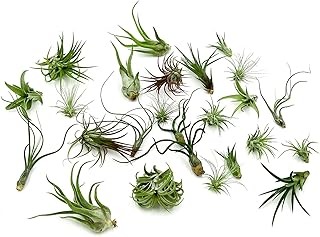
ragnaroc Air Plants Bulk – Tillandsia Variety Wholesale Pack, Regular 1-…

YISZM 2LB Succulent and Cactus Gravel Pebbles, 1/5 Inch White Natural De…

WGV Hanging Terrarium Globe, Width 5″, Height 6″, DIY Air Succulent Plan…
6. Terrarium with Ceramics and Stones

Give your Japanese terrarium a fresh twist by combining beautiful ceramic pots with natural stones. This blend creates a striking contrast against the soft textures of the plants, enhancing the overall aesthetic. Select small ceramic pots in pastel or neutral tones and position them within your terrarium glass dome, surrounded by natural stones for a grounding effect.
Opt for plants that complement the ceramics, like petite succulents or ferns, adding variety without overwhelming the design. This arrangement allows for easy maintenance, as you can water the pots separately from the stones, blending beauty with practicality.
Tips for your ceramic and stone terrarium:
– Change plant varieties to keep the design fresh.
– Use different sizes of ceramics for a dynamic look.
This design adds elegance to your space while being easy to care for.
How To Choose the Right Japanese Terrarium
Choosing the perfect Japanese terrarium can be an enjoyable yet challenging task. It’s important to consider several factors to ensure your miniature garden reflects the serene and minimalist style that characterizes Japanese design. Here are some key points to guide your selection process:
1. Size
The size of your terrarium matters. Consider where you’ll place it. If you have limited space, a smaller terrarium fits well on a desk or a shelf. On the other hand, larger terrariums can be striking focal points in living rooms or entryways. Always measure your space before making a purchase to avoid surprises later.
2. Material
Terrariums come in glass, plastic, or even acrylic. Glass options are more traditional and offer a classic look. They allow natural light to reach the plants, which is essential for their growth. However, glass can be fragile. Plastic terrariums are more durable and lightweight, making them easier to move, but they may not have the same aesthetic appeal. Choose the material that best suits your lifestyle and aesthetic preferences.
3. Plant Selection
Consider the types of plants you want in your terrarium. Japanese terrariums often feature moss, succulents, or air plants. Moss provides a lush, green appearance and thrives in humid environments. Succulents need more sunlight and are great for adding color and texture. Make sure to choose plants that complement each other and fit well within the terrarium’s size.
4. Drainage and Soil
Proper drainage is crucial for the health of your plants. Look for terrariums that include a drainage layer or consider creating one yourself with small rocks. The soil type is also important. Use a well-draining soil mix to prevent root rot. Cacti and succulents, for example, thrive in a sandy or gritty mix, while moss does well in a moisture-retentive soil.
5. Style and Decor
Japanese terrariums often emphasize minimalism and natural beauty. Look for styles that incorporate elements like rocks, driftwood, and ceramics. These natural materials enhance the aesthetic and create a peaceful environment. Choose decorative pieces that resonate with you and reflect the tranquil essence of a Japanese garden.
6. Budget
Finally, consider your budget. Terrariums can vary widely in price based on size, materials, and plant selection. Set a budget that includes not just the terrarium itself but also any additional decor or plants you want to include. This way, you can ensure you get a beautiful terrarium without overspending.
Pro Tip: Don’t be afraid to mix and match plants and decorative elements to create a unique look that suits your style. Your Japanese terrarium should reflect your personality while maintaining that serene, minimalist vibe. Happy gardening! 🌱
Terrarium with Ceramics and Stones
Editor’s Choice

Polished Colorful Healing Crystal Stone Set, 72 Pcs 0.5″ Tumbled Gemston…

CYS EXCEL Glass Slant Cut Bubble Bowl (H-6″ W-7″) Clear Flower Vase Glob…

Yishang 2.5 inch Terracotta Pots with Drainage Holes,Small Mini Clay Cer…
7. Seasonal Japanese Terrarium

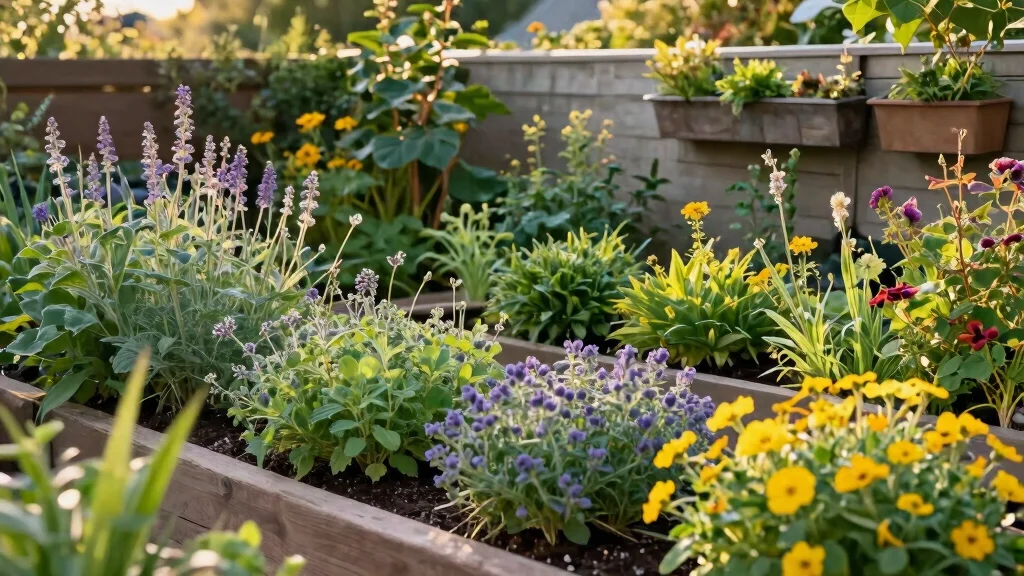
Celebrate the changing seasons with a terrarium that reflects nature’s cycles. This Japanese terrarium can incorporate seasonal plants, colorful elements, and decorative accents to embody the spirit of spring blooms, autumn leaves, or winter wonderlands. For spring, include pastel stones and flowering plants like cherry blossoms or small daisies.
As autumn arrives, opt for vibrant stones and miniature pumpkins. For winter, use layers of white sand to mimic snow, paired with small evergreens for a cozy feel. Add seasonal decorations like tiny figurines to personalize your terrarium, refreshing it regularly to keep your indoor space lively.
Suggestions for your seasonal terrarium:
– Update your design quarterly to reflect seasonal themes.
– Use LED lights for a magical ambiance during winter.
This concept not only beautifies your home but also keeps your decor fresh and engaging.
Seasonal Japanese terrariums turn your space into a living calendar. Swap in pastel stones and cherry blossoms for spring, add miniature pumpkins for autumn, and layer white sand to mimic snow in winter. Keep it simple, serene, and easy to refresh monthly.
You Might Also Like

Seasonal Japanese Terrarium
Editor’s Choice

210pcs Mini Fall Leaves, 5 Styles Resin Funny Miniature Leaves for Craft…

Yetaha 20Pcs Blossom Cherry Trees, Artificial Cherry Blossom Miniature T…

Pulovin 2.5 lbs Drainage Rocks for Potted Plants, 1/5 Inch Small Pebbles…
8. Succulent Japanese Garden
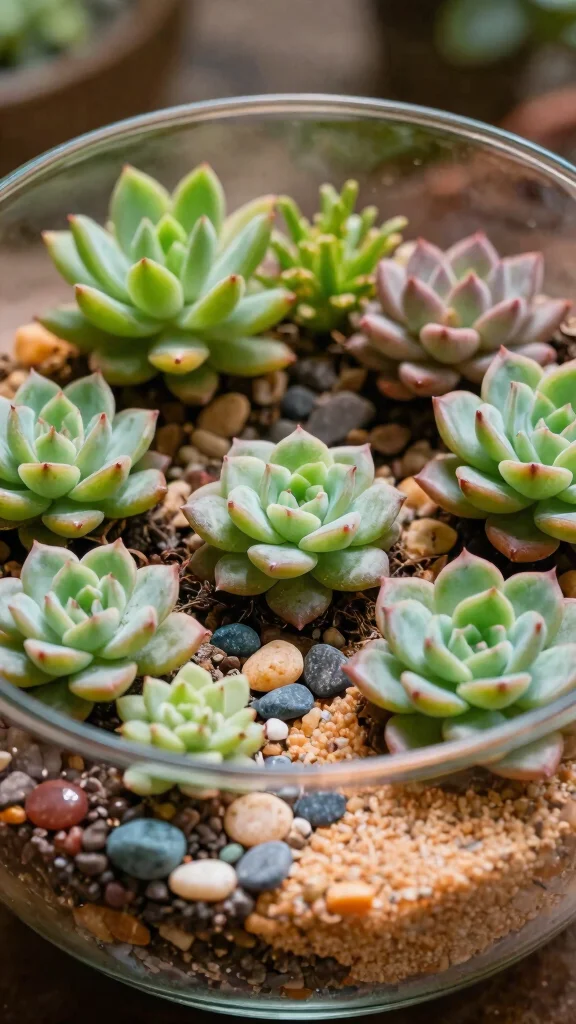
Design a captivating Japanese terrarium featuring a variety of succulents. These hardy plants are perfect for miniature gardens, requiring little care while adding vibrant shapes and colors. Choose a selection of small succulents with different textures and sizes to create visual interest, layering the bottom of your terrarium with stones for drainage and a mix of potting soil.
Arrange the plants thoughtfully, ensuring space between them for growth and air circulation. Add decorative sand or small stones to complement the succulents, enhancing the overall look. This design embodies the tranquility of a Japanese garden while being low-maintenance, perfect for busy lives.
Key points for your succulent garden:
– Group succulents with similar watering needs for easy care.
– Include a small figurine for a personal touch that reflects your style.
This terrarium brings the beauty of nature into your home with minimal effort.
Succulent Japanese Garden
Editor’s Choice
Pulovin 2.5 lbs Drainage Rocks for Potted Plants, 1/5 Inch Small Pebbles…

15-Piece Terrarium Kit with Live Moss – DIY Glass Globe Set with Tools…
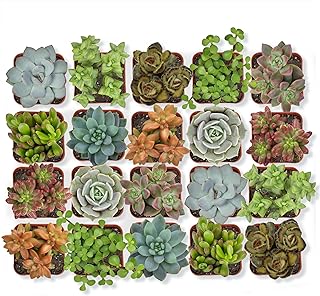
Altman Plants, Live Succulent Plants (20 Pack) Assorted Potted Succulent…
Conclusion

Japanese terrariums provide a peaceful escape and a chance to bring the essence of nature indoors. Whether you prefer the simplicity of moss or the vibrant colors of succulents, these miniature gardens can transform any space into a tranquil retreat.
They not only serve as beautiful decor but also offer a therapeutic hobby that connects you with nature. As you explore these ideas, remember that each terrarium can be a reflection of your creativity and personality.
Take a step towards crafting your serene environment today!
Note: We aim to provide accurate product links, but some may occasionally expire or become unavailable. If this happens, please search directly on Amazon for the product or a suitable alternative.
This post contains Amazon affiliate links, meaning we may earn a small commission if you purchase through our links, at no extra cost to you.
Frequently Asked Questions
What is a japanese terrarium and why is it ideal for a serene and minimalist miniature garden?
A japanese terrarium is a small glass landscape that brings the calming vibe of a zen garden into your space. To get started, choose a container with the right scale, add a thin drainage layer, then a light soil mix for indoor plants and carefully chosen miniature elements. Keep the design simple with a quiet palette of greens, rocks, and sand to define clean lines—this captures terrarium design and minimalist gardening. Water sparingly, place in bright indirect light, and prune regularly to maintain the serene, uncluttered look of a miniature garden.
Which plants thrive in a zen-inspired japanese terrarium?
Look for compact, slow-growing indoor plants that stay small and stay mostly on the surface. Good options include real moss, tiny ferns, and dwarf Peperomia or Pilea; add a tiny accent like a mini bamboo or a bonsai-derived specimen for structure. Use well-draining soil and maintain a gentle humidity level to keep leaves glossy without sogginess. With the right mix, your japanese terrarium becomes a robust, low-maintenance miniature garden.
How can I design a serene japanese terrarium at home with minimal effort?
Start with a simple plan: decide open vs closed, pick a small glass container, then map a focal point like a rock or driftwood to anchor the scene. Create a zen river or rake-like effect using sand and tiny pebbles, tucking indoor plants along the edges to hint at a miniature garden. Keep colors muted and natural to support minimalist gardening, which is the core idea of a terrarium design. Place it where it gets bright indirect light and water only when the soil feels dry to stay serene with minimal upkeep.
What maintenance tips help keep a japanese terrarium calm and tidy?
Check moisture levels regularly to avoid soggy roots, and prune any overgrown bits to maintain scale. Clean the glass every few weeks so the view stays crisp, and dust decorative elements to keep the scene feeling fresh. If light is uneven, rotate the container slowly and refresh soil only if needed. With simple routines, your japanese terrarium stays a peaceful centerpiece for your zen garden decor and indoor plants.
What common mistakes should I avoid when creating a japanese terrarium?
The top pitfalls are overwatering in closed containers, using plants that outgrow the space, and choosing too much direct sun which can scorch delicate foliage. Also avoid mismatched soil types or ignoring scale—tiny plants require tiny pots, not a jungle of mismatched pieces. Don’t crowd the scene with too many decorative elements; aim for clean lines, a single focal point, and a clear sense of balance that honors minimalist gardening, terrarium design, and zen garden decor.
Related Topics
japanese terrarium
minimalist gardening
zen garden decor
indoor plants
terrarium design
miniature garden
DIY terrariums
easy gardening
serene decor
sustainable design
garden aesthetics
home decor