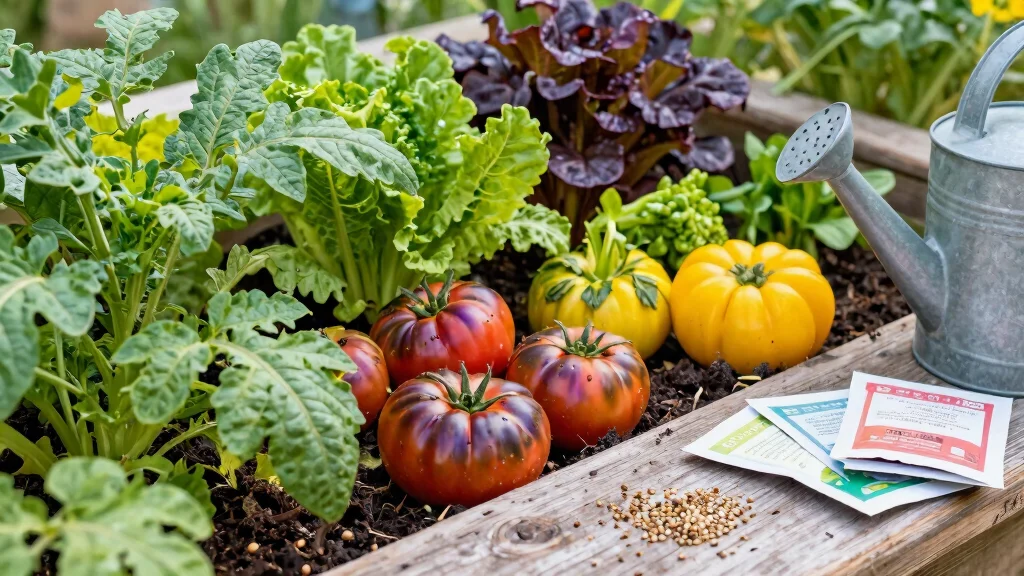
Growing your own food can be both a rewarding and tasty endeavor, especially when you dive into the world of heirloom seeds. I’ve been craving the unique flavors that only rare varieties can bring to my kitchen. There’s something special about a homegrown tomato bursting with flavor or a carrot that’s not just orange but a vibrant purple. This post is here to help you explore just that!
If you’re an urban gardener looking to spice up your home garden, this guide is for you. Many of us care about sustainability and the joy of growing our own food, and heirloom seeds provide a perfect way to connect with those values. You’ll find a curated selection of 10 heirloom seed varieties that are not only rare but also flavorful. Each choice comes with its own story, enriching your gardening experience while contributing to biodiversity.
In this post, you’ll get practical ideas and inspiration to cultivate your garden. From the bold Cherokee Purple Tomato to the unique Romanesco Broccoli, each seed is a chance to bring something exceptional to your plate. With these choices, you can enjoy organic gardening tips and learn sustainable practices that will make your home garden thrive. Let’s dig into these delightful options together!
Key Takeaways
– Heirloom Seeds Versatility: These seeds offer a wide range of flavors and colors, making your garden diverse and interesting.
– Health Benefits: Growing your own heirloom vegetables means you can enjoy organic produce without pesticides, enhancing your health.
– Sustainable Gardening Practices: Using heirloom seeds supports biodiversity and helps preserve rare plant varieties for future generations.
– Flavorful Choices: Unique heirloom varieties like the Cherokee Purple Tomato and Scarlet Nantes Carrot bring extraordinary taste to your meals.
– Community Connection: Sharing heirloom seeds and plants can help foster community among local gardeners, creating a supportive environment for everyone.
1. Cherokee Purple Tomato

Craving a tomato that bursts with flavor? The Cherokee Purple Tomato is a must-try for anyone who loves rich, sweet tastes. With its striking dark reddish-purple skin, this heirloom variety not only delights your palate but also adds beauty to your garden.
These tomatoes thrive in warm weather, so plant them after the last frost for the best results. They flourish in rich, well-drained soil and require consistent watering to achieve peak flavor.
Here are some tips for growing Cherokee Purple Tomatoes:
– Space them well: Allow at least 24-36 inches between plants to promote airflow.
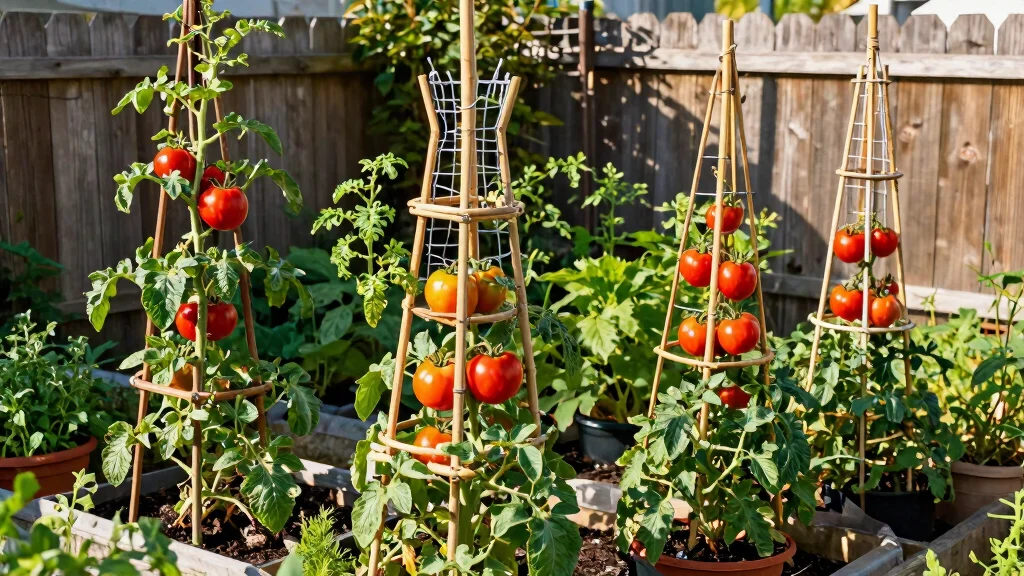
– Support them: Use stakes or cages to keep the plants upright and prevent rot.
– Watch for pests: Keep an eye out for aphids and caterpillars that may invade your harvest.
This heirloom variety is perfect for sandwiches, salads, or simply enjoying fresh off the vine! Once you taste a Cherokee Purple, you’ll never want to go back to regular tomatoes.
Cherokee Purple Tomato
Editor’s Choice

Rapitest Soil Test Kit for Gardens, Vegetables, Flowers and Lawns. USA d…


Organic Tomato Seeds (Ponderosa Red Beefsteak) – Approx 75 Seeds – USDA …

Automatic Watering System, 15 Potted Indoor Houseplants Support Plant Wa…
2. Purple Vienna Kohlrabi

Ever thought about adding a unique vegetable to your garden? The Purple Vienna Kohlrabi is a delightful choice that stands out with its alien-like appearance and fantastic taste. Its striking purple skin and crisp, juicy flesh make it a fun addition to any urban garden.
Kohlrabi does best in cooler temperatures, making it ideal for spring or fall planting. You can even grow it in containers, perfect for smaller spaces.
Here are some growing tips:
– Soil: Plant in rich, fertile soil with good drainage to prevent rot.
– Sunlight: Aim for full sun, but partial shade is okay during the hottest hours.
– Harvesting: Pick them when they’re about the size of a tennis ball for the best flavor and texture.
This vegetable can be eaten raw in salads or slaw, or roasted for a sweeter taste, making it a conversation starter at any dinner party!
Purple Vienna Kohlrabi
Editor’s Choice

Organic Kohlrabi Seeds (Purple Vienna) – Approx 500 Seeds – USDA Organic…
Rapitest Soil Test Kit for Gardens, Vegetables, Flowers and Lawns. USA d…

DIIYIV 2PCS Galvanized Raised Garden Bed with Legs,2PCS 48×18×30in Ele…
3. Dragon Tongue Bean

Looking for a bean that’s as fun to grow as it is to eat? The Dragon Tongue Bean is a feast for the eyes and the taste buds! These heirloom beans feature a stunning cream and purple striped appearance, making them a showstopper in your garden.
Not only are they visually striking, but they’re also versatile in the kitchen. You can enjoy them fresh, canned, or dried for later use.
Growing tips:
– Planting: Sow seeds directly into the garden after the last frost.
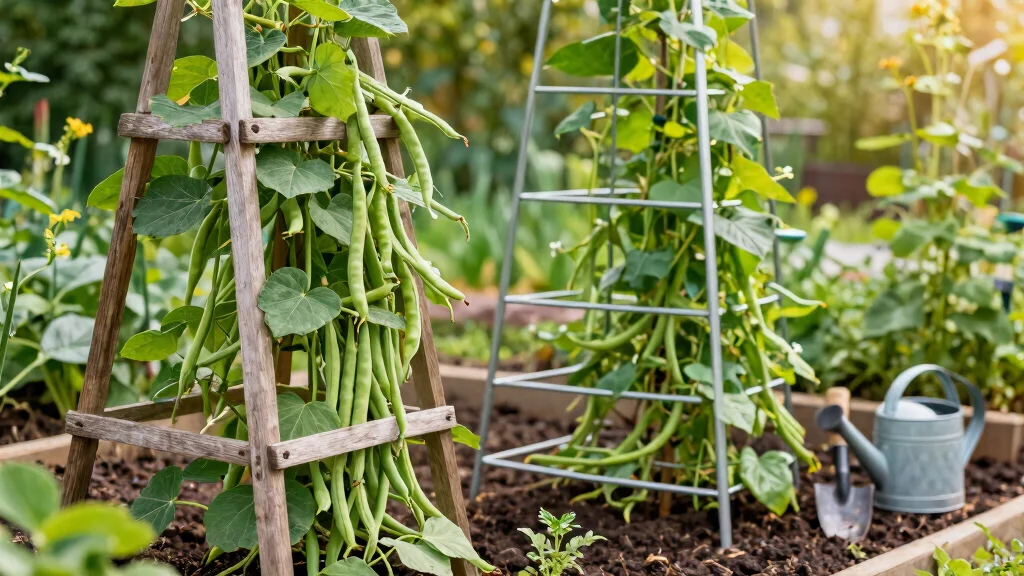
– Support: These beans are climbers, so provide a trellis for them to grow upwards.
– Watering: Regular watering is essential, but avoid getting the leaves wet to prevent mold.
Harvest when the beans are young for the best taste, or let them mature for dry beans that store well. You’ll impress your friends with these gorgeous beans at the summer barbecue!
Dragon Tongue Bean
Editor’s Choice

Burpee Natural Purpose Granular 4-Lb Organic Food for Growing Strong Pla…

Dragon’s Tongue Bush Bean Seeds (Dragon Langerie) – 25+ Non-GMO & He…
4. Boston Marrow Squash

Want to introduce a classic heirloom to your garden? Boston Marrow Squash is renowned for its sweet, creamy flesh and stunning orange skin. This squash is perfect for autumn dishes or even as an eye-catching decoration in your home.
These robust plants can produce large fruits that weigh up to 10 pounds! They thrive in warm conditions and love a sunny spot in the garden.
Here’s how to grow them:
– Space: Give them ample room, as they can take over a garden bed.
– Water: Regular deep watering helps develop their sweet flavor.
– Mulch: Apply mulch to retain soil moisture and reduce weeds.
Once harvested, you can use Boston Marrow in soups, pies, or roasted dishes, making it a versatile choice for your kitchen repertoire!
Boston Marrow Squash
Editor’s Choice
Rapitest Soil Test Kit for Gardens, Vegetables, Flowers and Lawns. USA d…

Burpee Organic Tomato & Vegetable Granular Plant Food, 4 lb

Garden Tools Set, 3 Pack Heavy Duty Gardening Tools Set Include Garden S…
5. Blue Lake Green Bean

Are you searching for a reliable staple in your garden? The Blue Lake Green Bean is famous for its tender texture and delicious flavor. Producing long, slender pods, this variety can be enjoyed fresh or preserved for later.
They’re easy to grow, making them perfect for both beginners and seasoned gardeners. Plant them in mid-spring once the soil has warmed up, and enjoy a continuous harvest throughout the summer.
Here’s what you need to know:
– Soil: Fertile soil with a pH between 6.0 and 7.0 gives them a robust start.
– Water regularly: Keep the soil consistently moist without overwatering.
– Pest control: Watch for pests like aphids and ensure proper spacing for airflow.
These beans pair wonderfully with garlic and lemon, creating a fresh side dish that everyone will love!
Fun fact: Blue Lake Green Beans are heirloom seeds that have become a classic favorite, often reaching harvest in about 50-60 days. Plant them in mid-spring after the soil warms, and enjoy a continuous harvest throughout summer.
You might also like

Blue Lake Green Bean
Editor’s Choice
Burpee Organic Tomato & Vegetable Granular Plant Food, 4 lb

Kentucky Wonder Pole Bean Seeds for Planting – Heirloom Climbing Green B…
6. Scarlet Nantes Carrot

Craving a flavorful carrot that’s a delight to grow? Scarlet Nantes Carrots are rich in flavor and perfect for any home gardener. With their bright orange hue and sweet, crunchy texture, these heirloom carrots are great for snacking, salads, or stews.
They thrive in loose, sandy soil that allows for easy root development, so prepare your bed well before planting. Their vibrant color and delicious taste make them a favorite among gardeners and chefs alike.
Here are some growing insights:
– Depth: Sow seeds about 1/4 inch deep in early spring.
– Thinning: Space out seedlings to give them room to grow without crowding.
– Harvest: Carrots can be pulled as soon as they reach your desired size.
Not only are these carrots tasty, but they also bring beautiful color to your garden at harvest time.
📹 Related Video: Grow 23 CARROTS in 1 gal container – SCARLET NANTES variety
Scarlet Nantes Carrot
Editor’s Choice

Organic Carrot Seeds (Scarlet Nantes) – Approx 1500 Seeds – USDA Organic…

Fiskars Hand Trowel – Fiber Composite Gardening Hand Tool with Hang Hole…
7. Italian Flat Leaf Parsley

Is your garden missing a versatile herb? Italian Flat Leaf Parsley is essential! Known for its robust flavor, this herb elevates your dishes and is easy to grow in pots or garden beds.
Parsley loves cool weather and can be sown in spring or fall. Regular harvesting encourages bushier growth, ensuring you have a continuous supply.
Helpful tips:
– Soil: Choose well-draining, nutrient-rich soil.
– Water: Keep the soil consistently moist but not soggy.
– Companion planting: It grows well with tomatoes, carrots, and other herbs.
From garnishing to cooking, Italian Flat Leaf Parsley is a culinary staple that every gardener should enjoy growing and using.
Fun fact: Italian flat leaf parsley, often grown from heirloom seeds, thrives in cool weather, and regular harvesting can boost leaf production by about 30%. Plant in pots or beds, keep soil moist, and you’ll have fresh herb for weeknight meals.
Top Varieties for Different Conditions
Cherokee Purple Tomato
– Best conditions: Thrives in warm, sunny climates. Ideal for home gardeners looking to grow flavorful tomatoes.
– Key features: This heirloom variety offers a rich, sweet flavor with a deep purple color. It’s great for slicing or making sauces.
– Considerations: Needs full sun and regular watering. These tomatoes may take longer to mature than hybrids, so patience is key.
Purple Vienna Kohlrabi
– Best conditions: Prefers cooler temperatures found in early spring or fall gardens.
– Key features: This striking vegetable has a sweet and crunchy taste. It’s perfect for salads or stir-fries.
– Considerations: Avoid planting in hot summer months, as it can become tough and woody.
Dragon Tongue Bean
– Best conditions: Grows well in warm, sunny spots. Perfect for smaller garden spaces or containers.
– Key features: These beans are not only tasty but also visually appealing with their unique purple streaks. They have a mild flavor that works well fresh or cooked.
– Considerations: Requires trellising for optimal growth. Keep an eye out for pests, as beans can attract them.
Boston Marrow Squash
– Best conditions: Thrives in warm, well-drained soil and full sun. Ideal for gardeners with ample space.
– Key features: This heirloom squash is fibrous, sweet, and perfect for pies. Its large size makes it a true centerpiece in the garden.
– Considerations: Needs a lot of space to spread out. Ensure you have room for sprawling vines.
Blue Lake Green Bean
– Best conditions: Grows best in warm, sunny areas. Suitable for both home gardens and urban settings.
– Key features: Known for its tender, flavorful pods, this bean is a favorite for fresh eating and freezing.
– Considerations: Requires regular watering and can suffer from powdery mildew if humidity is high.
Scarlet Nantes Carrot
– Best conditions: Prefers loose, sandy soil and cool weather. Ideal for spring and fall planting.
– Key features: These carrots are sweet and crunchy, making them perfect for snacking or cooking. Their vibrant color adds beauty to any garden.
– Considerations: Make sure soil is free of stones to allow proper root development.
Italian Flat Leaf Parsley
– Best conditions: Thrives in well-drained soil with plenty of sunlight. Great for window boxes and urban gardens.
– Key features: This versatile herb is more flavorful than curled varieties and is perfect for cooking.
– Considerations: Keep it consistently watered and trimmed to encourage bushier growth.
Candy Roaster Squash
– Best conditions: Prefers warm, sunny locations in fertile soil. Ideal for gardeners looking for unique flavors.
– Key features: Known for its sweet, nutty flavor, this squash can be roasted, pureed, or used in soups.
– Considerations: Requires a long growing season and plenty of space to spread.
Romanesco Broccoli
– Best conditions: Grows best in cool weather, making it perfect for spring or fall.
– Key features: This unique vegetable has a stunning fractal shape and a mild, nutty flavor. It’s a feast for the eyes and the palate!
– Considerations: It can be sensitive to heat, so plant it in a spot that gets morning sun and afternoon shade in hotter climates.
Red Russian Kale
– Best conditions: Thrives in cooler weather and can grow in partial shade. Perfect for fall and winter gardening.
– Key features: This kale has vibrant purple stems and a sweet flavor, especially after frost. It’s great for salads and smoothies.
– Considerations: May attract pests like aphids, so monitor your plants regularly.
Growing Tips:
1. Ensure proper soil drainage to help your plants thrive.
2. Rotate your crops each season to maintain soil health and reduce pest issues.
3. Regularly check your plants for signs of pests or disease, treating them quickly to avoid loss.
Avoid:
1. Avoid planting too closely together; give your plants room to grow.
2. Stay away from using chemical pesticides, which can harm beneficial insects and the ecosystem.
Italian Flat Leaf Parsley
Editor’s Choice

Watering Can for Indoor and Outdoor Plants – Long Spout Water Can for Ga…

Sow Right Seeds – Flat Leaf Parsley Seed for Planting – Non-GMO Heirloom…

Miracle-Gro Organic Outdoor Potting Mix – Plant Soil for Outdoor Contain…
8. Candy Roaster Squash
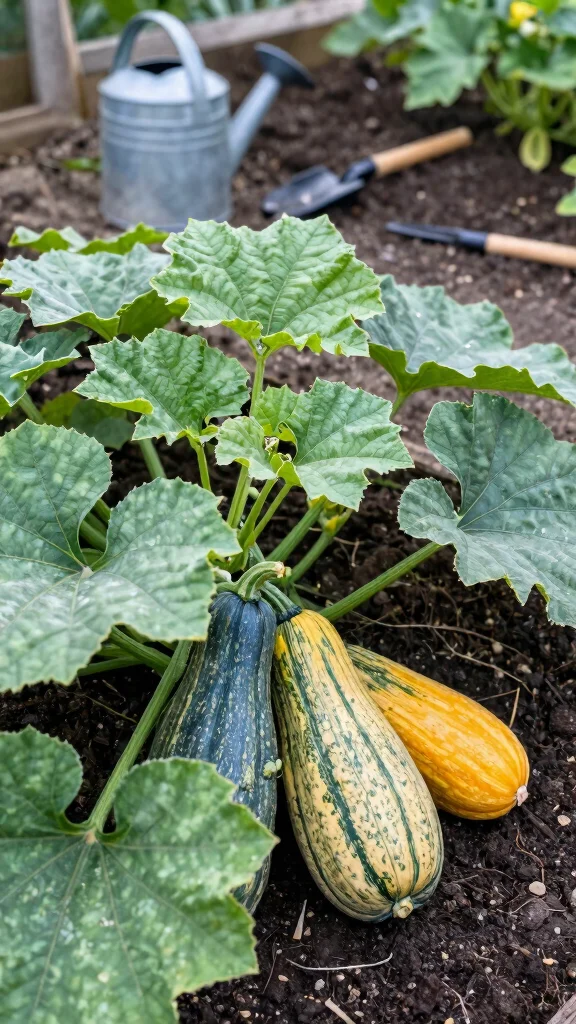
Looking for a squash that’s as delightful as it sounds? The Candy Roaster Squash is sweet, with beautiful blue-green skin and vibrant orange flesh. Perfect for baking, roasting, or soups, this variety thrives in warm weather and produces substantial yields.
Plant this squash in a sunny spot with enough space to sprawl. You’ll be amazed at how quickly it grows!
Here’s how to ensure a fruitful harvest:
– Soil preparation: Amend your garden beds with compost for nutrient-rich soil.
– Watering: Regularly provide water, especially during dry spells.
– Mulching: Use mulch to retain soil moisture and suppress weeds.
Once harvested, Candy Roaster Squash can be stored for months, making it an excellent choice for fall and winter meals.
Growing Candy Roaster Squash proves that great flavor can come from humble space. Plant in full sun, give each plant room to sprawl, and watch heirloom seeds deliver sweet, vibrant harvests you can savor in soups and roasts.
You Might Also Like

Candy Roaster Squash
Editor’s Choice

YAMRON 4-in-1 Soil Moisture Meter, Digital Plant Temperature/Soil Moistu…

Fiskars Trowel, Heavy Duty Gardening Hand Tool with Hang Hole, For Diggi…

Michigan Peat Compost and Manure Blend, Garden Magic Mix with Odor-Free …
9. Romanesco Broccoli

Searching for a striking vegetable that’s also nutritious? Romanesco Broccoli is a visual delight and a powerhouse of nutrition. With its unique fractal shape and bright green color, it’s a stunning addition to your garden. The flavor is milder than traditional broccoli, making it versatile in various dishes.
This heirloom variety thrives in cooler temperatures, so plant it in early spring or late summer. It needs rich, well-draining soil to develop properly.
Here are some growing tips:
– Spacing: Ensure adequate spacing between plants to promote airflow.
– Water: Keep the soil consistently moist but avoid waterlogging.
– Harvesting: Pick the heads when they are firm and tightly closed to enjoy their delicate flavor.
Your friends will be amazed by the unique appearance and taste of Romanesco when you serve it fresh from your garden!
Romanesco Broccoli
Editor’s Choice

Meberam 2 Pack 6x3x1FT Galvanized Raised Garden Beds Kit Outdoor Metal G…

Set of 43 Assorted Vegetable & Herb Seed Packets – Over 10,000 Seeds! – …
Rapitest Soil Test Kit for Gardens, Vegetables, Flowers and Lawns. USA d…
10. Red Russian Kale

Want to add some color and nutrition to your garden? Red Russian Kale is a beautiful and nutritious variety that’s perfect for your backyard. With its vibrant purple stems and frilly leaves, this kale not only looks fantastic but also provides a nutritional punch.
This hardy plant tolerates cold temperatures, making it ideal for fall planting. Plus, its flavor becomes sweeter after the first frost!
To grow Red Russian Kale:
– Soil: Provide well-draining, fertile soil.
– Sun: Full sun or partial shade will encourage growth.
– Regular harvesting: Clip the leaves frequently for a continuous supply of fresh greens.
This kale variety is perfect for salads, smoothies, or cooked dishes, making it a versatile addition to your kitchen and garden.
Red Russian Kale
Editor’s Choice

500 Organic Red Russian Kale Seeds for Planting Heirloom Non GMO 1.75+ G…
Rapitest Soil Test Kit for Gardens, Vegetables, Flowers and Lawns. USA d…
Conclusion

Growing heirloom seeds is more than just a gardening trend; it’s a chance to connect with history, enjoy unique flavors, and participate in sustainable practices. By choosing heirloom varieties, you’re not only enhancing your meals but also preserving biodiversity.
From colorful kohlrabi to sweet squash, the possibilities are endless in your own urban garden. So grab your seeds, get your hands dirty, and start your journey toward a flavorful harvest!
Note: We aim to provide accurate product links, but some may occasionally expire or become unavailable. If this happens, please search directly on Amazon for the product or a suitable alternative.
This post contains Amazon affiliate links, meaning we may earn a small commission if you purchase through our links, at no extra cost to you.
Frequently Asked Questions
Which heirloom seed varieties are best suited for growing rare and flavorful vegetables in an urban home garden?
Great question! For urban home gardens, pick heirloom seed varieties that stay compact, are container-friendly, and offer bold flavors. Look for bush or dwarf types and varieties bred for small spaces. Start seeds indoors 6–8 weeks before your last frost, then transplant into 5–7 gallon pots or window boxes with excellent drainage. Provide 6–8 hours of sun and feed with a high-quality organic potting mix. Use organic gardening tips like mulching, regular soil checks, and compost applications. Support vines with a small trellis or cage, water at soil level, and harvest when flavors peak. This approach helps you grow rare vegetable seeds that fit an urban space and spark home gardening ideas for your balcony or patio, while keeping sustainable gardening practices in mind.
What are practical steps to start growing rare heirloom seeds on a small balcony or patio?
Here’s a simple, actionable plan for small spaces: first, choose container-friendly heirloom seed varieties and plan for 5–7 gallon pots or deep window boxes. Use a high-quality organic potting mix with good drainage. Place containers where they’ll get 6–8 hours of sun daily and stack supports for climbing or tall greens. Start seeds indoors 4–6 weeks before the last frost, then transplant once the weather warms. Water consistently at soil level and mulch to conserve moisture. Apply organic gardening tips like homemade compost tea and natural pest controls to keep rare vegetable seeds thriving. Finally, rotate crops and stagger plantings to maximize home gardening ideas and sustainable results in tight spaces.
How can I store and save heirloom seeds for future seasons?
Saving seeds from your heirloom seeds can save money and preserve unique flavors. Let fruits or pods fully mature on the plant, then gather seeds and clean them. Dry the seeds thoroughly in a warm, airy spot for about a week, then store them in airtight glass jars or paper envelopes. Label with the variety and year, and keep them in a cool, dark place with low humidity. For longer-term storage, aim for a stable environment around 32–50°F (0–10°C) if you can, or at least a cool closet. Periodically test germination before planting large batches. Remember to keep heirloom seed varieties separate if you’re saving more than one to avoid cross-pollination and preserve true diversity.
What organic gardening tips can help maximize flavor and success when growing heirloom seed varieties at home?
Flavor starts with healthy soil and careful care. Use organic gardening tips like building a rich, compost-based soil mix, mulching to retain moisture, and practicing regular soil tests. Water deeply and infrequently to encourage strong root systems, and employ drip irrigation or soaker hoses to keep foliage dry and reduce disease. Grow a diverse mix of rare vegetable seeds to encourage beneficial insects and natural pest control, and rotate crops each season to maintain soil health. Pair plants thoughtfully (companion planting) to boost flavor and resilience, aligning with sustainable gardening practices that keep home gardening ideas thriving year after year.
Where can I source reliable heirloom seeds and how do I verify the authenticity of rare vegetable seeds?
Great question for preserving quality. Look to reputable sources like seed banks and open-pollinated suppliers, such as established heirloom seed varieties collections and community seed swaps. Reputable sellers often label heirloom seeds as open-pollinated or heirloom and provide a historical background, helping you choose rare vegetable seeds. Before buying, check reviews, ask about seed viability, and prefer varieties with a long growing history. Don’t confuse hybrids with true heirloom seeds—hybrids won’t reliably come true from saved seeds. Supporting local seed swaps and partnerships with urban growers also helps you access authentic, sustainable options and expand your home gardening ideas with confidence.
Related Topics
heirloom seeds
rare vegetable seeds
organic gardening
urban gardening
sustainable practices
home gardening
beginner friendly
flavorful varieties
seasonal planting
heirloom varieties
gardening tips
vegetable cultivation