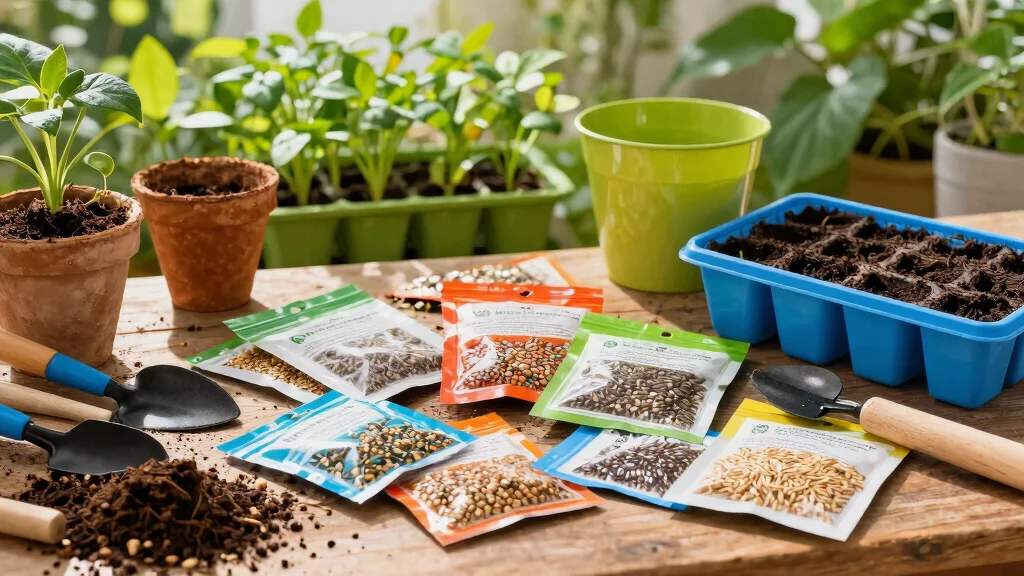
Growing your own garden can be a truly rewarding experience. Whether you crave fresh vegetables or beautiful flowers, planning the right seeds for your garden is vital. That’s why I created this post—to help you discover some fantastic garden seeds ideas that can transform your outdoor space into a stunning and productive haven.
If you are a gardening enthusiast eager to explore heirloom and heritage seeds, you’ll find this guide especially valuable. It’s not just about planting; it’s about nurturing a connection with nature, understanding the seasons, and savoring the fruits of your labor. You’ll uncover unique seed varieties that not only flourish in your garden but also enrich your meals and your soul.
In this article, I’ve gathered eight garden seed ideas that are colorful, nutritious, and perfect for every type of garden. Whether you’re a seasoned gardener or just starting out, these suggestions will inspire you to dig in and plant something truly special this season.
Key Takeaways
– Diverse Seed Options: Explore a variety of garden seeds, including heirloom vegetable seeds and vibrant flower seeds, to achieve a beautiful and productive garden.
– Seasonal Planting: Understand the importance of seasonal planting to ensure your plants thrive. Choosing the right seeds for the right time can lead to a bountiful harvest.
– Seed Starting Tips: Learn essential seed starting tips that will help you nurture your seeds into healthy plants, maximizing your gardening efforts.
– Organic Gardening Practices: Discover the benefits of organic gardening and how using heirloom seeds contributes to a sustainable gardening practice.
– Practical Insights: Gain practical advice on how to care for each type of seed you choose, ensuring they grow beautifully in your garden.
1. Colorful Heirloom Tomato Seeds

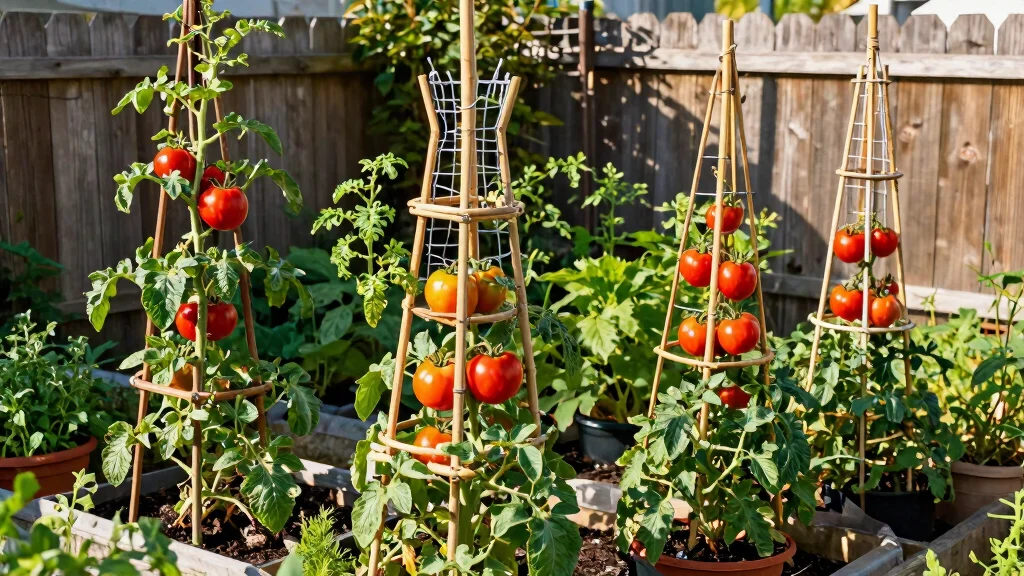
If you’re looking to add a splash of color and flavor to your garden, heirloom tomatoes are the perfect choice. These unique seeds offer a stunning variety of colors, shapes, and tastes, transforming your garden into a vibrant display. With options ranging from rich purples to bright yellows, heirloom tomatoes not only catch the eye but also provide a depth of flavor that far exceeds standard varieties.
When planning your planting, consider popular varieties like Brandywine and Cherokee Purple. These tomatoes thrive in well-drained soil and bask in full sunlight, making them ideal for a central garden spot.
Key steps to get started:
– Start seeds indoors 6-8 weeks before the last frost.
– Use organic seed starting mix for optimal growth.
– Water consistently and provide sturdy supports as they grow.
By incorporating heirloom tomatoes into your garden, you’ll not only enjoy a fruitful harvest but also create a stunning visual and culinary experience!
Colorful garden seeds, heirloom tomato seeds, bring art to your plot; plant a rainbow and you’ll savor wildly different flavors all season. Pro tip: mix Brandywine with other varieties to balance taste and color, turning your garden into a living masterpiece.
Colorful Heirloom Tomato Seeds
Editor’s Choice

Burpee SuperSeed Seed Starting Tray | 36 Cell Reusable Seed Starter Tray…


Organic Tomato Seeds Variety Pack – 12 Individual Packs – 2026 Season – …

Burpee, 9 Quarts | Premium Organic Potting Natural Soil Mix Food Ideal f…
2. Fragrant Lavender Seeds
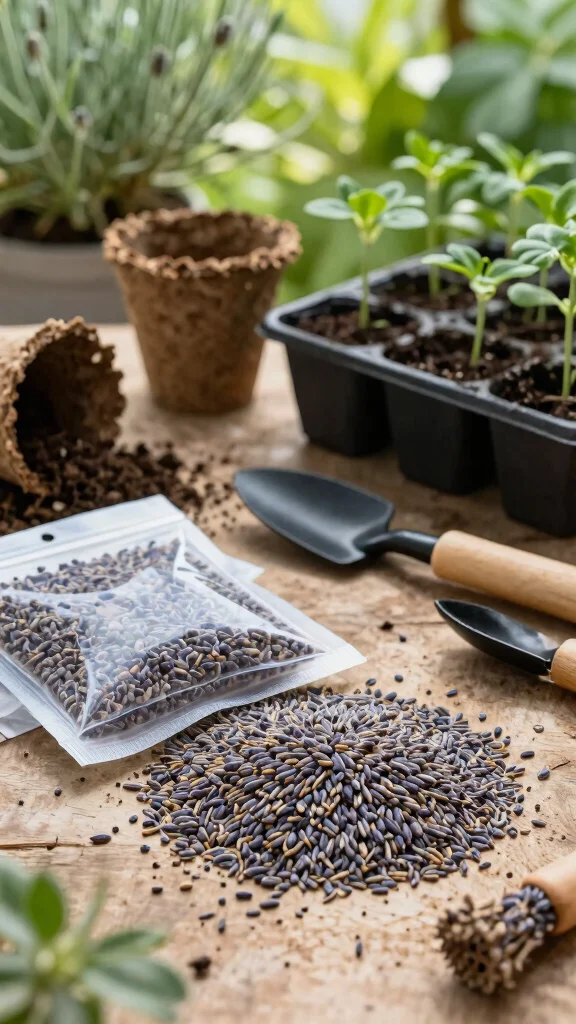
Imagine being welcomed by the soothing aroma of lavender as you step into your garden. This delightful herb not only pleases the senses but also attracts beneficial insects, enhancing your garden’s health. Growing lavender from seeds is a fulfilling endeavor, ensuring a steady supply of this fragrant herb.
Start by sowing your lavender seeds indoors in a tray filled with well-draining soil. Choose a sunny spot for planting, as lavender thrives in bright light.
Essential tips for success:
– Use a heat mat to aid germination.
– Transplant seedlings outdoors once they are sturdy and frost danger has passed.
Lavender not only beautifies your garden but can also be harvested for culinary delights, sachets, or DIY beauty products. Regular pruning encourages bushy growth and more blooms, allowing you to enjoy the aesthetics and versatility of lavender throughout the season!
Fragrant Lavender Seeds
Editor’s Choice

HOME GROWN Non GMO English Lavender Seeds 1,500+ Wildflower Seed for Pla…
Burpee, 9 Quarts | Premium Organic Potting Natural Soil Mix Food Ideal f…
Burpee SuperSeed Seed Starting Tray | 36 Cell Reusable Seed Starter Tray…
3. Vibrant Zinnia Flower Seeds

Zinnias bring joy and color to any garden while attracting pollinators like butterflies. These easy-to-grow flower seeds come in a stunning array of bright hues, perfect for brightening your summer garden. They thrive in warm weather, making them a top choice for sunny spots.
To plant zinnia seeds, select a sunny area with well-drained soil. Sow them directly into the ground after the last frost and watch them flourish.
Helpful planting tips:
– Water regularly but avoid wetting the leaves to prevent disease.
– Deadhead spent blooms to encourage continuous flowering.
Zinnias are fantastic for cut flower arrangements, adding beauty to your home. Their low-maintenance nature makes them ideal for any gardener looking for a burst of color all summer long!
Zinnias are my go-to garden seeds for a quick pop of color and butterflies. Plant them directly after the last frost in a sunny, well-drained bed, water regularly, and watch the pollinators arrive.
Top Varieties for Different Conditions
1. Colorful Heirloom Tomato Seeds
– Best conditions: Warm climates with plenty of sunshine.
– Key features: Heirloom tomatoes offer rich flavors and vibrant colors. They are perfect for slicing in salads or making sauces.
– Considerations: These plants need regular watering and may require staking for support as they grow.
2. Fragrant Lavender Seeds
– Best conditions: Well-drained soil in sunny areas.
– Key features: Lavender not only adds beauty but also attracts pollinators. Plus, its scent is calming and wonderful for gardens and indoor spaces alike.
– Considerations: Lavender can be sensitive to overwatering, so ensuring good drainage is key.
3. Vibrant Zinnia Flower Seeds
– Best conditions: Warm weather and well-drained soil.
– Key features: Zinnias bloom in various colors, making them cheerful additions to any garden. They are also easy to grow and care for.
– Considerations: Zinnias thrive in full sun and may need protection from strong winds.
4. Nutritious Kale Seeds
– Best conditions: Cooler temperatures and partial shade.
– Key features: Kale is packed with vitamins and can be harvested multiple times. It tends to taste sweeter after frost, making it perfect for fall gardens.
– Considerations: Kale can attract pests, so regular monitoring is essential.
5. Heirloom Carrot Seeds
– Best conditions: Loose, sandy soil with good drainage.
– Key features: Heirloom carrots come in unique varieties with different colors and flavors. They are delicious raw or cooked.
– Considerations: Carrots need consistent moisture and can be slow to germinate.
6. Exotic Herb Seeds: Thai Basil
– Best conditions: Warm and sunny environments.
– Key features: Thai basil adds a unique flavor to dishes and is a favorite in Asian cuisine. Its fragrant leaves enhance many recipes.
– Considerations: This herb prefers well-drained soil and regular pruning to encourage bushy growth.
7. Unique Flower Seeds: Love-in-a-Mist
– Best conditions: Cool to temperate climates with well-drained soil.
– Key features: This flower has a distinctive look with delicate foliage and unique blooms. It’s perfect for adding charm to garden borders.
– Considerations: Be aware that it self-seeds easily, which might lead to unexpected growth next season.
8. Resilient Swiss Chard Seeds
– Best conditions: Mild climates with partial sun.
– Key features: Swiss chard is hardy and can survive in colder weather. Its leaves are nutrient-rich and great for salads and cooking.
– Considerations: Keep the soil consistently moist for optimal growth.
Climate/Condition Guide:
– Temperate: Choose varieties like kale and Swiss chard that thrive in cooler temperatures.
– Continental: Heirloom tomatoes and zinnias work well with warm summers and can handle some frost.
– Coastal: Lavender and certain herbs like Thai basil benefit from milder temperatures and humidity.
– Hot/Dry: Opt for drought-resistant varieties such as lavender and zinnias.
– Humid: Use heirloom tomatoes and fragrant herbs that tolerate moisture but ensure good airflow.
Growing Tips:
– Start seeds indoors to get a jump on the growing season, especially for tomatoes and herbs.
– Rotate crops each year to improve soil health and reduce diseases.
– Keep plants well-spaced to allow for air circulation, especially for flowers and leafy greens.
Avoid:
– Don’t overwater, especially for herbs like lavender. It can lead to root rot.
– Steer clear of planting heavy-feeding plants like zucchini in the same spot continuously, as it depletes soil nutrients.
Vibrant Zinnia Flower Seeds
Editor’s Choice

Chapin 47998 Watering Can, 2 Gallon, Indoor and Outdoor Plants, Lawn, Ga…

HOME GROWN Zinnia Dahlia Seeds Pack for 2026 Non GMO 524 Flower Seeds | …

Miracle-Gro Organic Outdoor Potting Mix – Plant Soil for Outdoor Contain…
4. Nutritious Kale Seeds
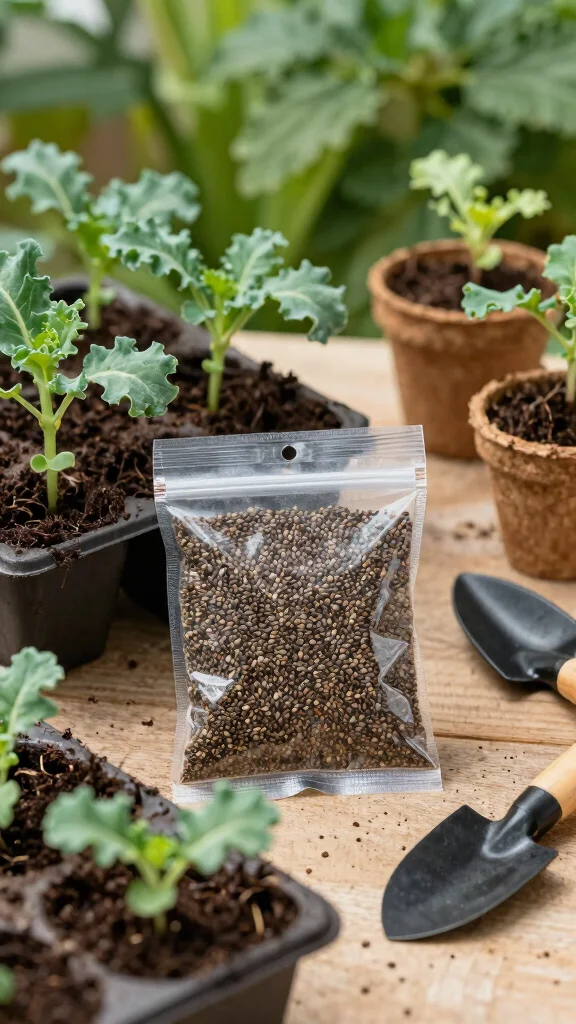
Kale is a powerhouse in the vegetable world, and growing it from seeds ensures a nutritious crop right from your garden. This versatile green can be used in salads, smoothies, and cooked dishes, making it a staple in any healthy diet.
Start your kale seeds indoors or directly in the garden during early spring or fall, as they prefer cooler temperatures.
Practical tips for planting:
– Space seeds about 12 inches apart to allow full growth.
– Water consistently to keep the soil moist during establishment.
Regularly harvesting kale leaves promotes new growth, allowing you to enjoy fresh greens throughout the season. Plus, mature kale can withstand frost, enhancing its flavor. Adding kale to your garden not only boosts productivity but also enriches your meals with healthy, homegrown greens!
You might also like

Nutritious Kale Seeds
Editor’s Choice

Miracle-Gro Potting Mix – For Container Plants, Flowers, Vegetables, Shr…

Organic Kale Seeds (Vates Blue Scotch Curled) – Approx 500 Seeds – USDA …

Halatool 4 Pack Seed Starter Tray with 50 PCS Peat Pellets, 48 Cells Bla…
5. Heirloom Carrot Seeds

Exploring heirloom carrots reveals a delightful array of colors and flavors that standard orange varieties can’t replicate. Varieties like Purple Dragon and Cosmic Purple not only taste incredible but also brighten your garden and your plate.
Plant carrot seeds directly in the soil during early spring, ensuring they are well-watered without becoming overly soaked.
Key planting advice:
– Thin seedlings to 2-4 inches apart to prevent overcrowding.
– Maintain consistent moisture for optimal root development.
Harvesting heirloom carrots is a fun experience, revealing unique shapes and sizes that will impress your family. Incorporating colorful carrots into your garden adds beauty and nutritious vegetables to your meals!
📹 Related Video: Harvesting Heirloom Carrots (2nd Sowing) | Growing Carrots Series Episode 3
Heirloom Carrot Seeds
Editor’s Choice

Patigrow 60-Cell Self-Watering Seed Starter Tray with Grow Light, Seed S…
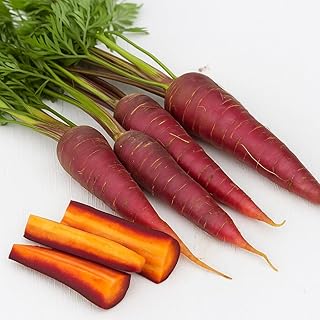
Cosmic Purple Carrot Seeds for Planting, 500+ Heirloom Seeds Per Packet,…
6. Exotic Herb Seeds: Thai Basil

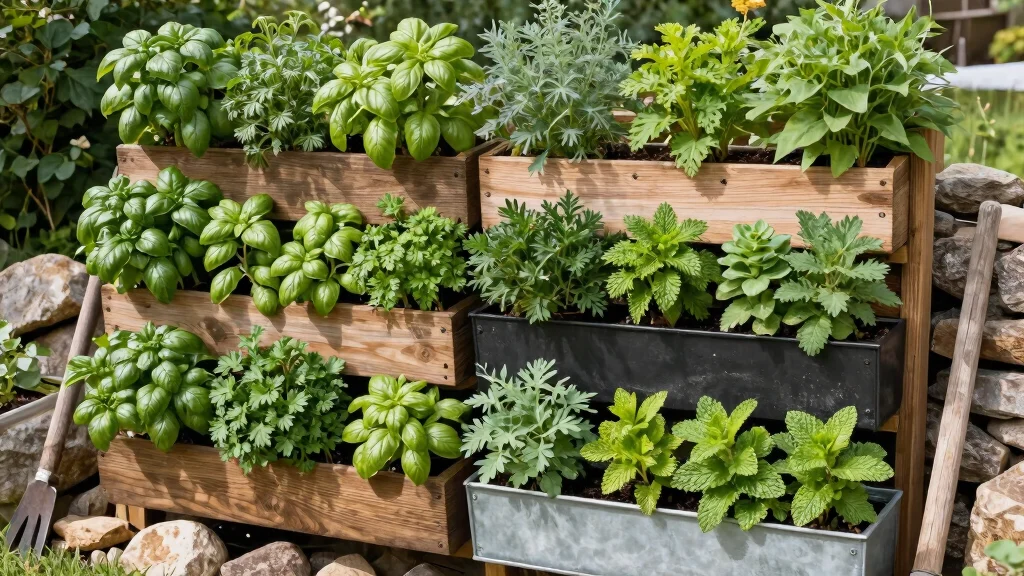
Add an exotic touch to your garden with Thai basil seeds. This culinary herb is essential in many Asian dishes and offers a distinct flavor that sets it apart from traditional basil. With its striking purple stems and fragrant leaves, Thai basil enhances both your cooking and your garden’s aesthetic.
Plant seeds indoors or outdoors in well-drained soil with abundant sunlight.
Essential tips for growing:
– Use a quality seed starting mix and keep the soil moist until germination.
– Pinch back tops to encourage bushier plants.
Harvest regularly to keep your Thai basil thriving, using the fresh leaves in recipes or drying them for later. Growing Thai basil is a productive choice that adds vibrant color and delightful aroma to your garden!
Exotic Herb Seeds: Thai Basil
Editor’s Choice

Garden Tools Set, 3 Pack Heavy Duty Gardening Tools Set Include Garden S…

Seed Needs Herb Seeds Variety Pack Culinary Herb Collection (12 Individu…
Burpee, 9 Quarts | Premium Organic Potting Natural Soil Mix Food Ideal f…
7. Unique Flower Seeds: Love-in-a-Mist

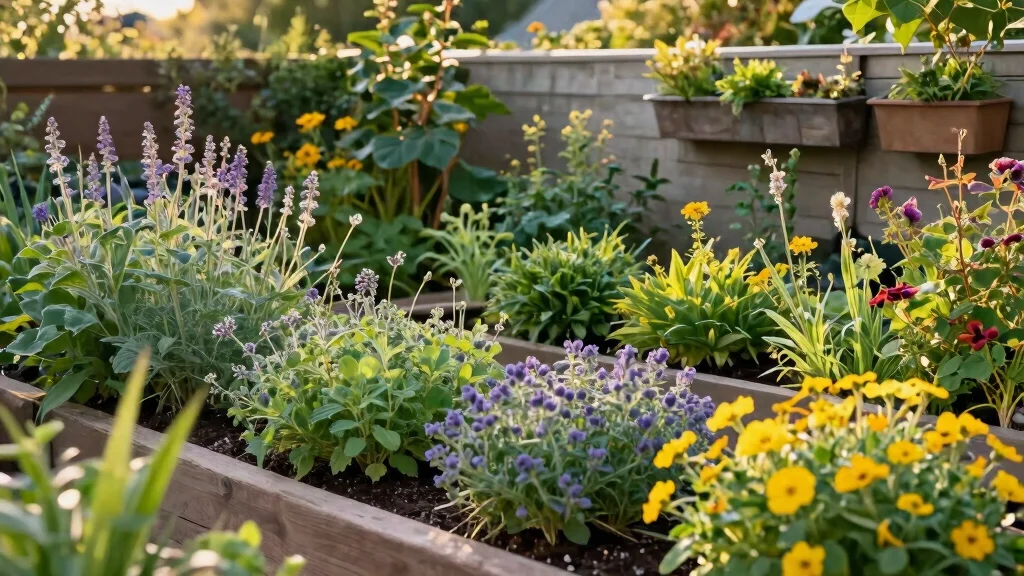
For an enchanting addition to your garden, consider Love-in-a-Mist. Known for its delicate, feathery foliage and unique blooms resembling a misty halo, this flower adds a romantic touch. Available in shades of blue, white, and pink, it will surely charm anyone who sees it.
Plant seeds directly outdoors in early spring, selecting a sunny area with well-drained soil.
Helpful planting advice:
– Thin seedlings to avoid overcrowding and ensure airflow.
– Allow them to self-seed for a delightful surprise of blooms next year.
These stunning flowers are low-maintenance, making them perfect for any gardener. Their whimsical nature adds a dreamy quality to your garden that will impress all your visitors!
You Might Also Like
Unique Flower Seeds: Love-in-a-Mist
Editor’s Choice

Seed Needs, Blue Love in A Mist Seeds – 300 Heirloom Seeds for Planting …
Burpee, 9 Quarts | Premium Organic Potting Natural Soil Mix Food Ideal f…

Grenebo Gardening Tools 9-Piece Heavy Duty Garden Hand Tools with Fashio…
8. Resilient Swiss Chard Seeds

Swiss chard is a remarkably resilient vegetable that adapts to various growing conditions. With its vibrant stems and dark green leaves, it’s not only nutritious but also visually stunning. Growing Swiss chard from seeds can provide a bountiful harvest throughout the season.
Plant seeds directly in the garden after the last frost, or start them indoors for a head start.
Key growing tips:
– Space seeds about 12 inches apart to allow for full growth.
– Water regularly, especially during dry spells.
Harvest the outer leaves as they mature, allowing the inner leaves to thrive. Swiss chard is versatile; use it in salads, stir-fries, or smoothies. Including this colorful vegetable in your garden enhances both its aesthetic appeal and the nutritional value of your meals!
Fun fact: Swiss chard seeds germinate quickly, often within 7–14 days, and provide a harvest all season when you plant in 12-inch rows. Use resilient garden seeds to keep feeding your family with vibrant stems and dark green leaves.
Resilient Swiss Chard Seeds
Editor’s Choice

The Old Farmer’s Almanac Heirloom Swiss Chard Seeds (Rainbow Mixture) – …
Burpee SuperSeed Seed Starting Tray | 36 Cell Reusable Seed Starter Tray…
Conclusion
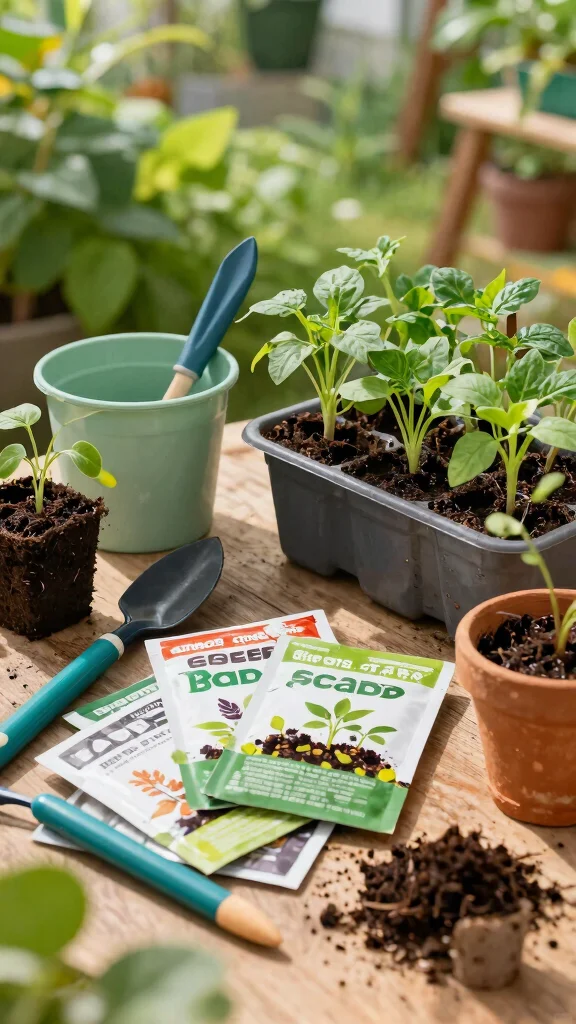
Embracing the world of heirloom and heritage seeds opens up a vibrant and diverse gardening experience. By planting these eight unique seed varieties, you can create a stunning garden full of color, flavor, and character. The journey from seed to harvest is not just about productivity; it’s about preserving the rich history and biodiversity that these seeds offer.
Consider incorporating these ideas into your gardening plans this season, and watch as your garden transforms into a lush and beautiful retreat filled with nature’s wonders. Happy gardening!
Note: We aim to provide accurate product links, but some may occasionally expire or become unavailable. If this happens, please search directly on Amazon for the product or a suitable alternative.
This post contains Amazon affiliate links, meaning we may earn a small commission if you purchase through our links, at no extra cost to you.
Frequently Asked Questions
Why are heritage and heirloom garden seeds a great choice for a stunning and productive garden?
Heritage and heirloom garden seeds bring exceptional flavor, color, and resilience to your plot. They’re typically open-pollinated, so you can save your own seeds and keep beloved varieties thriving year after year.
Choosing heritage options supports genetic diversity and better adaptation to local climates, which is perfect for organic gardening practices.
Mix vegetable seeds and flower seeds from heirloom lines to create a vibrant, pollinator-friendly display that enhances both beauty and productivity in your garden.
Which garden seeds should I start with this season for a balanced vegetable and flower display?
Begin with a core set of easy-to-grow heirloom vegetable seeds (think tomatoes, beans, carrots) and a few companion flower seeds that attract pollinators. Plan around your local seasonal planting windows: direct-sow hardy crops, start the rest indoors, and stagger successive plantings for continuous harvests.
Look for open-pollinated heirloom options so you can save seeds next year, and keep a simple planting calendar to track sowing dates and transplant timing. This approach gives you a productive garden with a bright mix of edible and ornamental blooms.
What are the best seed starting tips for growing heirloom varieties indoors before planting outside?
Start heirloom seedlings in a clean seed-starting mix and provide drainage for each container. Give them plenty of light—12-16 hours daily, with grow lights if needed—and keep the soil evenly moist, not soggy, to encourage even germination.
Hardening off the strongest transplants over 5-7 days helps them adjust to outdoor conditions before you plant them into the garden. Label varieties clearly and note germination times so you can improve your process next season. These seed starting tips work well with garden seeds and fit organic gardening principles.
How can I grow a productive, low-maintenance garden using organic gardening practices with heirloom seeds?
Embrace mulch, compost, and natural amendments to feed your heirloom plants without synthetic inputs. Use crop rotation and diverse beds to reduce pests and soil-borne diseases while staying true to organic gardening principles.
Encourage beneficial insects with a mix of flower seeds and habitat garden features, and choose hardy heirloom varieties known for vigor and reliable yields. Collect rainwater or use drip irrigation to conserve moisture and simplify care. This strategy maximizes productivity while keeping your soil healthy.
How do I plan for seasonal planting with garden seeds to ensure continuous harvest and color?
Create a seasonal planting calendar that lists sowing, transplanting, and harvest windows for each variety. Choose a mix of early-, mid-, and late-season vegetable seeds and flower seeds so you can enjoy harvests and color from spring through fall.
Practice succession planting every 2-3 weeks for vegetables and select continuous-blooming flowers to keep your beds lively. Save seeds from favorite heirloom varieties to keep your garden seeds legacy alive for years to come.
Related Topics
garden seeds
heritage seeds
heirloom varieties
vegetable gardening
flower seeds
organic gardening
seed starting tips
seasonal planting
beginner friendly
productive garden
sustainable gardening
easy gardening