
Creating a beautiful and well-planned garden is a dream for many, especially if you’re working with limited space. With so many vertical garden ideas and container gardening tips available today, it’s easier than ever to turn that dream into reality. I made this post to share some fantastic garden box design ideas that help you maximize your space and add stunning features to your outdoor area. Whether you’re a seasoned gardener or just starting, you’ll find something that inspires you.
If you love gardening but feel constrained by space or resources, this post is for you. You’ll discover creative designs that fit into small areas while still providing ample room for your favorite plants. These ideas will not only elevate the aesthetics of your garden but also align with sustainable gardening practices. You’ll learn practical tips for planning your garden layout, ensuring that you make the most of your environment.
Expect to see seven unique garden box design ideas that are practical, beautiful, and perfect for small spaces. Each idea will help you create a garden that draws the eye and fosters growth. Let’s dive in and explore how you can transform your garden into a stunning feature that you’ll be proud of.
Key Takeaways
– You can create stunning garden features even in small spaces with innovative garden box designs.
– Vertical garden boxes, such as stacked herb gardens, allow you to utilize vertical space effectively.
– Colorful planters and recycled material garden boxes provide eco-friendly options that add character to your garden.
– Compact raised garden boxes with trellises maximize planting areas while making maintenance easier.
– Planning your garden layout carefully can enhance both functionality and beauty, making your gardening experience enjoyable.
1. Stacked Vertical Herb Garden Boxes

Are you ready to elevate your herb gardening experience? Stacked vertical herb garden boxes not only save space but also bring fresh herbs right to your fingertips. These clever designs add a stunning visual element to your balcony or patio while making it easy to harvest your favorite flavors for cooking.
Begin by choosing sturdy materials like untreated wood or galvanized metal that suit your style. Position your boxes against a wall or fence for added support and easy access. Select herbs such as basil, rosemary, and thyme that flourish in vertical arrangements, and consider a drip irrigation system for hassle-free watering.
Key features to consider:
– Material Options: Select untreated wood or metal for a rustic look.
– Perfect Placement: Position boxes against walls for stability.
– Herb Selection: Grow herbs like basil and thyme that thrive vertically.
– Watering Ease: Implement a drip system for consistent moisture.
With the right design, you’ll have an eye-catching herb garden that’s both beautiful and practical, perfect for any cooking enthusiast.
Stacked Vertical Herb Garden Boxes
Editor’s Choice

Land Guard Galvanized Raised Garden Bed Kit, Galvanized Planter Garden B…


Baotree 5 Tiers Vertical Wooden Raised Garden Bed, Tiered Standing Garde…

TOREVSIOR 5-Tier Vertical Raised Garden Bed, Vertical Garden Planter wit…
2. Colorful Vertical Planters
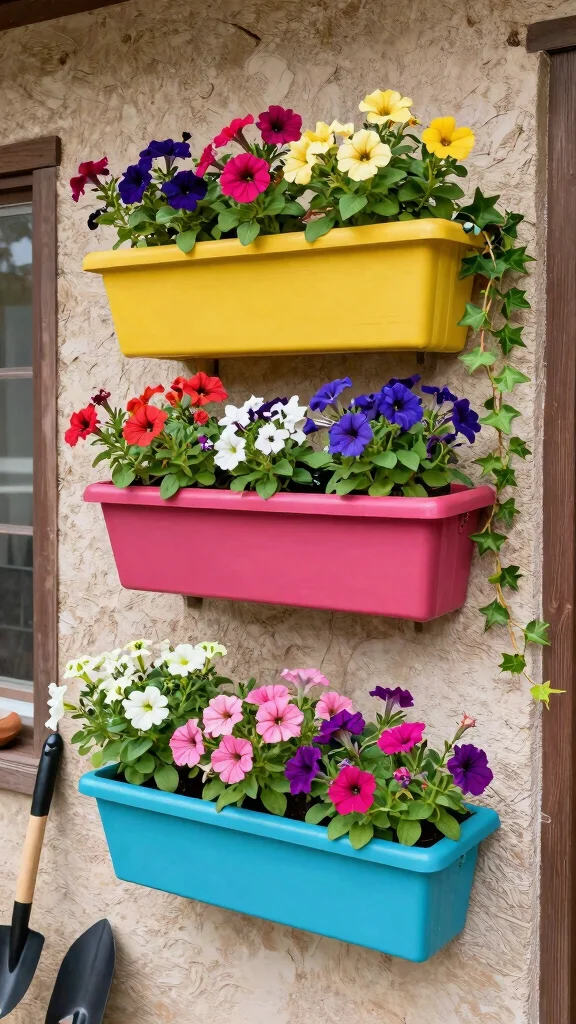
Transform your garden into a vibrant oasis with colorful vertical planters! These lively designs not only save space but also add a burst of color that can brighten any area. Perfect for flowers, trailing plants, or even compact vegetables, they enhance your garden’s charm while serving a functional purpose.
Choose bold colors like sunny yellows, fiery reds, or deep blues to make a striking statement. Fill your planters with flowers such as petunias or marigolds, and incorporate trailing vines for a cascading effect. Mix different pot shapes and textures for visual depth, and consider your patio’s sunlight exposure to ensure your plants thrive.
Here’s how to get started:
– Choosing Colors: Opt for bright colors to make a bold statement.
– Flower Selection: Use petunias and marigolds for vibrant blooms.
– Textures and Shapes: Combine various pot types for interest.
– Sunlight Consideration: Match plants to your patio’s sun exposure.
Your vertical planters will not only serve as practical garden boxes but also as stunning displays that invite visitors to explore your outdoor space.
📹 Related Video: How to make a Vertical Garden: Full DIY Guide with Design Tips, Materials and Plant Choice
Colorful Vertical Planters
Editor’s Choice
1000+ Marigold Seeds for Planting, Mixed Color Marigold Seeds Heirloom G…

Umigy 2 Set Multicolor 7 Tier Stackable Vertical Planters with Removable…
3. Corner Raised Garden Beds

Maximize every inch of your garden with corner raised garden beds! These clever designs fit perfectly into those often-overlooked spaces, creating lush areas for flowers or vegetables. By utilizing corners, you can transform your garden into a beautiful and productive landscape.
Choose L-shaped or triangular designs to enhance access while optimizing space. Make sure to provide enough soil depth for root growth, particularly for vegetables. Consider companion planting to promote healthier growth and maximize your yield, and position your beds for easy access from all sides.
Essential tips for corner beds:
– Design Flexibility: Use L-shaped designs for better access.
– Soil Depth: Ensure deep soil for robust root systems.
– Companion Planting: Grow compatible plants together for success.
– Accessibility: Arrange beds for easy maintenance.
These raised beds not only enhance your garden layout but also become striking focal points, turning simple corners into lush highlights of your outdoor space.
Fun fact: Corner raised garden beds can increase usable planting space by up to 25% in small yards. An L-shaped or triangular layout fits tight corners, boosting access and productivity for flowers or veggies. Pro tip: plan your garden box design to maximize soil depth and support companion planting.
Corner Raised Garden Beds
Editor’s Choice

Companion Planting for Beginners: Pair Your Plants for a Bountiful, Chem…

Miracle-Gro Potting Mix – For Container Plants, Flowers, Vegetables, Shr…
Sunnydaze Galvanized Raised Garden Bed Kit – 5x5x1 ft Outdoor Raised Gar…
4. Hanging Garden Boxes
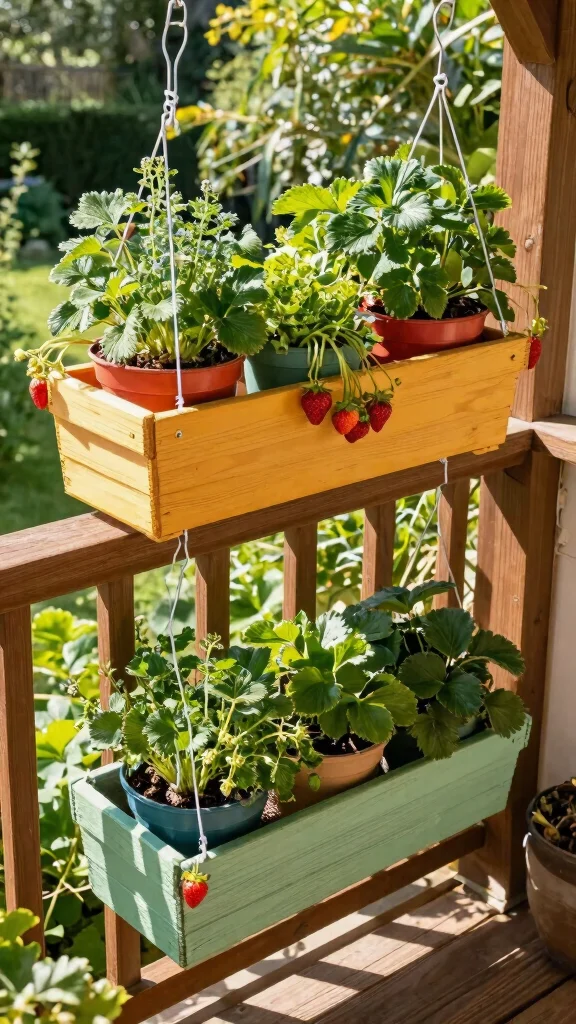
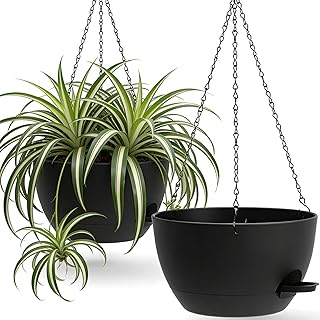
Short on ground space? Hanging garden boxes provide a whimsical solution! These suspended planters can be attached to railings, walls, or fences, creating a stunning floating garden that maximizes vertical space.
Place your hanging boxes at a comfortable height for easy access during maintenance and harvesting. Look for sheltered spots to protect delicate plants from wind, and consider self-watering systems to ensure consistent moisture. Add a splash of color or unique patterns to your boxes for extra visual appeal.
Here’s how to make the most of hanging gardens:
– Easy Access: Hang planters at a comfortable height.
– Wind Protection: Choose sheltered locations for delicate plants.
– Plant Watering: Implement self-watering systems for convenience.
– Decorative Touch: Use colorful or patterned boxes for flair.
Your hanging garden boxes will not only serve as functional planters but also as delightful design features, elevating the charm of your outdoor area.
Hanging garden boxes are a game-changer for tight spaces, and with a simple self-watering setup, you can grow herbs and colorful blooms without bending over. After all, garden box design is about making every square inch count.
You might also like

Difficulty Rating & Requirements
Overall Difficulty Rating: Medium
Creating a stylish and functional garden box design requires a moderate level of skill. This project is suitable for enthusiastic beginners who have some basic woodworking or gardening experience. If you’re comfortable using tools and following plans, you’ll find this task manageable, yet rewarding.
Time Estimate:
⏱ Estimated time: 2-4 days
– Planning & Design: 1 day to sketch out your garden layout and decide on the types of boxes.
– Materials Gathering: 1 day to purchase or collect materials needed for your designs.
– Building & Assembly: 1-2 days depending on the complexity of the designs you choose.
Skill Requirements:
– Required skills: Basic woodworking, understanding of plant needs, and layout organization.
– Beginner-friendly: Yes, with some prior experience or willingness to learn new techniques.
– Skills that can be learned: Basic measuring and cutting; requires practice for precision.
Tools & Materials Needed:
🧰 Essential items checklist:
– Wood (e.g., cedar, pine) – Required: Choose rot-resistant wood for durability.
– Screws and nails – Required: Essential for assembling the garden boxes securely.
– Wood glue – Required: Adds extra support to joints.
– Saw (hand saw or power saw) – Required: Needed to cut wood pieces to the desired size.
– Drill – Required: For making holes and driving screws.
– Level – Required: Ensures your boxes are even and stable.
– Measuring tape – Required: Critical for accurate measurements.
– Paint or sealant (optional): Helps protect your boxes from the elements and adds color.
Step-by-Step Overview:
1. Planning & Design (1 day): Draw out designs for your vertical garden boxes. Think about what plants you want and how much space they need.
2. Materials Gathering (1 day): Collect all needed materials. Make sure you have everything to avoid delays later.
3. Building & Assembly (1-2 days): Cut the wood to size, assemble the boxes using screws and glue, and ensure everything is level.
4. Finishing Touches (1 day): If desired, paint or seal the boxes. This helps them last longer outside.
Professional vs DIY:
Building your garden boxes can save you money compared to hiring a professional. A custom-built garden box can cost anywhere from $200 to $500, depending on size and materials. In contrast, doing it yourself may cost around $50 to $150 for materials, depending on what you choose. If you’re uncertain about your skills or want a specific design, hiring a professional might be worth considering. They can bring your vision to life with precision and quality.
Hanging Garden Boxes
Editor’s Choice

Vertical Garden Wall Planters – 2-Pack Modern Matte Black Geometric Po…

Set of 2-10 Inch Hanging Planters for Indoor Plants with Self-Watering I…
UOUZ 13 Inch 2 Pack Large Self Watering Hanging Planters for Indoor Outd…
5. Modular Container Gardening

Embrace flexibility with modular container gardening! This approach allows you to craft a personalized garden layout without the confines of fixed designs. Easily rearrange your containers to adapt to changing seasons or your gardening preferences.
Use a variety of shapes and sizes to create visual intrigue, and group plants that share similar sunlight and watering needs for optimal growth. Rotate your plants seasonally to keep your garden fresh and exciting, and ensure each container is easily accessible for maintenance.
To get started:
– Container Variety: Select different shapes for visual interest.
– Plant Grouping: Combine plants with similar needs for success.
– Seasonal Rotation: Change plants with the seasons for variety.
– Easy Maintenance: Keep containers accessible for care.
This method supports sustainable gardening and allows you to experiment with an ever-evolving garden that reflects your unique style.
Modular Container Gardening
Editor’s Choice

Miracle-Gro Organic Outdoor Potting Mix – Plant Soil for Outdoor Contain…

LEETOLLA Elevate 32″ Tall Raised Garden Bed Outdoor with Wheels & Shelf …

10 Pack 3″ Self Watering Pots for Indoor Plants, Clear Inner Cup, Small …
6. Compact Raised Garden Boxes with Trellises

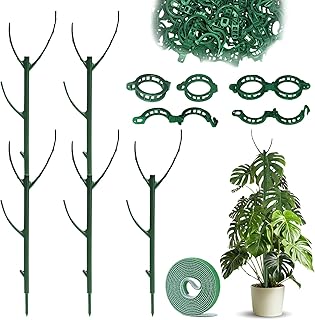
Looking to grow climbing plants or vining vegetables? Compact raised garden boxes with trellises are the perfect solution! These designs take advantage of vertical growth while providing the necessary support and stability for your plants.
Select plants like cucumbers, peas, or flowering vines that thrive with trellises. Ensure your trellis is tall enough for your plants to flourish and use durable materials that can withstand the elements. Enhance the aesthetic by incorporating decorative lattice designs that add charm to your garden.
Key considerations for your trellis setup:
– Plant Selection: Choose climbers like cucumbers and peas.
– Design Height: Ensure trellises are tall enough for growth.
– Material Considerations: Use sturdy materials for durability.
– Aesthetic Appeal: Add decorative elements to enhance beauty.
This arrangement not only maximizes space but also creates a lush backdrop that softens hardscapes, making your garden a delightful escape.
Did you know compact raised garden boxes with trellises can double your harvest in a small space? By training cucumbers or peas upward, you get more growing area—use a tall, sturdy trellis and durable materials to maximize support and airflow.
You Might Also Like


Compact Raised Garden Boxes with Trellises
Editor’s Choice
5pack Adjustable Plant Support Pole – Stackable Indoor/Outdoor Support…

1 Pack Garden Obelisk Trellis for Climbing Plants Outdoor, 6FT Adjustabl…

Feitore Fabric Raised Garden Bed, 2ft x 4ft Garden Grow Bags Planting Be…
7. Recycled Material Garden Boxes

Sustainable gardening can be both stylish and eco-friendly with garden boxes crafted from recycled materials. Transform old pallets, crates, or tin cans into charming planters that minimize waste and add character to your garden.
Start by sourcing materials locally, looking for free or low-cost options in your community. Clean and treat these materials to ensure they’re safe for planting, and get creative with shapes and arrangements to achieve a unique look. Ensure the materials you choose are suitable for the plants you want to grow.
Steps for creating your recycled garden boxes:
– Material Sourcing: Find free or low-cost recycled materials.
– Upcycling Techniques: Clean materials for planting suitability.
– Creative Designs: Experiment with shapes for uniqueness.
– Plant Compatibility: Ensure materials are safe for your plants.
Building your garden boxes from recycled materials not only enhances visual appeal but also contributes to a sustainable future, making your garden a reflection of your values.
Recycled Material Garden Boxes
Editor’s Choice

2PCS 8x4x1FT Galvanized Raised Garden Bed, Galvanized Planter Raised Gar…

vensovo 10 Inches Silver Metal Rustic Plant Pots – 4 Pcs Large Shallow G…
Conclusion

With these seven innovative garden box design ideas, you can turn even the tiniest outdoor spaces into lush, vibrant displays of nature. Whether you prefer vertical solutions, sustainable practices, or whimsical hanging planters, there are countless ways to make your garden uniquely yours.
Embrace the opportunity to create a stunning garden feature that reflects your style and gardening passion. Each box you build becomes a part of your home, showcasing your love for plants and your commitment to bringing nature closer.
Note: We aim to provide accurate product links, but some may occasionally expire or become unavailable. If this happens, please search directly on Amazon for the product or a suitable alternative.
This post contains Amazon affiliate links, meaning we may earn a small commission if you purchase through our links, at no extra cost to you.
Frequently Asked Questions
How do I get started with garden box design for a small space using vertical garden ideas?
Getting started with a garden box design for a small space means simple planning. First measure your area and choose a box size that fits without overwhelming the space, opting for a raised garden bed or modular box that suits your needs.
Next, plan drainage and soil: use a lightweight, high-quality potting mix, ensure drainage holes, and layer with compost. For vertical garden ideas, add a trellis or wall-mounted planters to maximize height while keeping the floor area open, which makes garden box design and vertical garden ideas practical for tiny spaces.
What are the best container gardening tips to maximize a tiny garden area?
Start with the right containers: choose sizes that fit your plants and space, with drainage holes and sturdy rims. Use high-quality potting mix and avoid heavy garden soils in pots. Water efficiently with drip irrigation or self-watering pots, and group plants with similar sun and water needs to simplify maintenance.
Place containers where they get the right light, rotate crops seasonally, and use mulch to slow water loss. These container gardening tips help you create a productive, tidy display with garden box design principles.
How can I make my garden box design sustainable and water-efficient?
Collect rainwater with a simple barrel to water your boxes and reduce tap water use. Build soil health with compost and use mulch to retain moisture. Choose sustainable gardening practices like native or drought-tolerant plants, organic pest control, and companion planting to improve yields without extra inputs.
Install a drip irrigation system to deliver water directly to roots, and design boxes with proper drainage to prevent waste. Reuse materials where possible to keep the project eco-friendly and cost-effective.
How should I plan the garden layout to get the most from a vertical box in a small space?
Start with a simple garden layout plan: map sun hours, then assign plants by light needs. Use vertical space with wall pockets, trellises, and hanging planters to create multi-tiered growth while keeping paths clear for access. Consider the reach distance for maintenance and select companion plants to improve pest control and maximize space. This garden layout planning approach and vertical garden ideas help small spaces feel roomy and productive.
What are common mistakes to avoid in garden box design for small spaces?
Common mistakes include skipping drainage or using the wrong soil for containers, which can lead to soggy roots. Overpacking boxes or choosing plants that outgrow the space reduces airflow and yields. Ignoring sun exposure and weight limits on balconies can cause ongoing problems. Finally, neglecting maintenance and seasonal rotation limits success. Fixes: ensure proper drainage, use raised beds with liners if needed, select compact varieties, and plan a simple maintenance routine aligned with garden box design, garden layout planning, and vertical garden ideas.
Related Topics
garden box design
vertical gardening
raised garden beds
small space gardening
container gardening
sustainable practices
garden layout
beginner friendly
DIY garden projects
urban gardening
creative planters
seasonal gardening