
Creating a stunning garden filled with colorful blooms can feel like a daunting task, especially if you’re starting from scratch. That’s why I made this post! Whether you’re a seasoned gardener or a newbie, there’s something undeniably rewarding about nurturing flower seeds into beautiful plants. If you’ve been dreaming about a vibrant garden that attracts pollinators and brightens your outdoor space, this guide is for you.
If you love getting your hands dirty and finding joy in every sprout, you’re in the right place. This post speaks to gardening enthusiasts who want to transform their yards into lively, colorful havens. You’ll discover a list of nine fantastic flower seeds that are not only easy to grow but also perfect for creating a pollinator-friendly garden.
By the end of this post, you’ll have a collection of flower seed ideas that will inspire you to plan your garden. From cheerful sunflowers to aromatic lavender, these selections will ensure your space is bursting with life and color. Let’s dive into the world of flower gardening and uncover the beauty waiting to bloom in your yard!
Key Takeaways
– Diverse Choices: Explore nine different flower seeds that cater to various styles and garden themes, helping you create a unique and colorful environment.
– Pollinator-Friendly: Many of the recommended flowers attract bees, butterflies, and hummingbirds, promoting biodiversity in your garden.
– Seed Starting Tips: Discover practical advice on how to start seeds indoors or outdoors, ensuring a successful bloom season.
– Annual vs Perennial: Understand the difference between annual and perennial flowers, so you can select the best options for your garden’s longevity and maintenance.
– Garden Planning: Gain insights into effectively planning your garden layout, making sure to optimize space for each type of flower and maximize visual appeal.
1. Sunflower Seeds: The Cheerful Giants

If you’re dreaming of a vibrant garden, sunflowers are a must-have. Their towering stalks and cheerful yellow faces not only brighten your space but also attract beneficial pollinators like bees and butterflies. These flowers are perfect for both novice and seasoned gardeners, as they thrive in sunny spots and are easy to grow from seed. You can plant them in a variety of soils, just ensure it drains well to keep the roots healthy.
To ensure your sunflowers flourish, give them room to grow by spacing them at least 12 inches apart. Water them regularly, but be cautious not to overdo it; they prefer slightly dry soil between watering sessions. For a stunning display, consider planting varieties such as the tall ‘Mammoth’ or the compact ‘Teddy Bear.’
Key points for planting sunflowers:
– Space sunflowers at least 12 inches apart
– Water regularly, allowing soil to dry slightly
– Choose tall or bushier varieties for diverse looks
With sunflowers in your garden, you’ll create a lively atmosphere that brings joy and beauty, while also supporting local wildlife.
Sunflower Seeds: The Cheerful Giants
Editor’s Choice

Fiskars Trowel, Heavy Duty Gardening Hand Tool with Hang Hole, For Diggi…


SMACKIN’ Sunflower Seeds, Roasted Jumbo Small-Batch, American Made – Var…

Miracle-Gro Potting Mix – For Container Plants, Flowers, Vegetables, Shr…
2. Lavender Seeds: Aromatic and Elegant

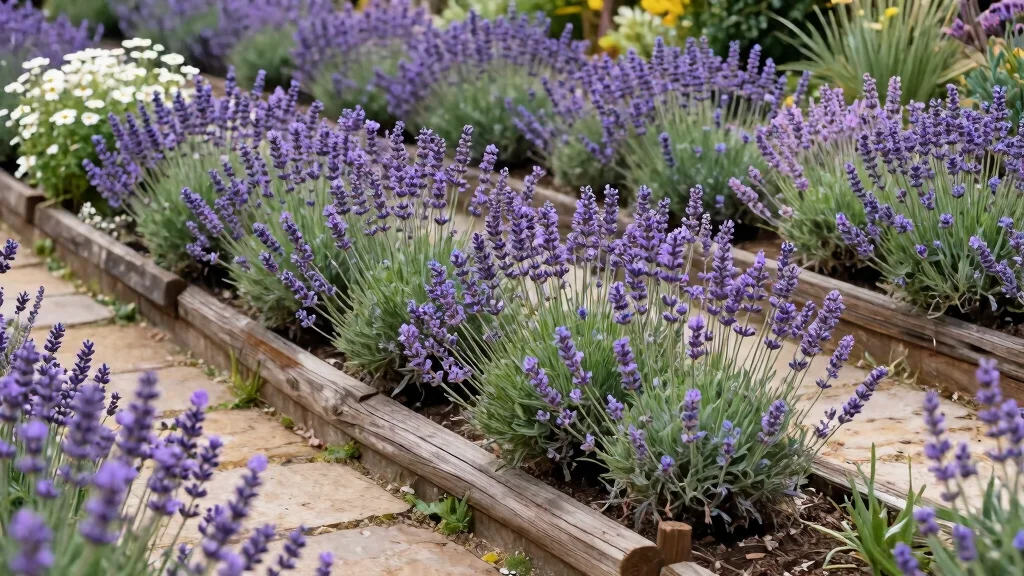
Lavender is more than just a pretty purple flower; it brings a soothing aroma that elevates any garden. Known for its elegance, lavender attracts a variety of pollinators while naturally repelling pests, making it a functional choice for your garden. These hardy plants thrive in sunny, well-draining areas and require minimal water once established, perfect for low-maintenance gardening.
For best results, start your lavender seeds indoors to give them a head start before spring. Once the danger of frost has passed, transplant them outside, ensuring enough space for good air circulation. Regular pruning will encourage bushier growth and keep your plants looking neat.
Helpful tips for growing lavender:
– Start seeds indoors for an early start
– Transplant after the last frost, maintaining spacing
– Prune regularly for a tidy, bushy appearance
With lavender in your garden, you’ll enjoy its beauty and fragrance while creating a peaceful sanctuary for pollinators.
Lavender Seeds: Aromatic and Elegant
Editor’s Choice

BN-LINK Durable Seedling Heat Mats for Seed Starting 10″ x 20.75″, 4 Pac…

Lavender – Bulk 1 Pound Bag – 400,000 Flower Seeds for Planting – Lavand…

Lavender Seed Pod Kit, 8 Pod Kit (Include Seed Lavender/Chamomile/Holy B…
3. Coneflower Seeds: Resilient Beauties

Coneflowers, also known as echinacea, are striking perennials that bloom in vibrant shades of pink and purple. These hardy flowers are beloved by pollinators, providing essential nectar all summer long. They adapt well to various soil types and are drought-resistant once established, making them excellent for gardens in hotter regions.
To grow coneflowers, you can start seeds indoors in late winter or sow them directly in your garden after the last frost. Keep the soil moist until the seeds germinate, then water less frequently. Remember to deadhead spent blooms to promote continuous flowering throughout the season.
Key strategies for growing coneflowers:
– Start seeds indoors or sow directly after frost
– Keep the soil moist until germination
– Deadhead blooms to encourage more flowers
Coneflowers not only add beauty to your garden but also thrive with minimal care, making them a favorite for colorful landscapes.
📹 Related Video: Complete Guide to Purple Coneflower – Echinacea purpurea
Coneflower Seeds: Resilient Beauties
Editor’s Choice

HOME GROWN Zinnia Dahlia Seeds Pack for 2026 Non GMO 524 Flower Seeds | …

Organic All-Purpose Liquid Plant Food – Use on All Outdoor Plants: Flowe…

Halatool 4 Pack Seed Starter Tray with 50 PCS Peat Pellets, 48 Cells Bla…
4. Bee Balm Seeds: Pollinator Paradise

Looking to attract pollinators? Bee balm is an excellent choice. Its tubular flowers come in vibrant shades of red, pink, and purple, drawing in bees, butterflies, and even hummingbirds. This plant thrives in moist, well-drained soil with plenty of sunlight, making it a stunning addition to any garden. Just keep in mind that it can spread, so plan accordingly.
For optimal growth, start your bee balm seeds indoors about 6-8 weeks before the last frost. Once seedlings are a few inches tall, thin them out to improve air circulation. Dividing your plants every few years will also encourage healthier growth.
Best practices for planting bee balm:
– Start seeds indoors before the last frost
– Thin seedlings for better airflow
– Divide plants every few years for health
With its vibrant colors and fragrant foliage, bee balm not only enhances your garden’s beauty but also supports essential pollinators.
❝ Fun fact: Bee balm’s blooms attract up to 3x more pollinators than many other flower seeds in your garden. Start seeds indoors 6-8 weeks before the last frost for vibrant blooms and a buzzing, pollinator paradise!
Bee Balm Seeds: Pollinator Paradise
Editor’s Choice

Fox Farm Big Bloom Liquid Plant Food – Organic Bloom Fertilizer for Flow…

Burpee Wildflower 25,000 Bulk, 1 Bag, 18 Varieties of Non-GMO Flower See…
Halatool 4 Pack Seed Starter Tray with 50 PCS Peat Pellets, 48 Cells Bla…
5. Black-Eyed Susan Seeds: Golden Joy

Nothing brightens a garden like the cheerful presence of black-eyed Susans. Their sunny yellow petals and dark centers create a warm, inviting atmosphere, making them a favorite among gardeners. These resilient perennials thrive in various conditions and bloom profusely throughout summer, attracting a host of pollinators.
To grow black-eyed Susans, you can either sow seeds directly into the garden after the last frost or start them indoors for earlier blooms. Make sure to space them adequately to promote airflow and reduce the risk of disease. Regular deadheading will also extend their blooming period.
Effective tips for growing black-eyed Susans:
– Sow seeds directly after frost or start indoors
– Ensure proper spacing to promote airflow
– Deadhead flowers to encourage longer blooms
With their vibrant colors and ease of care, black-eyed Susans are sure to keep your garden bright and lively year after year.
Fun fact: Black-eyed Susans can bloom for 6–8 weeks each summer, lighting the garden with sunny color and attracting pollinators. Sow seeds directly after the last frost or start indoors for earlier color, spacing about 18 inches for robust clumps.
You might also like
Black-Eyed Susan Seeds: Golden Joy
Editor’s Choice

Burpee SuperSeed Seed Starting Tray | 36 Cell Reusable Seed Starter Tray…

Seed Needs Black Eyed Susan Seeds for Planting | 120,000+ Seeds Rudbecki…
Fiskars Trowel, Heavy Duty Gardening Hand Tool with Hang Hole, For Diggi…
6. Phlox Seeds: Fragrant and Colorful

Phlox brings a burst of color and fragrance to your garden with its clusters of pink, purple, white, and red blooms. This versatile perennial is loved for its charm and ability to attract butterflies and bees. Phlox grows best in well-drained soil with good air circulation to prevent diseases like powdery mildew.
For successful growth, you can start phlox seeds indoors or sow them directly in your garden after the last frost. Regular watering is essential, especially during dry spells. Dividing the plants every few years will help maintain their vigor and blooming capacity.
Pro tips for planting phlox:
– Start seeds indoors or sow directly after frost
– Water regularly, ensuring good drainage
– Divide plants every few years for best growth
With its colorful blooms and enchanting scent, phlox is sure to enhance the beauty of your garden while attracting delightful pollinators.
Fact: When you plant flower seeds like phlox, you can have color from pink to red in the first season. Phlox clusters attract dozens of pollinators daily, and regular watering keeps the fragrance strong.
Phlox Seeds: Fragrant and Colorful
Editor’s Choice
Burpee SuperSeed Seed Starting Tray | 36 Cell Reusable Seed Starter Tray…

Chapin 47998 Watering Can, 2 Gallon, Indoor and Outdoor Plants, Lawn, Ga…

Miracle-Gro Organic Outdoor Potting Mix – Plant Soil for Outdoor Contain…
7. Aster Seeds: Autumn’s Star

Asters are the stars of late-season gardens, blooming in stunning colors when many other flowers have faded. Their daisy-like blooms provide a vibrant touch, extending the beauty of your garden into the fall. These perennials thrive in well-drained soil and full sun, requiring minimal maintenance once established.
For best results, you can start aster seeds indoors for earlier blooms or sow them directly in the garden after the last frost. Consistent watering is key, but avoid overwatering as asters prefer drier conditions. Deadheading spent flowers will encourage additional blooms throughout the season.
Guidelines for growing asters:
– Start seeds indoors or sow directly after frost
– Water consistently, avoiding soggy soil
– Deadhead flowers to promote more blooms
Asters not only add color but also attract pollinators late in the season, ensuring your garden remains lively as summer ends.
Aster Seeds: Autumn’s Star
Editor’s Choice

KVITER 600 New England Aster Seeds for Planting (Aster novae-angliae) ��…

Burpee SuperSeed Starting Tray | 16 XL Cell | Reusable & Dishwasher Safe…
8. Delphinium Seeds: Elegant and Tall

Delphiniums are among the most striking flowers in any garden, known for their tall, elegant spikes of blue, purple, and white blooms. These perennials add a dramatic touch and attract hummingbirds and butterflies, making them ideal for a pollinator-friendly space. They thrive in rich, well-drained soil and need plenty of sunlight for optimal growth.
To grow delphiniums, start seeds indoors or sow them directly in the garden during spring. Tall varieties may require staking to prevent them from toppling over. Ensure you provide them with the right soil conditions for the best results.
Key steps for growing delphiniums:
– Start seeds indoors or sow directly in spring
– Use rich, well-drained soil for healthy growth
– Stake taller varieties to prevent bending
Delphiniums not only create a stunning focal point but also play a vital role in attracting beneficial pollinators to your garden.
You Might Also Like

How To Choose Flower Seeds for Your Pollinator Garden
Choosing the right flower seeds is crucial for creating a stunning and colorful pollinator garden. Here’s how to make the best selections for your garden:
1. Consider Your Climate
The first step is understanding your local climate. Different flowers thrive in different conditions. Check your USDA Plant Hardiness Zone to find out which flowers will grow well in your area. If you live in a hotter region, look for drought-resistant species like lavender. In cooler areas, choose hardy perennials that can withstand frost.
2. Select Between Annual and Perennial Flowers
When planning your garden, decide whether you want annuals, perennials, or a mix. Annuals, like sunflowers and zinnias, bloom all season but need to be replanted each year. Perennials, like coneflowers and daylilies, return year after year, providing lasting beauty and stability. A blend of both can create a continuous bloom cycle and attract a variety of pollinators.
3. Focus on Pollinator-Friendly Varieties
Choosing flowers that attract pollinators is essential for a thriving garden. Look for plants that produce nectar and pollen. Great options include bee balm, lavender, and black-eyed Susans. These flowers not only beautify your space but also support local bees, butterflies, and hummingbirds, which will help your garden flourish.
4. Check Seed Viability
Before purchasing, check the seed viability and expiration date. Fresh seeds generally have better germination rates. Look for reputable seed companies that provide clear information on their packaging. You can also test seed viability at home by placing a few seeds on a wet paper towel and monitoring their germination over a week.
5. Plan for Color and Bloom Time
Consider the colors and bloom times of your chosen flowers. A well-planned garden will have a mix of colors that complement each other and provide visual interest throughout the growing season. Aim for early, mid, and late bloomers to ensure continuous color and attract pollinators at different times. Pair bright sunflowers with the soft purple of lavender for a striking contrast.
6. Evaluate Space and Layout
Finally, assess how much space you have for your garden. Some flowers spread wide, while others grow tall. Make sure to account for their mature size and spacing recommendations to avoid overcrowding. Taller flowers should be planted at the back of the garden or in the center of an island bed, while shorter ones can be placed in the front for visibility. A well-structured garden enhances both beauty and accessibility for pollinators.
Pro Tip: Keep a garden journal to track which flowers thrive in your space and how they attract various pollinators. This will help you make informed choices for future planting seasons! 🚀
Delphinium Seeds: Elegant and Tall
Editor’s Choice

Plant Stakes 17inch &11inch SupKing Adjustable Length Plant Support Stak…

HOME GROWN Zinnia Dahlia Seeds Pack for 2026 Non GMO 524 Flower Seeds | …

Back to the Roots 100% Organic Indoor Potting Mix (6 Quart), Promotes He…
9. Daylily Seeds: Hardy and Vibrant

Daylilies are cherished for their bold, vibrant blooms and incredible hardiness. With a wide array of colors and patterns, these perennials fit beautifully into any garden style. They are resilient and thrive in different soil types, making them ideal for gardeners of all skill levels.
When growing daylilies, you can start seeds indoors or plant them directly into the garden. While they prefer full sun, they can tolerate some shade, allowing for flexibility in your garden design. Dividing and replanting every few years will help maintain their health and blooming potential.
Steps for growing daylilies:
– Start seeds indoors or plant directly into the garden
– Ensure they receive full sun or partial shade
– Divide every three to four years for optimal blooms
With their stunning colors and low maintenance needs, daylilies are a fantastic addition that keeps your garden lively and beautiful year after year.
Daylily Seeds: Hardy and Vibrant
Editor’s Choice
Miracle-Gro Potting Mix – For Container Plants, Flowers, Vegetables, Shr…
Burpee SuperSeed Seed Starting Tray | 36 Cell Reusable Seed Starter Tray…

Conclusion
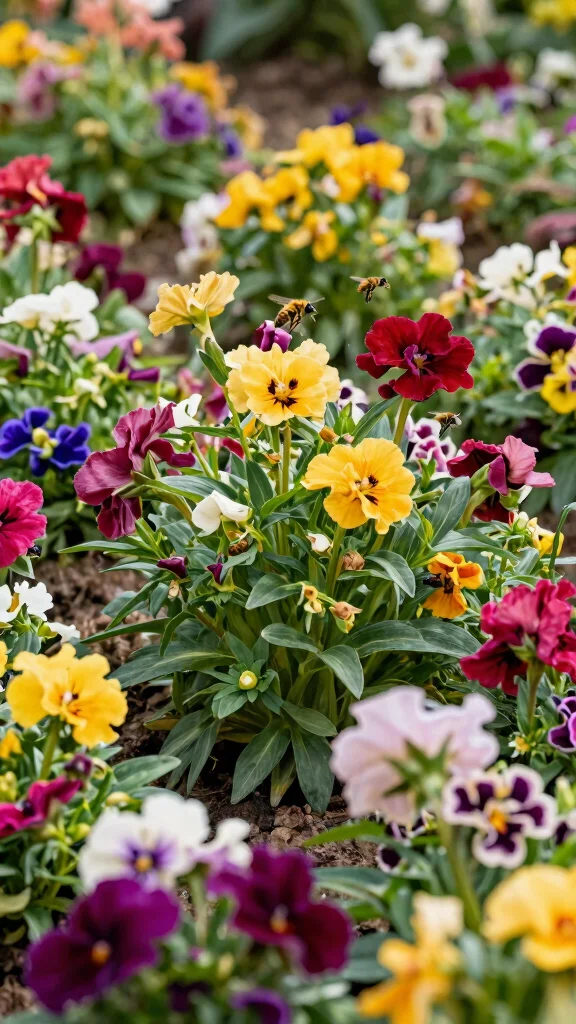
Creating a colorful garden from scratch is not only rewarding but also an opportunity to nurture nature and attract pollinators.
With these nine perennial flower seeds, you can ensure your garden is filled with stunning blossoms and buzzing activity all year round.
So, whether you’re a seasoned gardener or just starting out, it’s time to roll up your sleeves and enjoy the beauty that comes from sowing seeds and watching them grow.
Note: We aim to provide accurate product links, but some may occasionally expire or become unavailable. If this happens, please search directly on Amazon for the product or a suitable alternative.
This post contains Amazon affiliate links, meaning we may earn a small commission if you purchase through our links, at no extra cost to you.
Frequently Asked Questions
What are the best perennial flower seeds for a pollinator-friendly garden?
For a stunning, low-maintenance pollinator garden, choose perennial flower seeds that reliably come back and attract bees and butterflies. Great options include cone flowers (Echinacea), black-eyed Susans (Rudbeckia), coreopsis, salvia, and asters. These give colorful blooms year after year and are generally hardy in many zones.
Tips: pick varieties that bloom at different times for a long color stretch; check sun and soil needs; start indoors 6–8 weeks before last frost or sow directly after soil warms. For best results, amend soil with compost, provide full sun, and water evenly until established. With flower seeds of perennials, you’ll have a durable foundation for flower gardening that feeds pollinators.
Seed starting note: some perennials benefit from light-sowing and shallow coverage; label carefully and harden off before transplanting outdoors.
How do I start flower seeds for a colorful perennial garden from scratch?
Start by planning a palette of colorful blooms and pollinator-friendly shapes. Prepare well-draining soil with compost, and use a seed starting tray with a light, airy mix. Sow seeds shallowly according to packet instructions; keep evenly moist and provide bottom heat if needed. Use grow lights or bright windows for strong germination. After germination, thin seedlings and transplant after the last frost, giving them time to adjust during hardening off. For seed starting tips, label varieties, water at the base, and avoid overwatering. Once transplanted, mulch and feed lightly to encourage strong roots.
What is the difference between annual vs perennial flowers for pollinator gardens, and how should I plan for them?
Annuals bloom all season from seed and often deliver dramatic color quickly, but you’ll replant each year. Perennials return year after year, creating a lasting backbone for your garden. A smart plan combines both: annuals fill gaps and extend color while perennials establish steady nectar sources for pollinators. For garden planning, group by sun needs, mix heights, and stagger bloom times to keep the display vibrant. Remember to tag which plants come from flower seeds and track which are annual vs perennial to manage maintenance.
How can I keep a colorful bloom display going all season in a pollinator garden?
Focus on staggered bloom times and diverse color palettes. Choose varieties that bloom in early, mid, and late seasons, including several colorful blooms that attract bees and butterflies. Plant in blocks by height to create structure, mulching to conserve moisture, and deadhead spent blooms to encourage continuous flowering. For seed starting, begin some perennials indoors and transplant later to extend color. A solid plan for garden planning and flower seeds will keep color coming all season.
What are common mistakes to avoid when growing perennial flower seeds for pollinator gardens?
Avoid sowing seeds too deeply — most need only a light covering. Don’t plant in heavy shade and don’t skip hardening off after indoor starts. Overwatering can rot roots; ensure good drainage and consistent moisture until established. Inconsistent watering and neglecting soil nutrition can stall germination and growth. Also, mixing too many similar plants can create competition rather than variety. To maximize pollinator visits, avoid pesticides and provide a variety of nectar sources. With careful seed starting tips and thoughtful garden planning, you’ll set a thriving habitat for pollinators.
Related Topics
flower seeds
pollinator garden
colorful blooms
perennial flowers
seed starting tips
garden planning
beginner friendly
easy gardening
annual vs perennial
sustainable gardening
gardening techniques
seasonal flowers