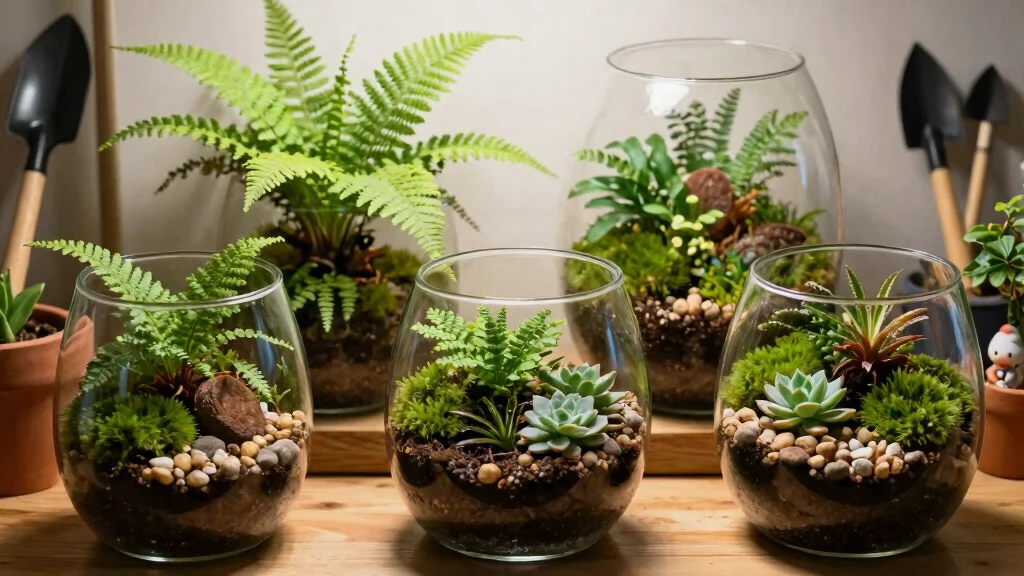
Creating a closed terrarium is like crafting your own miniature paradise. It offers a chance to bring a slice of nature into your home, especially if you’re short on space. I’ve been fascinated by the beauty and simplicity of these self-sustaining ecosystems. They not only add greenery to urban living but also serve as a unique conversation starter! If you’re someone who has a passion for indoor gardening or simply wants to add a touch of green to your life, then this guide is for you.
In this post, you’ll discover seven incredible closed terrarium plants that thrive in these tiny worlds. You’ll learn about their unique characteristics and how they contribute to a balanced ecosystem. Each plant type is carefully chosen for its resilience and beauty, making them perfect additions to your terrarium. By the end, you’ll feel inspired to set up your own lush escape, complete with tips and ideas to customize your creation.
Get ready to explore options like the vibrant Ever-Green Fern, the enchanting Miniature Orchids, and the surprising world of Compact Carnivorous Plants. With these insights, you’ll have all the tools you need to create a self-sustaining ecosystem that reflects your style and passion for nature. Let’s dive into the magical world of closed terrarium plants!
Key Takeaways
– Diverse Plant Selection: Explore seven unique plants that thrive in enclosed spaces, ensuring a lush ecosystem.
– Self-Sustaining Ecosystem: Understand how these plants work together to create a balanced environment with minimal care needed.
– Aesthetic Appeal: Discover how each plant adds beauty and character to your terrarium, enhancing your indoor space.
– Indoor Gardening Tips: Get practical advice on how to maintain your closed terrarium, including light, humidity, and watering needs.
– Creative Ideas: Find inspiration for customizing your terrarium, from decorative layers to themed designs that reflect your personality.
1. The Ever-Green Fern
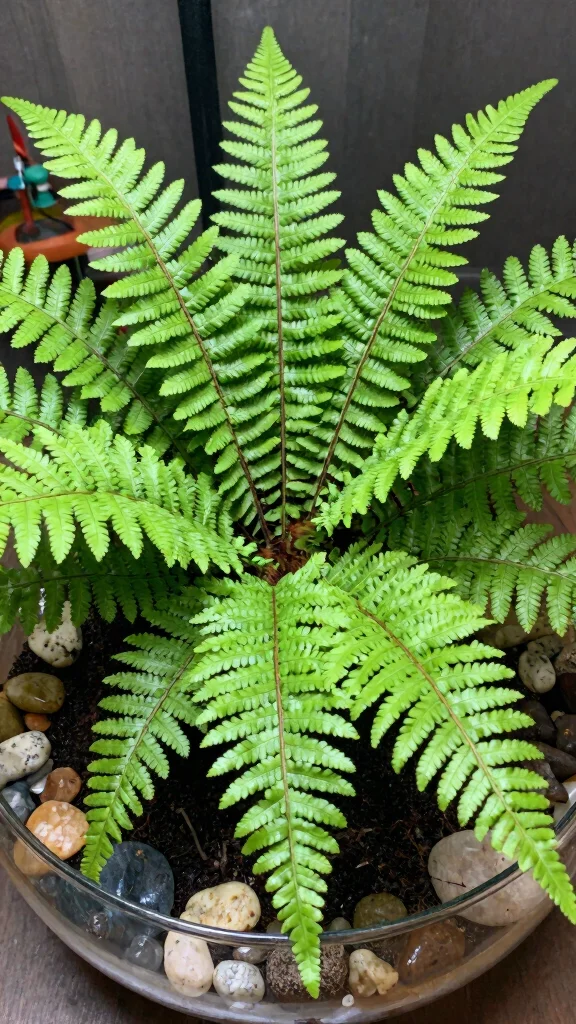
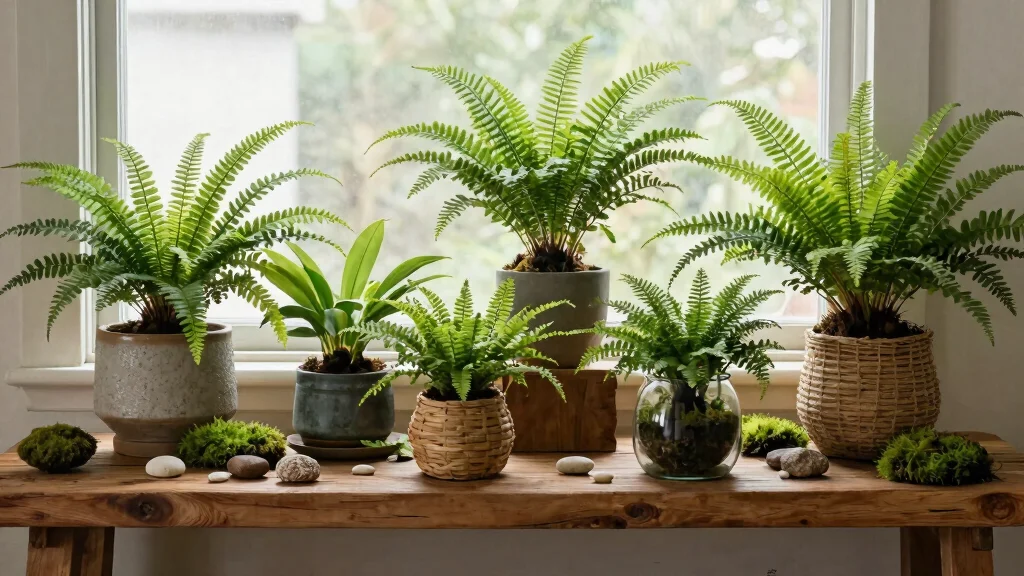
Looking to bring lush greenery into your closed terrarium? Ferns are a fantastic choice! Their vibrant foliage not only thrives in humidity but also adds a touch of elegance to your miniature garden. Popular varieties like the Boston fern and staghorn fern offer unique leaf shapes that contrast beautifully with other plants.
To successfully incorporate ferns, remember to maintain a humid environment that keeps them thriving. Make sure to place your terrarium in a spot with indirect sunlight to prevent scorch marks, while allowing the ferns to flourish beautifully.
Key tips for using ferns:
– Ensure adequate humidity for healthy growth
– Choose indirect light to protect delicate leaves
– Use ferns as a base layer for cascading beauty
With their stunning forms and easygoing nature, ferns will enhance your terrarium, providing a tranquil slice of nature right at home.
Fun fact: For closed terrarium plants, ferns stay lush with steady humidity and indirect light—no daily watering required. For best results, aim for 60-75% humidity and place Boston fern or staghorn fern where they contrast nicely with other plants.
The Ever-Green Fern
Editor’s Choice



JEDEW 2 Pack Hygrometer Thermometer Digital Humidity Meter Indoor/Outdoo…

Costa Farms Live Boston Fern Plants (2-Pack), Large 16-Inch Tall Hanging…
2. Marvelous Moss
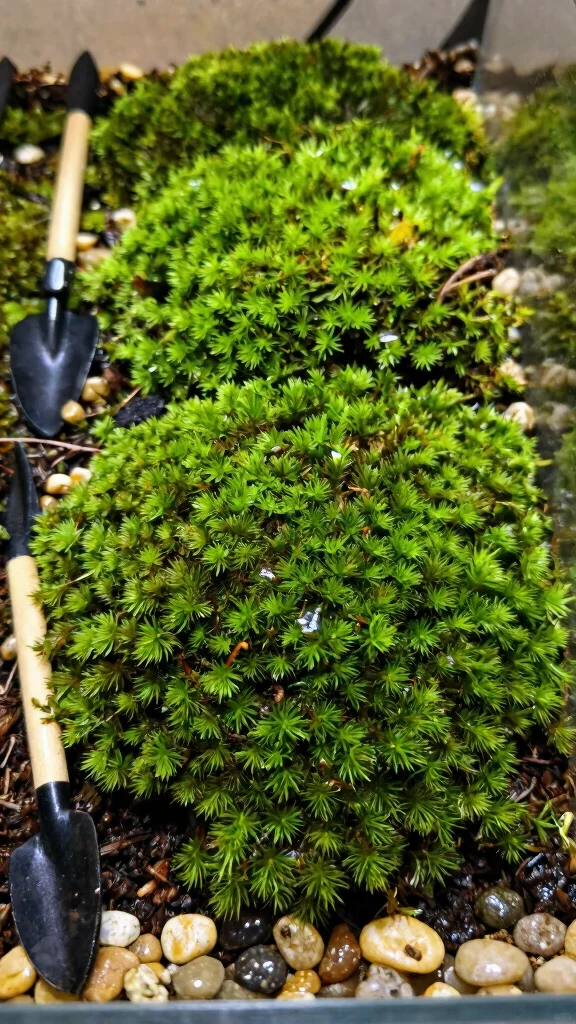
Moss transforms your closed terrarium into a magical landscape with its vibrant colors and soft texture. It not only enhances the visual appeal but also helps retain moisture, making it a favorite among plant lovers. Varieties like sheet moss and reindeer moss are particularly popular for their striking features.
For the best results, lay moss as a soft carpet to support other plants in your terrarium. Pair it with low-growing plants, such as tiny succulents, to create a dynamic and inviting space.
Ways to utilize moss:
– Create a lush base layer for your terrarium
– Combine with small plants for added texture
– Monitor moisture levels to maintain balance
Integrating moss will not just green your space, but it will also evoke the serene feeling of a forest floor, right in your home.
📹 Related Video: How to make a moss wall ecosystem (In depth closed terrarium tutorial)
Ongoing Maintenance & Care Guide
Maintenance Schedule:
Daily/Weekly Tasks:
– Check moisture levels in the soil. If the soil feels dry, mist the plants lightly. ⏱ (5 minutes)
– Ensure that the terrarium is receiving adequate light. Rotate it every week to promote even growth. ⏱ (5 minutes)
– Remove any dead leaves or debris that may have fallen into the terrarium. This helps prevent mold and pests. ⏱ (5-10 minutes)
Monthly/Seasonal Tasks:
– Inspect plants for signs of growth or distress. Trim excess growth if plants are becoming overcrowded. ⏱ (15 minutes)
– Clean the glass of the terrarium to prevent algae buildup. Use a damp cloth for this task. ⏱ (10 minutes)
– Replenish nutrients by adding a diluted liquid fertilizer once a month, especially in the growing season. ⏱ (15 minutes)
– Adjust the humidity level if needed. If the glass fogs up often, consider increasing ventilation by slightly opening the lid. ⏱ (10 minutes)
– Rotate the terrarium to ensure all plants receive equal light exposure, especially if you notice uneven growth. ⏱ (5 minutes)
Maintenance Summary Table:
| Task | Frequency | Difficulty | Time Needed |
|—————————|—————-|—————|————–|
| Check moisture levels | Daily/Weekly | Easy | 5 minutes |
| Rotate terrarium | Weekly | Easy | 5 minutes |
| Remove dead leaves | Daily/Weekly | Easy | 5-10 minutes |
| Inspect for plant growth | Monthly | Moderate | 15 minutes |
| Clean glass | Monthly | Easy | 10 minutes |
| Add fertilizer | Monthly | Moderate | 15 minutes |
| Adjust humidity | Monthly | Moderate | 10 minutes |
| Rotate for light | Monthly | Easy | 5 minutes |
Common Issues to Watch For:
⚠️ Look out for these signs that indicate maintenance is needed:
– Yellowing Leaves: If leaves are turning yellow, it might mean overwatering or insufficient light. Check the soil moisture and light exposure.
– Mold Growth: If you notice mold, it often means the terrarium is too humid. Remove affected plants and increase ventilation.
– Wilting Plants: Wilting can suggest dehydration or root rot. Check moisture levels and ensure good drainage in the soil.
– Pests: Tiny bugs or webs could indicate pest infestations. Inspect plants closely and treat with insecticidal soap if needed.
– Stunted Growth: If plants aren’t growing, they may need nutrients. Consider adding a diluted liquid fertilizer.
Care Tips:
💡 Here are some practical tips to keep your terrarium thriving:
– Plant Selection: Choose plants that share similar light and moisture needs. This will help maintain a balanced ecosystem.
– Natural Light Source: Position your terrarium near a window with filtered light. Direct sunlight can cause overheating.
– Water Sparingly: In a closed ecosystem, water evaporates and condenses naturally. Always err on the side of less water.
– Keep It Clean: Regularly wipe down the interior glass. A clean terrarium not only looks better but helps your plants thrive.
– Be Patient: Terrariums are slow-growing ecosystems. Give your plants time to adapt and flourish within their mini environment.
Maintaining a closed terrarium requires observation and gentle care. By following these tips, you can enjoy a beautiful self-sustaining ecosystem right in your home. Happy gardening!
Marvelous Moss
Editor’s Choice
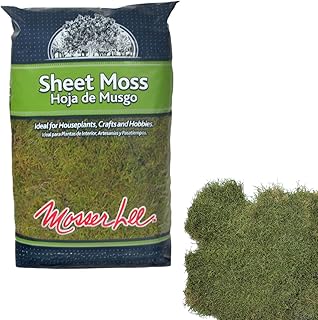
Mosser Lee ML0480 Natural Green Sheet Moss – 520 sq. in. – Organic D…

SuperMoss (23080) Reindeer Moss Preserved, Basil, 2 Ounces

5Pcs Succulent Tools,Mini Garden Tools,Pruning Scissors as Plant Accesso…
3. Succulent Surprises
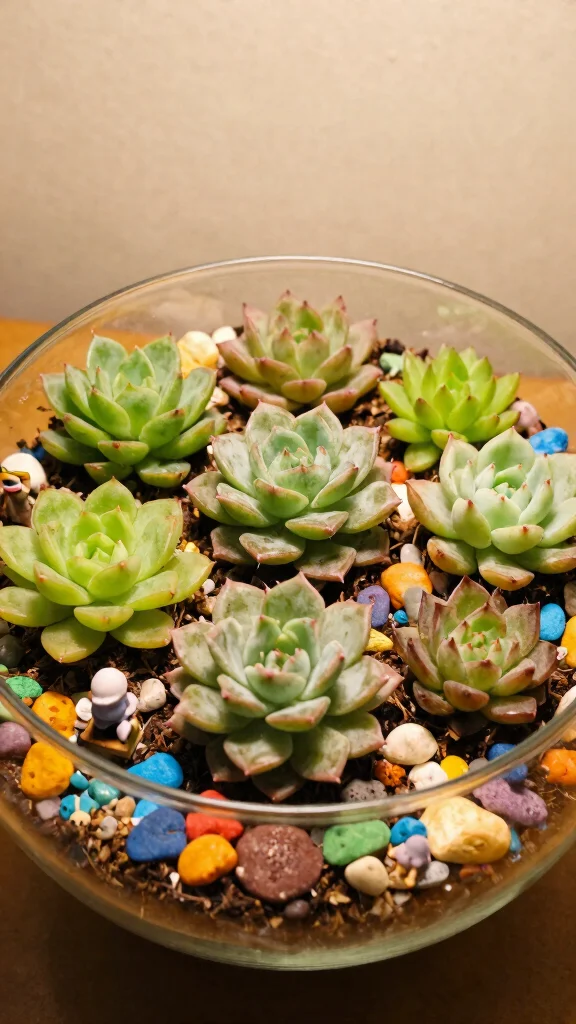
Want to add a splash of color to your closed terrarium? Succulents are perfect for this! Certain varieties, like Haworthia and Echeveria, can adapt well to semi-closed environments, offering a charming and hardy aesthetic. They bring life and variety to your setup, making it visually striking.
When using succulents, ensure you have proper drainage to prevent overwatering, as they prefer drier conditions. Position your terrarium in a bright area with indirect light to keep them healthy and vibrant.
Tips for incorporating succulents:
– Water carefully to avoid moisture issues
– Place in bright, indirect light for best growth
– Mix shapes and colors for an engaging arrangement
With the right succulents, you can create a vibrant, low-maintenance oasis that brightens up any room.
Succulents in a closed terrarium are tiny color bombs that actually survive with a light touch of patience. With the right drainage and bright, indirect light, closed terrarium plants like Haworthia and Echeveria stay hardy and vibrant.
Succulent Surprises
Editor’s Choice

Pawfly 11 W Terrarium Light for 12″ to 18″ Terrarium Extendable Reptile …
Zoo Med Naturalistic Terrarium Mesh, 18 x 18-Inches

Back to the Roots 100% Organic Succulent & Cacti Mix (6 Quart) | Made in…
4. Enchanting Air Plants
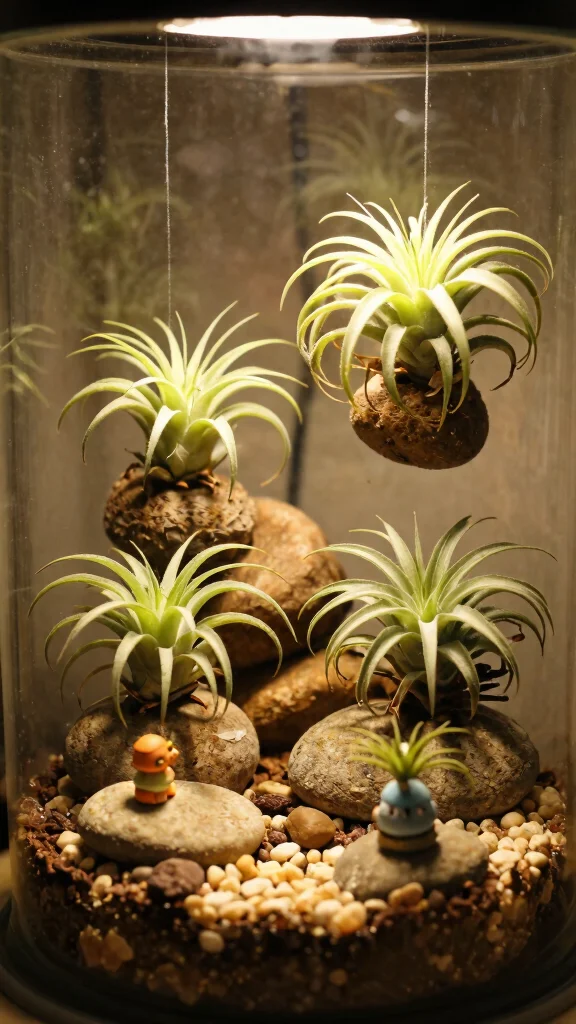
Air plants, or Tillandsia, bring a unique flair to your closed terrarium as they thrive without soil. These fascinating plants absorb moisture through their leaves, adding an intriguing element to your green space. They come in various shapes and sizes, making them perfect for creative displays.
To make the most of air plants, consider placing them atop decorative stones or within the branches of other plants for a captivating look. Mist them occasionally and ensure they receive filtered light to thrive without stress.
Ways to use air plants:
– Display on stones or branches for visual interest
– Mist regularly and provide indirect light
– Use their unique forms as minimalist focal points
Incorporating air plants allows you to showcase creativity in your terrarium while enjoying their low-maintenance beauty.
You might also like

Enchanting Air Plants
Editor’s Choice

Virekm River Rocks, Decorative Ornamental Pebbles,Garden Landscaping Sto…

Air Plant Shop 12 Pack Assorted Ionantha Air Plants – Wholesale and Bulk…

Yangbaga Large Glass Terrarium Succulent Plant Terrarium House for Plant…
5. Tropical Delight with Bromeliads
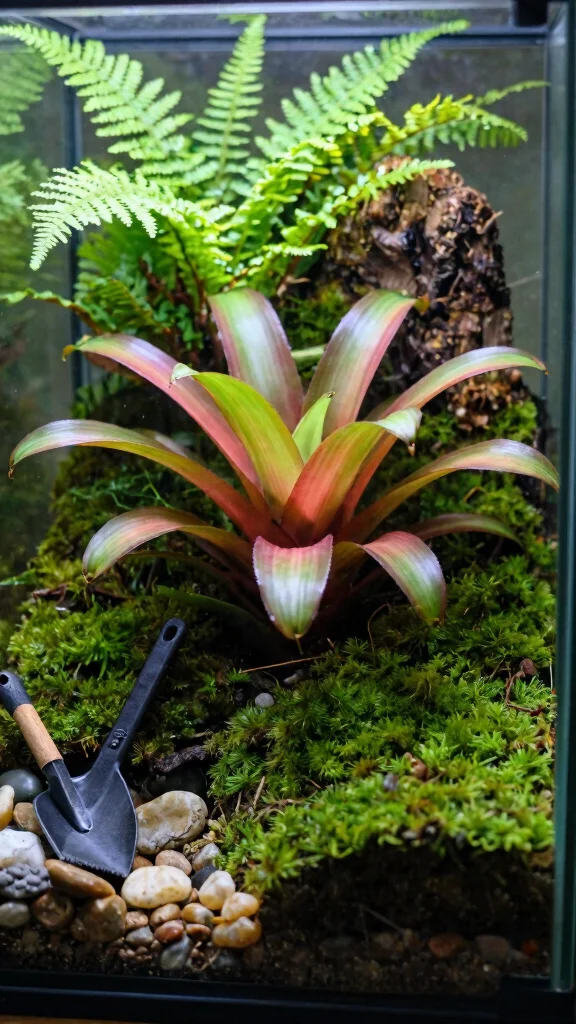
Bromeliads are a stunning choice for closed terrariums, featuring colorful blooms and unique shapes. These exotic plants can hold water in their leaf cups, adding moisture to the environment and creating a vibrant centerpiece. Their striking appearance is sure to catch the eye of anyone who visits your space.
To successfully incorporate bromeliads, water them through their center cups and maintain humidity for optimal growth. Place your terrarium in a bright area, but shield it from direct sunlight to avoid overheating.
Key tips for adding bromeliads:
– Water through leaf cups for hydration
– Keep in bright areas away from harsh sunlight
– Layer with softer plants for visual depth
With their bold colors and unique features, bromeliads will not only diversify your plant collection but also make your terrarium a captivating focal point.
Fun fact: Bromeliads are one of the best closed terrarium plants; in closed terrariums they act as tiny humidity pumps—their leaf cups hold water and can sustain moisture for 4–7 days between mistings. Place them in bright indirect light to keep colors vivid and growth thriving.
Tropical Delight with Bromeliads
Editor’s Choice

VIVOSUN AeroStream H05 Intelligent Wi-Fi Humidifier, 1.32 Gal / 5 L Humi…

Soil Sunrise Terrarium Potting Soil Mix (4 Quarts) w/Blended Filtering C…
Yangbaga Large Glass Terrarium Succulent Plant Terrarium House for Plant…
6. Miniature Orchids
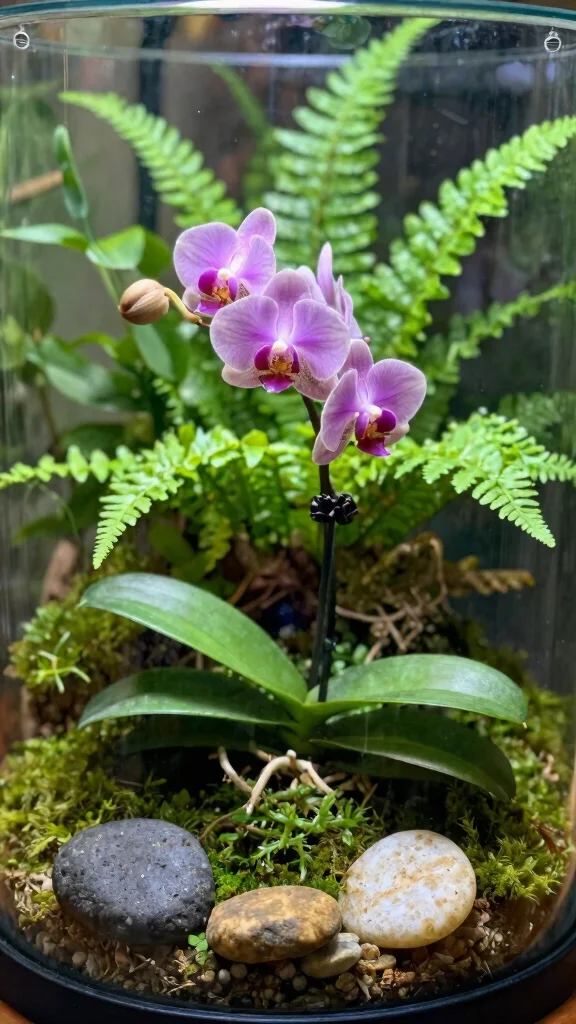
You might think orchids are too challenging for terrariums, but smaller varieties thrive beautifully in closed ecosystems. Their delicate, colorful blooms can add a touch of elegance to your arrangement. Mini moth orchids like Phalaenopsis are particularly well-suited for terrarium life.
To help your orchids flourish, create a humid environment by keeping the terrarium slightly closed. Ensure they get bright, indirect light and maintain airflow to prevent issues like mildew.
Tips for nurturing orchids:
– Maintain high humidity for healthy growth
– Provide bright, indirect light for vitality
– Ensure airflow to prevent mildew and rot
With their intricate blooms, miniature orchids can transform your closed terrarium into a luxurious paradise, adding sophistication to your indoor space.
You Might Also Like

Miniature Orchids
Editor’s Choice
JEDEW 2 Pack Hygrometer Thermometer Digital Humidity Meter Indoor/Outdoo…

Aokrean Plant Grow Light, 48 LEDs Full Spectrum Grow Lights for Indoor P…

Doter Terrarium Potting Soil Mix 1qt, Custom Made for Terrariums, Perfec…
7. Compact Carnivorous Plants
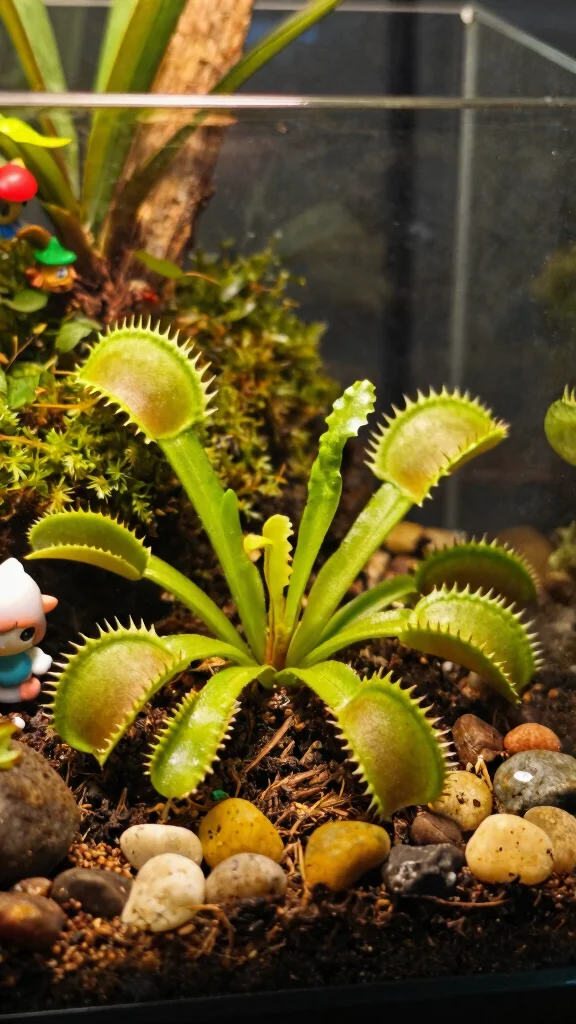
Looking for a unique twist in your closed terrarium? Small carnivorous plants like Venus flytraps or drosera can make a fascinating addition. They not only look intriguing but also help manage pests in the ecosystem, sparking curiosity among your guests.
When incorporating these quirky plants, use a well-draining soil mix that mimics their natural habitat. Keep them in a humid environment and use distilled or rainwater for healthy growth.
Key tips for carnivorous plants:
– Use a soil mix that drains well
– Maintain humidity and use purified water
– Place in bright, filtered light for optimal growth
Adding these interesting plants to your terrarium will create an engaging and beautiful display, showcasing the wonders of nature in your home.
Compact Carnivorous Plants
Editor’s Choice
JEDEW 2 Pack Hygrometer Thermometer Digital Humidity Meter Indoor/Outdoo…
Doter Terrarium Potting Soil Mix 1qt, Custom Made for Terrariums, Perfec…

smartwater Vapor Distilled Water Bottles, 16.9 fl oz, 6 Pack
Conclusion
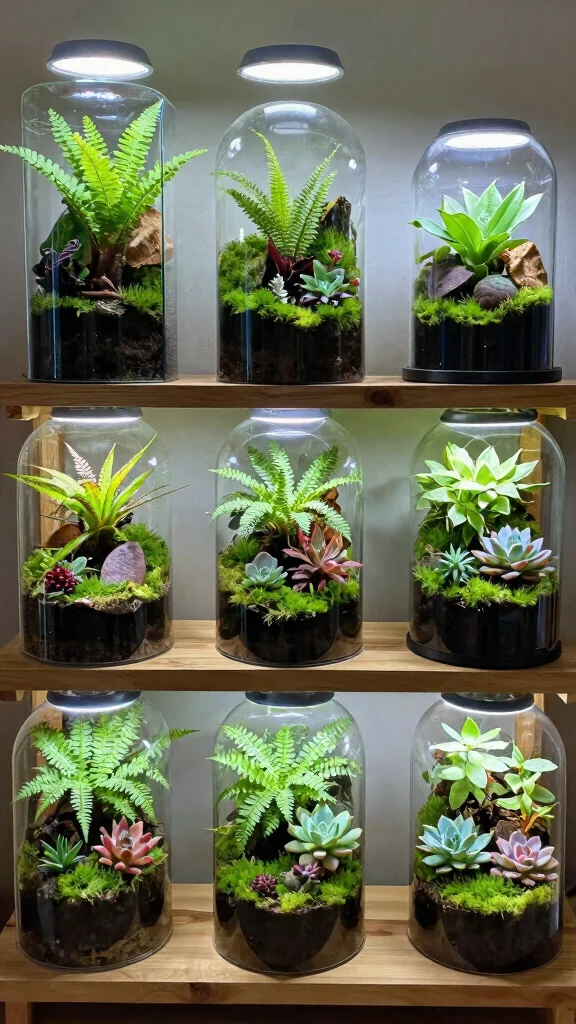
Crafting a closed terrarium is an enjoyable and fulfilling project that brings a touch of nature indoors, especially in urban settings. With the right selection of plants, you can create a thriving self-sustaining ecosystem that requires minimal care. From the lush greenery of ferns and mosses to the vibrant colors of succulents and orchids, there’s a world of possibilities waiting to flourish in your living spaces.
Whether you’re a seasoned gardener or just starting on your journey, these closed terrarium plants and ideas can spark your creativity and passion for indoor gardening.
Note: We aim to provide accurate product links, but some may occasionally expire or become unavailable. If this happens, please search directly on Amazon for the product or a suitable alternative.
This post contains Amazon affiliate links, meaning we may earn a small commission if you purchase through our links, at no extra cost to you.
Frequently Asked Questions
Which closed terrarium plants are best for a self-sustaining mini ecosystem?
For a true closed terrarium plants mix that creates a self sustaining ecosystem, choose slow-growing, compact species that thrive in humidity. Great options include cushion moss or other mosses for ground cover; tiny ferns such as maidenhair or button ferns; peperomia varieties; fittonia (nerve plant) for color; and small Pilea or creeping fig that stay tiny. Avoid large-leaf plants that can outgrow the space. With these, you’ll get consistent humidity, low maintenance, and a lush look with minimal pruning.
Tip: use a well-draining, airy substrate and keep the lid mostly closed to sustain humidity in your terrarium ideas.
How do I set up a closed terrarium for indoor gardening in a small urban space?
To set up a closed terrarium for indoor gardening in a small urban space: pick a transparent container that suits your style; clean it; lay down layers: a thin drainage layer of small pebbles, a pinch of activated charcoal, and a light, breathable terrarium soil mix. Place a base of sphagnum moss to control moisture, then arrange your plants with a little space to grow. Lightly mist to settle the soil, then seal or leave a small gap for gas exchange. Position in bright, indirect light and avoid direct sun. Check condensation regularly; this balance keeps your closed ecosystem plants thriving while staying low-maintenance for indoor gardening.
How often should I water and monitor a closed terrarium to keep it balanced?
Watering in a closed terrarium is about balance. You’ll typically mist only when the glass shows little condensation or the surface soil looks dry.
If you see heavy condensation on the glass and droplets pooling, wait longer before the next mist. If leaves yellow or brown, light may be low or moisture insufficient. If you detect mold or a sour smell, open the lid to vent and improve airflow. A simple routine: check weekly, adjust moisture sparingly, and let the lid stay on most of the time to support your self sustaining ecosystem.
Can I include flowering or colorful plants in a closed terrarium, or should I stick to foliage?
Flowering plants can be grown in a closed terrarium, but they’re less forgiving than foliage-only setups. Most beginners thrive with terrarium plants that have interesting textures—moss, ferns, peperomias, and small pileas—that stay compact and maintain humidity. If you want color from flowers, choose tiny, slow-growing species and prune spent blooms to keep the balance. For a reliable, low-maintenance look, prioritize foliage and use terrarium ideas that emphasize texture and pattern for indoor gardening success.
What are the most common mistakes to avoid when building closed terrarium ideas for urban spaces?
Common mistakes to avoid include overwatering, which leads to root rot and mold; leaving the lid open too long, causing humidity swings; using soil mixes that stay damp (peat-heavy mixes can compact); overcrowding plants, which stifles growth; choosing plants that outgrow the container; and neglecting light—without adequate indirect light, even closed terrarium plants struggle. Start small, observe how your miniature ecosystem behaves, and adjust gradually to maintain a balanced self sustaining ecosystem.
Related Topics
closed terrarium plants
self sustaining ecosystem
indoor gardening
miniature gardens
urban gardening
eco-friendly decor
beginner friendly
DIY terrarium
low maintenance plants
terrarium ideas
glass container gardening
compact green spaces