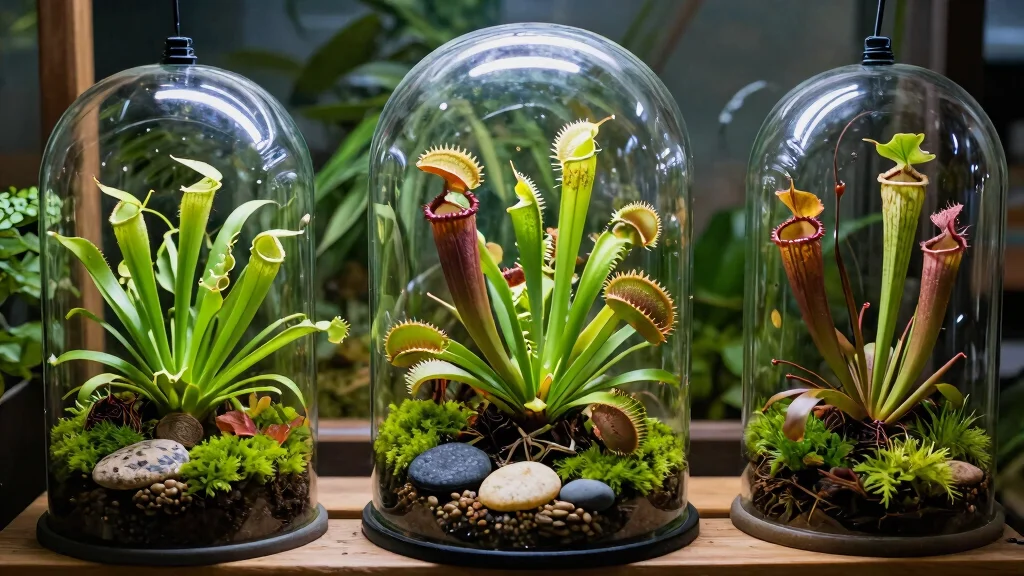
Creating a stunning carnivorous plants terrarium can be an exciting way to add a unique touch to your indoor gardening. I’ve always been fascinated by these extraordinary plants and their ability to thrive in unexpected ways. The vibrant colors, intricate shapes, and intriguing behaviors of carnivorous plants never fail to capture one’s imagination. As I dive deeper into the world of gardening, I find myself craving innovative terrarium designs that showcase these exotic beauties in an engaging and visually appealing manner.
If you’re a plant enthusiast or someone looking to spruce up your living space with something truly captivating, this post is tailor-made for you. Whether you’re a seasoned gardener or new to the indoor gardening scene, you’ll discover that carnivorous plants can be both enchanting and manageable. I’ve put together ten unique terrarium ideas that are not only visually stunning but also make for low-maintenance displays. These concepts are perfect for anyone who wants to create a lively indoor ecosystem that will spark conversations and awe.
In this guide, you’ll gain insights into different ways to incorporate carnivorous plants into your home. From the classic Venus flytrap to whimsical gardens brimming with sundews, these ideas will inspire your creativity. You’ll also learn practical tips for carnivorous plant care and get valuable design ideas that suit different aesthetics. Let’s explore the fascinating world of carnivorous plants and unleash your inner gardener!
Key Takeaways
– Explore ten unique carnivorous plants terrarium ideas that make captivating displays in any space.
– Discover practical tips for carnivorous plant care to ensure your garden thrives with minimal effort.
– Get inspired by design ideas that cater to various aesthetics, from whimsical to rustic styles.
– Learn about the benefits of low-maintenance terrariums, making them perfect for busy lifestyles.
– Find actionable advice on indoor gardening tips that enhance your overall plant care experience.
1. The Classic Venus Flytrap Delight

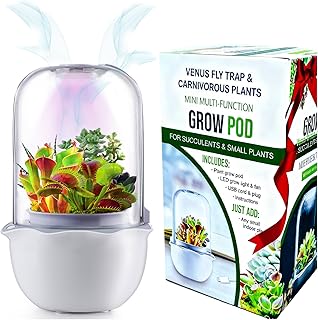
If you’re looking for a captivating addition to your space, the Venus flytrap is a fantastic choice. This iconic plant features unique snapping lobes that catch insects, sparking curiosity and conversation. With its vibrant green color and playful movement, it’s sure to draw attention in any setting. To create a stunning terrarium with Venus flytraps, select a medium-sized glass container that allows these beauties to flourish. Use a well-draining mix of sphagnum moss and peat to provide the ideal growing environment. Surrounding the base with lush green moss not only enhances the aesthetic but also helps to maintain moisture. Tips for a thriving Venus flytrap terrarium:– Position it in bright, indirect sunlight for optimal growth.
– Water using distilled or rainwater to keep your plant healthy.
– Monitor humidity levels; these plants thrive in a humid atmosphere. This delightful setup adds a lively touch to your home or office while being easy to care for, making it perfect for both beginners and seasoned plant lovers.
The Classic Venus Flytrap Delight
Editor’s Choice

Mkono Plant Terrarium Display Glass Tabletop Succulent Air Plant Planter…


Riare 4.4LBS Premium Sphagnum Moss for Plants- 80QT Natural Dried Plant …

Espoma Organic Peat Moss; All-Natural Horticultural Grade Sphagnum Peat …
2. Pitcher Plant Paradise

Transform your indoor space with a pitcher plant terrarium that brings a slice of the rainforest to you! These remarkable plants feature tubular forms that attract and consume insects, adding both beauty and function to your display. Their unique structure and vibrant colors make them a striking centerpiece. To craft a perfect pitcher plant terrarium, choose a spacious glass vessel that allows these plants to grow freely. Start with a layer of pebbles for drainage and add a substrate of orchid bark mixed with peat to mimic their natural habitat. Pro tips for your pitcher plant setup:– Ensure the terrarium receives filtered sunlight, like under a canopy.
– Keep the soil moist, but avoid over-watering.
– Regularly check for pests that may disrupt this tropical oasis. This terrarium not only serves as an eye-catching piece but also offers an intriguing look at how these plants adapt and thrive, leaving your guests in awe.
Fun fact: A single pitcher plant can trap 10–20 insects a week in a well-maintained carnivorous plants terrarium. In a spacious glass vessel, watch vibrant pitchers grow while they quietly manage pests, turning your space into a rainforest-friendly centerpiece.
Pitcher Plant Paradise
Editor’s Choice

Perfect Plants Carnivorous Plant Soil | 4 Qts. Organic Premium Mix | Use…

Colorful Glow in the Dark Rocks, 2026 New Outdoor Night Garden River Peb…

Large Glass Plant Terrarium – House Succulent Glass Terrarium Kit with…
3. Sundew Serenity
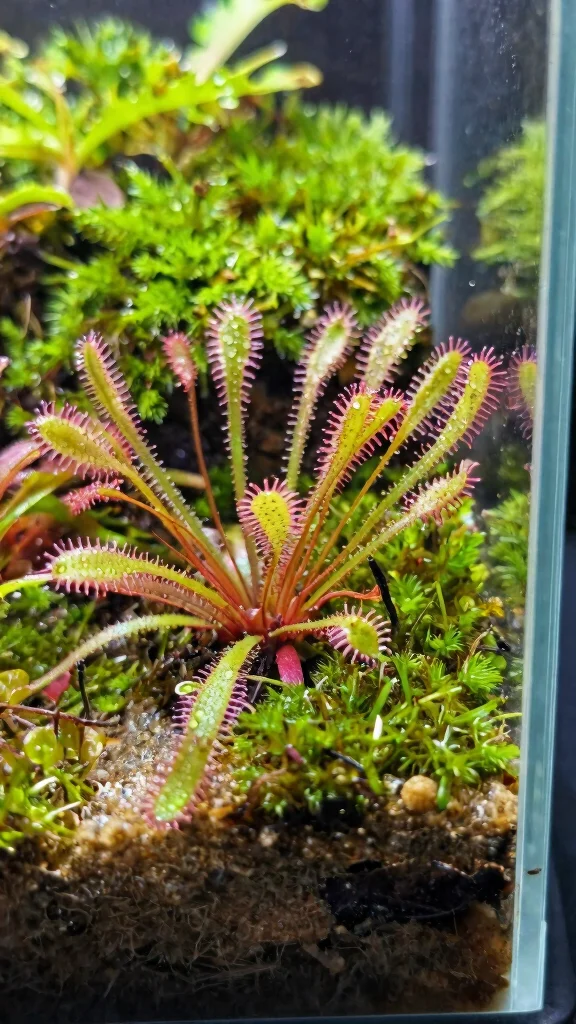
Sundews add a touch of elegance to any terrarium with their glistening, sticky tentacles that trap insects, resembling tiny jewels. Their delicate appearance and captivating movement make them a wonderful addition to your plant collection. For sundews to thrive, consider setting up a closed terrarium to maintain humidity. Choose a clear container that allows for good airflow to prevent mold growth. A substrate of peat moss mixed with sand will ensure proper drainage while meeting their needs. Caring for sundews in a terrarium:– Provide bright light, aiming for 12-16 hours of sunlight each day.
– Mist the terrarium regularly to boost humidity, especially in dry settings.
– Occasionally feed the plants small insects to promote growth. The enchanting look of sundews nestled among vibrant moss creates a serene display that invites closer inspection, enhancing any indoor space.
Sundew Serenity
Editor’s Choice

Yangbaga Large Glass Terrarium Succulent Plant Terrarium House for Plant…
Espoma Organic Peat Moss; All-Natural Horticultural Grade Sphagnum Peat …

NUPICK 1-2mm Coarse Sand for Plants, 6lb Horticultural Grit for Succulen…
4. A Tropical Biome with Nepenthes

Elevate your terrarium experience with Nepenthes, the tropical pitcher plants that are sure to impress. Known for their diverse forms and beautiful colors, these plants create a stunning visual statement. Their unique adaptations make them a fascinating addition to any collection. When setting up a terrarium for Nepenthes, opt for a tall glass container to support their vining growth. Fill it with a mix of orchid bark, perlite, and sphagnum moss for an airy, well-draining substrate. Position the plants toward the back for a cascading effect. Key tips for Nepenthes care:– Maintain high humidity levels while ensuring good airflow.
– Place the terrarium in bright, indirect sunlight to avoid harsh rays.
– Regularly inspect for pests that can affect your plants’ health. With their striking forms and vivid colors, Nepenthes can transform any room into a lush tropical paradise, making your terrarium a captivating focal point.
📹 Related Video: 🔨How to create a background for a climbing nepenthes veitchii
Ongoing Maintenance & Care Guide
Maintenance Schedule:
Daily/Weekly Tasks:
– Watering: Check the moisture level of your terrarium soil every few days. You want it to be moist but not soggy. Water only if it feels dry. (10 minutes)
– Trimming: Look for any dead or yellowing leaves on your carnivorous plants. Trim them back to encourage new growth. (15 minutes)
– Feeding: If needed, provide a small insect for your plants, especially the Venus flytrap and sundew. They thrive on this extra protein. (5 minutes)
Monthly/Seasonal Tasks:
– Cleaning Glass: Wipe down the glass of your terrarium to prevent algae buildup and to ensure your plants get plenty of light. (20 minutes)
– Repotting: Check if your plants are outgrowing their containers. If so, repot them every 6-12 months for ample space to grow. (30 minutes)
– Humidity Check: Ensure the humidity remains high, especially during warmer months. You may need to mist the plants regularly or move them to a more humid environment. (10 minutes)
– Light Adjustment: Monitor the light source and adjust it if necessary. Carnivorous plants benefit from bright, indirect light, so adjust their placement to maximize exposure. (5 minutes)
– Fertilization: If your plants seem sluggish, consider a diluted orchid fertilizer once every month during the growing season. (10 minutes)
Maintenance Summary Table:
| Task | Frequency | Difficulty | Time Needed |
|——————————-|——————–|—————-|—————–|
| Watering | Daily/Weekly | Easy | 10 minutes |
| Trimming | Daily/Weekly | Easy | 15 minutes |
| Feeding | Daily/Weekly | Easy | 5 minutes |
| Cleaning Glass | Monthly | Easy | 20 minutes |
| Repotting | Every 6-12 months | Moderate | 30 minutes |
| Humidity Check | Monthly | Easy | 10 minutes |
| Light Adjustment | Monthly | Easy | 5 minutes |
| Fertilization | Monthly | Easy | 10 minutes |
Common Issues to Watch For:
⚠️ Yellowing Leaves: If you see yellow leaves, it may be a sign of overwatering. Check the soil moisture and reduce watering if needed.
⚠️ Mold Growth: Mold on the soil surface indicates too much moisture. Reduce watering and improve ventilation if this happens.
⚠️ Pest Infestation: Tiny bugs on the leaves, like aphids or spider mites, can harm your plants. Inspect regularly and treat with insecticidal soap if necessary.
⚠️ Slow Growth: If your plants seem to grow slowly, they might need more light or nutrients. Adjust their environment accordingly.
⚠️ Drooping Leaves: This can indicate underwatering. Check soil moisture and give your plants a good drink if they droop or wilt.
Care Tips:
💡 Use Distilled Water: Carnivorous plants prefer distilled or rainwater. Tap water can contain minerals that harm them.
💡 Choose the Right Substrate: A peat-based mix with perlite works well for carnivorous plants. It allows for good drainage and retains moisture.
💡 Maintain High Humidity: Keep the humidity level between 50-70%. Misting the plants or adding a humidity tray can help achieve this.
💡 Limit Fertilization: Too much fertilizer can harm your plants. Use it sparingly and only during the growing season to keep them healthy.
💡 Observe Light Needs: Pay attention to how your plants react to their light source. If they stretch towards the light, consider moving them closer for optimal growth.
A Tropical Biome with Nepenthes
Editor’s Choice

NCYP Glass Geometric Plant Terrarium with Door for Succulent Plants, Cac…

Better-Gro Special Orchid Mix – Premium Grade Orchid Bark Potting Mix fo…

AeroSoil Perlite Premium Horticultural Grade Soil Additive Drainage and …
5. The Mini Carnivorous Garden
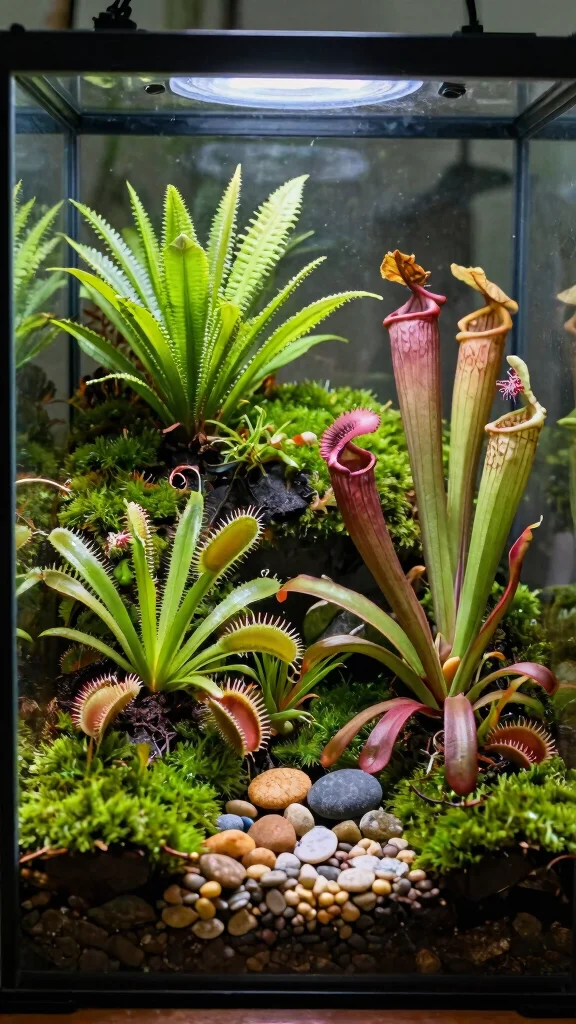
Why settle for just one carnivorous plant when you can create a delightful mini garden? A mixed terrarium featuring Venus flytraps, sundews, and pitcher plants offers a stunning visual experience that showcases the variety of these fascinating species. For this arrangement, select a larger glass container that accommodates multiple plants, ensuring they have room to thrive. Start with a layer of pebbles for drainage, followed by a nutrient-rich substrate. Position each plant based on its light and humidity needs for optimal growth. Care tips for a mixed terrarium:– Regularly monitor moisture levels, as plants have different requirements.
– Rotate the terrarium for even light distribution.
– Prune occasionally to maintain balance and health among the plants. This vibrant setup not only highlights the beauty of each species but also fosters a dynamic ecosystem that encourages growth and vitality.
You might also like
The Mini Carnivorous Garden
Editor’s Choice

Glass Plant Propagation Stations for Plants – Set of 4(2 Large & 2 Sma…

Perfect Plants Carnivorous Plant Soil | 4 Qts. Organic Premium Mix | Use…

Fluval 12694 Plant and Shrimp Stratum for Freshwater Fish Tanks, 8.8 lbs…
6. Zen Carnivorous Oasis

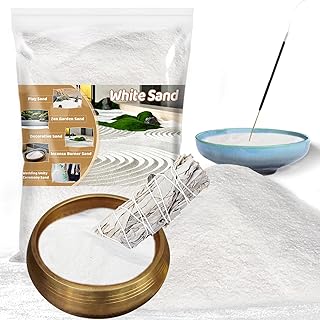
For a minimalist approach, consider creating a zen-inspired carnivorous plant terrarium. This design emphasizes simplicity and tranquility, using select plants to foster a peaceful ambiance. Choose a wide, shallow glass container to feature a single centerpiece plant, such as a larger pitcher plant, along with a few smaller sundews or moss. Cover the bottom with white sand or fine gravel, and add smooth stones for an elegant touch. Zen terrarium care tips:– Ensure good airflow while maintaining humidity; an open design works well.
– Water sparingly to prevent over-saturation in the sandy substrate.
– Place in a well-lit area, avoiding direct sunlight to maintain the serene vibe. This calming terrarium creates a meditative space, allowing you to connect with nature while enhancing your indoor environment.
Zen Carnivorous Oasis
Editor’s Choice

Virekm River Rocks, Decorative Ornamental Pebbles,Garden Landscaping Sto…
Mkono Plant Terrarium Display Glass Tabletop Succulent Air Plant Planter…
RAINFLOW 15 OZ Fine White Sand for Crafts – Quartz Zen Garden Sand Decor…
7. Whimsical Fairytale Garden

Infuse your decor with playfulness by creating a whimsical fairytale garden terrarium featuring carnivorous plants. Imagine tiny fairy houses, miniature furniture, and colorful stones that beautifully contrast with exotic flora. Select a medium glass container and layer it with colorful stones, adding a variety of plants such as small Venus flytraps and sundews. Incorporate decorative elements like miniature gnomes or tiny toadstools to craft an enchanting scene. Caring for your fairytale garden:– Place the terrarium in a well-lit spot to encourage growth.
– Balance moisture levels, as whimsical designs can trap heat.
– Regularly check for pests, especially with added decorations. This delightful display captivates the eye and sparks imagination, making it an ideal centerpiece for any room.
Fun fact: A 6-inch carnivorous plants terrarium can house 2 Venus flytraps and 3 sundews with proper moisture. Bright light and steady humidity help them thrive, turning your whimsical fairy-tale garden into a tiny, magical display.
Whimsical Fairytale Garden
Editor’s Choice
Smart Venus Fly Trap Terrarium Pot with Timer&Fan,Plant Terrarium Kit wi…

0.45 LB Polished Agate Stones Natural Decorative Rocks for Outdoor Decor…

3 Pack Fairy Door Windows Miniature Fairy Garden Accessories Yard Sculpt…
8. Rustic Charm with Carnivorous Plants

If rustic aesthetics appeal to you, incorporate carnivorous plants into a charming terrarium that celebrates natural beauty. Using reclaimed wood elements and earthy materials enhances the rustic vibe while creating a unique indoor garden. Opt for a square or rectangular glass container filled with native soil mixed with sand. Incorporate driftwood as focal points, interspersed with smaller carnivorous plants like sundews and tiny Venus flytraps. Rustic terrarium care tips:– Ensure good drainage with a layer of pebbles at the bottom.
– Place in a well-lit area to promote growth while considering natural moisture retention.
– Monitor plant health closely, as rustic designs may obscure issues. This earthy design brings a cozy atmosphere to any space, reminding you of nature’s simple beauty.
You Might Also Like

Rustic Charm with Carnivorous Plants
Editor’s Choice

Large Tall Glass Plant Terrarium – House Succulent Terrarium Kit with …

Carnivorous Plant Soil Mix, 1 QT Small Size Bag for Repotting, All Natur…

Koyal Wholesale 12” Driftwood Terrarium Decor, Clean California Manzan…
9. Colorful Carnivorous Landscape

Enhance your plant collection with a color-focused terrarium featuring a variety of vibrant carnivorous plants. Combining rich reds, greens, and yellows creates a stunning visual feast that brightens up any room. Select a large glass container and layer it with rich soil and pebbles for proper drainage. Plant an array of colorful species like red Venus flytraps, bright green sundews, and the striking purple hues of Darlingtonia. Care tips for colorful terrariums:– Position in bright, dappled light to maintain color vibrancy without stress.
– Keep humidity levels high, especially in warmer climates.
– Rotate regularly for even light exposure across all plants. This lively terrarium brings energy to your space while showcasing the stunning diversity of carnivorous plants.
Did you know a well-planted carnivorous plants terrarium can support 5–7 colorful species in a single glass jar? Colorful combos—red Venus flytraps, green sundews, purple Darlingtonia—turn any room into a vibrant mini landscape.
Colorful Carnivorous Landscape
Editor’s Choice

Pulovin 2.5 lbs Drainage Rocks for Potted Plants, 1/5 Inch Small Pebbles…

CYS EXCEL Glass Slant Cut Bubble Bowl (H-6″ W-7″) Clear Flower Vase Glob…
Perfect Plants Carnivorous Plant Soil | 4 Qts. Organic Premium Mix | Use…
10. Elegant Terrarium Trio

For those who value simplicity, an elegant trio of carnivorous plants can create a stunning display. Imagine three small glass containers arranged together, each highlighting a different plant’s beauty. Combining a Venus flytrap, a sundew, and a small pitcher plant results in a harmonious look. Layer each container with specific substrates tailored to each plant’s care needs. Trios care tips:– Ensure each container has proper drainage; use pebbles to avoid root rot.
– Group the containers in a well-lit area for a cohesive aesthetic.
– Water each plant according to its unique moisture requirements. This elegant setup not only highlights the beauty of each plant but also allows for experimentation with different care techniques, creating a unified look that brightens any space.
Elegant Terrarium Trio
Editor’s Choice

Miracle-Gro Sphagnum Peat Moss – Enriched with Plant Food, Add to Pottin…

WGVI Clear Slant Cut Bowl Glass Vase, Glass Terrarium, Candy Dish, Glass…
Pulovin 2.5 lbs Drainage Rocks for Potted Plants, 1/5 Inch Small Pebbles…
Conclusion
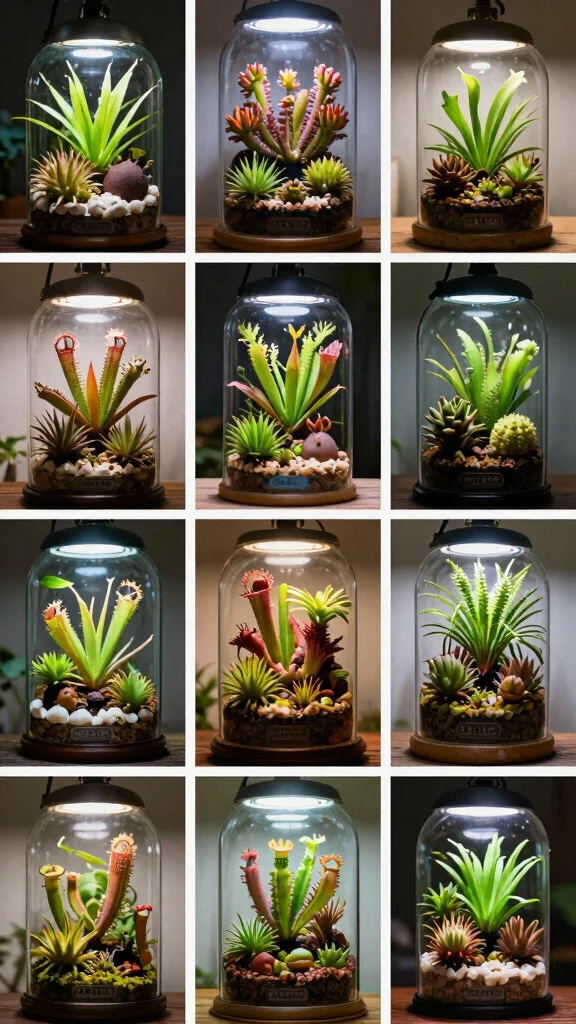
Creating a carnivorous plants terrarium is not only a fun project but also an engaging way to bring a slice of nature into your home.
Each of these ten ideas offers a unique approach to showcasing these exotic plants, while also emphasizing the importance of proper care. By incorporating various designs and aesthetics, you can turn your indoor gardening experience into an art form that sparks conversation and admiration.
Whether you opt for a classic setup or a whimsical display, a terrarium filled with carnivorous plants will undoubtedly become a focal point of interest in any space.
Note: We aim to provide accurate product links, but some may occasionally expire or become unavailable. If this happens, please search directly on Amazon for the product or a suitable alternative.
This post contains Amazon affiliate links, meaning we may earn a small commission if you purchase through our links, at no extra cost to you.
Frequently Asked Questions
What are the best carnivorous plants for a terrarium display?
For a striking carnivorous plants terrarium, mix epiphytic Nepenthes (pitcher plants) for vertical drama with ground-hugging Dionaea (Venus flytraps) or Sarracenia for architectural flair. In a well-lit, humid setup you can create a layered, living display. Keep in mind their carnivorous plant care needs: bright light, high humidity, and a nutrient-poor substrate like sphagnum moss and orchid bark. Water only with distilled or rainwater, never fertilizer, and provide good airflow if your terrarium is closed or semi-closed. This combination offers dramatic contrast and a true exotic plant display inside your home.
How do I set up a carnivorous plants terrarium from scratch?
Starting a carnivorous plants terrarium is a fun indoor gardening project. Step 1: choose a suitable glass container with enough height for Nepenthes or a wide opening for Sarracenia. Step 2: add a drainage layer and top with a carnivorous plant care-friendly mix like sphagnum moss over a base of long-fibered peat. Step 3: arrange taller specimens at the back and ground-dwellers in front for visibility. Step 4: water with distilled or rainwater and place under bright, indirect light or supplement with indoor gardening tips lighting. Step 5: monitor humidity and air circulation; avoid fertilizers and pests. This is a great way to create a compact, low-maintenance terrariums display while showcasing an exotic plant display.
Are carnivorous plant terrariums high-maintenance or low-maintenance?
They tend to be relatively low-maintenance terrariums compared with many tropical houseplants, but they still need regular checks. Keep the right species together, use pure water, and provide bright light. Check for condensation that’s too heavy, rinse the container if mold appears, and avoid fertilizers entirely. With proper pairing of species and careful watering, a carnivorous plants terrarium can thrive with minimal fuss.
What terrarium design ideas work best with exotic carnivorous plants?
Think in layers and textures. Try a vertical or mossy ground cover with a focal pitcher plant centerpiece. Use driftwood, smooth stones, and a living moss carpet to create an exotic plant display vibe. Open-top or semi-open glass terrariums work well with brighter light, while micro-drip features or tiny scales of humidity can be balanced with good air flow. Incorporate contrasting colors and heights to highlight suspects like carnivorous plants terrarium residents, and label them for an educational touch. These terrarium design ideas elevate any indoor garden space.
What indoor gardening tips help ensure my carnivorous plant terrarium thrives?
Start with indoor gardening tips focused on purity of water and light. Use rainwater or distilled water, provide bright indirect light (or a quality grow light for several hours daily), and keep temperatures within the plants’ comfortable range. Maintain high humidity but allow for some airflow to prevent mold. Don’t use fertilizer—these plants get nutrients from captured prey. Monitor for pests and clean any fallen leaves regularly. With these steps, your carnivorous plants terrarium will stay healthy and eye-catching, forming a true exotic plant display in your living space.
Related Topics
carnivorous plants
terrarium design
indoor gardening
exotic plants
low-maintenance terrariums
plant care tips
DIY terrariums
beginner friendly
unique displays
home decor
sustainable gardening
creative gardening