
Creating a beautiful glass garden has become a fun and rewarding way to bring nature into your home. If you’ve been daydreaming about crafting a miniature world inside a terrarium, you’re in the right place. This post is all about the best terrarium plants that can help you create a thriving and stunning indoor garden.
If you’re someone who loves indoor gardening or has just begun your journey into the world of plants, you’ll find this guide especially helpful. Whether you need low-maintenance options or are looking for unique ideas to enhance your glass garden, this list is tailored for you. Each plant featured here is not only easy to grow but also perfect for low light, ensuring your terrarium remains lush and vibrant.
In this post, you’ll discover nine terrarium plants that will breathe life into your space. I’ll provide you with tips on terrarium plant care and ideas for designing your glass garden. By the end, you’ll feel inspired and equipped to create your own miniature paradise, no matter your experience level.
Key Takeaways
– Discover the top nine best terrarium plants that thrive in low light and are easy to care for, making them perfect for beginners and seasoned gardeners alike.
– Learn essential terrarium plant care tips to keep your miniature garden healthy and beautiful for years to come.
– Get inspired with innovative ideas for designing your glass garden, including layering and incorporating decorative elements.
– Find out which plants are best suited for different terrarium styles, whether you prefer a lush, tropical look or a minimalist, modern aesthetic.
– Understand the specific needs of each plant and how to create the ideal environment for them to flourish in your indoor space.
1. Boston Fern
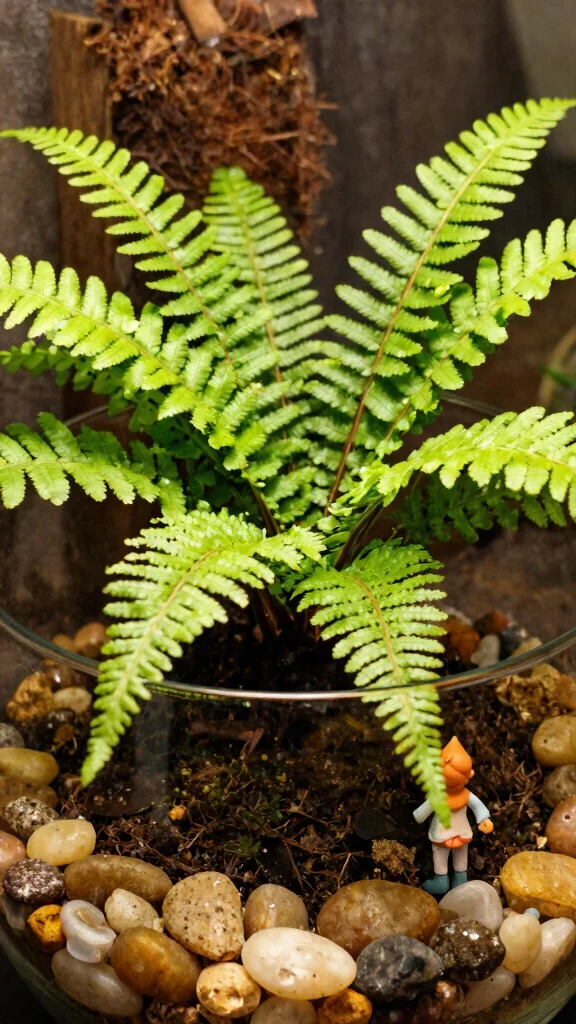
Looking to bring a touch of elegance to your terrarium? The Boston Fern (Nephrolepis exaltata) is the perfect choice with its graceful, cascading fronds. This plant thrives in humid conditions, making it ideal for the enclosed environment of a terrarium, where it can flourish and add lush greenery to your display. Its feathery leaves create a stunning visual that captures attention and enhances the beauty of your glass garden.
To keep your Boston Fern healthy, ensure the soil remains moist but not overly wet. While it can adapt to low light, it truly thrives in indirect sunlight, so find a spot that meets its lighting needs. When designing your terrarium, position the fern at the back to create depth, and consider adding decorative stones or miniature accents to elevate its charm.
Want the best terrarium plants for a show-stopping glass garden? The Boston Fern thrives on steady humidity and bright, indirect light. Mist daily and prune lightly to keep its feathery fronds cascading—your glass garden will look impossibly lush and alive.
Boston Fern
Editor’s Choice

Natural Slate Stone -1/2 to 1 inch. Perfect Size for Miniature or Fairy …


Cute Farms Terrarium Starter Kit | Moss, Vermiculite, Soil, Pebbles, Pla…

TempPro TP50 Digital Hygrometer Indoor Thermometer Room Thermometer and …
2. Air Plants

Have you ever heard of plants that don’t need soil? Air plants (Tillandsia) are fascinating because they absorb water and nutrients through their leaves. This makes them perfect for unique terrarium designs, allowing you to get creative with their placement. Their various shapes and sizes can add a modern flair to your glass garden, making them a popular choice among plant lovers.
Ensure your air plants receive bright, indirect sunlight. You can attach them to driftwood or place them on decorative rocks for an eye-catching arrangement. Mist your plants weekly to keep them hydrated, and watch them thrive in your miniature ecosystem.
Air plants don’t need soil to shine, just bright indirect light and a friendly mist every week. They’re one of the best terrarium plants, perfect on driftwood or glass, turning your space into living art.
Air Plants
Editor’s Choice

MyGift 5 Inch Premium Clear Glass Air Plant Terrarium, Tealight Candle H…

YZHZOM Small Natural Driftwood for Aquarium Styling Carefully Selected N…

Organic Ready to Spray Air Plant Food – Fertilizer Mist for Weekly Use -…
3. Succulents
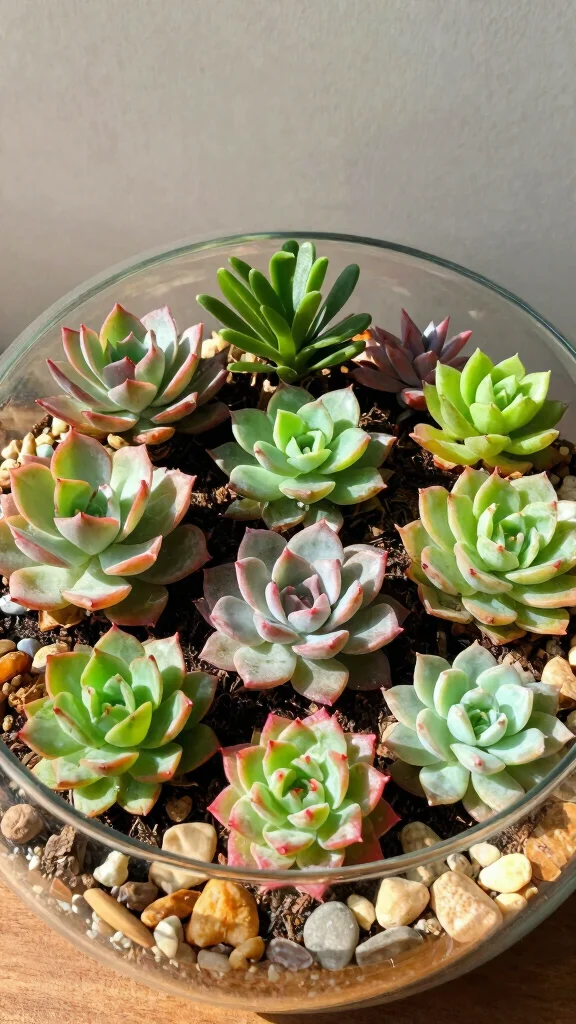
If you’re searching for low-maintenance greenery, succulents are your best bet. These charming plants store water in their leaves, making them ideal for busy plant parents or beginners. With countless varieties available, you can mix and match different shapes and colors to create a stunning display.
Place your terrarium in a bright spot to help your succulents thrive. Remember to avoid overwatering; these plants prefer dry conditions. Adding a drainage layer of pebbles or activated charcoal will help prevent root rot. Their diverse forms make them perfect companions for miniature decorations, allowing for endless creative arrangements.
Succulents
Editor’s Choice
Succulent Planter Kit – Terrarium Kit with Succulent Soil, Gravel, Pebbl…

Pulovin 2.5 lbs Drainage Rocks for Potted Plants, 1/5 Inch Small Pebbles…

Back to the Roots 100% Organic Succulent & Cacti Mix (6 Quart) | Made in…
4. Moss

Moss is an excellent addition to any terrarium, providing a soft, green blanket that enhances depth and creates a woodland atmosphere. Sheet moss or reindeer moss are fantastic options that require minimal maintenance, making them user-friendly for any gardener.
Since moss thrives in humid conditions, it pairs well with other moisture-loving plants. Place it in a spot with indirect light, as direct sunlight can dry it out. Use moss to cover the soil for an aesthetically pleasing look, and consider adding small decorations like fairy houses or tiny animals to create a whimsical scene.
Moss
Editor’s Choice

GROWIT Plant Moisture Meter – Accurately Tells You When to Water Your Pl…

Live Moss Duo Pack 2 Types of Real Live Sheet/Sphagnum Moss for Terrariu…

Live Moss 4-Pack (Each 3.5″x7″) – Real Mixed Moss for Terrariums, Rept…
5. Pothos

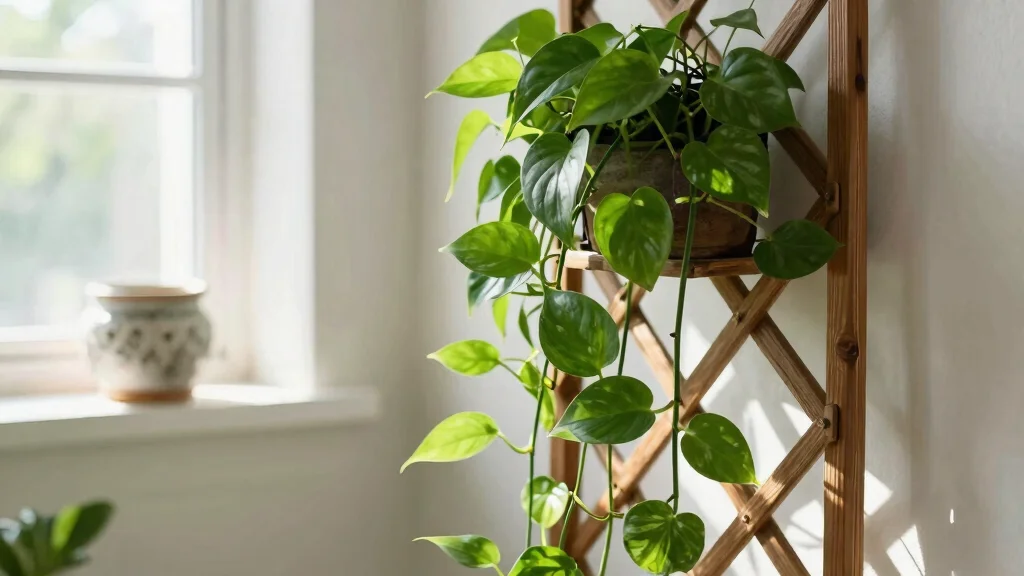
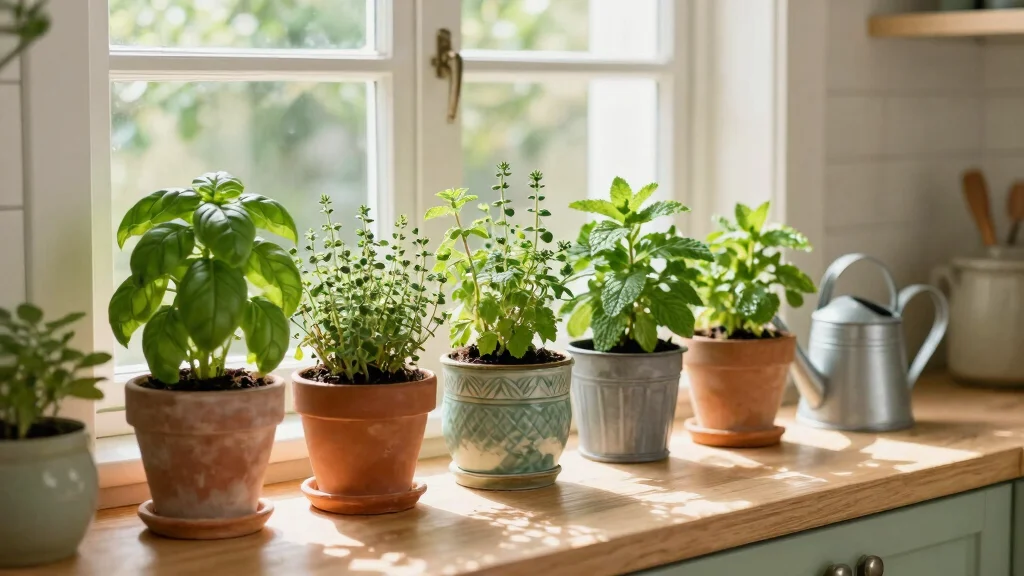
Looking to add some trailing greenery to your terrarium? Pothos is an excellent choice with its heart-shaped leaves, available in both variegated and solid green varieties. This adaptable plant thrives in various lighting conditions, making it a great fit for low-light spaces.
Pothos is forgiving when it comes to watering, preferring to dry out between waterings. Let its vines cascade down from the top of the terrarium or drape over the edges for a stunning effect. Combine it with other plants or whimsical decorations to enhance your terrarium’s charm.
You might also like
Pothos
Editor’s Choice

Live Pothos Plants (4PK) Indoor Plants Live Houseplants, Pothos Live Pla…

Spray Bottle for Plants 2 Pack, 16oz – Ultra Fine Mist, Plant Mister Emp…

15-Piece Terrarium Kit with Live Moss – DIY Glass Globe Set with Tools…
6. Fittonia (Nerve Plant)

With vibrant leaves showcasing stunning vein patterns, Fittonia, or nerve plant, can bring a burst of color to your terrarium. This humidity-loving plant is perfect for closed terrarium setups, where it can truly flourish.
Fittonia thrives in low to medium light, making it a fantastic option for indoor gardens. Regular misting will help maintain the humidity levels it craves. You can group Fittonia with other colorful plants for a vibrant display or let it shine on its own, showcasing its unique beauty and adding life to your terrarium.
Fun fact: Fittonia is one of the best terrarium plants, thriving in humidity and low to medium light, making it perfect for closed terrariums. Regular misting keeps its vivid vein patterns bright, turning your miniature glass garden into a lively, living canvas.
📹 Related Video: How To Make A Fittonia Terrarium
Fittonia (Nerve Plant)
Editor’s Choice

Aokrean Plant Grow Light, 48 LEDs Full Spectrum Grow Lights for Indoor P…

VIVOSUN 27oz Pump Sprayer, Handheld Garden Water Sprayer Bottle with Adj…

Cute Farms Terrarium Starter Kit | Moss, Vermiculite, Soil, Pebbles, Pla…
7. Jade Plant

The Jade Plant (Crassula ovata) is not just beautiful—it’s also a symbol of good luck! Its glossy leaves and tree-like structure add elegance to any terrarium. This succulent prefers bright, indirect sunlight and well-draining soil, making it easy to care for.
Water sparingly, allowing the soil to dry out completely before rehydrating. Incorporating a Jade Plant can create a focal point in your terrarium, and its resilience means it can thrive for years. Pair it with smaller plants to create delightful contrasts in your glass garden.
Ongoing Maintenance & Care Guide
Maintenance Schedule:
Daily/Weekly Tasks:
– Check moisture levels in the soil. If the top inch feels dry, it’s time to water! ⏱ (5 minutes)
– Remove any yellowing leaves or dead foliage to keep your terrarium looking fresh. ✔ (10 minutes)
– Dust off the glass surfaces to ensure ample light reaches the plants. 🚀 (5 minutes)
– Rotate the terrarium every week to allow all sides to receive equal light. ✔ (5 minutes)
Monthly/Seasonal Tasks:
– Water the plants thoroughly but avoid overwatering. Aim for a good soak until water drains from the bottom. ⏱ (15 minutes)
– Fertilize with a diluted liquid fertilizer, especially during the growing season. This encourages healthy growth. 💡 (10 minutes)
– Reassess plant health. If any plants are outgrowing their space, consider pruning them back or replanting. 🚀 (30 minutes)
– Clean the glass with a non-toxic cleaner to maintain visibility and aesthetics. ✔ (15 minutes)
– Adjust the placement based on the seasons. Move to a brighter spot during winter months if needed. 💡 (10 minutes)
Maintenance Summary Table:
| Task | Frequency | Difficulty | Time Needed |
|—————————–|——————|—————|————-|
| Check moisture levels | Daily/Weekly | Easy | 5 minutes |
| Remove dead foliage | Daily/Weekly | Easy | 10 minutes |
| Dust glass surfaces | Daily/Weekly | Easy | 5 minutes |
| Water thoroughly | Monthly | Moderate | 15 minutes |
| Fertilize | Monthly | Moderate | 10 minutes |
| Clean glass | Monthly | Easy | 15 minutes |
| Reassess plant health | Monthly | Moderate | 30 minutes |
Common Issues to Watch For:
⚠️ Watch for these warning signs to keep your terrarium healthy:
– Wilting leaves: This often indicates that the plant is either overwatered or underwatered. Check moisture levels immediately.
– Yellowing leaves: This could be a sign of nutrient deficiency or too much direct sunlight. Adjust care as needed.
– Mold growth: This often appears in damp environments. If you see mold, reduce watering and improve airflow.
– Stunted growth: If plants aren’t growing, they may need a fertilizer boost or more light. Assess their environment.
Care Tips:
💡 Here are some practical tips to ensure your terrarium stays beautiful and thriving:
– Keep it sealed: If using a closed terrarium, it helps maintain humidity. Just remember to open it occasionally for fresh air!
– Choose the right plants: When selecting the best terrarium plants, ensure they have similar light and moisture needs to thrive together.
– Limit direct sunlight: Too much sun can scorch leaves. A bright, indirect light source is usually best for most terrarium plants.
– Monitor temperature: Keep your terrarium in a spot with stable temperatures. Avoid drafts and extreme heat sources.
– Be patient: Plants grow slowly in terrariums. Give them time to adapt and thrive in their new environment.
By following this ongoing maintenance and care guide, you can create a thriving and beautiful glass garden that remains a stunning focal point in your home. Enjoy the process as your terrarium plants grow and flourish!
Jade Plant
Editor’s Choice
Back to the Roots 100% Organic Succulent & Cacti Mix (6 Quart) | Made in…
Cute Farms Terrarium Starter Kit | Moss, Vermiculite, Soil, Pebbles, Pla…

YISZM 2LB Succulent and Cactus Gravel Pebbles, 1/5 Inch Natural Decorati…
8. Prayer Plant

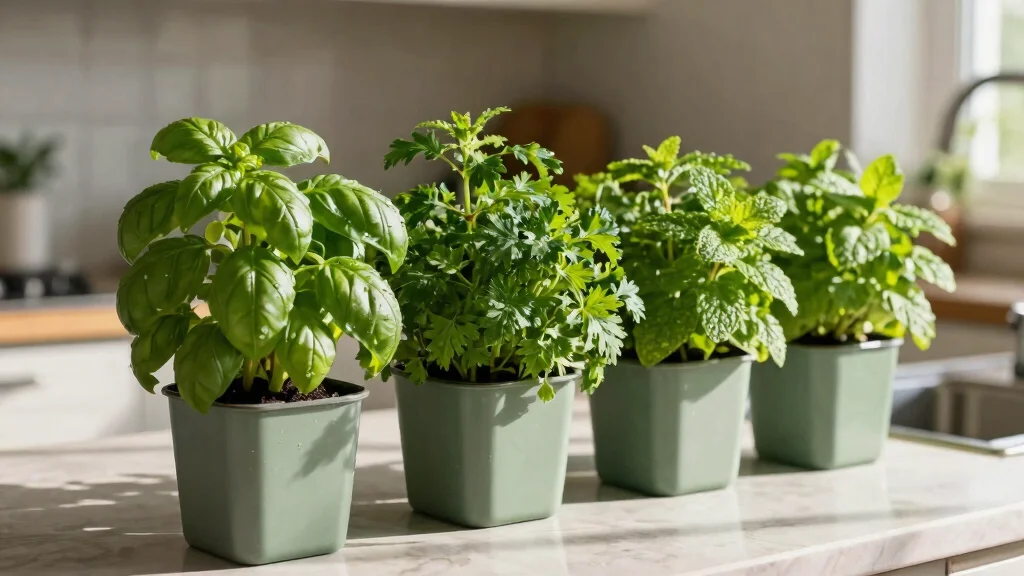
The Prayer Plant (Maranta leuconeura) adds intrigue to your indoor garden with its unique patterns and vibrant colors. Known for folding its leaves at night, this plant earns its nickname for a reason.
Prayer plants thrive in high humidity and indirect light, making them ideal for terrariums. Regular misting will keep them happy and healthy. Grouping the Prayer Plant with other colorful companions creates an enchanting display, or you can let it shine alone, highlighting its playful nature and stunning colors.
You Might Also Like

Prayer Plant
Editor’s Choice
15-Piece Terrarium Kit with Live Moss – DIY Glass Globe Set with Tools…
SUPER+ 2 Pack Continuous Spray Bottles – Ultra Fine Mist Sprayer | Water…

Soil Sunrise Terrarium Potting Soil Mix (4 Quarts) w/Blended Filtering C…
9. Sedum
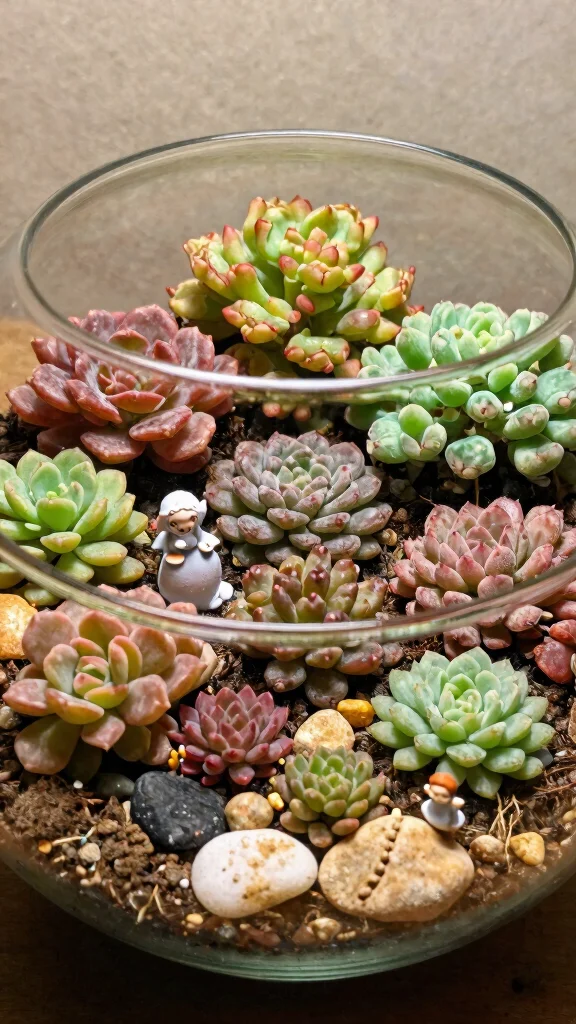
With its diverse forms and captivating shapes, Sedum provides a variety of options for terrarium enthusiasts. These hardy succulents are drought-resistant and thrive in bright sunlight, making them a breeze to care for.
Available in an array of colors, from bright greens to deep reds, Sedum allows for creative combinations in your terrarium. Ensure good drainage to prevent rot, and consider planting them in clusters to create a stunning effect that showcases their unique textures and lively charm.
Sedum
Editor’s Choice
15-Piece Terrarium Kit with Live Moss – DIY Glass Globe Set with Tools…
YISZM 2LB Succulent and Cactus Gravel Pebbles, 1/5 Inch Natural Decorati…
Back to the Roots 100% Organic Succulent & Cacti Mix (6 Quart) | Made in…
Conclusion

Creating a beautiful terrarium is an exciting journey of exploration and creativity. With the right selection of plants, you can design a glass garden that not only pleases the eye but also thrives in your indoor space.
From the elegant Boston Fern to the colorful Fittonia, each plant brings its unique charm to your terrarium, enhancing your indoor environment. Happy planting and remember to enjoy the process of nurturing your little glass garden!
Note: We aim to provide accurate product links, but some may occasionally expire or become unavailable. If this happens, please search directly on Amazon for the product or a suitable alternative.
This post contains Amazon affiliate links, meaning we may earn a small commission if you purchase through our links, at no extra cost to you.
Frequently Asked Questions
What are the best terrarium plants for a thriving glass garden and indoor fairy gardens?
Choosing the best terrarium plants means selecting species that stay compact, tolerate high humidity, and require minimal maintenance. In the collection of 9 Best Terrarium Plants, look for easy to grow terrarium plants such as moss, tiny ferns, and compact tropicals. These are ideal for indoor gardening tips and create lush textures in your glass garden ideas.
To keep them thriving, place the terrarium in bright, indirect light, water sparingly by misting only when the top layer dries, and use a well-draining substrate. Avoid overwatering and monitor for condensation or mold buildup. Regular pruning helps maintain a neat, miniature landscape.
How do I care for terrarium plants to keep my glass garden thriving?
Start with a proper setup: a drainage layer, a lightweight, well-draining soil mix, and plants that share similar humidity needs. Water sparingly—mist or splash water only when the top inch of soil dries. Keep the container clean and ensure good air circulation if you have an open lid. Prune away any leggy growth to maintain shape, rotate the container for even light, and watch for mold or mineral buildup on the glass to prevent disease. With terrarium plant care like this, your indoor glass garden stays healthy and vibrant.
Do terrarium plants do well in low-light spaces, and what are the best options?
Yes, several terrarium plants tolerate low-light interiors. For low light houseplants in a glass garden, choose mosses, Selaginella, and compact tropicals such as small Peperomia or Pilea varieties. These typically stay smaller and require less intense lighting. If your space is very dim, consider adding a small growth light or placing the terrarium near a bright, indirect source of light to keep colors and growth healthy. Regular pruning and light rotation help keep these plants flourishing in shaded corners.
What are some glass garden ideas to display terrarium plants beautifully?
Start with layered substrates: a shallow drainage layer, activated charcoal, and a nutrient-rich mix, topped with moss or tiny groundcovers for a miniature landscape. Group multiple glass containers to create a fairy-tale display and vary heights for visual interest. Add tiny decorative elements like miniature figures or stones to evoke a tiny world, then surround with natural textures like wood or stone for a cohesive glass garden ideas look. Remember to balance humidity needs so all plants thrive together rather than compete.
What should I do if a plant outgrows my terrarium, or I want to refresh the display?
If a plant starts to outgrow its space, prune it back to maintain size and proportion. You can also propagate cuttings into new pots or a larger, open terrarium and use the original container for a fresh mini-scene. Alternatively, swap in a best terrarium plants that stay compact and have similar light and moisture needs. Regular refreshes keep your indoor gardening tips on track and your glass garden looking new and inviting.
Related Topics
best terrarium plants
indoor gardening
terrarium plant care
low light houseplants
easy to grow plants
glass garden decor
miniature gardens
beginner friendly
fairy garden plants
lush greenery
DIY terrariums
seasonal planting