
Creating a beautiful, lush lawn isn’t just a garden project; it’s a dream for many homeowners. After spending countless hours trying to figure out the best way to achieve that thick, green, envy-worthy grass, I realized there had to be an easier way to help others. Whether you’re a seasoned gardener or just starting your journey, selecting the right grass seed can make all the difference in creating the lawn you’ve always wanted.
If you’re invested in making your yard the talk of the neighborhood, this post is for you. From families looking for safe spaces for kids to play, to eco-conscious homeowners wanting organic options, there’s something here for everyone. I’ve put together a list of the 10 best grass seed picks that will not only suit your lawn care needs but also help you understand the different grass seed types available. You’ll discover the best lawn fertilizers, maintenance tips, and green lawn solutions that work best for your specific environment.
Get ready to dive into the world of grass seeds. From classic Kentucky Bluegrass to eco-friendly organic blends, you’ll find valuable insights that will guide you to a beautiful lawn. Your journey to a vibrant and healthy lawn starts here!
Key Takeaways
– Choose the right grass seed based on your climate and lawn use; options like Kentucky Bluegrass and Bermuda Grass offer unique benefits.
– Understand the importance of soil preparation and the right timing for seeding to ensure optimal germination and growth.
– Explore organic grass seed blends for eco-friendly solutions that nourish the earth while promoting a healthy lawn.
– Implement thick lawn maintenance practices like regular mowing, watering, and fertilization to keep your grass lush and green.
– Familiarize yourself with lawn care tips and the best lawn fertilizers that cater to your chosen grass type for improved results.
1. Kentucky Bluegrass: The Classic Choice

Kentucky Bluegrass stands out as a timeless favorite for lawns. With its rich, vibrant green hue, it offers a soft, lush carpet that enhances any outdoor space. This grass thrives in cooler climates and is known for its ability to self-repair, making it perfect for areas with high foot traffic.
To get the most from Kentucky Bluegrass, ensure it gets plenty of sunlight and water during its initial growth. This grass also benefits from regular mowing, which encourages denser growth. In return, you’ll enjoy a thick lawn that not only looks great but also withstands everyday wear.
Why Kentucky Bluegrass is a great choice:
– Rich Color: Keeps your lawn looking vibrant throughout the season.
– Self-Repairing: Fills in bare spots naturally over time.
– Durable: Ideal for families and pets with active lawns.
For a classic, beautiful lawn, Kentucky Bluegrass is an excellent option. Just provide it with enough sunlight, and watch your yard flourish!
Kentucky Bluegrass: The Classic Choice
Editor’s Choice

Greenworks 40V 16″ (Push) Cordless Lawn Mower, 4.0Ah Battery (1/3 Acre, …


Scotts Turf Builder Grass Seed Sun and Shade Mix – Grass Seed Plus Lawn …
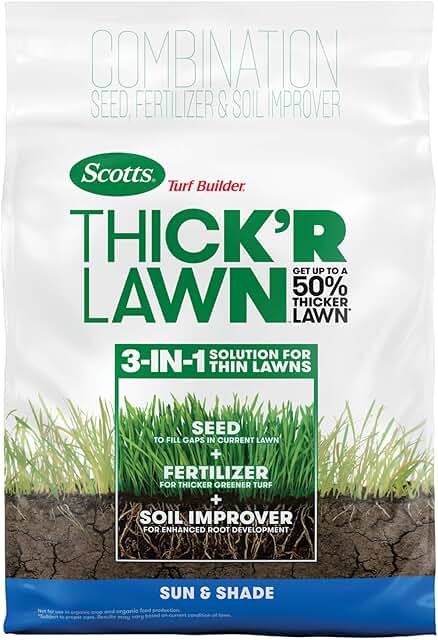
Scotts Turf Builder Thick’R Lawn Sun and Shade – Combination Grass Seed,…
2. Perennial Ryegrass: Fast Germination

Perennial Ryegrass is your go-to choice for instant lawn gratification. Its astonishingly quick germination means you can transform bare soil into a lush lawn within just weeks! Perfect for cool-season areas, this grass is often used for quick patches or as an overseeding option.
To ensure success, plant it in well-drained soil and keep it consistently watered during germination. After establishment, it requires less frequent watering, making it an efficient choice for busy homeowners.
Benefits of Perennial Ryegrass:
– Quick Establishment: Get results faster than with many other grass types.
– Fine Texture: Enjoy a soft, luxurious lawn underfoot.
– Drought Tolerant: Once established, it handles dry conditions well.
For a stunning lawn in no time, Perennial Ryegrass is your best bet. Just remember to keep it watered initially for the best results!
📹 Related Video: Temperature & Speed of Perennial Rye Grass Seed Germination: How Fast It Grows At Different Temps
Perennial Ryegrass: Fast Germination
Editor’s Choice

XLUX Long Probe Deep Use Soil Moisture Meter, Water Monitor Indicator Se…

Pennington Smart Seed Perennial Ryegrass 3 lb
3. Tall Fescue: Versatile and Durable

Tall Fescue is your ultimate lawn solution, adaptable to various climates. Its deep root system enables it to thrive in both drought and heat, making it a favorite for transitional zones. With a coarse texture, it’s both resilient and visually appealing.
For optimal growth, plant Tall Fescue in well-drained soil and consider adding organic fertilizers to enhance its health. This grass type is low-maintenance, meaning it requires less mowing and watering compared to other varieties.
Reasons to choose Tall Fescue:
– Deep Roots: Promotes drought resistance and heat tolerance.
– Adaptable: Thrives in sun or shade, making it versatile.
– Low Maintenance: Enjoy a beautiful lawn with minimal effort.
If you’re after durability and versatility, Tall Fescue is an ideal choice for your lawn. Combine it with quality lawn care practices for the best results!
Tall Fescue just gets it—it’s the reliable underdog of lawns. It handles heat and drought like a champ and stays lush with less mowing. In eco-friendly yards, it’s one of the best grass seed options you can choose.
Tall Fescue: Versatile and Durable
Editor’s Choice

Scotts Turf Builder Rapid Grass Tall Fescue Mix – Combination Grass Seed…
Scotts Turf Builder Rapid Grass Tall Fescue Mix – Combination Grass Seed…
4. Zoysia Grass: The Heat Lover

Zoysia Grass is perfect for homeowners in warmer climates. This warm-season grass is celebrated for its heat and drought resistance, staying lush and green even in the hottest summer months. Its dense growth habit creates a thick mat that chokes out weeds.
To keep Zoysia thriving, ensure it receives adequate sunlight and water regularly during the establishment phase. Once established, it requires minimal maintenance, making it a hassle-free choice for busy lawns.
Highlighting Zoysia Grass:
– Heat Tolerant: Remains vibrant even in extreme heat.
– Dense Growth: Forms a thick carpet, reducing weed problems.
– Low Water Requirements: Conserves water once established.
If you want a low-maintenance lawn that stands up to the heat, Zoysia Grass is an excellent option. With the right care, it can be the envy of your neighborhood!
Zoysia Grass: The Heat Lover
Editor’s Choice

Scotts Turf Builder Grass Seed Zoysia Grass Seed and Mulch, 5 lb. – Full…
XLUX Long Probe Deep Use Soil Moisture Meter, Water Monitor Indicator Se…
5. Bermuda Grass: The All-Star Performer

Bermuda Grass is a top choice for those seeking durability and a robust lawn. Known for thriving in sunny conditions, it’s commonly used in sports fields due to its resilience. With a coarse texture, it establishes quickly, giving you a thick, vibrant lawn.
To achieve the best results, plant Bermuda Grass in well-draining soil and ensure it receives plenty of sunlight. Regular mowing and fertilization will promote healthy growth and ensure it remains lush.
Why Bermuda Grass is a favorite:
– Durable: Handles heavy foot traffic with ease.
– Quick to Establish: Enjoy a beautiful lawn in no time.
– Sun-Loving: Thrives best in full sunlight for at least 6 hours a day.
Choose Bermuda Grass for a stunning lawn that can withstand the activity of your family and pets. With the right care, it will become a highlight of your outdoor space!
Bermuda Grass isn’t just tough; it’s your shortcut to a lush, low-fuss lawn. Plant in sun, water wisely, and mow regularly—your yard becomes the neighborhood’s best grass seed without the extra drama.
You might also like


Key Trade-offs & Our Top Pick
When choosing the best grass seed for your lawn, it’s essential to weigh the pros and cons of each variety. Below are three popular options to help you make an informed decision.
Option 1: Kentucky Bluegrass
– Pros:
– Creates a lush, vibrant green lawn.
– Excellent drought resistance once established.
– Self-spreading ability fills in bare spots over time.
– Cons:
– Slower germination (can take 14-30 days).
– Requires more maintenance and watering in hot summers.
– Tends to struggle in shady areas.
– Best for: Homeowners in cooler climates who want a classic, thick lawn.
Option 2: Perennial Ryegrass
– Pros:
– Quick germination (usually within 5-10 days).
– Ideal for quick patches and overseeding.
– Fine texture adds a nice aesthetic to lawns.
– Cons:
– Not as drought resistant as other options.
– Can become brown during summer heat.
– May require more frequent mowing due to its fast growth.
– Best for: Those looking for a quick cover in transitional areas or for overseeding existing lawns.
Option 3: Tall Fescue
– Pros:
– Tolerates heat and drought well.
– Deep root system promotes resilience.
– Adapts well to various soil types and conditions.
– Cons:
– Coarser texture than other grass types.
– Slower establishment time (10-12 days).
– Less appealing to some for a lush appearance compared to bluegrass.
– Best for: Homeowners in varied climates needing a tough, adaptable grass.
Expert Recommendation:
Best Overall: Kentucky Bluegrass
Kentucky Bluegrass is our top pick because it offers remarkable resilience and a classic look for your lawn. It provides good value for money, especially if you live in a cooler climate. While it requires a bit more care, its ability to self-spread and thrive in various conditions makes it a versatile choice. The beautiful deep green color can turn your yard into a real showstopper.
Why We Picked This:
While Kentucky Bluegrass is an excellent option, some may prefer faster-growing choices like Perennial Ryegrass, especially for quick patches. Tall Fescue is also a solid choice for those in hotter regions or anyone dealing with challenging soil. Ultimately, your choice should reflect your local climate, maintenance preferences, and desired lawn appearance.
Bermuda Grass: The All-Star Performer
Editor’s Choice


Slow Release Lawn Fertilizer 25-5-10 NPK – 65% Granular Nitrogen Formula…
6. Fine Fescue: The Shade Tolerant Wonder

Fine Fescue is ideal for those shady spots in your yard. This grass type, which includes creeping red fescue, chewings fescue, and hard fescue, thrives in cooler and shaded areas, making it a perfect choice for lawns with limited sunlight. Its delicate texture offers a refined look while requiring minimal maintenance.
To grow Fine Fescue successfully, ensure it’s planted in well-drained soil and water it regularly during dry spells. This grass type naturally stays lush with less frequent mowing.
Key benefits of Fine Fescue:
– Shade Tolerance: Flourishes in low-light conditions.
– Minimal Maintenance: Less mowing and watering required.
– Fine Texture: Gives a soft, plush feel underfoot.
If your yard lacks direct sunlight, Fine Fescue is a fantastic choice for a beautiful, low-maintenance lawn!
Fine Fescue: The Shade Tolerant Wonder
Editor’s Choice

Sustee Aquameter, Set of 5, Plant Soil Moisture Sensor (Green, Small)

Outsidepride Legacy Fine Fescue Grass Seed Mix – 5 lbs. Shade & Sun Tole…
7. Organic Grass Seed Blends: Eco-Friendly Choices

For environmentally conscious gardeners, organic grass seed blends offer a fantastic solution without compromising quality. These blends are crafted to thrive without synthetic fertilizers or pesticides, fostering healthier soil and promoting sustainability.
To maximize the benefits, ensure you prepare your soil well before planting and follow organic lawn care practices. This approach not only supports your lawn’s health but also contributes positively to the ecosystem.
Reasons to choose organic blends:
– Environmentally Friendly: Avoids harmful chemicals for a greener lawn.
– Soil Health: Enhances microbial life and improves soil structure.
– Diverse Growth: Includes various grasses suited for your region.
With organic grass seed blends, you can achieve a stunning lawn while caring for the planet. Enjoy the beauty of a healthy lawn that supports the environment!
Organic Grass Seed Blends: Eco-Friendly Choices
Editor’s Choice

Purely Organic Products Lawn Food 10-0-2, 15 LB (Covers 3,000 Square Feet)

Jardineer Hand Tiller for Gardening, Manual Twist Tiller Cultivator, Hea…

Kentucky 31 K31 Tall Fescue Grass Seed by Eretz – Choose Size! State Cer…
8. Blended Grass Seed: The Best of Both Worlds

Blended grass seed combines the benefits of different grass types, creating a resilient lawn that adapts to various conditions. This approach ensures your lawn stays vibrant across seasons, as different grasses can fill in where one may struggle.
For best results, select a blend tailored to your local climate and soil type. This will enhance your lawn’s overall health and appearance, leading to a beautiful outdoor space.
Advantages of blended grass seed:
– Resilience: Offers traits from various grasses for strong performance.
– Versatility: Suitable for both sunny and shady areas.
– Improved Appearance: Creates a more uniform look with diverse textures.
Choosing a blended grass seed can simplify lawn care while ensuring a stunning yard. Enjoy the beauty and resilience that comes with the best of both worlds!
You Might Also Like

Blended Grass Seed: The Best of Both Worlds
Editor’s Choice
Scotts Turf Builder Grass Seed Sun and Shade Mix – Grass Seed Plus Lawn …
Scotts Turf Builder Grass Seed Sun and Shade Mix – Grass Seed Plus Lawn …
Scotts Turf Builder Grass Seed Sun and Shade Mix – Grass Seed Plus Lawn …
9. Lawn Care Tips for Success

Once you’ve selected the perfect grass seed for your lawn, effective care is essential for optimal growth. Proper lawn care significantly impacts the health and appearance of your grass, ensuring it thrives for years to come.
To maintain a beautiful lawn, focus on proper watering, regular mowing, and appropriate fertilization. These practices will help your grass establish a strong root system and stay lush and green throughout the seasons.
Key lawn care tips:
– Watering: Water deeply and less frequently for strong roots.
– Mowing: Keep blades sharp and trim only the top third.
– Fertilizing: Use eco-friendly, slow-release fertilizers for steady growth.
By incorporating these tips, you’ll enjoy a thick, green lawn that impresses your guests year-round!
Lawn Care Tips for Success
Editor’s Choice

Scotts Natural Lawn Food, Lawn Fertilizer, For All Grass Types, Apply An…

EWORK Corded Electric Lawn Mower 14-Inch, 11Amp Electric Push Mower with…

Rain Bird 32ETI DIY Self Install In-Ground Automatic Sprinkler System Kit
10. Thick Lawn Maintenance: Keeping it Green

To maintain the beauty of your lawn, consistent care is key. Simple maintenance tasks can help keep your grass vibrant and lush all season long.
Focus on aerating your lawn annually, overseeding to fill in bare patches, and controlling weeds regularly. These steps will support healthy growth and ensure your lawn remains the talk of the neighborhood.
Essential maintenance steps:
– Aeration: Improves air circulation and nutrient absorption.
– Overseeding: Adds fresh seed to thicken the lawn.
– Weed Control: Regularly check for weeds and apply organic solutions.
By following these maintenance tips, you’ll keep your lawn looking its best, creating an inviting outdoor space everyone will admire!
Did you know that aerating once a year can boost root growth by up to 60%? Pair it with overseeding to fill bare spots, and your best grass seed results shine without extra chemicals.
Thick Lawn Maintenance: Keeping it Green
Editor’s Choice
Scotts Turf Builder Grass Seed Sun and Shade Mix – Grass Seed Plus Lawn …

Manual Core Aerator Lawn Tool – Lawn Aerator Tool with 3 Hollow Tines, S…

Gordon’s SpeedZone Lawn Weed Killer, 20 Ounces, 652400
Conclusion: Cultivating Your Green Paradise

Choosing the best grass seed is just the start of your journey toward a vibrant, lush lawn. With the right selection, care, and maintenance, your outdoor space can become a beautiful oasis. This list of grass seed options and maintenance tips is designed to help you create a lawn that’s not only aesthetically pleasing but also eco-friendly.
Consider your local climate and soil conditions when making your choice, and don’t forget to engage in regular care for lasting results. Happy gardening!
Note: We aim to provide accurate product links, but some may occasionally expire or become unavailable. If this happens, please search directly on Amazon for the product or a suitable alternative.
This post contains Amazon affiliate links, meaning we may earn a small commission if you purchase through our links, at no extra cost to you.
Frequently Asked Questions
What makes a grass seed the best grass seed for a thick green and eco-friendly lawn?
Choosing the best grass seed for a thick green and eco-friendly lawn means balancing climate, soil, and maintenance goals. Look for varieties with reliable germination, deep roots, and resistance to disease to cut down on inputs. Favor grass seed types that fit your region and sun exposure, and lean toward blends designed for low-input, organic care to support green lawn solutions. Start with a simple soil test and amend with compost before sowing. For a dense, weed-smothering lawn, pick tall fescue or fine fescue blends in cool climates or warm-season blends in hot areas, since these tend to yield a thick lawn maintenance without heavy chemical use. When fertilizing, choose best lawn fertilizers that are organic and slow-release to feed the seed and protect waterways. Overseed in the right season and maintain a steady mowing height to help the lawn fill in quickly.
Which grass seed types are best for organic, low-input lawns?
For organic, low-input lawns, the goal is durability with minimal inputs. Look for grass seed types that tolerate less water and shade, such as fine fescues and tall fescue blends, plus native or adaptive grasses suited to your climate. Choose seeds marketed as organic or produced without synthetic pesticides to align with eco-friendly goals. Pair your seed choice with simple lawn care tips like deep watering, proper mowing height, and annual aeration to keep roots strong and weeds at bay. When you do fertilize, use best lawn fertilizers that are slow-release and organic to reduce runoff while keeping the lawn green and lush. A well-chosen grass seed types blend supports green lawn solutions and thick lawn maintenance over time.
What lawn care tips can help the seed establish quickly without synthetic fertilizers?
Start with a clean, weed-free seed bed because good germination begins with solid seed-to-soil contact. Then amend with organic soil inputs like compost or worm castings to feed soil life. Water deeply and infrequently to encourage deep roots; about 1 inch per week is a general guideline, adjusting for weather. Use a light layer of mulch or straw to maintain moisture during the first 2–3 weeks. If you need plant food, choose organic best lawn fertilizers and apply according to label directions. Mow only after the new grass reaches the recommended height to avoid stressing it. Following these lawn care tips will help you achieve a dense stand with fewer chemicals and long-term green lawn solutions.
How do I choose between different grass seed types for shade, sun, and drought tolerance?
In shaded areas, opt for shade-tolerant blends based on fine fescues. In full sun, look for heat- and drought-tolerant options like tall fescue or warm-season blends if your climate allows. For dry sites, select drought-tolerant mixes and consider natives that survive with less water. Always read seed labels for germination rate and suitability to your sun/shade conditions, and consider region-specific recommendations. A smart choice improves thick lawn maintenance by boosting density without chemical boosters. As you plan, prioritize eco-friendly input: a green lawn solutions approach with organic seed and inputs whenever possible, plus practical lawn care tips.
What are common mistakes to avoid when planting the best grass seed for a thick lawn?
Common missteps include planting at the wrong season for your climate, not prepping the soil (pH, compaction, drainage), and selecting a seed mix that isn’t suited for sun/shade conditions. Overwatering or under-watering during establishment can sabotage germination. Skipping seed-to-soil contact or letting birds eat the seed reduces success. Don’t skip weed control; even organic lawns need a plan to keep weeds at bay. Finally, neglect a maintenance plan for thick lawn maintenance and regular overseeding to sustain density. For eco-friendly results, choose best lawn fertilizers that are organic and slow-release, and protect seeds with a light mulch or cover until established.
Related Topics
best grass seed
organic lawn care
eco-friendly gardening
thick lawn maintenance
grass seed types
green lawn solutions
lawn care tips
best lawn fertilizers
beginner friendly
seasonal planting
sustainable landscaping
easy lawn tips