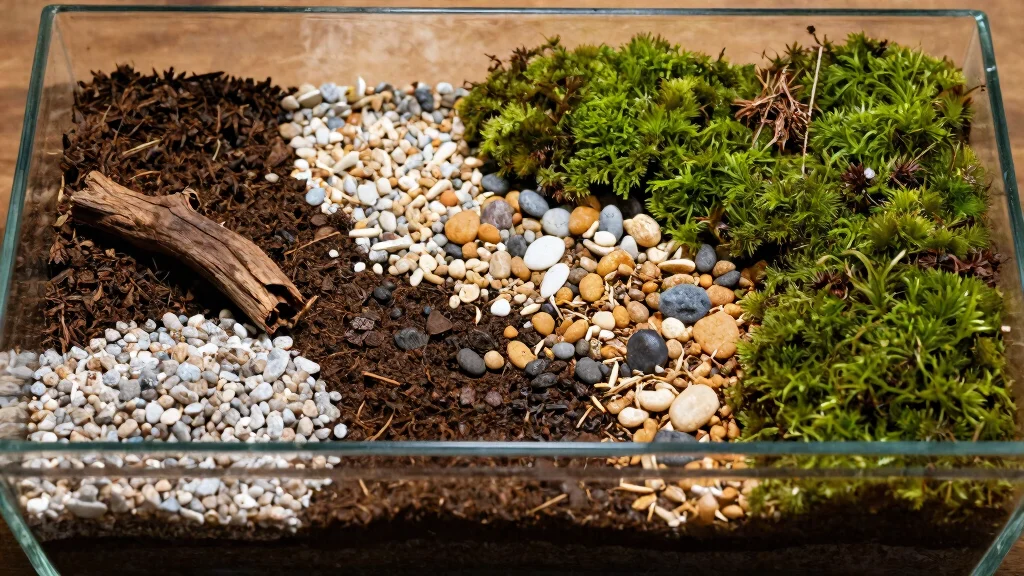
Building a terrarium is like creating a miniature world filled with your favorite plants. It’s a delightful way to bring a slice of nature indoors. I created this post because I know many of you are eager to design your own indoor gardens but might not know where to start. Selecting the right terrarium base is crucial for setting up a thriving glass garden.
If you love gardening and want to explore DIY projects, this guide is for you. Whether you’re a seasoned plant lover or a beginner in indoor gardening, you’ll find inspiration here. I’ve put together eight creative ideas for terrarium bases that will enhance your plant display. These ideas are engaging, visually appealing, and easy to implement, making them perfect for your next indoor gardening adventure.
In this post, you’ll receive valuable insights into various materials you can use for terrarium bases. From classic potting soil to unique decorative elements, each idea will help you create a stunning foundation for your glass garden. Get ready to dig in and discover how to elevate your terrarium design!
Key Takeaways
– Classic Layer of Potting Soil: This essential base provides nutrients and support for your plants, ensuring they thrive in your glass garden.
– Sparkling Decorative Gravel: Adding gravel not only enhances drainage but also adds a beautiful visual element to your terrarium.
– Layered Moss for a Lush Look: Using moss creates a soft, green carpet, giving your terrarium a rich, textured appearance that mimics nature.
– Unique Driftwood Accents: Incorporating driftwood can introduce natural shapes and add character to your terrarium, helping create a unique focal point.
– Colorful Pebbles for Contrast: Bright pebbles can provide contrast and color, making your plants pop and enhancing the overall aesthetic of your glass garden.
1. Classic Layer of Potting Soil

If you’re starting a terrarium, a classic layer of potting soil is your best friend. This tried-and-true option nourishes your plants and ensures proper drainage, setting the stage for a thriving garden. Look for a high-quality potting mix that includes organic matter for optimal growth.
Begin by placing a generous layer of soil at the base of your glass container. It’s important to pack the soil lightly to create a sturdy layer, allowing air circulation to keep roots healthy. For added fun, you can mix in different soil types, like cactus mix for succulents or orchid bark for specific plants.
Key steps to create your soil base:
– Choose high-quality potting soil for nutrients
– Pack lightly for stability and air circulation
– Add decorative stones or moss for visual appeal
This solid foundation is crucial for your indoor gardening success. It opens up a world of possibilities for plant care strategies, ensuring your terrarium flourishes beautifully.
Fun fact: A potting soil layer about 1 inch thick in a terrarium base boosts drainage by up to 20% and improves air circulation. Pack lightly to keep roots breathing and plants thriving from day one.
Classic Layer of Potting Soil
Editor’s Choice
Miracle-Gro Houseplant Potting Mix – Fertilized Indoor Plant Soil for Co…

2. Sparkling Decorative Gravel

For a touch of glamour in your terrarium base, sparkling decorative gravel is a fantastic choice. This option not only looks stunning but also provides essential drainage for your plants. Select gravel in various colors to add a playful sparkle to your glass garden.
Start by layering about an inch of decorative gravel at the bottom of your terrarium. This layer helps prevent excess water from pooling around roots. You can also add a thin layer of activated charcoal to keep the environment fresh, especially for closed terrariums.
Ways to enhance your gravel base:
– Layer colorful gravel for a vibrant look
– Add activated charcoal for freshness
– Experiment with different textures for visual interest
This dazzling base option supports healthy plant growth while making your indoor garden a captivating focal point in your home.
Key Trade-offs & Our Top Pick
Option 1: Classic Layer of Potting Soil
– Pros:
– Provides essential nutrients for plants.
– Retains moisture well, helping to keep plants hydrated.
– Cons:
– Can compact over time, restricting root growth.
– Might attract pests if not managed properly.
– Best for: Beginners looking for a straightforward option that supports healthy plant growth.
Option 2: Sparkling Decorative Gravel
– Pros:
– Adds a visually appealing touch to your terrarium.
– Excellent drainage properties prevent root rot.
– Cons:
– Doesn’t provide any nutrients for plants.
– May require frequent watering to keep plants hydrated.
– Best for: Those focused on aesthetics who want a low-maintenance terrarium.
Option 3: Layered Moss for a Lush Look
– Pros:
– Creates a soft, natural look that can enhance your glass garden.
– Helps retain moisture and keep the environment humid.
– Cons:
– Can be tricky to keep clean and free of mold.
– Might not support all types of plants effectively.
– Best for: Gardeners who appreciate a more organic appearance and can maintain moisture levels.
Expert Recommendation:
Best Overall: Classic Layer of Potting Soil
This option tops our list due to its balance of functionality and ease of use. You get vital nutrients for your plants while ensuring they stay hydrated. It’s ideal for beginners and offers versatility for different plant types. Potting soil is also reasonably priced, making it a smart choice for most terrarium enthusiasts.
Why We Picked This:
If you prefer an aesthetic focus, you might lean towards decorative gravel or layered moss. These options shine in their unique ways but don’t provide the same support for plant growth as potting soil. Consider your gardening goals and choose an option that fits your style and needs. If you’re looking to maintain a vibrant glass garden, the classic layer of potting soil is your best bet for healthy plants and longevity.
Sparkling Decorative Gravel
Editor’s Choice

Legigo 2 QT Horticultural Charcoal- Natural Charcoal for Plants, Biochar…

DomeStar 150PCS Assorted Blue Fake Ice Rocks Vase Fillers, Aquarium Grav…
3. Layered Moss for a Lush Look

If you desire a lush and vibrant terrarium, layering moss is a beautiful choice. Moss not only looks soft and inviting but also helps maintain moisture levels for your plants. Start by placing a layer of damp, fine moss at the bottom of your glass terrarium.
Choose types like sheet moss or cushion moss that thrive in closed environments. This natural sponge absorbs excess water and releases it slowly, keeping your plants hydrated. You can also mix in small ferns for added texture and depth.
Tips for creating a moss base:
– Use damp moss for hydration
– Mix different moss types for variety
– Incorporate small ferns for added depth
Moss enhances the organic feel of your terrarium and works beautifully in any design, bringing a piece of nature indoors.
Layered Moss for a Lush Look
Editor’s Choice

SuperMoss (21508) Preserved Sheet Moss, Fresh Green, 5 Pounds

Mini Ferns for Terrariums/Fairy Garden – 10 Plants – 2″ Pots

Live Moss Duo Pack 2 Types of Real Live Sheet/Sphagnum Moss for Terrariu…
4. Unique Driftwood Accents

Incorporating unique driftwood accents into your terrarium base brings a natural element indoors. This rustic feature adds character and charm to your glass garden. Select a piece of driftwood that fits your terrarium’s dimensions and securely place it within the base layer.
Be mindful not to block light or space for your plants. The driftwood can serve as a focal point or support for climbing plants. Surround it with sand or pebbles for added stability and a beachy vibe.
Ways to use driftwood creatively:
– Choose pieces that complement your plants
– Use sand or pebbles for reinforcement
– Arrange plants to enhance driftwood shape
This natural accent not only beautifies your terrarium but also inspires creativity as you design your miniature landscape.
Driftwood adds instant character to your terrarium base—it’s nature’s centerpiece you can rearrange. Place a piece that fits, keep light free for your plants, and let sand or pebbles ground your coastal look.
📹 Related Video: Planted Driftwood Terrarium (How to build a closed terrarium using a planted piece of driftwood)
You might also like

Unique Driftwood Accents
Editor’s Choice

Pulovin 2.5 lbs Drainage Rocks for Potted Plants, 1/5 Inch Small Pebbles…

Mosser Lee ML1112 Black Sand Soil Cover, 5 lb.

Koyal Wholesale 12” Driftwood Terrarium Decor, Clean California Manzan…
5. Colorful Pebbles for Contrast

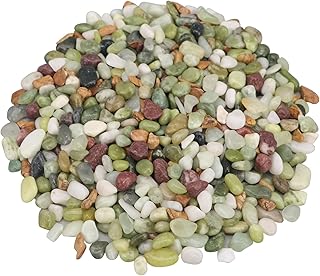
Brighten your terrarium with colorful pebbles that add a fun pop of personality. These vibrant stones not only enhance the visual appeal but also aid in drainage. After laying down your primary soil or gravel layer, sprinkle colorful pebbles on top for a creative finish.
Mix small, round pebbles or polished stones for a refined look. Aim for a palette that complements your chosen plants. The pebbles allow sunlight to filter through, reflecting off their surfaces and creating a lively atmosphere.
Steps to incorporate colorful pebbles:
– Choose vibrant colors for contrast
– Layer pebbles over soil for a creative finish
– Experiment with shapes for unique designs
This lively base layer adds a personal touch to your terrarium and can spark delightful conversations in your indoor gardening space.
Fun fact: a 1/4-inch layer of colorful pebbles can boost drainage by about 20%. Drop them on top after the soil and watch sunlight dance off polished stones for a lively terrarium base.
Colorful Pebbles for Contrast
Editor’s Choice

YISZM 2LB Succulent and Cactus Gravel Pebbles, 1/5 Inch Natural Decorati…
Pulovin 2.5 lbs Drainage Rocks for Potted Plants, 1/5 Inch Small Pebbles…
6. Textured Coconut Fiber
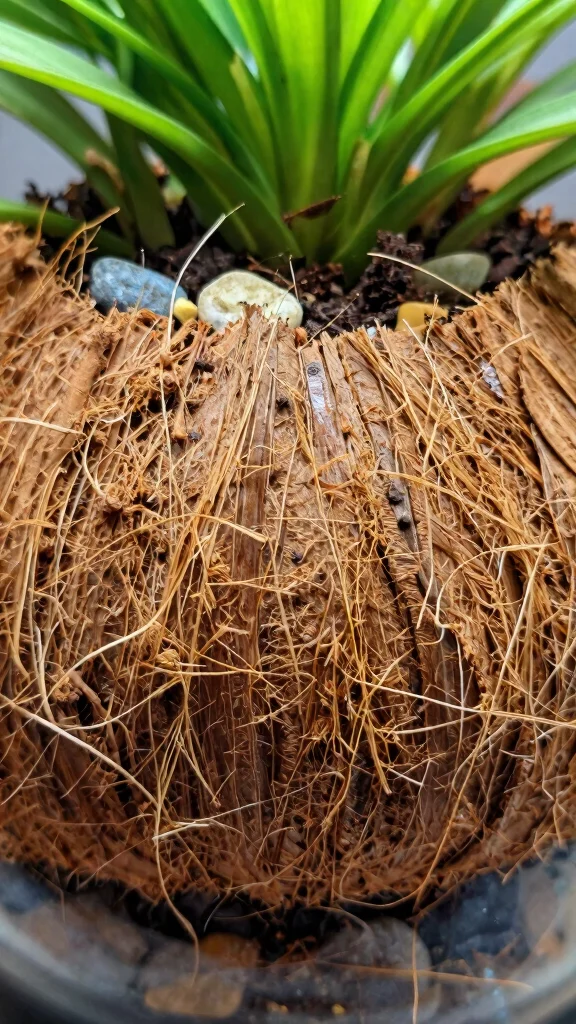
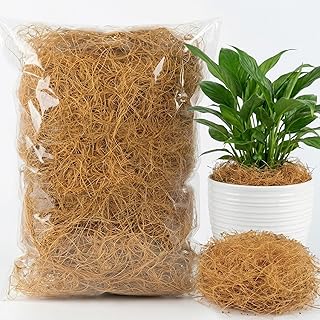
For an eco-friendly base, textured coconut fiber is an excellent option. This natural material is lightweight and promotes drainage while offering a unique look for your terrarium. Start by laying down a layer of coconut fiber at the bottom of your glass container.
Coconut fiber supports plant roots and retains moisture without becoming too soggy, making it ideal for tropical plants. Pair it with stones or charcoal to enhance both function and appearance.
Ways to use coconut fiber effectively:
– Layer it for an earthy look
– Combine with stones for stability
– Use with tropical plants for optimal growth
This innovative base allows you to explore different plant care strategies, creating a thriving environment for your miniature landscape.
Textured Coconut Fiber
Editor’s Choice

Legigo 2 QT Horticultural Charcoal- Natural Charcoal for Plants, Biochar…
MAQIHAN Natural Coconut Husk Fiber – Organic Coconut Husk Silk for Plant…
Landscaping Pebbles,River Rocks,Decorative Ornamental Pebbles,Garden Lan…
7. Natural Stone Layers
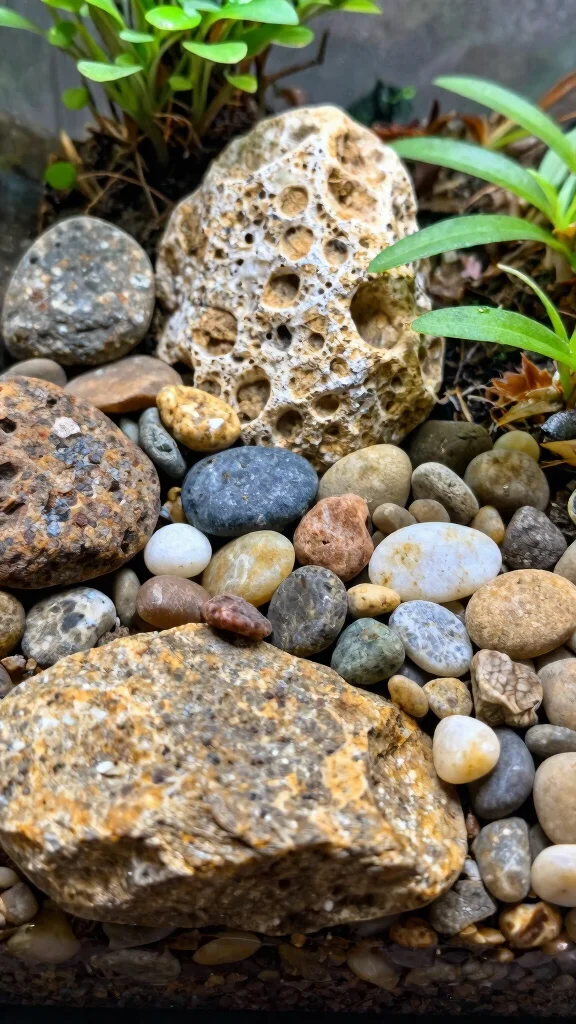
If you appreciate a rugged aesthetic, layering natural stones can create a stunning terrarium base. This method is both beautiful and practical, promoting drainage while enhancing visual appeal. Choose various sizes of natural stones for your terrarium base.
Arrange them in layers, with larger stones at the bottom for stability. This layered approach creates depth and interest, making your indoor garden feel like a miniature landscape.
Tips for using natural stone layers:
– Select a variety of stone sizes for texture
– Ensure larger stones are at the bottom
– Mix colors to evoke natural landscapes
This natural stone base not only supports plant health but also invites creativity into your terrarium design.
You Might Also Like

Natural Stone Layers
Editor’s Choice

FANTIAN 20 lbs Large River Rocks for Outdoor Landscaping, 3-4 Inch Decor…
8. Whimsical Sand Layers
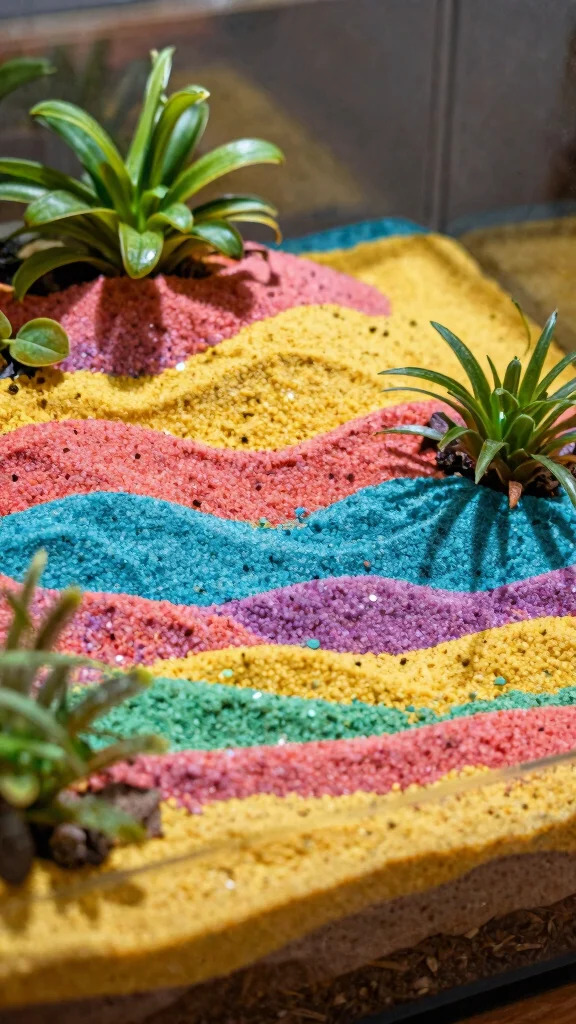
Add a playful element to your terrarium with whimsical layers of colored sand. This option lets your creativity shine while enhancing the theme of your miniature garden. Start with a basic drainage layer, then add colorful sand in various hues.
Create patterns or stripes for added flair. This technique allows you to express your personal style and adds visual interest to your terrarium design.
Ways to use colored sand:
– Layer different hues for a vibrant look
– Create patterns for visual appeal
– Choose colors that evoke a specific theme
This delightful approach combines beauty with practicality, as the sand layers help regulate moisture levels while showcasing your unique design.
Whimsical Sand Layers
Editor’s Choice

Mosser Lee ML1111 White Sand Soil Cover, 5 lb.
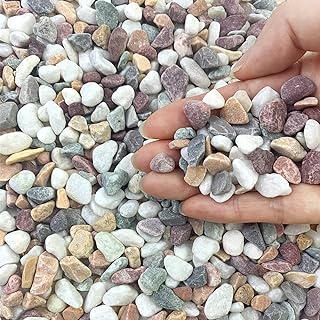
FANTIAN 2 lbs Natural Mixed Color Pea Gravel Pebbles, 3/8 inch Decorativ…
Conclusion
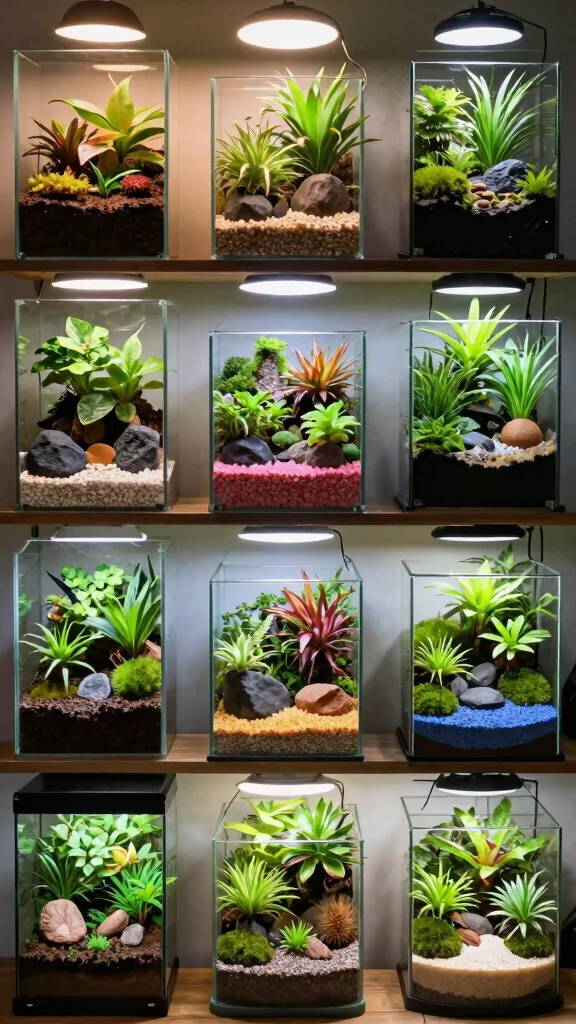
Choosing the right base for your terrarium is the first step towards creating a stunning indoor garden. Each foundation idea has its unique benefits, from promoting plant health to enhancing aesthetic appeal.
Experiment with these eight terrarium base ideas to find the perfect blend of function and style that suits your space. Whether you favor classic potting soil or whimsical colored sand, the possibilities are endless.
Get ready to unleash your creativity and let your glass garden thrive!
Note: We aim to provide accurate product links, but some may occasionally expire or become unavailable. If this happens, please search directly on Amazon for the product or a suitable alternative.
This post contains Amazon affiliate links, meaning we may earn a small commission if you purchase through our links, at no extra cost to you.
Frequently Asked Questions
Question: What is the best terrarium base for a glass garden and why does it matter?
A solid terrarium base is the foundation of a thriving glass garden and makes indoor gardening much easier. For most setups, start with a drainage layer (about 1–2 inches) of small pebbles or lava rock to prevent waterlogged roots.
Add a thin activated charcoal layer to keep soil fresh and odors at bay, especially in closed terrariums.
Place a breathable barrier (like a mesh or a thin layer of sphagnum moss) to stop soil from sinking into the drainage, then add your main soil mix tailored to plant needs (tropicals for rainforest vibes, lighter mixes for succulents).
In short, your terrarium base should balance drainage, moisture retention, and plant needs—at the heart of any good DIY terrariums design for indoor gardening.
Question: How should I layer the terrarium base for optimal drainage and plant care tips?
Layering is where your terrarium base truly shines. Start with a drainage layer (1–2 inches) of pebbles to prevent soggy roots. Add a thin activated charcoal layer to filter water and keep the glass garden fresh, especially in closed setups.
Place a breathable barrier (mesh or a small sheet of sphagnum moss) over the drainage to stop soil from sinking in. Then fill with a well-draining soil mix tailored to your plant type (richer mix for tropicals, lighter mix for succulents).
Finish with a decorative top layer such as moss or sand. This balanced terrarium base supports healthy roots and makes DIY terrariums easier to manage in indoor gardening.
Question: Can I adapt the terrarium base for different plant types in DIY terrariums?
Absolutely. The same terrarium base concept can be tailored for different plants in DIY terrariums. First, know your plant’s moisture needs. For tropical rainforest plants, use a richer soil mix with peat or coco coir and some perlite for aeration. For succulents or cacti, go lighter with a sandy soil mix and a bit more drainage. For mosses and ferns, incorporate extra moisture-retentive components like sphagnum moss and coco coir. Keep the drainage layer and a thin activated charcoal layer in place, but adjust soil texture and watering frequency to fit your plants. That flexibility is at the heart of glass garden ideas and indoor gardening success.
Question: What common mistakes should I avoid when choosing or layering a terrarium base?
Here are common terrarium base mistakes to avoid: using heavy garden soil that compacts and smothers roots; skipping a proper drainage layer or barrier, which leads to waterlogged soil; not tailoring the soil mix to plant needs and container size; overwatering in closed systems, which causes mold and rot; and neglecting to rinse or clean decorative additions that can introduce pests. By avoiding these errors, your terrarium base stays healthy and your indoor gardening project thrives.
Question: How often should I refresh or maintain the terrarium base in indoor gardening?
Maintenance is ongoing but simple. Check moisture and condensation monthly, and adjust watering as needed. If you notice persistent mold or rotting roots, replace the affected area of the terrarium base. Open the lid briefly every few weeks in closed setups to refresh air and prevent humidity buildup. Top up soil or replace the top 1–2 cm if the mix becomes compacted or degraded. Consider a full refresh of the terrarium base every 1–2 years to keep your glass garden ideas thriving and your indoor gardening on track with solid plant care tips.
Related Topics
terrarium base
indoor gardening
DIY terrariums
glass garden ideas
miniature landscapes
plant care tips
beginner friendly
advanced techniques
creative designs
seasonal decor
eco-friendly gardening