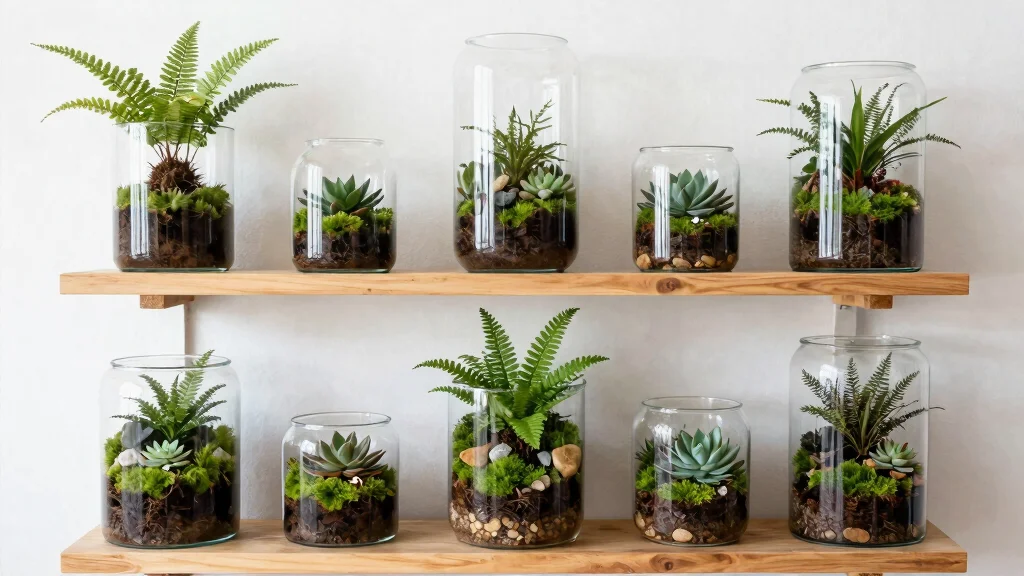
Creating a lively indoor garden has never been easier or more fun, and that’s exactly why I’m excited to share these vertical terrarium ideas with you! With urban living spaces getting smaller, many of us are craving ways to bring the outdoors inside. Vertical gardening is one of the best solutions to this dilemma. It transforms bare walls into stunning living art, providing both beauty and fresh air in our homes.
If you’re someone who loves indoor gardening, or if you’re just starting out on your green-thumb journey, this guide is for you. Whether you want to spruce up a small apartment or add a dash of nature to your office, these vertical terrarium ideas will inspire you to create your own lush oasis. I’ve compiled eight unique concepts that are not only visually appealing but also perfect for maximizing limited space.
By the end of this post, you’ll have a treasure trove of terrarium designs to choose from. You’ll learn how to incorporate various materials and plants into your decor, and you’ll discover practical tips to make your living wall thrive. Let’s dive into the world of vertical terrariums and unleash the potential of your indoor spaces!
Key Takeaways
– Variety of Designs: Explore eight creative vertical terrarium ideas that cater to different styles, from whimsical hanging glass globes to modern wall-mounted frames.
– Space-Saving Solutions: Discover how these terrarium designs can maximize even the smallest spaces while adding a fresh touch of greenery.
– Plant Choices Matter: Learn which plants thrive best in a vertical setup and how to select them based on your indoor conditions and aesthetic preferences.
– DIY Potential: Get inspired to create your own terrariums using recycled materials, geometric shapes, or seasonal swaps to keep your decor dynamic and eco-friendly.
– Year-Round Enjoyment: Understand the benefits of maintaining your terrariums through seasonal changes, ensuring your living wall stays fresh and inviting throughout the year.
1. Hanging Glass Globes for a Whimsical Touch
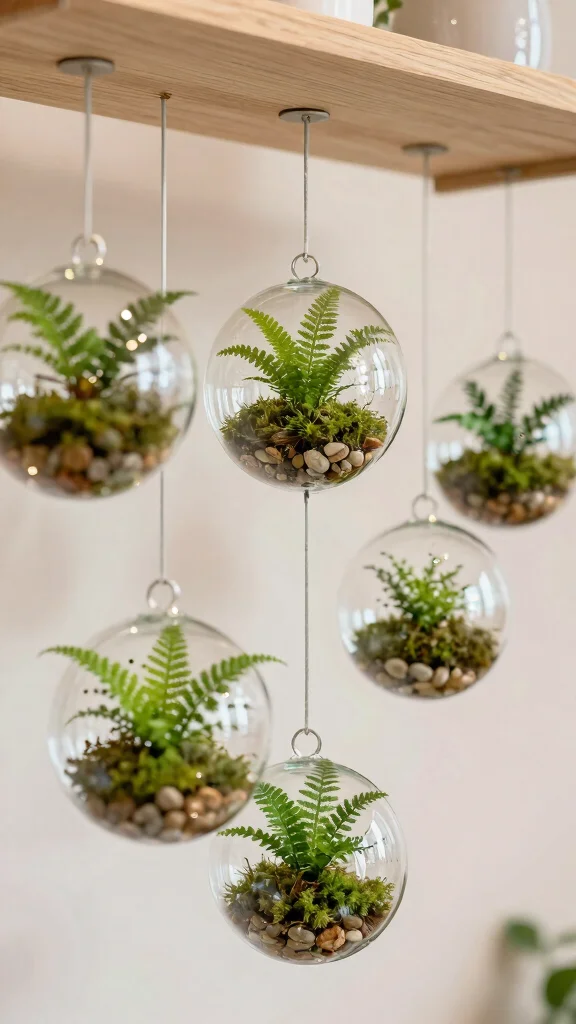
Hanging glass globes add a whimsical charm to your vertical terrarium display. Their spherical shapes create a playful atmosphere, making them perfect homes for air plants and moss. You can hang these enchanting pieces from the ceiling or position them on a wall-mounted shelf to achieve a floating garden effect that captivates the eye.
To make the most of this design, cluster globes at varying heights for depth and interest. Incorporate decorative stones or colored sand at the base to enhance the visual appeal. Using a mix of small ferns or colorful succulents brings vibrancy while keeping your plants healthy.
Consider these ideas to elevate your space:
– Pair hanging globes with delicate string lights for added sparkle
– Install globes in groups of three for a cohesive look
– Use contrasting plants like succulents with soft moss for variety
– Incorporate colorful pebbles to brighten the base of each globe
This approach not only creates an inviting ambiance but also showcases the beauty of your plants through the glass, bringing an elegant touch to your decor.
Hanging Glass Globes for a Whimsical Touch
Editor’s Choice

Shop Succulents | Assorted Collection of Tropical Tillandsia Air Plant K…

Landscaping Pebbles,River Rocks,Decorative Ornamental Pebbles,Garden Lan…

6pcs Hand-Blown Glass Ornaments Balls Hanging Glass Balls Witches Ball G…
2. Wall-Mounted Terrarium Frames for a Modern Look
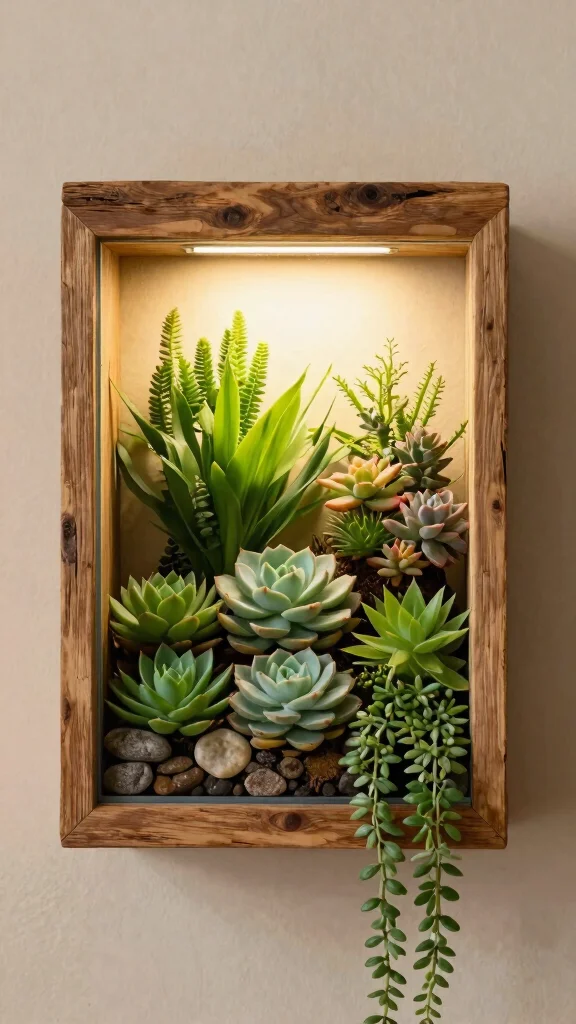
Wall-mounted terrarium frames offer a bold and modern aesthetic, perfect for showcasing a variety of plants. These stylish frames, often resembling shadow boxes, can house everything from succulents to tropical varieties, turning your greenery into living art. They are particularly beneficial in smaller homes, where every square inch counts.
To create a unique display, experiment with reclaimed wood or metal frames for a rustic or industrial vibe. Layering plants, such as trailing varieties like string of pearls, can add a beautiful cascading effect. Consider placing LED strip lights behind the frame for a soft glow that highlights your living wall.
Enhance your design with these tips:
– Incorporate a mix of plant types for varied textures
– Use geometric frames to add visual interest
– Layer different heights of plants for depth
– Personalize with small decorative elements like stones or figurines
This setup not only beautifies your walls but also allows for easy maintenance and a personal touch in your home.
Fun fact: a compact wall-mounted terrarium frame can add dramatic height in under a square foot, turning a 2-foot wall into a living art gallery. With trailing varieties and reclaimed wood frames, you’ll boost your vertical terrarium display without crowding tiny spaces.
📹 Related Video: i made a terrarium in a picture frame (shadow box) diy living wall
Wall-Mounted Terrarium Frames for a Modern Look
Editor’s Choice

Shadow Photo Frame,Wooden Double-Sided High-Definition Plexiglass Storag…
3. Vertical Planter Boxes for a Farmhouse Feel
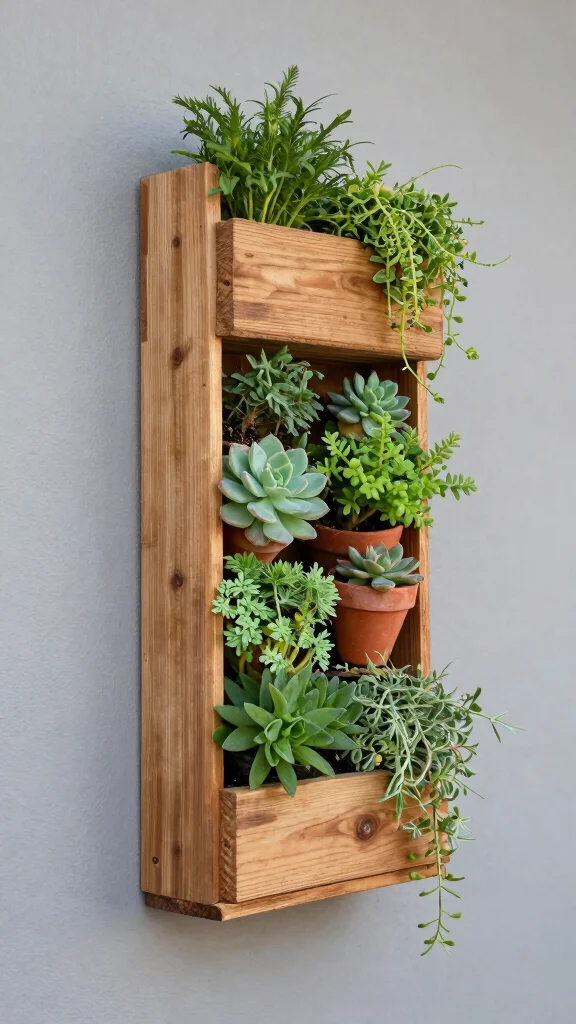
Vertical planter boxes bring a rustic farmhouse vibe to your indoor gardening. These versatile boxes can be mounted on walls or placed on shelves, allowing you to create a stunning vertical garden. They provide ample space for a delightful mix of herbs, flowers, or even small vegetables, making gardening both practical and beautiful.
Opt for reclaimed wood for a more authentic rustic feel. Pair the wood with a variety of plant textures, like trailing ivy alongside robust succulents, to create eye-catching contrasts. Bright pots can add splashes of color to your display, enhancing the overall look.
Try these strategies for your vertical planter boxes:
– Install them at varying heights to create visual layers
– Mix herbs and flowering plants for a functional garden
– Use lightweight materials for easy mounting
– Add colorful pots to brighten the arrangement
This design not only serves a practical purpose but also enhances the warmth and character of your space.
Vertical Planter Boxes for a Farmhouse Feel
Editor’s Choice

My Barnwood Frames Reclaimed Wood Planter Box with Metal Brackets (Large…
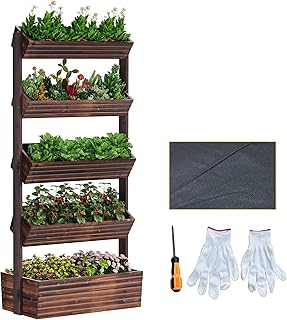
Vertical Wooden Raised Garden Bed Planters Wood Planter Kit Plant Stand …
4. Geometric Terrarium Shapes for a Contemporary Touch
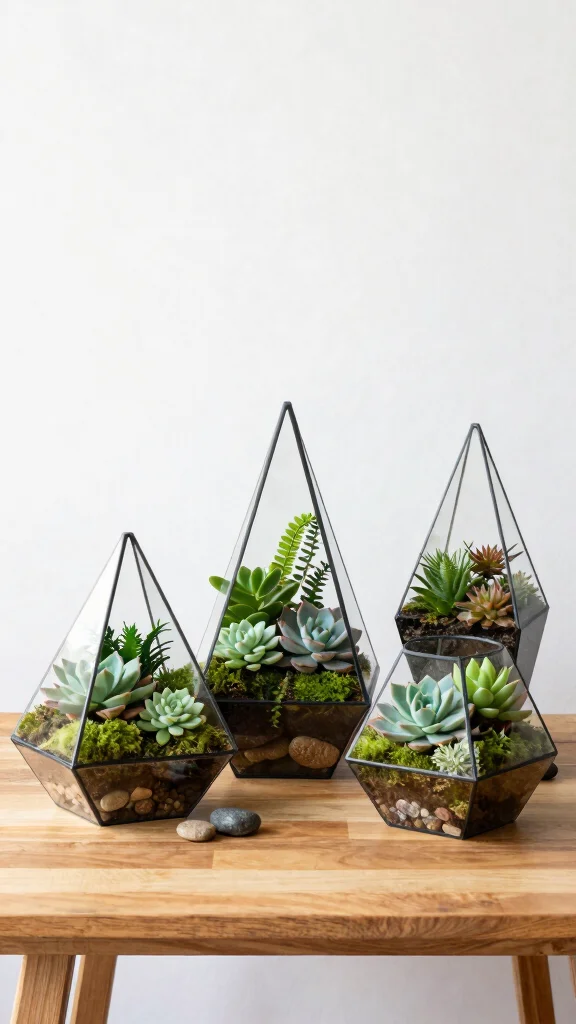
Geometric terrarium shapes, such as pyramids or hexagons, make a striking addition to your indoor plants. These unique designs not only serve as eye-catching decor but also provide an engaging environment for your plants. Their sharp lines and angles perfectly complement modern interior styles.
When selecting plants for these terrariums, aim for those with contrasting textures and colors to create visual intrigue. Placing your terrariums near natural light sources helps keep the plants vibrant and healthy. Decorative elements like colored sand can further enhance the aesthetic appeal.
Consider these tips for your geometric terrariums:
– Pair smooth succulents with fluffy moss for contrast
– Position terrariums on shelves at different heights
– Use transparent containers for maximum light exposure
– Add decorative stones to tie in your room’s color scheme
This approach not only elevates your decor but also highlights the beauty of your plants through artistic design.
You might also like

Geometric Terrarium Shapes for a Contemporary T…
Editor’s Choice

Mkono 4 Inches Mini Glass Geometric Terrarium Container Set of 3 Modern …

Back to the Roots 100% Organic Succulent & Cacti Mix (6 Quart) | Made in…

Pulovin 2.5 lbs Drainage Rocks for Potted Plants, 1/5 Inch Small Pebbles…
5. Recycled Material Terrariums for Eco-Friendly Decor
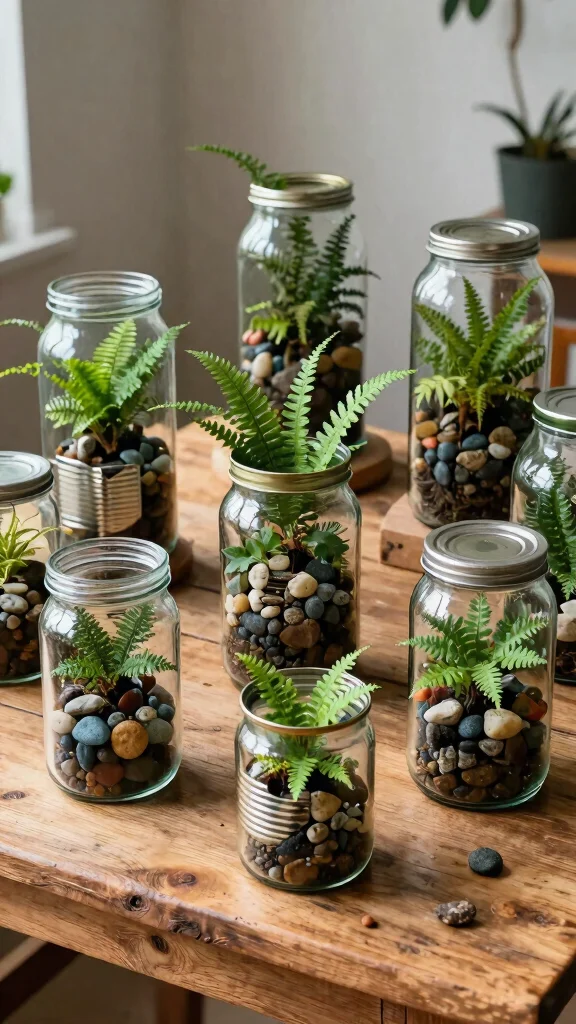
Using recycled materials for terrariums is a creative and sustainable way to bring greenery into your home. Items like glass jars, old bottles, or tin cans can be transformed into unique planters that reflect your personal style. This eco-friendly approach not only showcases your creativity but also supports a greener planet.
Start by cleaning and prepping your recycled containers. Layer soil, stones, and plants to create stunning arrangements that breathe life into your space. Mixing various plant heights and textures adds visual interest and excitement to your design.
Implement these ideas for your recycled terrariums:
– Use jars of different shapes for a dynamic display
– Incorporate small figurines for a whimsical touch
– Layer colorful gravel for added dimension
– Experiment with plant combinations for uniqueness
This style not only enhances your decor but also sparks conversations about creativity and sustainability.
Turn everyday recycled jars and containers into a stunning vertical terrarium—eco-friendly decor that reflects your personal style. Start by cleaning, then layer soil, stones, and plants to breathe life into small spaces. This simple, sustainable project keeps your greens thriving and the planet happier.
Recycled Material Terrariums for Eco-Friendly D…
Editor’s Choice
Pulovin 2.5 lbs Drainage Rocks for Potted Plants, 1/5 Inch Small Pebbles…

15-Piece Terrarium Kit with Live Moss – DIY Glass Globe Set with Tools…
Back to the Roots 100% Organic Succulent & Cacti Mix (6 Quart) | Made in…
6. Shelving Units with Integrated Terrariums for a Functional Display
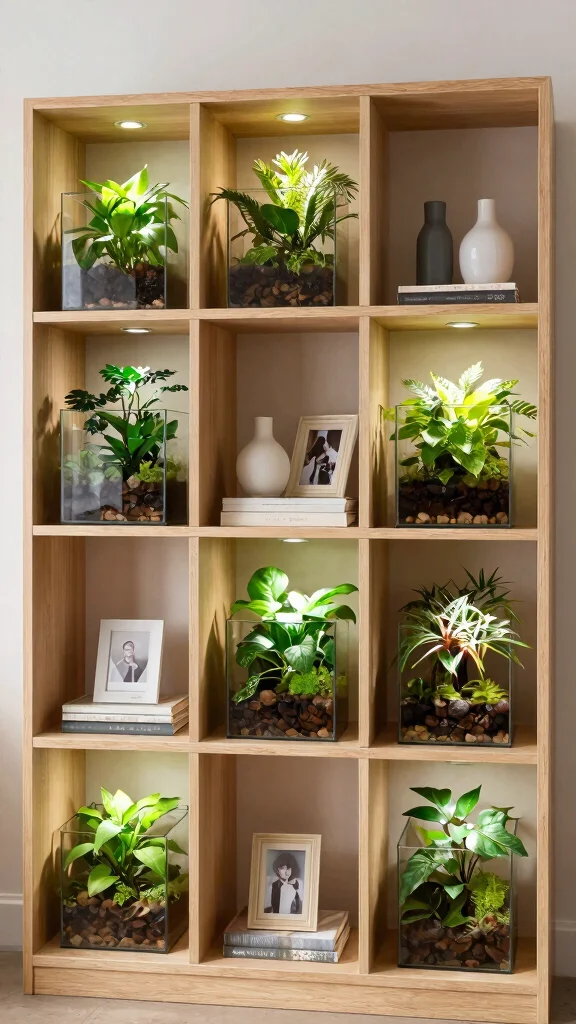
Integrating terrariums into shelving units is a smart way to maximize your space while adding beauty. This setup allows you to showcase books and decorative items alongside your greenery, creating a functional yet stylish display. It’s the perfect solution for those wanting to blend aesthetics with practicality.
Choose shelves that accommodate varying heights to create layers of interest. Mixing different terrarium types, like hanging globes and traditional pots, enhances the visual appeal. Opt for light wood or metal shelves to keep the look modern and cohesive.
Consider these tips for integrated terrarium shelves:
– Arrange items to avoid overcrowding plants
– Use plants with similar light needs for easy care
– Incorporate decorative elements for personalization
– Vary the size of terrariums for added interest
This design not only optimizes your space but creates a captivating display that invites nature into your home.
Restyle your shelves with vertical terrarium setups and watch your small space feel instantly bigger. When books, plants, and tiny glass worlds share the same level, every shelf becomes a mini courtyard—functional, beautiful, and totally doable for any room.
Shelving Units with Integrated Terrariums for a…
Editor’s Choice

Bamworld Window Plant Hanger Indoor 63in Hanging Planters for Indoor Pla…

Bamworld Plant Stand Indoor Plant Shelf Outdoor Wood Plant Rack for Mult…

Simple Trending Plant Stand 5-Tier Plant Shelf for Indoor Outdoor, Water…
7. Layered Terrariums for Depth and Dimension
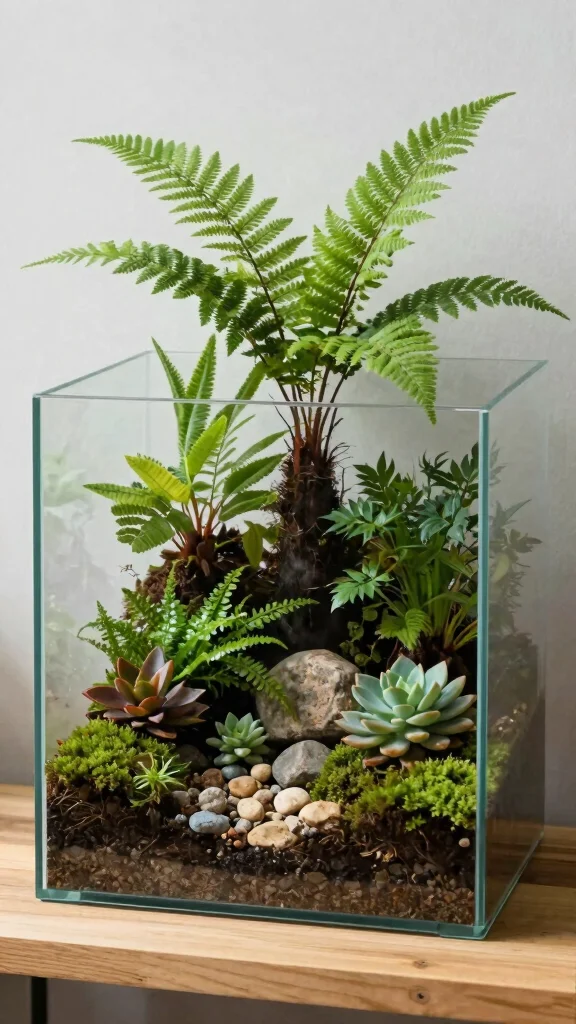
Layering terrariums creates a stunning sense of depth and dimension in your indoor garden. By stacking various plants at different heights, you can craft a visually dynamic space that feels alive. This trend is perfect for those who appreciate detail and creative expression.
Start with a solid base of soil, positioning taller plants in the back to provide shade for smaller ones in front. Incorporating decorative elements like stones or driftwood enhances the layered look. Using transparent containers ensures that light reaches all layers, promoting healthy growth.
Try these techniques for layered terrariums:
– Combine plants with varying colors and textures for interest
– Position layers to create a cascading effect
– Add natural elements to enhance the design
– Ensure proper watering for all layers
This innovative approach not only showcases your personal style but also highlights the beauty of nature within your home.
You Might Also Like

Layered Terrariums for Depth and Dimension
Editor’s Choice

Miracle-Gro Moisture Control Potting Mix – Plant Soil For Container Plan…

YISZM 2LB Succulent and Cactus Colorful Pebbles, 3/8 Inch Pebbles for In…

WGVI Clear Slant Cut Bowl Glass Vase, Glass Terrarium, Candy Dish, Glass…
8. Seasonal Terrarium Swaps for Year-Round Freshness
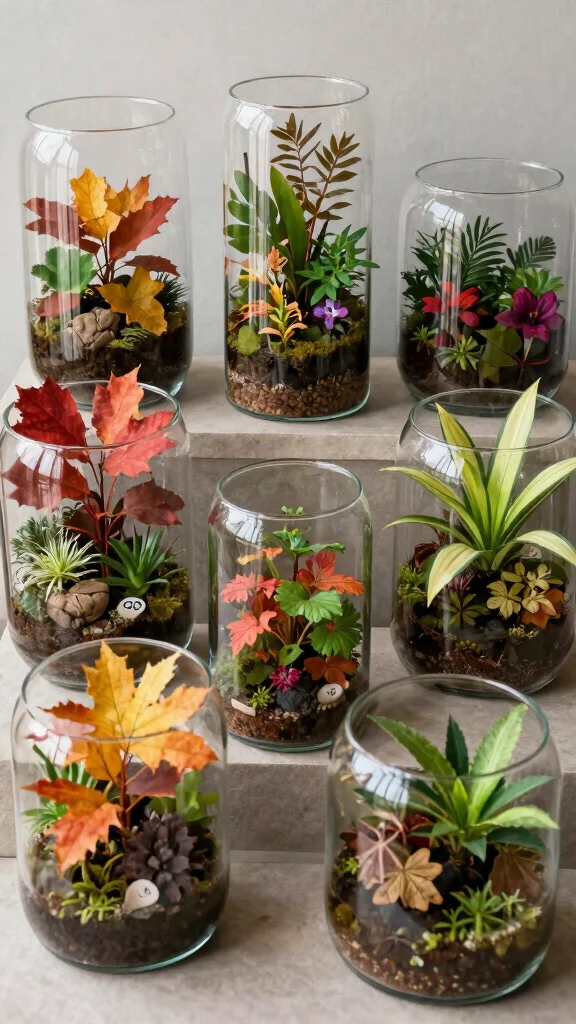
Seasonal terrarium swaps keep your indoor garden vibrant and exciting throughout the year. By rotating your plants according to the seasons, you can create a dynamic environment that reflects nature’s beauty. This practice not only keeps your space lively but also allows you to explore a variety of plant life.
Engage with seasonal favorites, like colorful fall leaves or spring blooms, to maintain excitement in your terrarium. Regularly updating your plants ensures that you remove any that have run their course, replacing them with fresh options. Using clear containers showcases the changing beauty within your display.
Consider these tips for seasonal swaps:
– Use seasonal colors to enhance your decor
– Rotate plants to keep the display fresh
– Incorporate elements that reflect seasonal themes
– Maintain proper care routines for plant health
This approach not only brings continuous freshness to your space but keeps you actively involved in your gardening journey.
How To Choose the Right Vertical Terrarium
Choosing the right vertical terrarium can make all the difference in your indoor gardening journey. A living wall can add charm and greenery to any space, but it’s essential to pick one that suits your needs. Here are some key factors to consider:
1. Size
Consider the size of the space where you plan to hang your vertical terrarium. Measure the area and determine how much vertical space you want to fill. A large wall can accommodate bigger terrariums, while smaller spaces may require compact designs. Remember, balance is key; you don’t want your terrarium to overwhelm the room or look lost in a large area.
2. Material
Vertical terrariums come in various materials, including glass, plastic, and wood. Glass offers elegance but can be fragile. Plastic is lightweight and durable, making it great for high-traffic areas. If you prefer a rustic look, wooden frames add warmth but may require additional care to prevent water damage. Choose a material that fits your style and the intended location of your terrarium.
3. Plant Selection
The type of plants you choose will impact your terrarium’s success. Some plants thrive in humidity, while others prefer drier conditions. Consider low-light plants like ferns and pothos for indoor spaces. Make sure to pair plants with similar care requirements to keep them healthy. Research or consult with a local nursery to find plants that will thrive together.
4. Drainage and Watering
Proper drainage is crucial for the health of your plants. Look for terrariums that feature drainage holes or consider adding a layer of pebbles at the bottom. You want to ensure excess water can escape, preventing root rot. Additionally, think about how you’ll water your plants. Some terrariums may be easier to maintain with a removable container, while others might require more delicate watering techniques.
5. Style and Design
Vertical terrariums come in many styles, from modern geometric shapes to rustic frames. Choose a design that complements your existing decor. If your home has a contemporary vibe, opt for sleek lines and geometric shapes. For a cozy, farmhouse feel, consider wooden or vintage-inspired terrariums. The right design can enhance your space and create a focal point.
6. Budget
Terrariums can range in price from budget-friendly options to high-end designs. Set a budget before you shop and stick to it. Keep in mind that while some cheaper options may look appealing, investing a little more can get you a durable, stylish terrarium that lasts longer. Prioritize quality over quantity for the best results.
Pro Tip: Before making a final decision, visualize how the terrarium will fit into your space. Use painter’s tape to outline where it will hang, helping you visualize the size and placement effectively. This step can save you time and money in the long run!
Seasonal Terrarium Swaps for Year-Round Freshness
Editor’s Choice

4Pcs Aquascaping Tools, Jeimier Aquascape Kit, Long and Strong Aquarium …

Altman Plants Live Houseplants (12PK), Indoor Plants for Delivery Prime,…

Cute Farms Terrarium Starter Kit | Moss, Vermiculite, Soil, Pebbles, Pla…
Conclusion
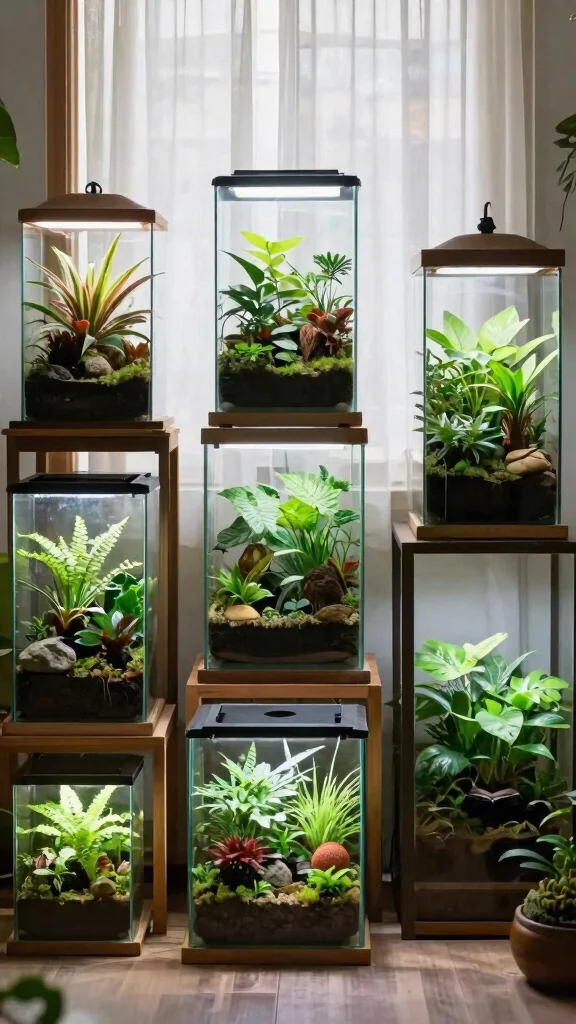
Vertical terrariums offer an innovative way to add greenery to any space while keeping it stylish and organized. From whimsical hanging globes to functional shelving units, the options are endless and tailored for every taste and space.
These living wall ideas not only beautify your home but also provide a calming touch of nature. So why not start your indoor gardening journey today? Your small space can become a stunning living wall that’s not just beautiful but also a reflection of your unique style.
Note: We aim to provide accurate product links, but some may occasionally expire or become unavailable. If this happens, please search directly on Amazon for the product or a suitable alternative.
This post contains Amazon affiliate links, meaning we may earn a small commission if you purchase through our links, at no extra cost to you.
Frequently Asked Questions
What exactly is a vertical terrarium, and how can I start building a living wall in a small space?
A vertical terrarium is a mini garden you mount or stack on a wall, using a transparent container or modular panels to grow plants in a compact space.
Start by choosing your setup (hanging panels, framed enclosures, or pocket planters) and a layout that fits your wall.
Pick plants that thrive indoors and enjoy humidity, such as moss, small ferns, and tropical peperomia; combine upright and trailing varieties for texture.
Layer your base: a drainage layer, a thin coat of activated charcoal, a light sphagnum moss cap, and a breathable potting mix.
Assemble from the bottom up, plant with care, then mount in indirect light. If your space is very bright, use a small LED grow light to keep colors vibrant. Water sparingly and ensure good air circulation to prevent mold.
With consistent pruning and occasional rotation, you’ll have a stunning living wall ideas turned into a vertical terrarium display in any room.
Which plants work best for indoor vertical terrariums and how do I choose between closed vs open designs?
For a lush, low-hassle look, start with a mix of moisture-loving plants that stay compact in a vertical terrarium—moss, small tropical ferns, peperomia, fittonia, and selaginella are reliable choices.
Closed terrariums thrive with humidity-loving species like moss and ferns; open or semi-open designs pair well with plants that tolerate drier air, such as tiny pothos cuttings or ivy.
Pro tips: pick 2-3 plants with similar light needs, group them in the same panel, and avoid overwatering. This aligns with terrarium design and indoor gardening fundamentals.
How can I design a vertical terrarium wall that acts as a stylish focal point using living wall ideas?
Think of your wall as a living decor canvas. Start with a cohesive color palette and a mix of leaf shapes to create contrast in your plant decor. Then plan a layout that alternates tall, mid, and trailing plants, so your wall reads from bottom to top. Use modular frames or a grid of shadow boxes to create living wall ideas you can rearrange over time. Add natural accents like stones or driftwood, and clip or tie plants where needed to keep the look tidy. Finish with a discreet LED light to keep colors vibrant and to make the vertical gardening pop even in low light.
Tip: start with one small panel and expand as you get comfortable with routine maintenance.
What maintenance routine keeps a vertical terrarium thriving without turning into a swamp?
The key is consistent, light-touch care. Check soil moisture weekly and mist or water only when the top inch starts to dry for closed systems; for open designs, water a bit more often but never leave water sitting in the tray. Prune dead leaves and leggy stems to maintain shape, and rotate plants every few months so they all get light. Clean the glass monthly to maximize light and prevent algae buildup. If you notice condensation on the glass or a smell of mold, adjust watering and airflow and consider a small fan or desiccant. This simple routine keeps your vertical terrarium healthy and your living wall ideas looking crisp.
Are vertical terrariums beginner-friendly, and what starter kit should I assemble?
Absolutely. A simple starter kit makes a big difference. Pick a lightweight glass panel terrarium or a few wall-mounted pocket frames, then gather base layers: a drainage layer (pebbles or gravel), activated charcoal, a thin sheet of sphagnum moss, and a breathable potting mix. Add 2-3 small tropical plants, like moss-friendly ferns or peperomia, plus a spray bottle and a pair of long tweezers for precise planting. Optional but nice: a slim LED grow light for dim rooms. With a quick 10–15 minute setup and a basic watering plan, you’ll have your first living wall ideas on display in no time. This aligns with terrarium design and indoor gardening goals.
Related Topics
vertical terrarium
living wall ideas
indoor gardening
small space solutions
terrarium design
plant decor
DIY terrarium
modern home decor
easy gardening
beginner friendly
urban jungle
vertical gardening