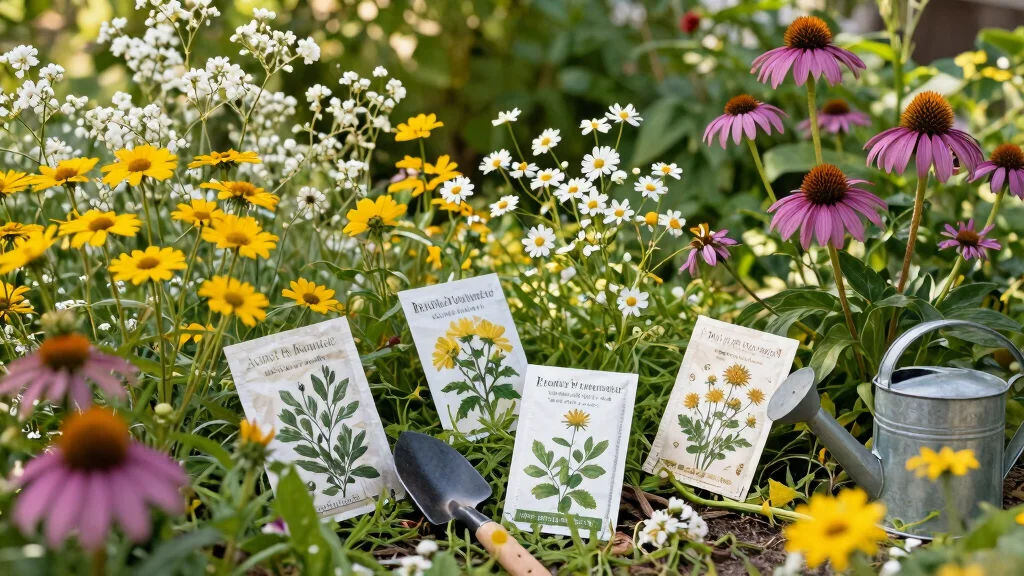
Creating a beautiful meadow filled with stunning wildflowers can feel like a dream. If you’re on a mission to transform your garden space or community area into a vibrant paradise, this post is for you. I wanted to share my passion for low maintenance gardening while providing friendly advice on how to choose the right wildflower seeds. With the growing need for pollinator-friendly spaces, I’m excited to show you how to create an urban meadow that not only looks good but also supports bees, butterflies, and other essential insects.
If you love spending time outdoors and appreciate the beauty of nature, you’ll find this guide especially useful. Whether you’re a seasoned gardener or just starting out, I’ve gathered nine wildflower seed ideas that will help you grow a beautiful and low maintenance meadow. You’ll discover plants that thrive in urban settings, require minimal care, and are perfect for attracting pollinators. This guide is all about making gardening accessible, enjoyable, and rewarding for everyone.
By the end of this post, you’ll have a solid understanding of which wildflower seeds to choose and how to plant them. You’ll not only enhance your outdoor space but also contribute to the ecological health of your area. Let’s dive into the world of wildflowers and bring that meadow to life!
Key Takeaways
– Wildflower Seeds Selection: Choose seeds that are native to your region; they adapt better and support local wildlife.
– Low Maintenance Benefits: Wildflowers often require less water and care, making them ideal for busy gardeners.
– Variety of Colors: A mix of wildflower seeds can create a colorful and diverse landscape, attracting more pollinators.
– Simple Planting Tips: Prepare your soil well and follow the right planting season for the best results with wildflowers.
– Support Pollinator Health: Planting wildflowers contributes to a healthier environment by providing food and habitat for bees and butterflies.
1. California Poppy – The Golden Wonder
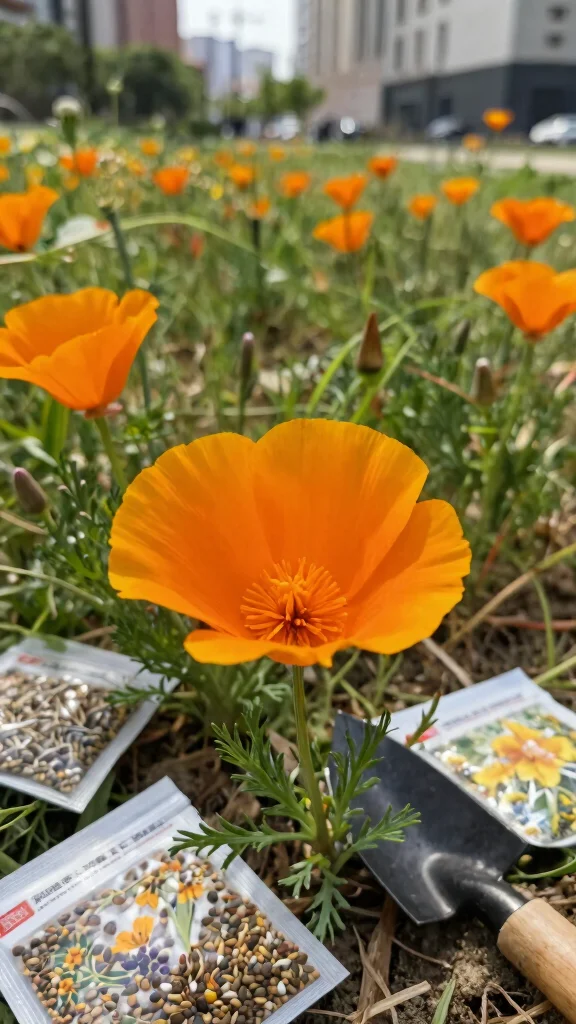
If you’re dreaming of a meadow bursting with color, the California Poppy might just be your perfect match. Its vibrant orange petals and feather-light structure create a stunning visual that thrives even in less-than-ideal soil. Plus, these beauties are drought-resistant, making them an ideal choice for anyone seeking a low-maintenance garden that delights the senses throughout the warmer months.
To achieve a wave-like effect, plant California Poppy seeds in clusters, allowing their golden blooms to sway gracefully in the breeze. Pair them with other wildflowers to create a lively habitat for pollinators, as these flowers attract butterflies and bees effortlessly while requiring very little care.
Quick Tips:
– Sow seeds directly into the soil in early spring.
– Water sparingly to mimic their natural habitat.
– Deadhead spent blooms to encourage more flowers.
California Poppy – The Golden Wonder
Editor’s Choice

Bonviee 5-Pack Seed Starter Trays, Seed Starter Kit with Adjustable Humi…


California Poppy Seeds for Planting, Orange Poppy Flower Seeds, Bulk 50,…

Miracle-Gro Shake ‘N Feed All Purpose Plant Food – Outdoor and Indoor Pl…
2. Black-Eyed Susan – The Eye-Catching Favorite
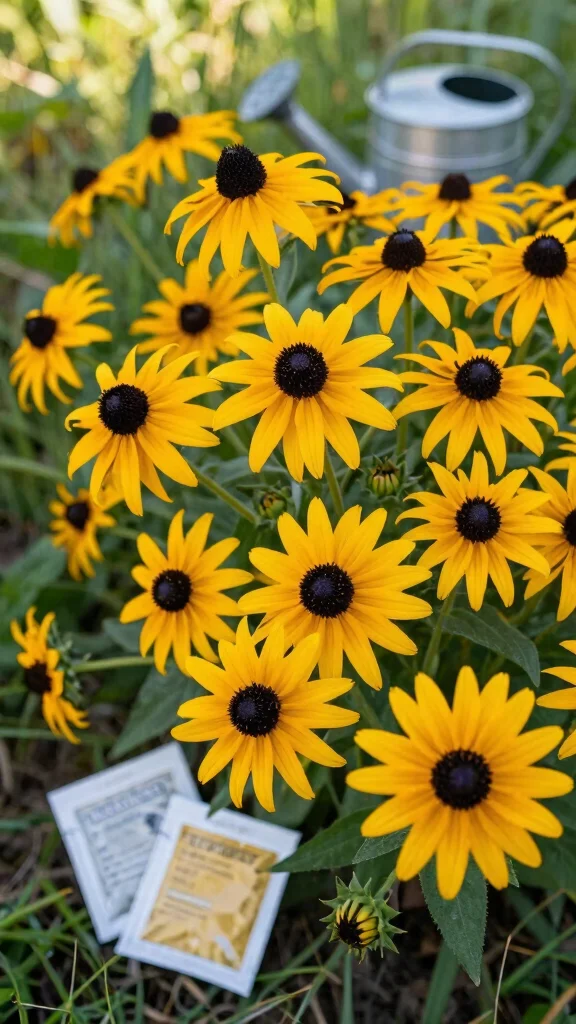
Brighten up your urban garden with Black-Eyed Susans, the cheerful yellow flowers that capture attention with their dark centers. Known for their hardiness, these flowers bloom from summer to fall, making them a fantastic choice for anyone wanting to attract pollinators while enjoying a splash of color. Their resilience means you’ll spend less time watering and more time enjoying their sunny disposition.
For optimal growth, plant Black-Eyed Susans in sunny areas and consider mixing them with taller native plants for a layered garden feel. This variety adds visual interest and creates diverse habitats for beneficial insects, enhancing your garden’s ecosystem.
Quick Tips:
– Space plants about 12-18 inches apart for optimal growth.
– Mix in some native grasses for added texture.
– Allow some flowers to go to seed to support local wildlife.
Did you know Black-Eyed Susans bloom from summer to fall, often for 6–8 weeks? Their hardiness means you’ll spend less time watering and more time enjoying bright, pollinator-friendly wildflower seeds in your urban meadow.
Black-Eyed Susan – The Eye-Catching Favorite
Editor’s Choice

Seed Needs Black Eyed Susan Seeds for Planting | 120,000+ Seeds Rudbecki…

Osmocote Smart-Release Plant Food Plus Outdoor & Indoor1 – Granular, Con…
3. Bee Balm – The Fragrant Attraction
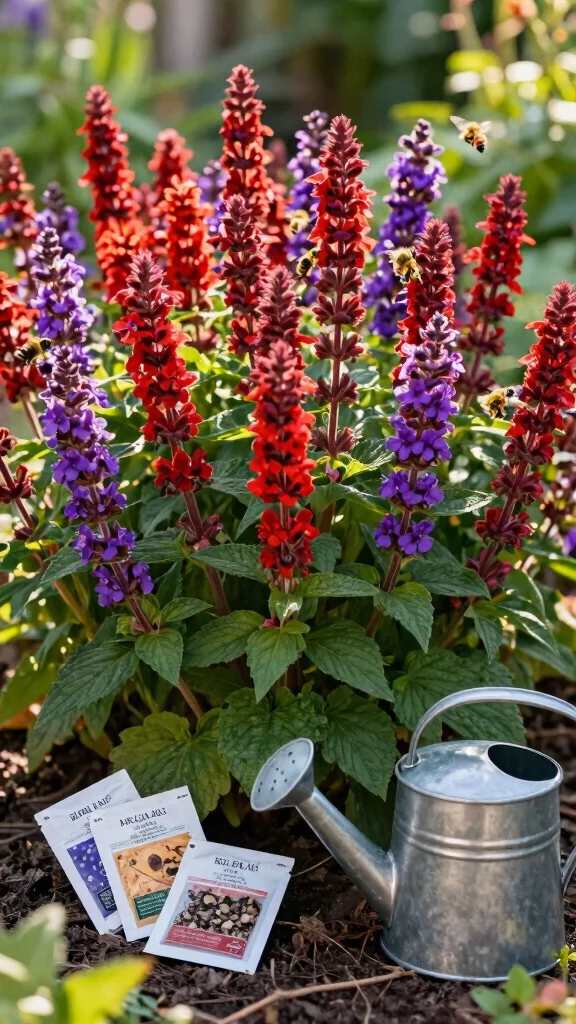
If you want to turn your garden into a haven for bees and butterflies, look no further than Bee Balm (Monarda). With clusters of vibrant flowers in shades of red, pink, and purple, these plants are not only beautiful but also crucial for attracting pollinators. Their nectar-rich blooms are a magnet for bees, hummingbirds, and butterflies, creating a lively atmosphere in your yard.
Plant Bee Balm in moist, well-drained soil where it can bask in full sun. Its tall and bushy stature adds depth to your meadow, providing a lovely backdrop while releasing a delightful fragrance that enhances your outdoor experience.
Quick Tips:
– Plant in a location that gets at least 6 hours of sun daily.
– Monitor for any mildew issues; proper air circulation helps prevent this.
– Regular trimming after blooming can encourage a second bloom.
📹 Related Video: Bee Balm – Monarda Didyma – Complete Grow and Care Guide
Bee Balm – The Fragrant Attraction
Editor’s Choice

Burpee Wildflower 25,000 Bulk, 1 Bag, 18 Varieties of Non-GMO Flower See…

Espoma Organic Flower-Tone 3-4-5 Natural & Organic Plant Food; 4 lb. Bag…
4. Cornflower – The Blue Wonder
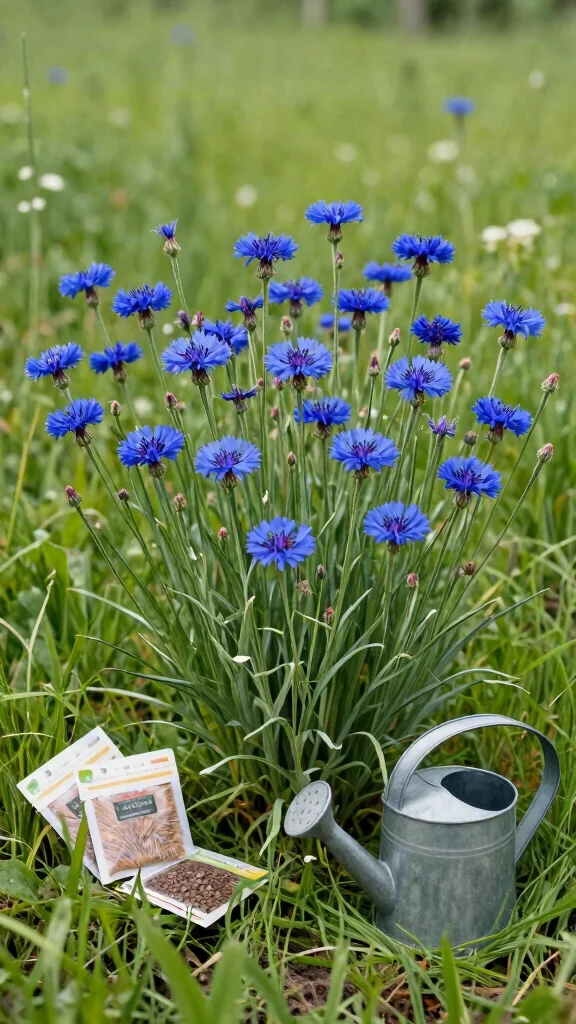
Cornflowers are an enchanting choice for your meadow, celebrated for their striking blue petals. These hardy annuals thrive in full sun and bloom from late spring to early summer, offering an easy way to introduce a pop of color to your space with minimal effort. Their delicate, frilly petals create a lovely contrast against the lush greenery of your garden.
As they self-seed readily, cornflowers will return year after year, making them an excellent low-maintenance option. Pair them with other vibrant wildflowers for a dynamic display, or allow them to shine on their own for a classic touch that also attracts beneficial insects.
Quick Tips:
– Direct sow seeds in the spring or fall for optimal growth.
– Cut flowers regularly to encourage longer bloom periods.
– Mix different varieties for varied colors and sizes.
Cornflower – The Blue Wonder
Editor’s Choice

HOME GROWN Bachelor Button Seeds Tall Blue 6000 & HOME GROWN 𝗨𝗦���…
5. Sweet Alyssum – The Ground Cover Marvel
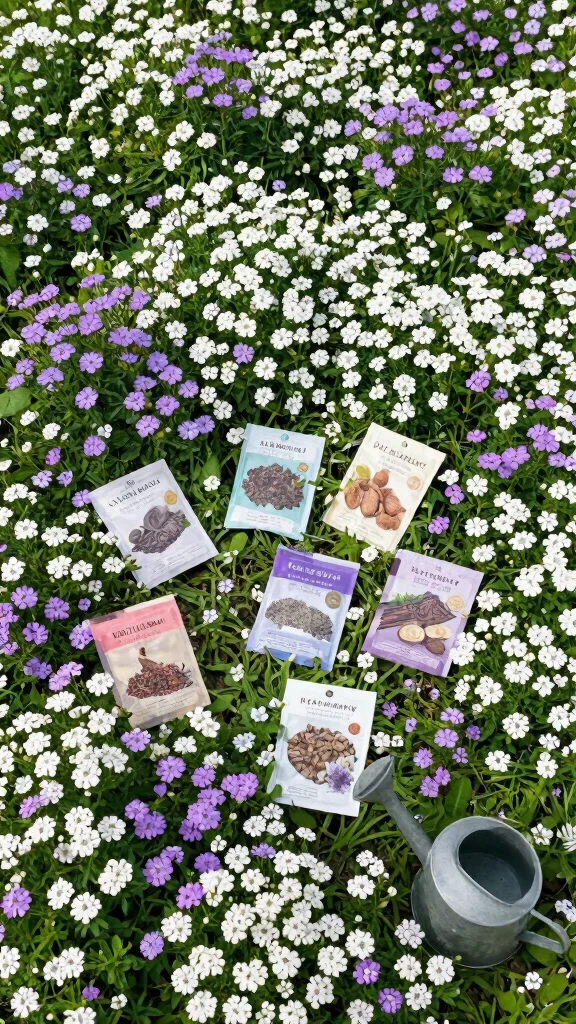
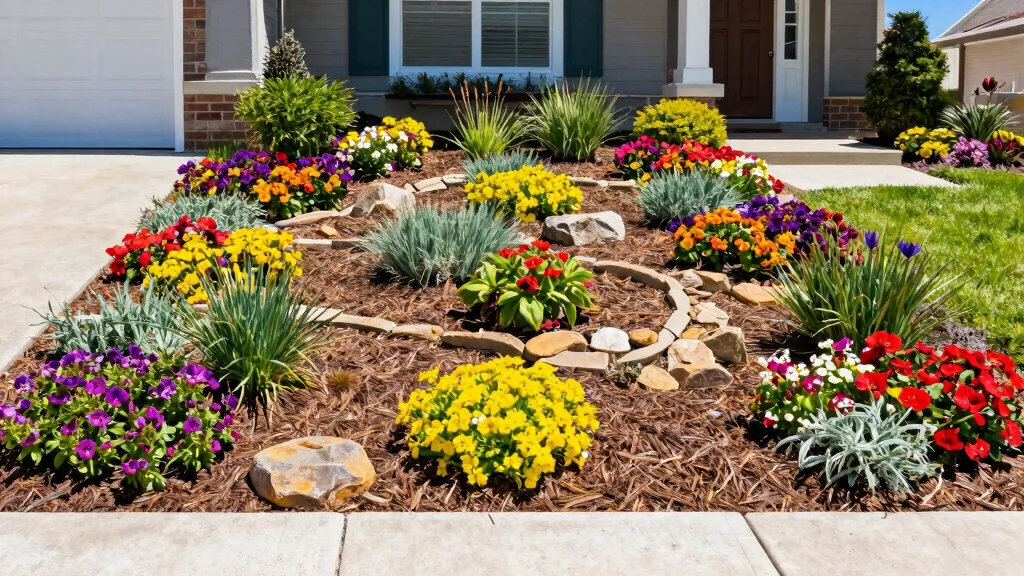
Sweet Alyssum is your go-to for a charming carpet of tiny flowers that not only look stunning but also bring delightful fragrance to your garden. This low-growing plant thrives in poor soil conditions, making it perfect for filling in gaps and enhancing your low-maintenance meadow. Its profuse blooms attract beneficial insects, helping to maintain a vibrant ecosystem.
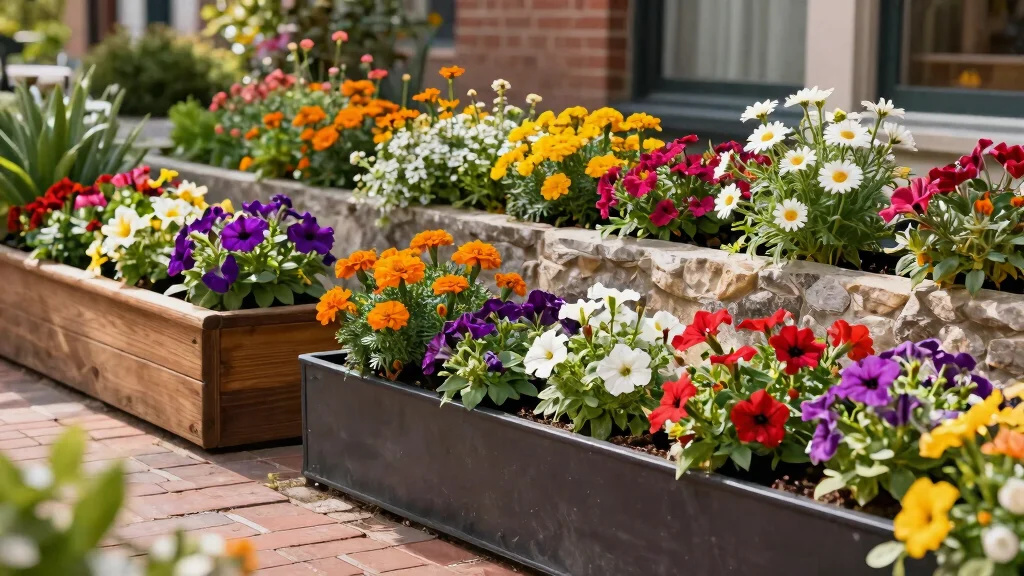
Utilize Sweet Alyssum as a border plant or in containers for added versatility. They require minimal care; just provide sunlight and water occasionally. With these lovely blooms, your garden will be both beautiful and fragrant without a lot of effort.
Quick Tips:
– Directly sow seeds in spring for best results.
– Trim back after flowering for a second bloom.
– Keep soil slightly moist for optimal growth.
You might also like
Sweet Alyssum – The Ground Cover Marvel
Editor’s Choice

Seed Needs Heirloom Alyssum Flower Seed Packet Collection Variety Pack (…

Burpee Natural Purpose Granular 4-Lb Organic Food for Growing Strong Pla…

Miracle-Gro Organic Outdoor Potting Mix – Plant Soil for Outdoor Contain…
6. Purple Coneflower – The Resilient Beauty
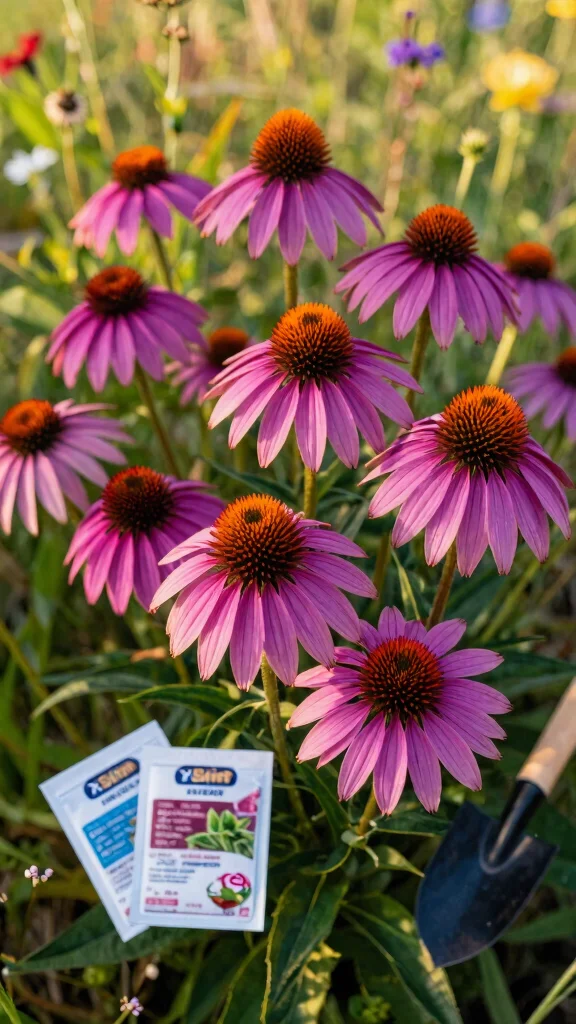
Purple Coneflowers are not just visually striking; they are also incredibly resilient, making them a favorite in urban gardens. These perennials bloom from summer to fall, showcasing large, vibrant purple petals that surround a unique cone-shaped center, adding flair to your meadow. Their robust nature allows them to flourish in various conditions, providing a consistent source of nectar for pollinators.
Pair Purple Coneflowers with other wildflowers to create a colorful tapestry in your garden. As they self-seed, they will return year after year, enhancing the low-maintenance aspect of your space while supporting local wildlife.
Quick Tips:
– Plant in well-drained soil for best results.
– Cut back spent blooms to encourage more flowers.
– Provide adequate spacing for air circulation and growth.
How To Choose Wildflower Seeds for Your Meadow
Choosing the right wildflower seeds for your meadow can seem overwhelming. With so many options available, it’s essential to know what to look for. Here are some key criteria to help you make the best selection for a beautiful and low-maintenance pollinator garden.
1. Seed Type
Consider whether you want a single type of wildflower or a mix. Single types, like California Poppy or Black-Eyed Susan, can create a bold statement. A wildflower mix offers a variety of colors and blooms throughout the seasons. This diversity not only looks stunning but also attracts a wider range of pollinators.
2. Native Plants
Opt for seeds from native plants in your area. Native wildflowers are better suited to local climates and soil types, making them easier to grow. They also support local wildlife, including bees and butterflies. Research which native species thrive in your region to enhance your pollinator garden.
3. Bloom Time
Choose wildflowers with staggered bloom times to enjoy continuous color throughout the growing season. For example, you can plant early bloomers like Sweet Alyssum, followed by summer favorites like Bee Balm, and end with fall bloomers such as Evening Primrose. This strategy keeps your meadow vibrant and inviting all year long.
4. Growth Requirements
Understand the sunlight, water, and soil needs of the plants you select. Some wildflowers thrive in full sun, while others prefer partial shade. Check each seed packet for specific details. Matching the plants to your garden conditions will lead to healthier growth and less maintenance.
5. Seed Quality
Look for high-quality seeds from reputable sources. Quality seeds are often tested for germination rates. This information can help you estimate how many seeds you’ll need. Avoid purchasing seeds from unknown or questionable sources, as they may not produce the desired results.
6. Budget Considerations
Determine your budget for seed selection. While some wildflower seeds can be more expensive, they may offer better germination rates and resilience. Consider starting small with a few seed packets to see how they perform before investing in larger quantities.
Pro Tip: Mix in some low-growing ground covers like Sweet Alyssum to fill spaces and suppress weeds. This approach keeps your meadow looking tidy with less effort!
By following these criteria, you can select the perfect wildflower seeds that align with your vision for a beautiful, low-maintenance meadow. Happy planting!
Purple Coneflower – The Resilient Beauty
Editor’s Choice

Organo Republic Echinacea Seeds Pack 5.5 G – Over 1000 Non-GMO Heirloom …

Wildflower Seeds Bulk Mix – 10,000+ Perennial & Annual Seeds – Texas, Ca…
7. Wildflower Mix – The Colorful Collection
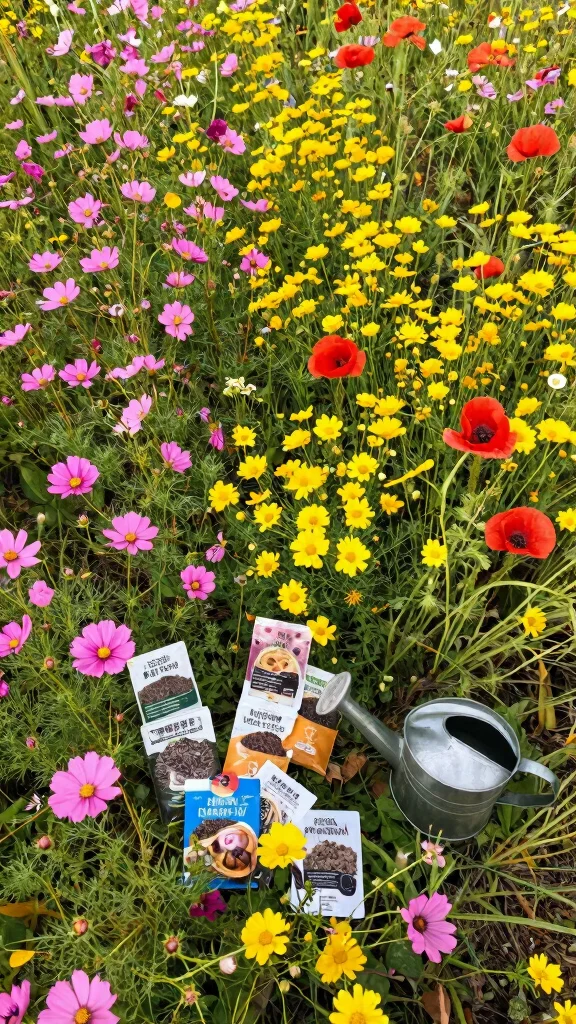
If you’re looking for a lively and diverse garden, a wildflower mix is the perfect solution! These mixes often feature various native plants like cosmos, daisies, and poppies, creating a stunning visual display that changes with the seasons. The unpredictable nature of a wildflower mix means each year brings new surprises, making your garden feel unique and vibrant.
Not only do wildflower mixes beautify your space, but they also support local wildlife, including pollinators and beneficial insects. They’re generally easy to grow and require minimal maintenance, adapting well to a variety of soil conditions, ideal for any urban setting.
Quick Tips:
– Choose a mix that includes native plants for best results.
– Prepare your soil properly before sowing seeds.
– Water regularly until established, then let nature take over.
Fun fact: sow a packet of wildflower seeds and you could see a pollinator-friendly bloom within weeks. For best results, scatter evenly and water regularly—cosmos, daisies, and poppies will color your urban meadow all season.
Wildflower Mix – The Colorful Collection
Editor’s Choice
Burpee Natural Purpose Granular 4-Lb Organic Food for Growing Strong Pla…

HOME GROWN Premium Wildflower Seeds Bulk Mix | 89,000+ Non-GMO Native Pe…
8. Butterfly Weed – The Colorful Pollinator Magnet
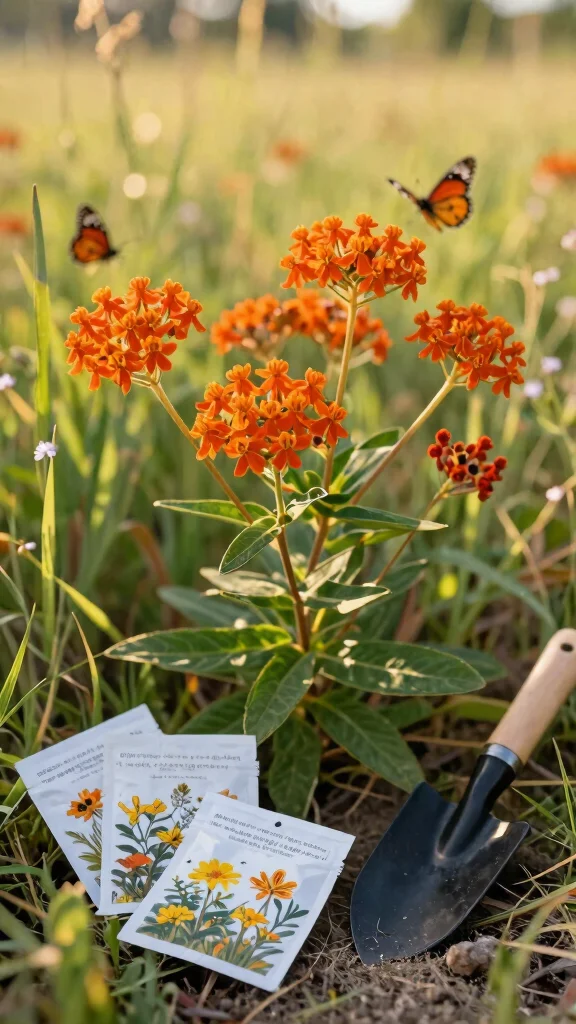
Butterfly Weed (Asclepias tuberosa) is a stunning addition to your garden, renowned for its ability to attract butterflies. Its bright orange blooms thrive in poor, dry soil, making it a fantastic choice for low-maintenance landscaping. These flowers typically bloom in mid-summer, adding vibrant color and joy to your urban meadow.
By planting Butterfly Weed, you’ll not only enhance your garden’s beauty but also provide crucial support for pollinators like monarch butterflies. They self-seed easily, allowing them to spread naturally and create a beautiful, beneficial habitat.
Quick Tips:
– Make sure to plant in a sunny spot for maximum blooming.
– Group them with other native plants to provide shelter.
– Allow some blooms to go to seed for future growth.
You Might Also Like

Butterfly Weed – The Colorful Pollinator Magnet
Editor’s Choice
Burpee Wildflower 25,000 Bulk, 1 Bag, 18 Varieties of Non-GMO Flower See…

Northeast Wildflower Seeds – Extra Large 1 Ounce Packet – Over 7,500 Nat…
9. Evening Primrose – The Nighttime Bloomer
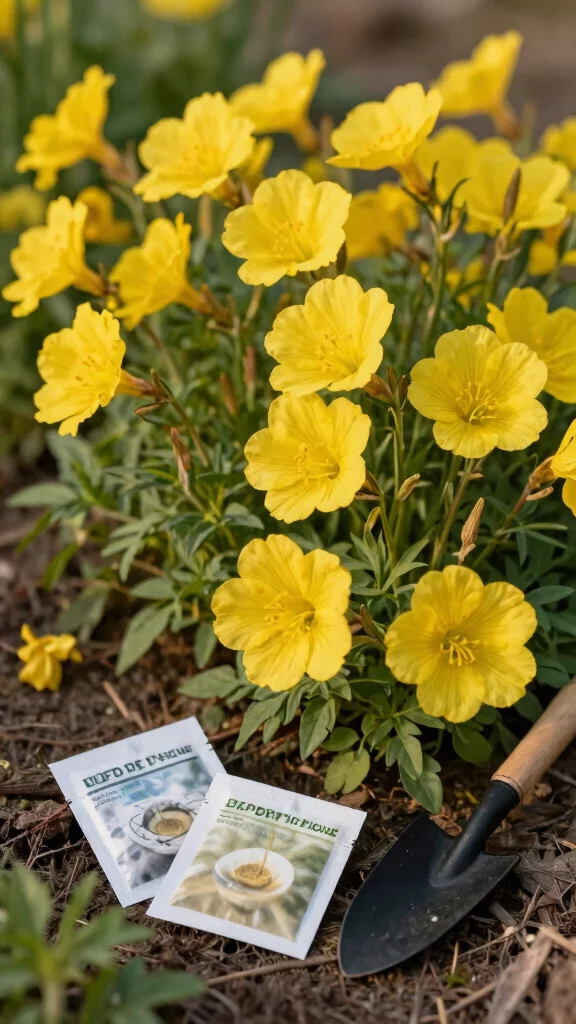
Evening Primrose is a captivating choice for your urban meadow, known for its enchanting blooms that open in the evening. With bright yellow flowers, this plant adds a unique charm to your garden and attracts nocturnal pollinators like moths. Thriving in well-drained soil, Evening Primrose enhances your ecosystem by drawing a variety of beneficial insects.
Plant them in clusters for a striking visual against the greenery and enjoy their sweet scent wafting through the air on summer nights. They require minimal care once established, making them an ideal option for low-maintenance gardening.
Quick Tips:
– Plant in sunny spots for best flowering results.
– Allow them to self-seed for future blooms.
– Pair them with other evening-blooming plants for a magical nighttime garden vibe.
Evening Primrose opens at dusk and can attract up to 4 nocturnal pollinator species each night. Plant these wildflower seeds in clusters for a dramatic glow in your urban meadow, and enjoy their sweet scent on summer evenings.
Evening Primrose – The Nighttime Bloomer
Editor’s Choice

Organic Evening Primrose Seeds (Oenothera biennis) 400 Seeds (0.5 Grams)…
Wildflower Seeds Bulk Mix – 10,000+ Perennial & Annual Seeds – Texas, Ca…
Conclusion
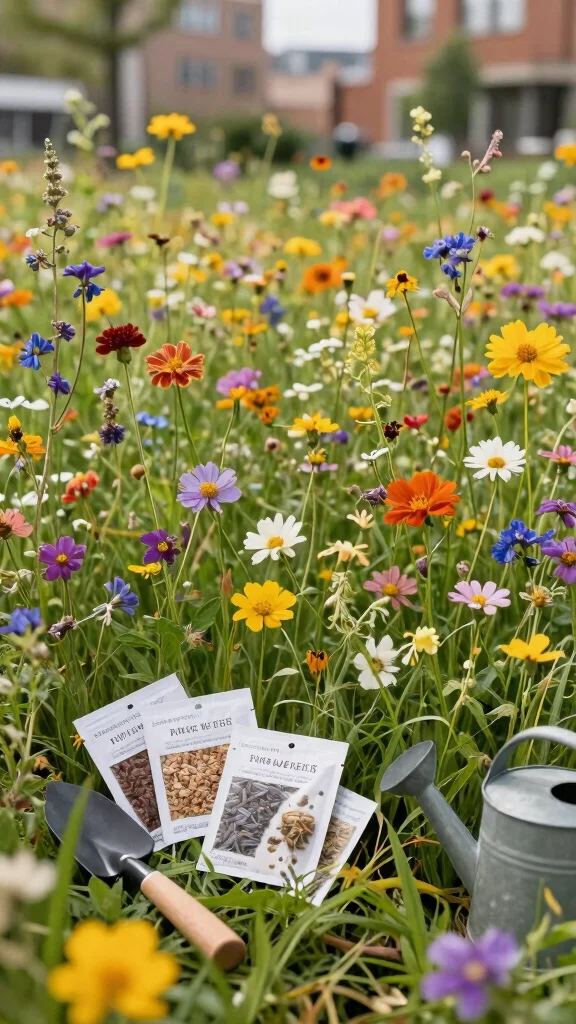
Creating a stunning urban meadow filled with wildflowers is an exciting journey that enriches your space and benefits local wildlife. By selecting the right wildflower seeds, you can enjoy a beautiful, low maintenance garden that attracts various pollinators and adds a splash of color to your surroundings. Whether you choose vibrant California Poppies or unique Evening Primrose, each seed has the potential to transform your urban environment.
Get started on your wildflower journey today and witness the joy of nurturing a thriving ecosystem right at your doorstep!
Note: We aim to provide accurate product links, but some may occasionally expire or become unavailable. If this happens, please search directly on Amazon for the product or a suitable alternative.
This post contains Amazon affiliate links, meaning we may earn a small commission if you purchase through our links, at no extra cost to you.
Frequently Asked Questions
What are the best wildflower seeds for a low-maintenance meadow in an urban pollinator garden?
For a low-maintenance, pollinator-friendly urban meadow, start with a native wildflower seeds mix designed for meadow landscaping. Look for packets labeled native plants, pollinator garden, and wildflower seeds blends that cover several bloom periods. Choose a seed mix that includes a balance of asters, daisies, poppies, and grasses to provide seasonal color and structure. These selections tend to be drought-tolerant and require less irrigation and weeding.
Practical steps: 1) choose a sunny site, 2) prep soil by removing turf and loosening the top 2–3 cm, 3) broadcast seeds evenly with a seed spreader or by hand, 4) press lightly and water until germination, 5) after establishment, mow lightly once a year after flowering to keep the meadow neat and encourage reseeding. When possible, buy local ecotype seeds to support native plants adaptation.
How do I select wildflower seeds that support native plants and pollinators?
Begin with your climate, soil, and sun exposure. Look for seed mixes labeled for native plants and pollinator garden, and choose a diverse range of bloom times and plant forms to support bees, butterflies, and other pollinators. Check that the mix emphasizes wildflower seeds from local or regional sources and includes a mix of perennial and native annuals for ongoing color. Common sense checks: avoid invasive or aggressive spreaders, prefer seeds suited to your soil type, and ensure the package includes seed selection tips for your area.
Tip: read the label for seed viability, sowing depth, and recommended seeding rate to maximize success in meadow landscaping projects.
When and how should I sow wildflower seeds for a meadow landscaping project?
Sowing timing depends on your climate. In most regions, fall sowing gives seeds a winter chill and spring germination, while in warm areas, early spring works well after the last frost. Preparation matters: remove existing turf, rake smooth, and loosen the top few centimeters of soil for good seed-to-soil contact. For even coverage, broadcast seeds with a spreader or by hand, then lightly press them into the soil and barely cover shallowly if the seed requires darkness, or surface-sow if the seed needs light. Water gently until germination, then keep the bed consistently moist during establishment. As the meadow grows, thin or transplant as needed and watch for birds. This approach keeps wildflower seeds happy while achieving low maintenance gardening goals.
How can I maintain a meadow with wildflower seeds without intensive upkeep?
Once established, a pollinator-friendly meadow can stay vibrant with minimal work. Mow or cut back the bed once a year after seeds have set, ideally in late summer or early fall, to promote reseeding and reduce thatch. Leave some seed heads for birds and other wildlife, which helps your ecosystem. Follow low maintenance gardening principles: no heavy chemical fertilizers, deep but infrequent watering, and occasional weeding to prevent invasives from taking over. Allow native grasses to fill in to suppress weeds and add structure so you enjoy color from wildflower seeds across seasons with less effort.
Do wildflower seeds require special soil preparation or amendments for urban soils?
Urban soils can be compacted or nutrient-poor, so a simple prep helps wildflower seeds establish well. Start with a soil test if possible, then loosen the top 6–8 inches and amend with compost to improve drainage and nutrient availability. Remove debris and aggressively weedy patches before sowing. If drainage is poor, consider amending with sand or installing a simple drainage solution. Sow on bare soil and press lightly; avoid heavy mulch that blocks germination. After sowing, water gently and keep soil evenly moist until germination. With the right soil preparation, your seed selection will thrive in urban conditions while supporting native plants and pollinators.
Related Topics
wildflower seeds
pollinator garden
native plants
low maintenance gardening
meadow landscaping
urban gardening
seed selection
beginner friendly
eco-friendly gardening
seasonal blooms
DIY meadow
sustainable gardening