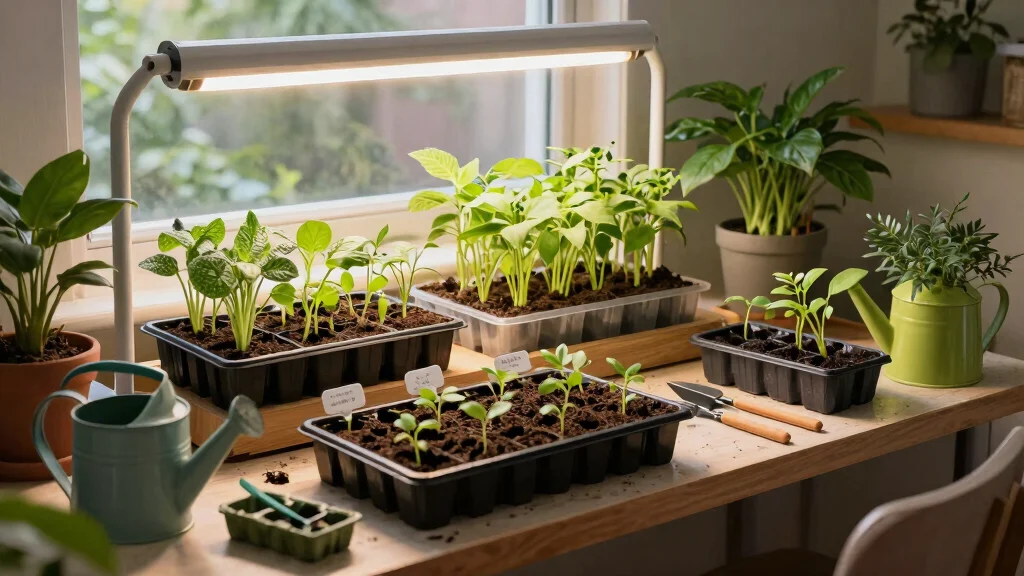
The excitement of spring is in the air, and that means it’s time to get your hands dirty in the garden! If you’re anything like me, the thought of starting seeds indoors has you dreaming of fresh herbs, vibrant vegetables, and beautiful flowers. There’s something magical about nurturing tiny seeds into thriving plants right from the comfort of your home. I created this post to help you design an indoor seed starting setup that’s not only productive but also organized and aesthetic.
This guide is for anyone who loves gardening—whether you’re a seasoned pro or just starting out. If you live in a small apartment or a bustling urban area, you might find it challenging to create a growing space that maximizes your limited square footage. You want to cultivate your green thumb while keeping your home free from chaos. With the right setup, you can enjoy the benefits of indoor gardening and watch your seedlings flourish.
In this post, you’ll discover 10 innovative and practical ideas to transform your indoor space into a seed-starting haven. From clever uses of vertical space to repurposing furniture, I’ve pulled together tips that are efficient, attractive, and perfect for any living environment. You’ll learn how to select the right seed starting containers, use grow lights for seedlings, and implement gardening organization ideas that make taking care of your plants a breeze. Let’s dig in!
Key Takeaways
– Discover 10 creative indoor seed starting setups that maximize your growing space and keep it organized.
– Learn about vertical plant stands that help you save space while providing easy access to your seedlings.
– Explore how repurposed furniture can serve as attractive and functional seed starting stations in your home.
– Get tips on using grow lights for seedlings to ensure your plants thrive, even in limited natural light.
– Understand the importance of gardening organization ideas and how they can simplify your indoor plant care routine.
1. Vertical Plant Stands for Space Efficiency
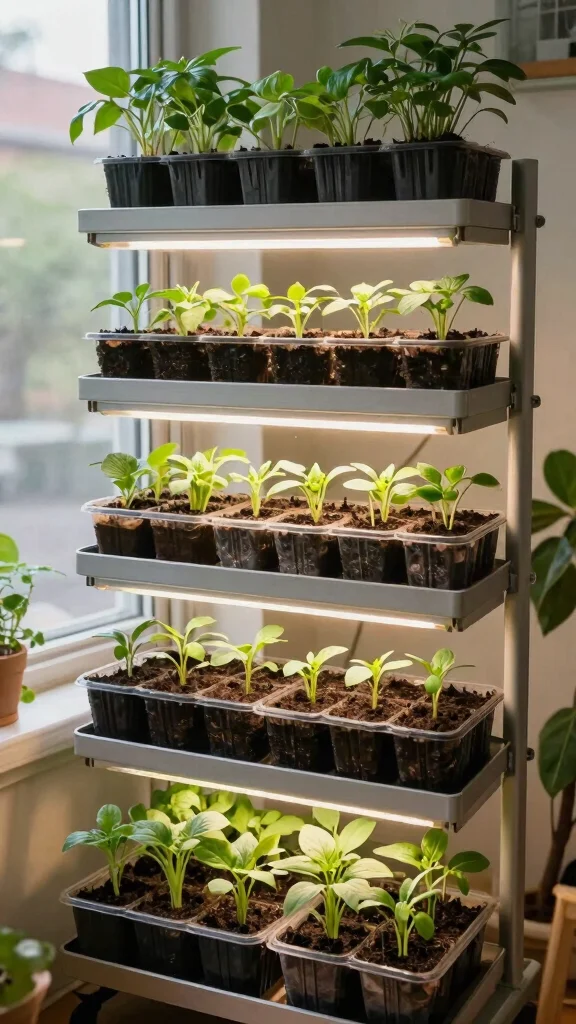
If you’re tight on floor space, vertical plant stands can be a game changer. These charming stands allow you to stack multiple levels of seedlings, maximizing your growing area while adding a decorative touch to your indoor garden. Look for options in wood or metal that blend with your decor and fit your available space perfectly.
Start by selecting seed starting containers that are uniform in size for a neat look. Use lightweight pots to avoid any risk of toppling. Don’t forget to incorporate grow lights at the top level, ensuring each plant gets the light it needs to thrive.
Key tips for using vertical stands:
– Choose sturdy stands that can hold multiple layers.
– Arrange plants by height for an eye-catching display.
– Incorporate decorative pots to enhance visual appeal.
By using vertical stands, you create a stunning focal point in your home, showcasing your passion for plants while saving valuable floor space.
Vertical Plant Stands for Space Efficiency
Editor’s Choice

JERIA 50-Pack 3.15 Inch Peat Pots for Seedling with 50 Pcs Plant Labels,…


Bamworld Tall Plant Stand Indoor Outdoor, Corner Metal Flower Pot Stands…
2. Repurposed Furniture as Seed Starting Stations
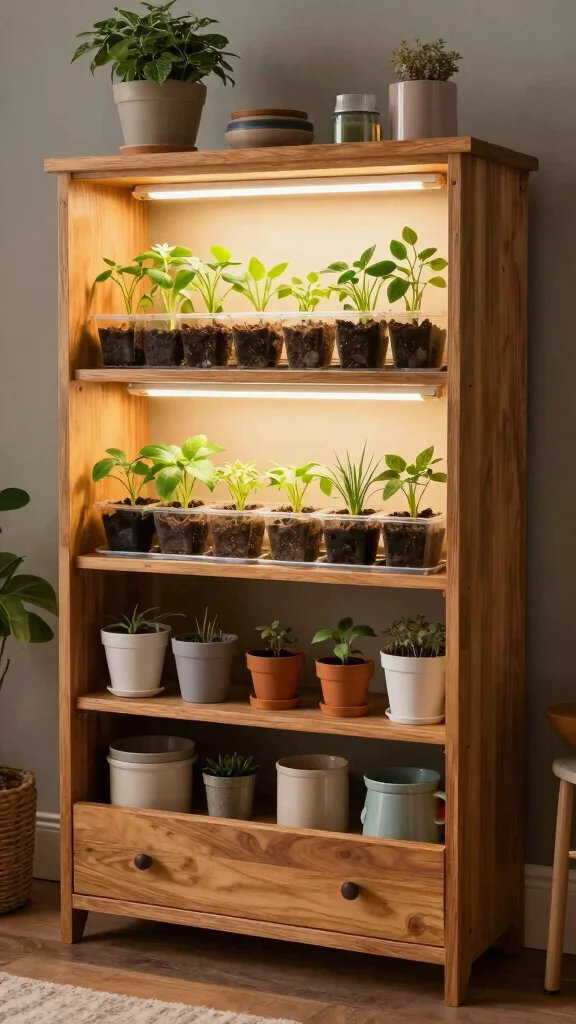
Transforming old furniture into seed starting stations is a creative way to breathe new life into your space. A forgotten bookshelf, an unused dresser, or even a coffee table can become a functional and stylish gardening area. This not only upgrades your gardening experience but also keeps your supplies organized and within reach.
Consider using dresser drawers for storage while the top serves as a potting area. Bookshelves can hold seed trays and containers, making access easy and stylish. Adding a grow light above can ensure your seedlings receive the necessary light for strong growth.
Ideas for converting furniture:
– Repurpose a dresser for both storage and potting space.
– Use bookshelves to create an organized display of plants.
– Install a grow light above for optimal seedling development.
This approach combines function and flair, seamlessly integrating gardening into your home decor.
Repurposing old furniture isn’t just thrift—it’s smart, practical indoor seed starting setup. Turn a dresser into drawer space for seed trays, a bookshelf into a mini greenhouse, and watch clutter vanish as your seedlings thrive.
Repurposed Furniture as Seed Starting Stations
Editor’s Choice

Burpee SuperSeed Seed Starting Tray | 36 Cell Reusable Seed Starter Tray…

Miracle-Gro Potting Mix – For Container Plants, Flowers, Vegetables, Shr…
3. Window Sill Seed Starting
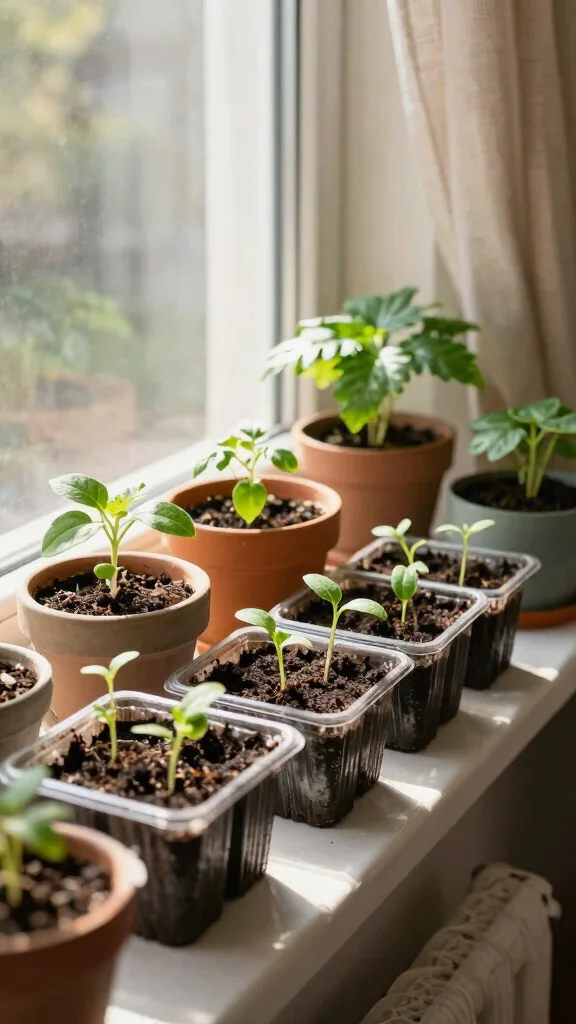
Harnessing natural light for seed starting is both effective and delightful, especially using your window sill. This setup is perfect for small spaces where sunlight is abundant. You’ll enjoy watching your seedlings grow while adding a fresh element to your home.
Select lightweight, small seed starting containers that fit comfortably on your sill. Keep an eye on sunlight; if your window faces north, you might need extra grow lights. Don’t forget to rotate your trays to promote even growth.
Best practices for window sill gardening:
– Choose small pots that fit well on your sill.
– Monitor sunlight exposure and adjust with grow lights if necessary.
– Regularly rotate trays for uniform growth.
A window sill garden not only provides light but also fills your home with vibrant life, making the sight of sprouting seedlings a rewarding experience.
Window sill seed starting fits perfectly into an indoor seed starting setup, turning a small urban space into a thriving garden. It’s practical and cozy: lightweight containers, smart light, and a quick tray rotation to keep growth even—watch sprouts reach toward the sun.
Window Sill Seed Starting
Editor’s Choice

GooingTop LED Grow Light,6000K Full Spectrum Clip Plant Growing Lamp wit…
Burpee SuperSeed Seed Starting Tray | 36 Cell Reusable Seed Starter Tray…

JNYONG 120 Packs 4 Inch Peat Pots,Biodegradable Pots for Seedlings with …
4. Dedicated Grow Light Shelves
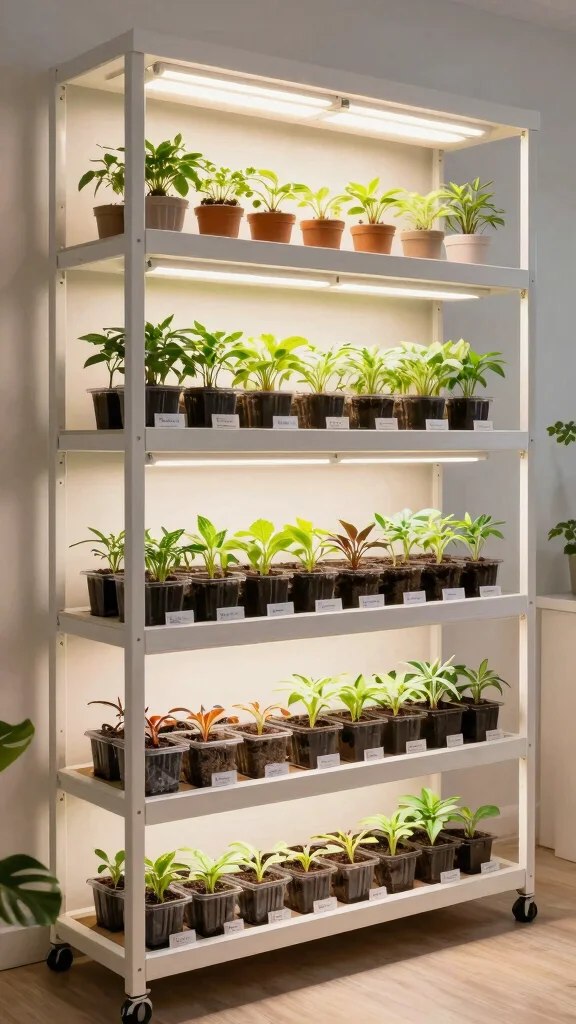
If natural light is scarce, dedicated grow light shelves offer an ideal solution. These shelves come equipped with grow lights that simulate sunlight, ensuring your seedlings flourish indoors, regardless of the season. They create a dedicated space for all your growing needs.
Invest in adjustable grow lights that can be raised as your seedlings grow. Group plants with similar light and water needs to keep your shelves organized. Consider using reflective materials to enhance light distribution across your plants.
Tips for setting up a grow light shelf:
– Use adjustable lights for varying plant heights.
– Keep similar plants grouped for easier care.
– Incorporate reflective surfaces to maximize light.
These shelves not only provide essential light for your seedlings but also create an inviting and organized gardening area, enhancing your indoor gardening experience.
📹 Related Video: Grow Light Shelf Setup – Seed Starting Setup for Small Spaces
Dedicated Grow Light Shelves
Editor’s Choice

FREELICHT DIY Plant Shelf with Grow Light, 5-Tier, 2FT 5000K 120W(4x30W)…
GooingTop LED Grow Light,6000K Full Spectrum Clip Plant Growing Lamp wit…
5. Seed Starting Kits for Beginners
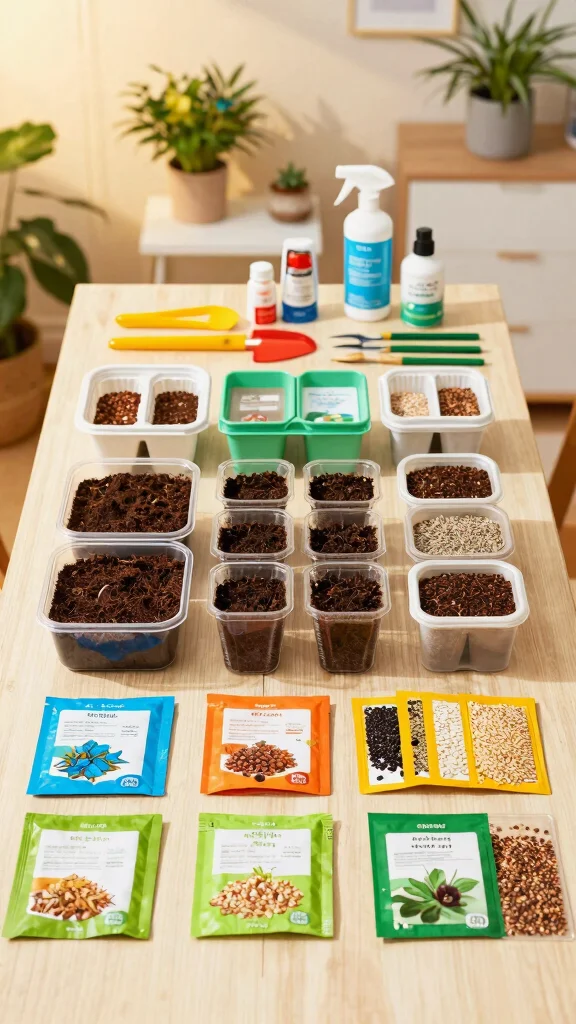
If you’re new to gardening, seed starting kits are a fantastic way to jump in. These all-in-one kits include seed starting containers, soil, and instructions, making them perfect for urban dwellers who want a simple introduction to gardening.
Using a seed starting kit provides a straightforward path for beginners, removing the guesswork from the process. Many kits feature high-quality seeds and specialized soil mixes that promote healthy growth. Their compact design makes them suitable for limited spaces.
Advantages of seed starting kits:
– Provide clear instructions for easy beginning.
– Include quality seeds and soil for better results.
– Compact design ideal for small living areas.
This user-friendly approach to starting seeds makes gardening accessible and enjoyable, allowing you to cultivate plants with ease.
You might also like
Seed Starting Kits for Beginners
Editor’s Choice

VIVOSUN Durable Waterproof Seedling Heat Mat 10″ x 20.75″ UL & MET-Certi…

Bonviee 5-Pack Seed Starter Trays, Seed Starter Kit with Adjustable Humi…
Miracle-Gro Indoor Potting Mix for Seed Starting, For Starting Vegetable…
6. Creative Use of Repurposed Containers

Repurposing containers is an eco-friendly and creative way to enhance your seed starting setup. Think beyond traditional pots and consider using items like old teacups, egg cartons, or even tin cans. This not only saves money but also adds a unique charm to your gardening space.
Ensure your chosen containers have drainage holes to protect against overwatering. Clean and sanitize any used containers to keep your seedlings safe. Feel free to personalize your containers with paint or decorations that match your home decor.
Considerations for using repurposed containers:
– Check for proper drainage to avoid overwatering.
– Sanitize containers before planting.
– Decorate to match your home style.
These quirky containers create an eclectic vibe and make your seed starting journey even more enjoyable, showcasing your personality and creativity.
Creative Use of Repurposed Containers
Editor’s Choice

Seed Starter Natural Potting Soil Mix for Germination and Growth (Made i…

KINGLAKE 100 Pcs 6 x10cm Plastic Plant T-Type Tags Nursery Garden Labels

JapanBargain 1942, Japanese Long Spout Watering Can for Bonsai Succulent…
7. Compact Hydroponic Systems

Hydroponics offers an exciting, soil-free method to grow plants, making it ideal for urban gardeners with limited space. Compact hydroponic systems are designed for indoor use, providing a space-efficient way to start seeds and grow herbs year-round.
These systems require minimal space and can easily fit on countertops or shelves. Hydroponics typically results in faster growth and higher yields compared to traditional gardening methods. Many systems also include built-in grow lights, simplifying your setup process.
Benefits of hydroponic systems:
– Require little space and can fit anywhere.
– Promote quicker growth and greater yields.
– Often come with integrated grow lights.
Exploring hydroponics can be an educational and fun experience, allowing you to discover the science of growing plants in nutrient-rich water while impressing guests with your unique setup.
How To Choose the Right Indoor Seed Starting Setup
When setting up your indoor seed starting space, choosing the right equipment and layout is essential for success. Here are key factors to consider to create a productive and organized environment for your seedlings.
1. Size of Your Space
Start by measuring the area where you plan to set up. Knowing your available space helps you select suitable containers and lighting options. Consider vertical solutions if space is limited. Compact shelves or plant stands can help you maximize your growing area without sacrificing organization.
2. Type of Seed Starting Containers
Choosing the right containers is crucial for healthy seedlings. Look for seed starting trays, peat pots, or recycled containers that have good drainage. For beginners, seed starting kits often come with everything you need, including trays and seeds. Ensure the containers are large enough to support root growth as seedlings develop.
3. Grow Lights for Seedlings
Light is vital for your seedlings. If you’re growing indoors, investing in quality grow lights is essential. LED grow lights work well because they are energy-efficient and produce less heat. Place them about 2-4 inches above your plants to ensure they receive enough light without getting scorched.
4. Temperature Control
Seedlings thrive in warm environments. Ideal temperatures range between 65-75°F (18-24°C). Consider using heat mats if your space is cooler. These mats provide gentle warmth from below, speeding up the germination process. Use a thermometer to monitor the temperature and make adjustments as needed.
5. Watering and Humidity Needs
Seedlings require consistent moisture but dislike being overwatered. Choose containers with drainage holes and use a spray bottle or bottom watering technique. To maintain humidity, consider covering your trays with plastic domes until seeds germinate. Remove the cover gradually as seedlings grow to prevent mold.
6. Gardening Organization Ideas
An organized setup can enhance your seed starting experience. Use caddies or trays to keep tools, labels, and supplies together. Consider a dedicated table or shelf for your seed starting area, keeping everything within reach. Label each container or tray to track different plant varieties for easier management.
Pro Tip: Always have a journal or digital app to track your seed starting schedule, including planting dates and care routines. This will help you stay organized and improve your gardening skills over time!
By considering these factors, you can create an effective indoor seed starting setup that fosters a productive growing space for your seedlings. Happy planting!
Compact Hydroponic Systems
Editor’s Choice

Liquid Plant Food for use in AeroGarden, IDOO and Hydroponic Growing Sys…

Sondiko Seed Starter Tray with Grow Light, 80 Cells Seed Starter Kit wit…
GooingTop LED Grow Light,6000K Full Spectrum Clip Plant Growing Lamp wit…
8. Seedling Care Stations with Organized Tools

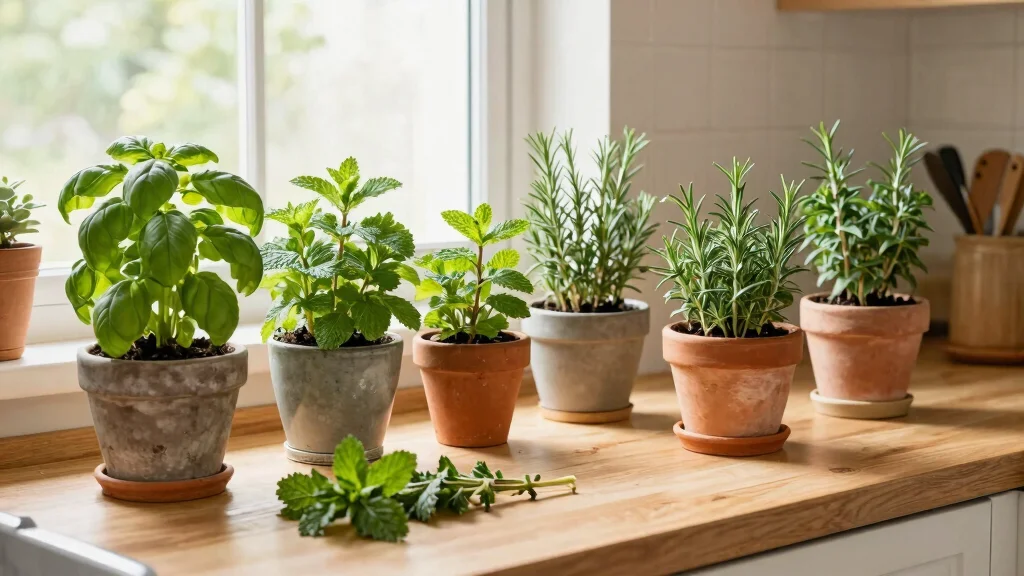
Creating a dedicated seedling care station can make your gardening routine much easier. This setup allows you to house not only your seedlings but also all the necessary tools for their care in one organized space. By keeping everything together, you’ll maintain an efficient and enjoyable gardening experience.
Choose a sturdy table or rolling cart to store your seed starting containers and supplies. Use caddies or bins for tools like scissors, labels, and watering cans to ensure easy access. Consider adding a calendar or planner to track your watering schedules and growth milestones.
Essential components for a seedling care station:
– A sturdy table or cart for organization.
– Bins or caddies for easy access to tools.
– A planner to keep track of your plants.
A well-organized care station inspires regular involvement in your gardening, making the process enjoyable and rewarding.
You Might Also Like
Seedling Care Stations with Organized Tools
Editor’s Choice

Fiskars Garden Tool Caddy, Portable Storage Organizer with Locking Handl…

VIPARSPECTRA P700 Grow Light, 70 Watt Dimmable Full Spectrum Plant Light…

VEVOR Garden Cart Rolling Workseat with Wheels, Gardening Stool for Plan…
9. Eco-Friendly Seed Starting Solutions
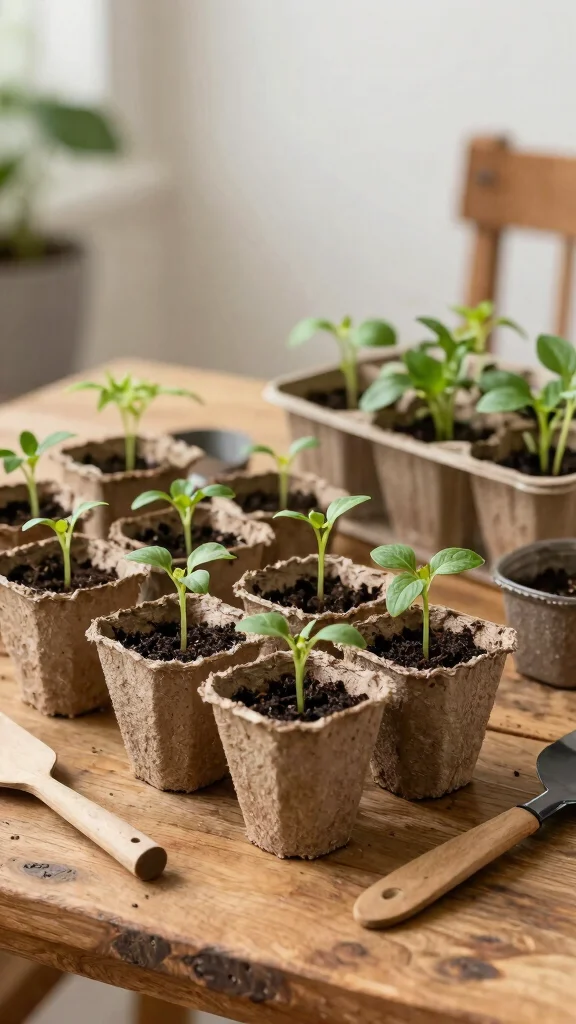
Sustainability is a key concern today, and eco-friendly seed starting solutions can align your gardening practices with your values. Look for biodegradable containers made from materials like peat pots or recycled paper, which help reduce waste while nurturing your seedlings.
Using eco-friendly options minimizes plastic waste since many are compostable after use. These materials often retain moisture well, promoting healthy root development. Choosing responsibly sourced products enhances your overall indoor plant care experience.
Advantages of eco-friendly options:
– Reduce plastic waste and are compostable.
– Retain moisture for better root growth.
– Contribute to healthier indoor gardening.
By opting for eco-friendly solutions, you not only support the environment but also enhance your gardening journey, feeling good about the choices you make.
Fun fact: eco-friendly indoor seed starting setup options, like biodegradable pots, can cut plastic waste by up to 70% in compact spaces. Many of these pots also compost in 6-8 weeks, simplifying sustainable care for your seedlings.
Eco-Friendly Seed Starting Solutions
Editor’s Choice

Back to the Roots 3-in-1 Seed Starting Mix 6 Quarts, 100% Organic & USA …

240 Cells Seed Starter Tray, 20 Pack Biodegradable Peat Pots with 200 La…

70-Pack 3.15 inch Square Peat Pots for Seedlings with 100 Labels, Biodeg…
10. Mobile Seed Starting Trays for Flexibility
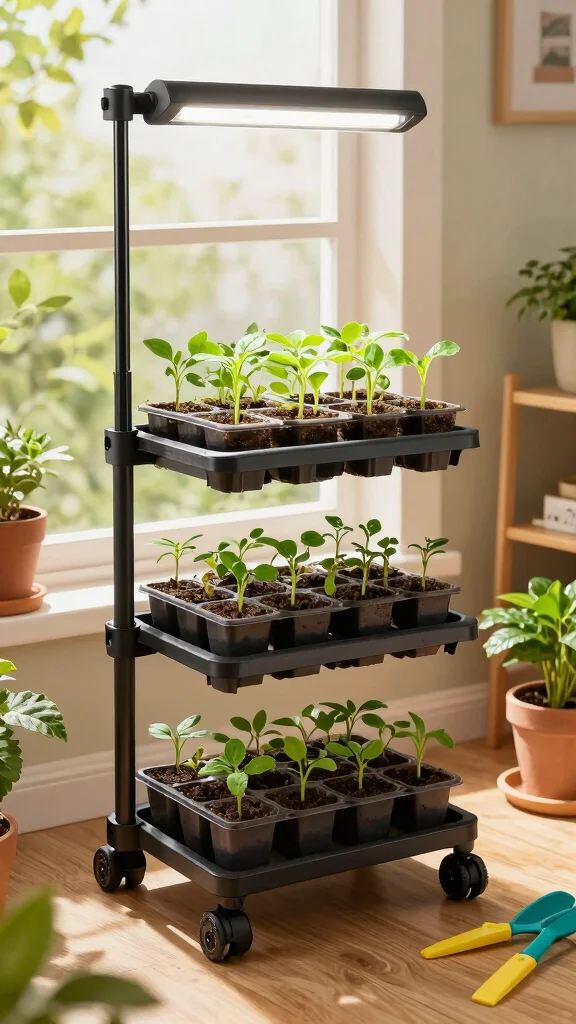
Mobile seed starting trays are the ideal solution for those who enjoy rearranging their gardening spaces according to the seasons or changing light conditions. These trays often come with wheels or handles, allowing you to move them effortlessly to optimal light areas in your home.
This flexibility lets you adjust your seedlings’ positions based on sunlight or temperature changes. Most trays are designed to hold multiple containers, accommodating various plant types. They add a dynamic element to your indoor gardening setup, simplifying plant care.
Benefits of mobile trays:
– Easily shift seedlings for optimal light exposure.
– Designed to hold several containers for versatility.
– Introduce a dynamic element to your gardening space.
Overall, mobile seed starting trays lead to healthier plants, maximizing growth potential while keeping your indoor environment lively and enjoyable.
Mobile Seed Starting Trays for Flexibility
Editor’s Choice

Patigrow 60-Cell Self-Watering Seed Starter Tray with Grow Light, Seed S…
Conclusion
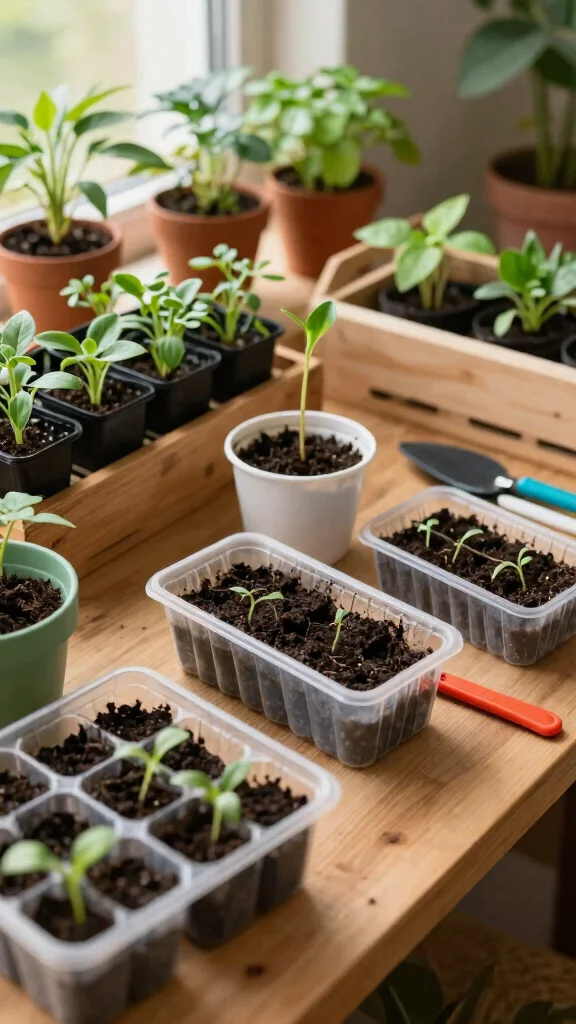
Establishing a productive and organized indoor seed starting setup is a rewarding journey that can enhance your urban gardening experience. With these creative ideas, you can transform any small space into a thriving garden oasis, bringing life and greenery into your home.
As you embark on your gardening adventure, remember to stay flexible and let your creativity shine. No matter your space constraints, there’s always a way to cultivate your passion for plants. Happy gardening!
Note: We aim to provide accurate product links, but some may occasionally expire or become unavailable. If this happens, please search directly on Amazon for the product or a suitable alternative.
This post contains Amazon affiliate links, meaning we may earn a small commission if you purchase through our links, at no extra cost to you.
Frequently Asked Questions
What is a practical indoor seed starting setup for beginners?
Start with a dedicated space and a sturdy surface. An indoor seed starting setup for beginners typically includes a table or shelf, a compact grow lights for seedlings system, and reliable seed starting containers. Place flats or cells on the shelf with a drainage tray, and add a humidity dome if needed for germination. If your space runs cool, slip in a small heat mat. Use a timer so the lights run about 14–16 hours per day, and label every tray to keep your gardening organization ideas on track. With these basics, you’ll have a productive and organized indoor seed starting space.
How can I organize an efficient indoor seed starting space on a budget?
Get the most out of small spaces with easy gardening organization ideas and DIY-friendly setup. Choose a compact shelf and clip-on reflectors or inexpensive LED lights. Use clear storage bins or tray organizers as humidity domes, and keep seed starting containers grouped by task. Label everything, use a rolling cart for supplies, and dedicate a drawer or bin for seed packets. A simple plan like this makes indoor gardening tips more actionable and keeps your space tidy and productive.
What are the best seed starting containers for a compact indoor setup?
For tight spaces, start with 1020 or similar shallow trays, or small cell packs (such as 9- or 12-cell trays) that fit your shelves. Options include peat pots or Jiffy pellets for easy transplanting, and clear plastic flats let you monitor moisture. If you’re growing many varieties, a mix of larger cells (about 2 inches) for bigger seeds and smaller cells for fine seeds works well. Ensure each container has drainage holes and slides neatly into your plan. This choice will streamline your seed starting containers workflow and support consistent germination.
How do I choose and set up grow lights for seedlings in an indoor seed starting setup?
Look for full-spectrum LED or fluorescent fixtures with around 6500K for healthy vegetative growth and a high PAR output. Place lights 2–4 inches above the tallest seedlings and raise them as they grow. Use a timer to keep a steady day/night cycle, typically 14–16 hours on and 8–10 hours off. Mount lights on a shelf or adjustable stand so you can adjust height and spread for even coverage. Pair with reflective surfaces or a light-colored backdrop to boost intensity, making your indoor gardening tips more effective.
What essential indoor plant care steps should I follow after germination for healthy seedlings?
Keep seedlings evenly moist but never soggy; water from the bottom when possible to reduce damping-off. Ensure good air circulation and avoid stagnant humidity by spacing plants and using small fans. Thin crowded sprouts to give remaining plants room to grow, and feed with a diluted fertilizer once true leaves appear. Transplant into larger seed starting containers as roots fill the space. Regularly check for pests and rotate plants for even growth—these indoor gardening tips keep seedlings thriving.
Related Topics
indoor seed starting
urban gardening
seed starting containers
grow lights
indoor plant care
gardening organization
beginner friendly
space-saving solutions
hydroponic setups
sustainable gardening
indoor gardening tips
easy gardening