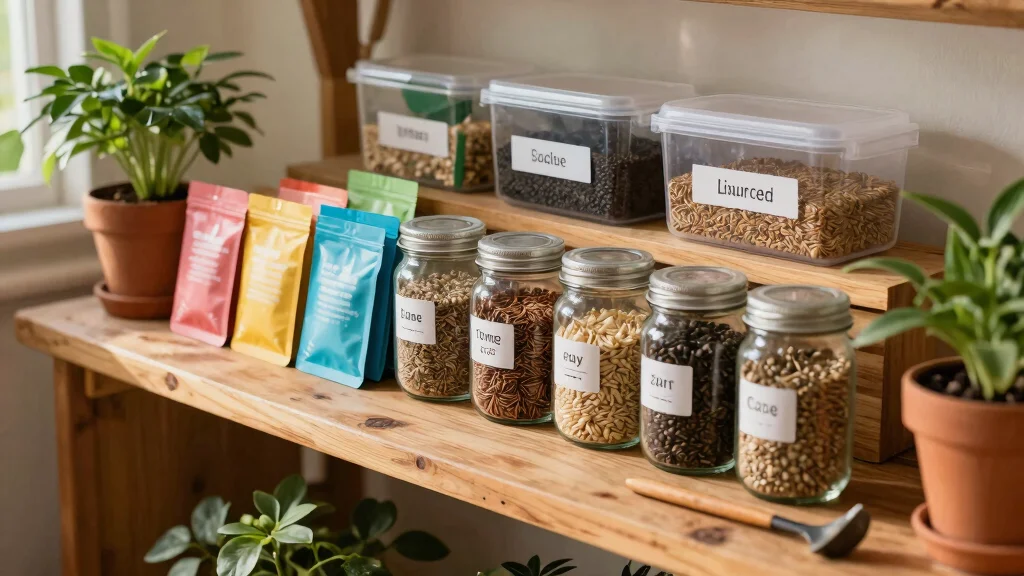
Building a seed library at home is an exciting way to embrace your love for gardening while also practicing seed saving and plant propagation. Whether you’re a seasoned gardener or just starting out, the idea of creating a beautifully organized collection adds an element of joy to your home gardening journey. You might be craving ways to enhance your small urban space with green life, or perhaps you want to foster a sense of community gardening by sharing seeds with neighbors. Whatever your motivation, this post is here to inspire you to cultivate your very own seed library.
If you’re someone who enjoys gardening, organizing your seeds can be a game changer. This guide is tailored for urban gardeners, especially those with limited space, who want to cultivate their green thumb while keeping things tidy and beautiful. You’ll discover practical and creative ideas that will help you set up an impressive seed library right in your home. Let’s explore nine fun and functional seed library ideas that will not only beautify your space but also streamline your gardening efforts.
With these tips, you’ll benefit from a well-organized seed collection, making it easier to find what you need when planting season arrives. You’ll learn how to make DIY seed packets, create compact storage solutions, and even design a seed swapping corner. Each idea will help you enjoy the process of seed saving and home gardening while fostering a sense of community among fellow gardening enthusiasts.
Key Takeaways
– Create shelfie-worthy seed stations to display your seeds in style, making them both accessible and visually appealing.
– Utilize DIY seed packets to personalize your collection and keep seeds organized.
– Implement vertical seed storage solutions to maximize space in small urban gardens without compromising aesthetics.
– Set up a seed swapping corner to encourage community gardening and share your favorite seeds with neighbors.
– Keep a seasonal seed inventory to track what you have, making it easier to plan your garden each year.
1. Shelfie-Worthy Seed Stations
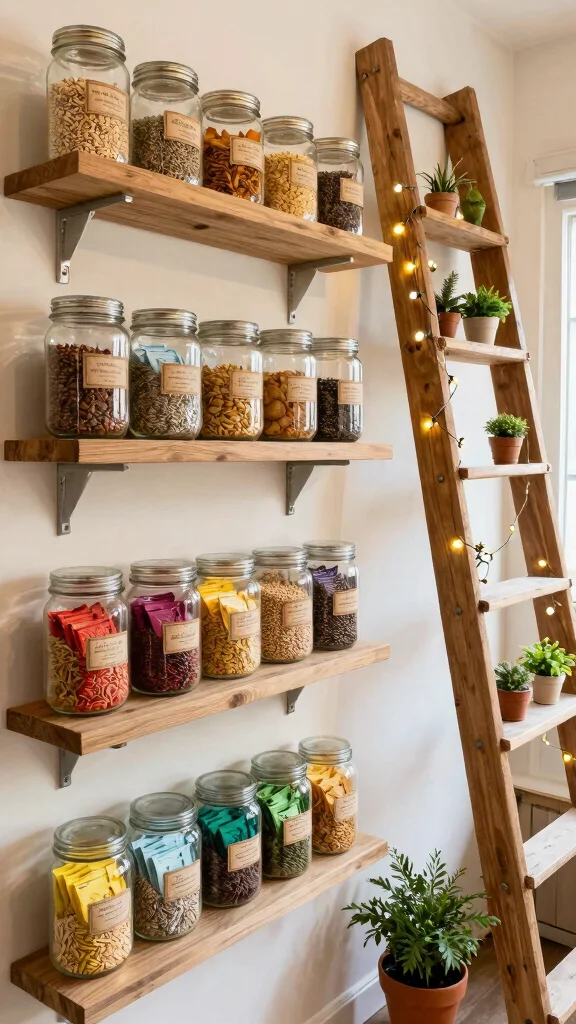
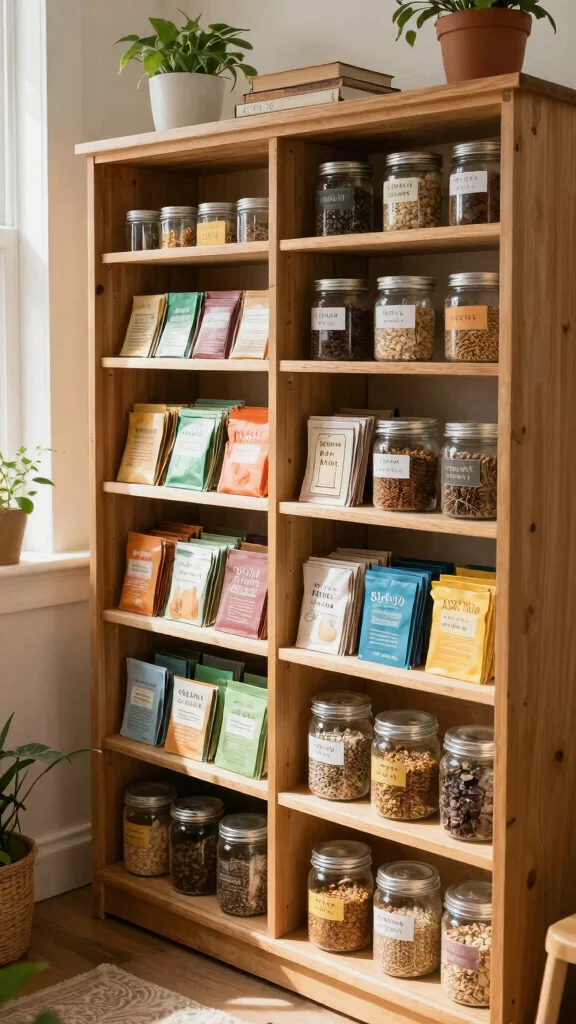
Transform your gardening space into a stunning showcase with an eye-catching seed station. By utilizing floating shelves or a charming wooden ladder, you can display your seed packets in clear jars, sorted by category or color. This not only makes finding what you need a breeze but also enhances the visual appeal of your area.
To elevate your setup, consider using colorful or vintage jars that complement your home decor. Label each jar clearly for easy access, and add in small plants or gardening tools for a cozy vibe. For a magical evening ambiance, incorporate fairy lights around your display!
Here are some tips for a beautiful seed station:
– Incorporate jars of varying heights for depth.
– Color-coordinate seed packets for a striking look.
– Add decorative touches like plant markers or garden art.
– Keep the design minimal to prevent clutter.
A well-organized seed station not only serves as a conversation starter but also instills a sense of pride every time you tend to your garden.
Did you know organized seed stations cut seed-hunt time by up to 60%? A shelfie-worthy display with clear jars and labels makes your seed library both beautiful and super practical.
Shelfie-Worthy Seed Stations
Editor’s Choice

CZZGSM 3 Set Glass Pantry Storage Jars with Acacia Airtight Lid – 35oz T…


Gencywe Glass Storage Jars with Airtight Bamboo Lid, 27 OZ Food Storage …

Suclain 3 Pack 51 oz Square Glass Food Storage Jars with Airtight Clamp …

78oz – 3 Pack Square Glass Jars with Airtight Lid, Wide Mouth Mason Jars…

Yaheetech Foldable Ladder Shelf Wooden Plant Stand Indoor Outdoor Shelve…
2. DIY Seed Packets
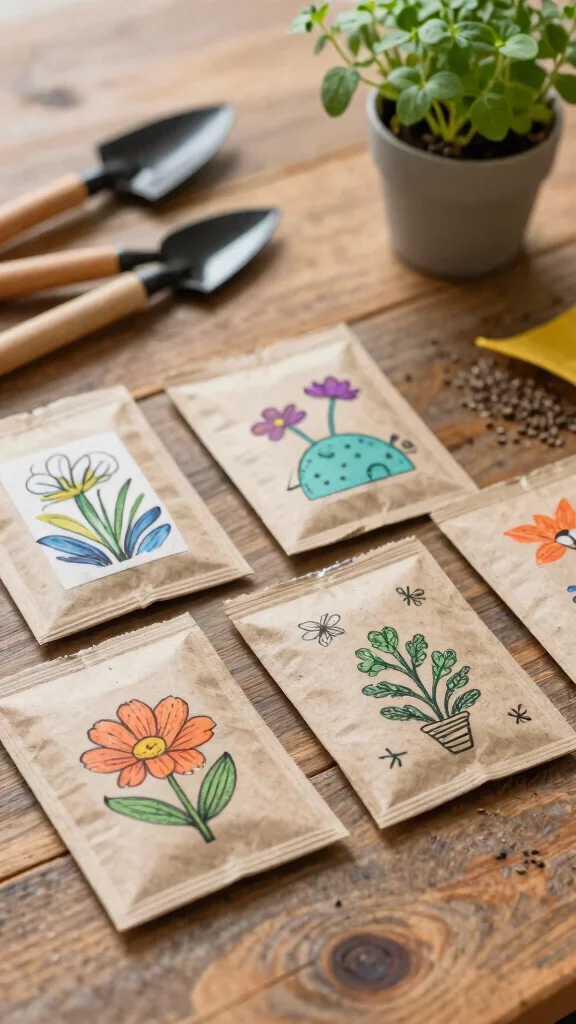
Personalized seed packets add a delightful touch to your gardening practice. Crafting your own packets is a fun project that allows you to showcase your creativity while neatly organizing your seeds. Use recycled paper or cardstock to create packets in various sizes and shapes.
Include the plant name, care instructions, and a short note about the plant’s origin inside each packet. This not only keeps you organized but also adds sentimental value, making them perfect for sharing with friends or family.
Here’s how to make your own seed packets:
1. Cut the paper into rectangles or squares.
2. Fold and seal the edges to form a packet.
3. Decorate the outside with drawings or stamps.
4. Write seed details on the front and back.
These personalized seed packets also serve as thoughtful gifts or party favors for fellow gardening enthusiasts, showcasing a level of care that store-bought options can’t match.
3. Vertical Seed Storage Solutions
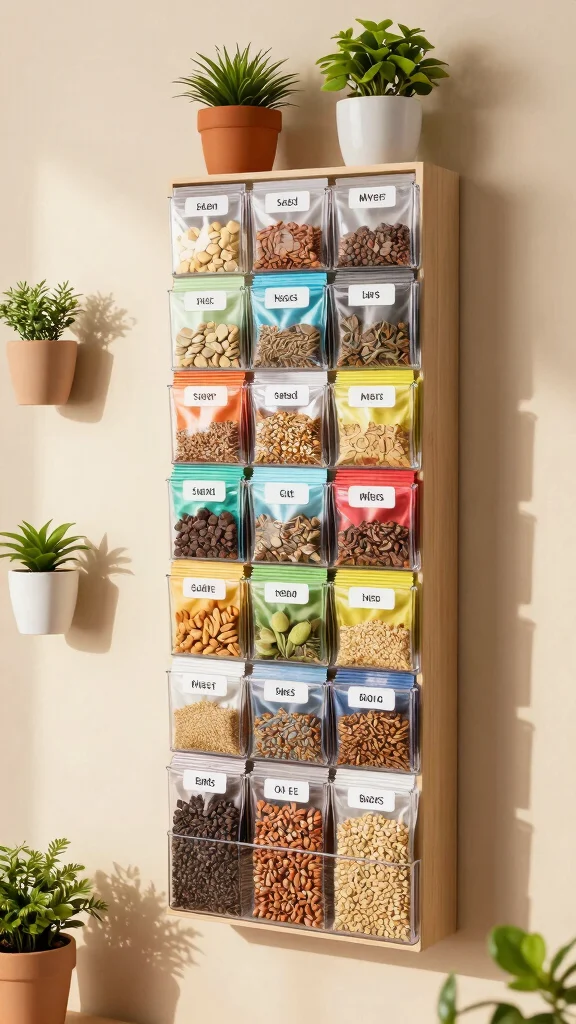
Maximize your limited space with vertical seed storage solutions. Wall-mounted organizers or repurposed shoe racks can hold numerous seed packets while keeping everything within reach. This approach not only optimizes your wall space but also adds a stylish touch to your gardening area.
Personalize your organizers by painting them or adding labels to indicate the seed types inside. Clear pouches allow you to see the contents quickly, while colorful fabric pouches introduce a soft, inviting element.
Here are some advantages of vertical seed storage:
– Saves valuable floor space for small areas.
– Creates an organized display that doubles as decor.
– Ensures easy access to your seeds when needed.
– Simplifies monitoring seed supplies and reordering.
A vertical seed library not only keeps you organized but also serves as a beautiful backdrop for your gardening efforts.
Vertical Seed Storage Solutions
Editor’s Choice

SEDY 48″ Heavy Duty Garage Wall Organizer, Wall Mount Tool Storage Rack …

Wall Control Garage Storage Rack Lawn & Garden Tool Organization Wall Mo…

Wall Mount Garden Tool Organizer – 48 Inch Max Load 539lbs with14 PCS Ad…

Seed Storage Binder – Seed Packet Organizer w/50 Sheet Protectors & Prot…

Seed Saving Box, Metal Seed Bin, Seed Storage Organizer Box, Seed Packet…
4. Compact Seed Jars
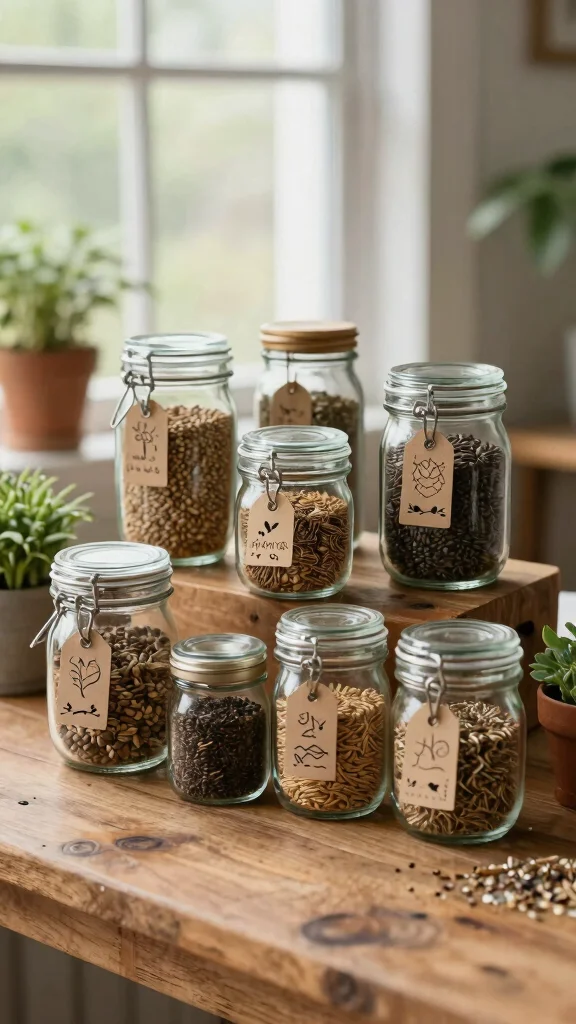
Seed jars are a fantastic way to keep your seeds organized and protected. You can mix vintage and modern jars on a small table or shelf for a unique and charming look. Choose clear glass jars to easily see the contents and identify each type of seed.
For better organization, categorize your seeds by type—herbs, vegetables, and flowers. Label each jar with decorative tags or write directly on the jar for a polished appearance. This adds a personal touch while maintaining functionality.
Some tips for using jars as seed storage include:
– Select jars with airtight seals for freshness.
– Use a tiered stand to save space and enhance visibility.
– Employ decorative twine or burlap for labeling.
This delightful setup keeps your seed library organized and adds character to your gardening space.
Turning a few clear seed jars into a tidy seed library makes gardening feel doable in a small space. Label every jar and group by herbs, vegetables, and flowers—it’s like a mini planning session in your kitchen, with instant harvest-ready motivation.
5. Seed Swapping Corner
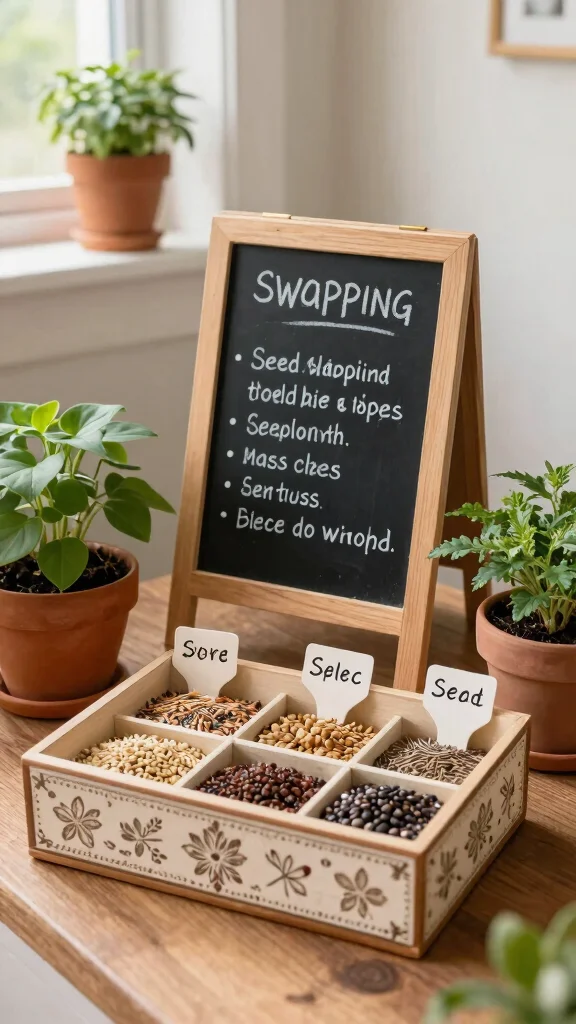
Engage with your community by creating a seed swapping corner at home. Designate a small area where friends and family can drop off and exchange seeds. A decorative box or old drawer can serve as the perfect container for this initiative.
Encourage participants to label their seeds with information about growing conditions and plant history. This adds value and sparks conversations about gardening experiences, allowing for delightful surprises in what you receive in return!
To optimize your seed swapping corner:
– Establish clear guidelines for exchanges.
– Regularly refresh seed selections to keep interest alive.
– Host seasonal seed swapping events to boost participation.
This initiative not only promotes sustainable gardening practices but also builds community among gardening enthusiasts.
Seed Swapping Corner
Editor’s Choice

VerdantVibes Metal Seed Storage Organizer Box – Large Galvanized Seed Bi…

Maitys Seed Storage Container Box with Lid Garden Seed Packet Storage Or…
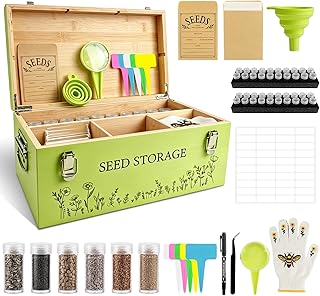
Fayoo Wooden Seed Storage Organizer Box with 40 Seed Vials & 20 Envelope…

Large Bamboo Wood Seed Storage Organizer Box with Lid, Double-Layer Seal…

Large Modern Green Rectangular Metal Seed Storage Box with 4 Compartment…
You might also like
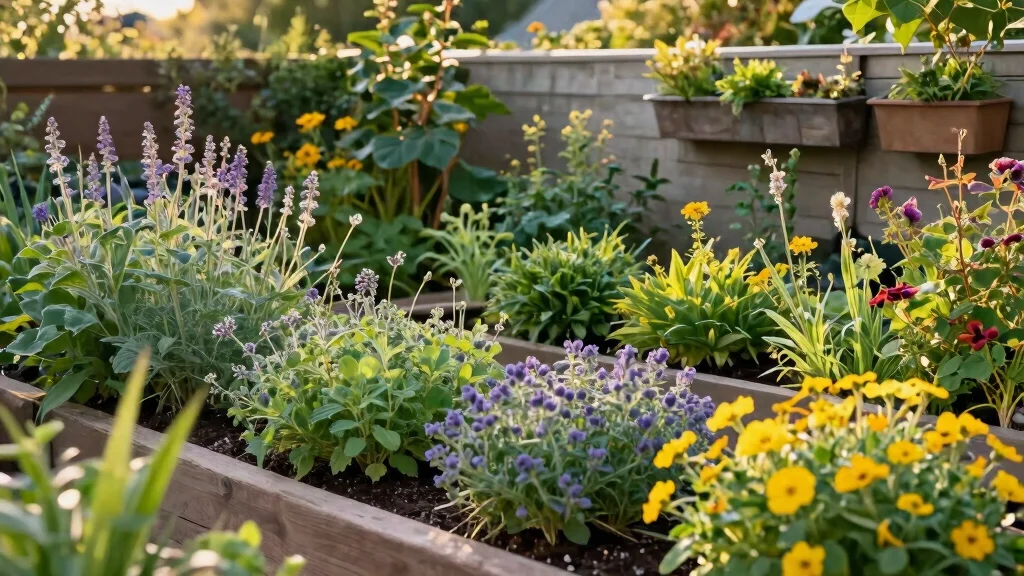
6. Seed Library Binders
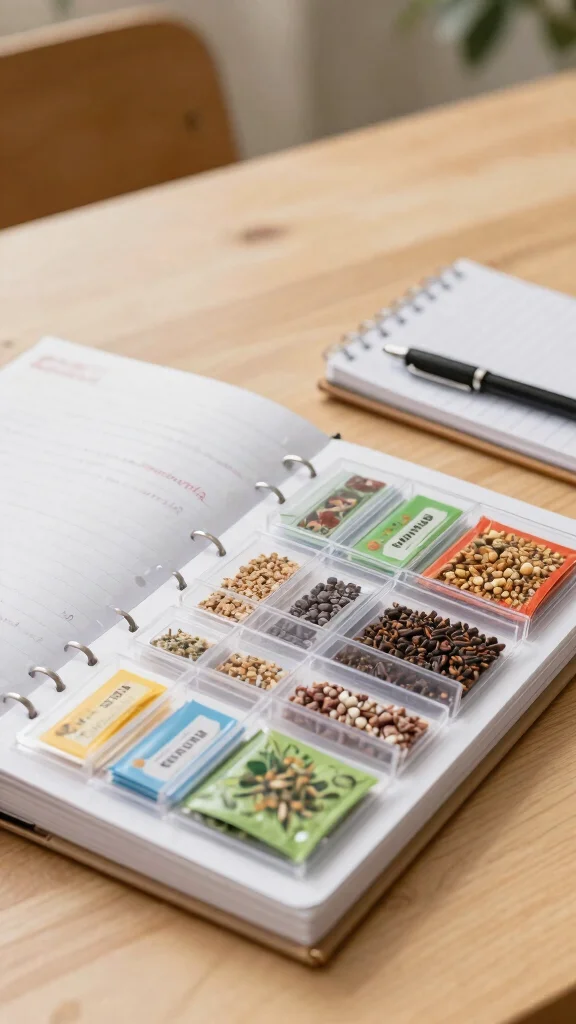
For a compact, organized way to manage your seeds, consider using a binder system. A large three-ring binder with plastic sleeves works perfectly for storing seed packets while keeping them safe. You can categorize packets by type, season, or growth habit for easy reference.
Enhance usability by adding a table of contents or labeled tabs to quickly access specific seeds. You can also include sleeves for your gardening notes to provide a comprehensive view of your gardening journey.
Here’s how to set up your seed library binder:
– Use clear plastic sleeves to safeguard seed packets.
– Create dividers for different categories.
– Include notes on germination times and planting instructions.
– Personalize the cover with your gardening theme.
This method not only protects your seed packets but also helps you maintain a personalized gardening record.
Seed Library Binders
Editor’s Choice
Seed Storage Binder – Seed Packet Organizer w/50 Sheet Protectors & Prot…
Extra Large Seed Storage Organizer Binder,3 Ring Seed Packet Organizer w…
Seed Storage Organizer, Binder with 50 Pack Sheet Protectors that stores…

StoreSMART Seed Packet Binder Page – 4 Pockets per Page. 20-Pack. VP201-…
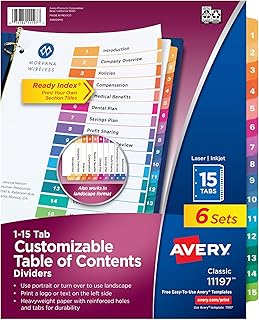
Avery 15 Tab Dividers for 3 Ring Binders, Customizable Table of Contents…
📹 Related Video: Organize All Your Seeds! – Make a DIY Garden Binder Notebook – Seed Library Collection
7. Propagation Station
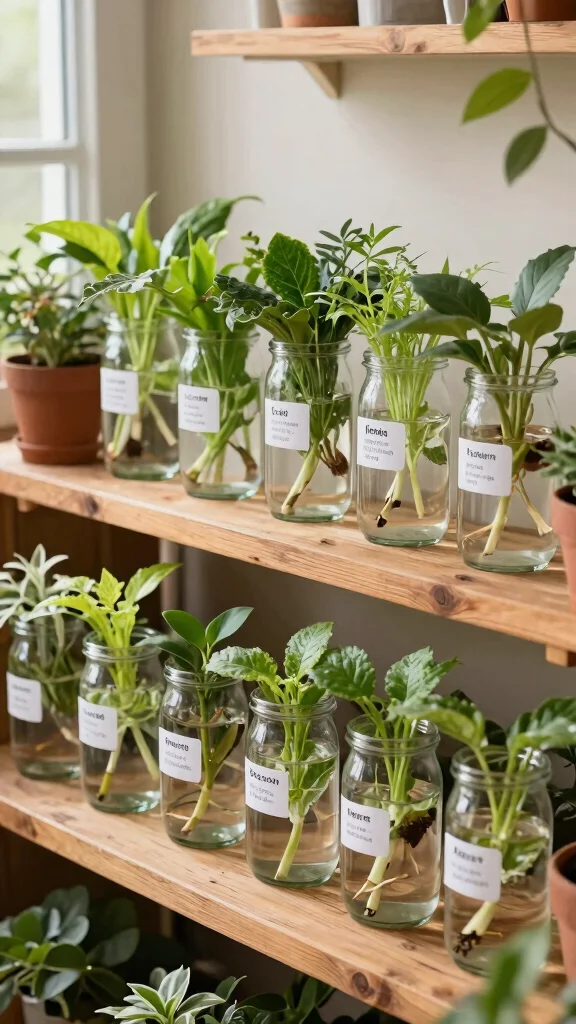
Enhancing your seed library with a propagation station can be rewarding and fun. A propagation station allows you to grow new plants from cuttings, keeping your library vibrant and productive. Use a simple shelving unit or wall-mounted rack to showcase glass vases filled with water and cuttings.
Label each cutting with its name and care instructions for easy tracking of growth. Utilize colorful twine to hang cuttings, creating a stunning display that is both beautiful and functional.
Here are some tips for a successful propagation station:
– Use clear glass containers to monitor water levels and roots.
– Incorporate natural light for the best growth conditions.
– Adjust the height for accessibility and visual appeal.
A lively propagation station adds personality to your seed library, showcasing your favorite plants uniquely.
Fun fact: a simple propagation station can yield 10–12 new plants from 5 cuttings in a season. Label each cutting with its name and care notes, and hang them with colorful twine on a compact wall rack. That keeps your seed library vibrant and reachable.
How To Choose The Right Seed Library for Your Home
Creating your own seed library can be a rewarding journey in home gardening. To help you build a beautiful and organized collection, consider the following criteria when choosing the right seed library setup for your small space.
1. Size
When selecting a seed library, size matters. Assess the available space in your home or garden. If you’re limited on room, opt for compact solutions like jars or small trays. Measure your area and ensure there’s enough room for your chosen storage method without cluttering your living space. Consider shelf dimensions or countertop availability as well.
2. Material
The material of your seed storage can influence both aesthetics and durability. Glass jars are stylish and provide excellent visibility, while plastic containers are lightweight and come in various sizes. Choose materials that are easy to clean and protect seeds from moisture. If you prefer a rustic look, wooden boxes can add charm but require more maintenance.
3. Features
Different seed libraries offer various features to enhance organization. Look for options with dividers or labeled sections for easy access. Some storage options come with guides for seed-saving and plant propagation. Think about whether you want a digital inventory as well, which could make tracking easier. Prioritize features that will complement your gardening style and ensure ease of use.
4. Budget
Seed libraries come in a wide range of prices, so it’s essential to set a budget. You can create a fantastic library for little to no cost with DIY solutions, such as repurposing containers or crafting your own seed packets. Alternatively, invest in high-quality storage if you plan to expand your collection over time. Determine what you can afford without compromising on the quality of your supplies.
5. Aesthetic Appeal
The look of your seed library is important, especially if it will be on display. Choose a design that fits your home decor and makes you excited to use it. Displaying your seeds can inspire you to garden more often. Consider colors, shapes, and styles that resonate with you. A beautiful setup not only organizes but also enhances your gardening experience.
6. Accessibility
Make sure the seed library is easy to access. You want to grab seeds quickly while gardening. If you have kids or pets, consider securing the seeds in a way that’s still user-friendly but safe from curious hands. This will encourage the whole family to participate in gardening, making it a fun and educational activity.
Pro Tip: Start small and gradually expand your collection. It’s easier to manage a few seed varieties at first. As you become more comfortable with seed saving and plant propagation, you can add more seeds to your library. Don’t forget to label everything clearly to keep your organization skills intact!
Following these guidelines will help you create a seed library that not only serves its purpose but also fits beautifully into your home. Enjoy the journey of seed saving and home gardening!
8. Seasonal Seed Inventory
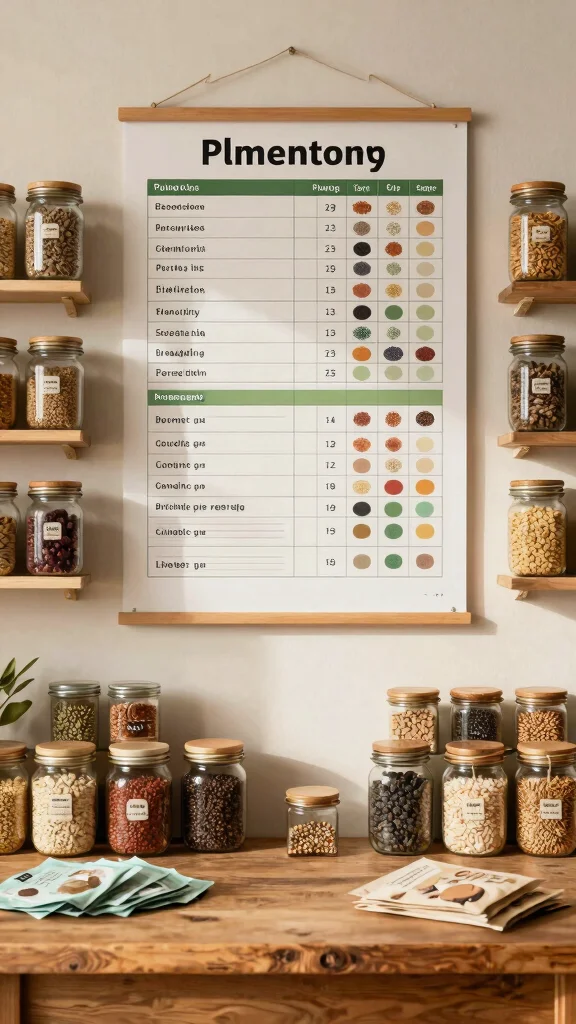
Maintaining a seasonal inventory of your seeds can greatly simplify your gardening efforts throughout the year. Dedicate a section of your seed library to track available seeds, what needs replenishing, and any new varieties to explore. Organizing by planting seasons ensures you’re ready for each gardening adventure.
Use a simple spreadsheet or create a visual chart to hang on the wall. This keeps your gardening organized and serves as a motivational tool when planning for upcoming seasons.
Tips for maintaining a seasonal seed inventory include:
– Update your inventory after planting sessions.
– Highlight successful seeds from previous seasons.
– Make notes on new seeds to try for the next planting.
This systematic approach enhances your gardening success and makes planning more enjoyable.
You Might Also Like

9. Creative Seed Labels
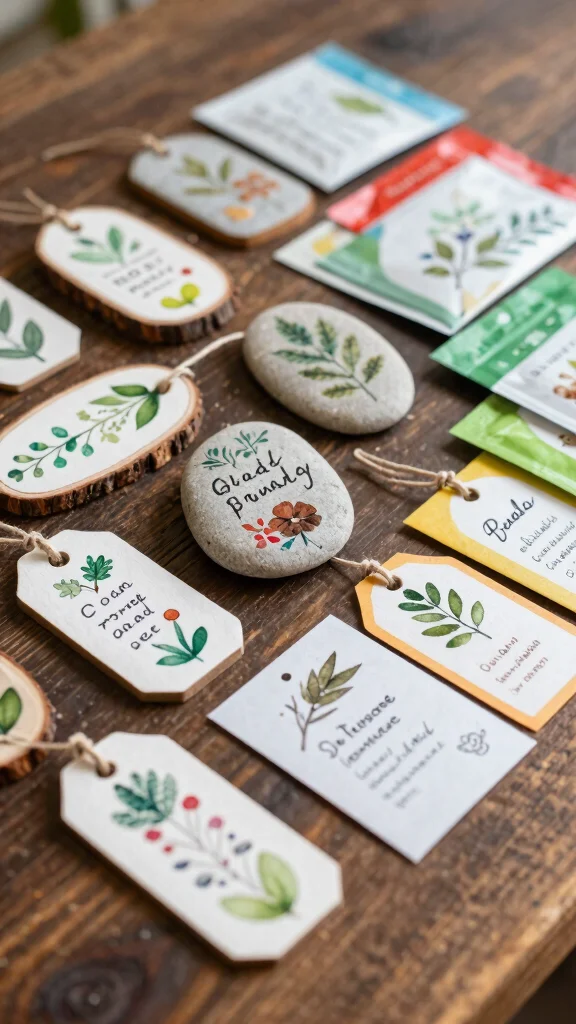
Seed labeling might seem basic, but it significantly enriches your seed library. Create visually appealing labels that reflect your personal gardening style. Use decorative washi tape, watercolor designs, or even DIY clay labels for a rustic vibe.
Each label should feature the plant name, planting date, and care notes. Add illustrations or color-coding for quick identification. This keeps everything organized while adding a beautiful touch to your collection.
Here are some ideas for creative seed labels:
– Use natural materials like wood slices for a rustic appeal.
– Create fun designs with waterproof markers.
– Incorporate seasonal themes for a festive touch.
Beautiful labels can transform your seed library into a work of art, blending functionality with creativity.
Creative Seed Labels
Editor’s Choice

Weysat 200 Pcs 12″ Wood Plant Labels for Field or Containers Plant Tags …

Colingmill 12 Sets Plant Labels Slate Plant Tags Garden Sign Marker Weat…
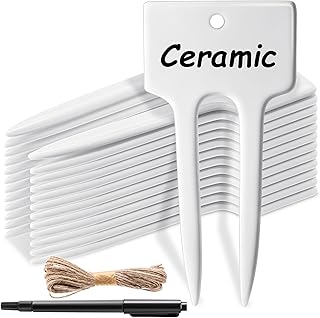
Colingmill 24 Pack Ceramic Plant Labels Garden Markers 4 Inch T-Type Pla…

100 Pack Large 11.8″ Plant Labels for Outdoor Garden Waterproof, T-Type …

Chef-Master 90032 Waterproof Markers | 5 Different Vibrant Colors | Safe…
Conclusion
Building a seed library at home is a fulfilling endeavor filled with creativity, organization, and community connection. By incorporating these nine ideas, you can create a beautiful seed library that not only reflects your personal gardening style but also encourages sustainable practices and community sharing.
As you embark on this journey, remember that every seed you save holds the potential for new life and new experiences. So gather your supplies, get organized, and enjoy the beauty of gardening right from your home!
Note: We aim to provide accurate product links, but some may occasionally expire or become unavailable. If this happens, please search directly on Amazon for the product or a suitable alternative.
This post contains Amazon affiliate links, meaning we may earn a small commission if you purchase through our links, at no extra cost to you.
Frequently Asked Questions
What is a seed library and how can it work in a small urban space?
A seed library is a community-driven system where people share seeds they’ve saved or grown, creating a lending and swapping network that keeps varieties local. In a small urban space, you can run it on a compact shelf or a slim bin, with packets stored in labeled envelopes and a simple loan log. Start with a few easy, open-pollinated varieties and a straightforward catalog. Tag each packet with plant name, variety, year saved, and notes for seed saving suitability. Keep seeds dry, cool, and out of direct sun to maximize shelf life. To involve neighbors, host a quarterly seed swap and invite others to contribute, turning your setup into a vibrant community gardening circle. For solid gardening organization, group seeds by plant family and rotate stock seasonally.
What are the essential steps to start a seed library at home with limited space?
Begin with a small, accessible space and a compact container system (shelves, bins, or jars). Next, pick 5–10 easy, open-pollinated varieties that save well and suit your climate. Create a simple lending policy: who can borrow, how long, and how to return or share seeds. Build a basic catalog or list and label every packet with plant name, variety, year saved, and notes for seed saving. Store seeds in a cool, dry spot using airtight containers; consider desiccants for extra protection. Establish a routine for saving seeds from your own harvest and for exchanges with neighbors to boost home gardening and gardening organization. Finally, invite friends from the local community gardening network to participate and contribute.
Which seeds are easiest to save and share in a home seed library for beginners?
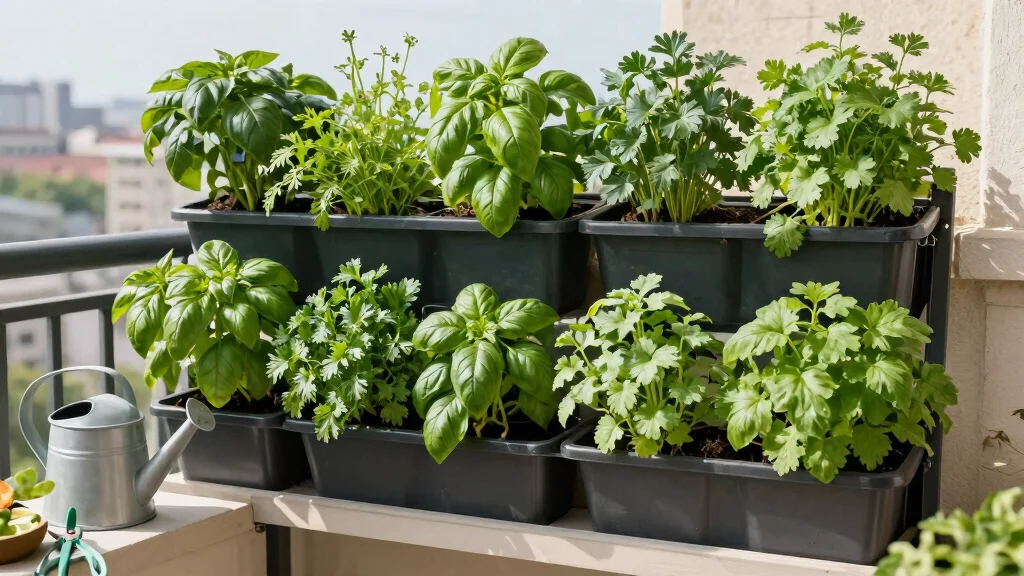
Focus on open-pollinated, easy-to-save crops like lettuce, peas, beans, radish, peppers, tomatoes, kale, and herbs such as basil or dill. These varieties tend to stay true to type and are more forgiving in small gardens, which makes seed saving and sharing straightforward. Store saved seeds in breathable packets, dry thoroughly, and label with year and variety. A practical approach is to start with crops you can harvest and save within one growing season, then re-share the saved seeds with neighbors to grow a thriving community gardening circle. Always note whether a variety is seed saving friendly to guide future selections for home gardening.
How can I organize a seed collection to save time and reduce waste?
Create a simple, consistent labeling system: plant family, variety, year saved, and germination notes. Use clear packets, jars, or envelopes and store them in a cool, dark place with low humidity. Keep a rolling inventory—date new seeds, mark damaged packets, and run germination tests to verify viability before sharing. Consider a digital catalog or a dedicated notebook so you can search by crop, season, or plant propagation ideas. Regularly prune old stock and refresh your gardening organization to keep your seed library efficient and enjoyable for home gardening enthusiasts and your local community gardening network.
How can a seed library promote community gardening and neighbor involvement in small spaces?
Seed libraries are built for connection. Host seed swaps, propagation workshops, and mini-tours of your urban growing space to share plant propagation techniques. Encourage neighbors to contribute seeds from their own harvest and exchange tips for growing in containers, window boxes, or small balconies—perfect for urban seed libraries. Pair with a local community gardening project or school to expand access and education, creating a friendly hub that emphasizes seed saving, sustainability, and efficient gardening organization.
Related Topics
seed library
urban gardening
small space gardening
seed saving
plant propagation
gardening organization
community gardening
beginner friendly
DIY seed storage
seasonal planting
home gardening
easy gardening tips