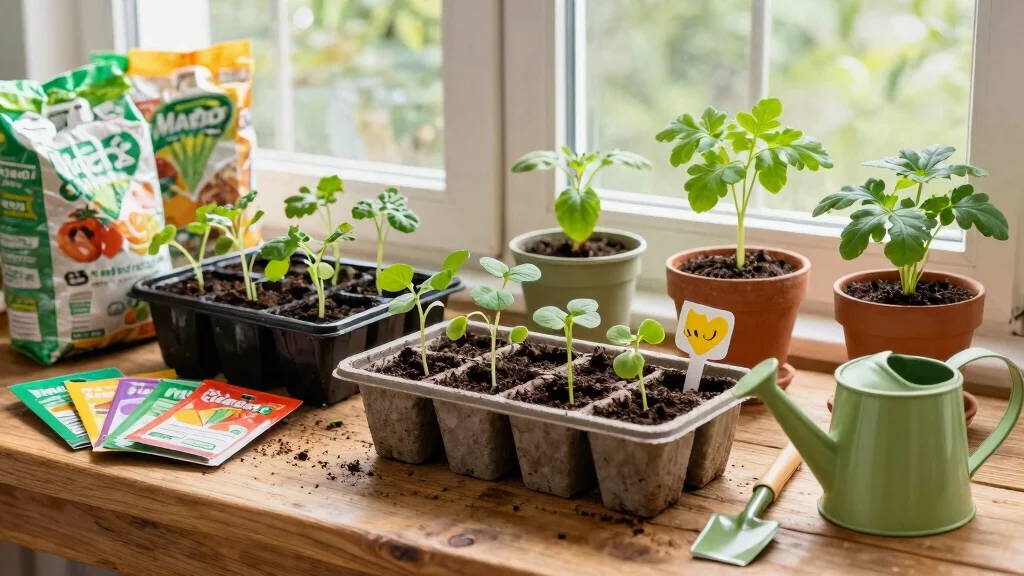
Gardening has me craving the fresh taste of homegrown vegetables and herbs right at my fingertips. If you’re someone who’s been dreaming of cultivating your own indoor garden but feels limited by small spaces, this post is for you. Whether you’re living in a cozy apartment or a tiny house, you can still create a vibrant garden that flourishes from seed to harvest.
I pulled together ten practical seed growing ideas that are simple, effective, and perfect for anyone starting their gardening journey. From using kitchen scraps to choosing the right seed trays, these tips will help you unlock the joys of indoor seed growing. You’ll discover beginner-friendly techniques and garden planning ideas to transform your small space into a thriving oasis of greenery. Let’s dig in!
Key Takeaways
– Kitchen Scraps: Learn how to kickstart your garden using kitchen scraps, reducing waste while growing fresh produce.
– Seed Trays: Selecting the right seed trays can greatly improve your success in starting seeds indoors, ensuring proper drainage and space.
– Herbs for Beginners: Discover beginner-friendly herbs that are easy to grow indoors, adding flavor and fragrance to your living space.
– Microgreens: Dive into the world of microgreens, which are quick to grow and packed with nutrients, perfect for limited spaces.
– Sharing the Harvest: Understand the joy of growing more than you need and how sharing your surplus can foster community connections.
1. Kickstart with Kitchen Scraps

Have you ever thought about turning your kitchen scraps into fresh plants? This eco-friendly method is not only sustainable but also a delightful way to interact with your food. You can easily regrow green onions, lettuce, and herbs from the leftovers of your meals, creating a little green oasis in your home.Start by placing the roots of green onions in water and setting them in a sunny spot. Within days, you’ll witness new growth sprouting. Similarly, lettuce stems can grow fresh leaves in water, allowing you to harvest them multiple times. This approach is perfect for anyone wanting to save money while starting their gardening adventure!Seed Starting Tips:– Use clear jars to easily monitor root growth.
– Change the water every couple of days to prevent rot.
– Once they’ve grown enough, transfer them to soil for longer harvests.
Using kitchen scraps makes gardening accessible and enjoyable. You’ll be amazed at how much you can grow from what you once considered waste!
Kickstart with Kitchen Scraps
Editor’s Choice

Ahopegarden Indoor Garden Hydroponics Growing System: 10 Pods Plant Germ…

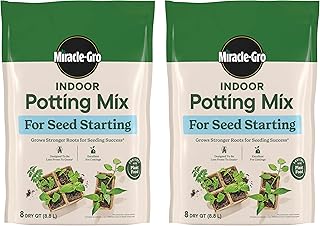
Miracle-Gro Indoor Potting Mix for Seed Starting, For Starting Vegetable…

Burpee SuperSeed Seed Starting Tray | 36 Cell Reusable Seed Starter Tray…
2. Choose the Right Seed Trays
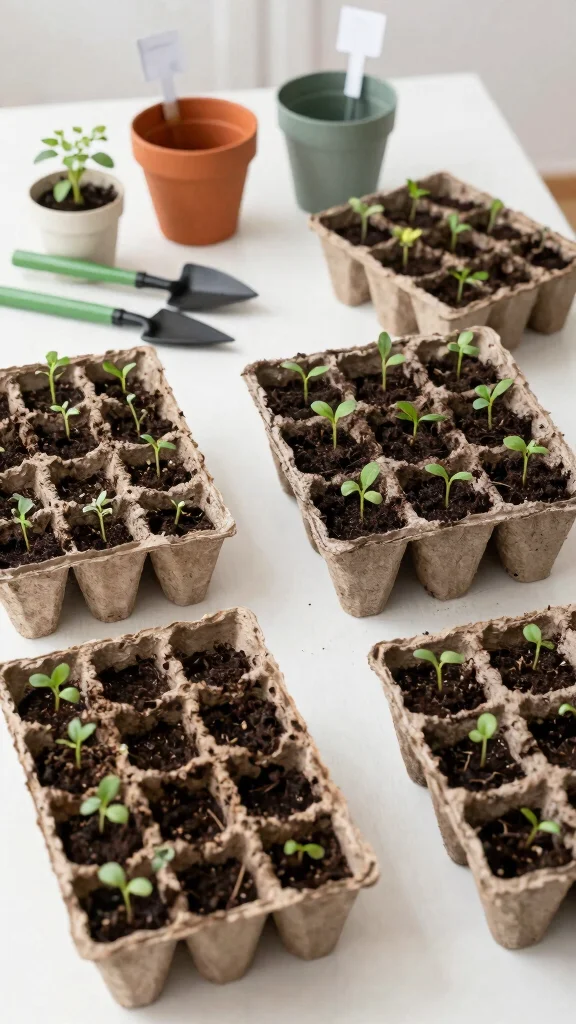
Choosing high-quality seed trays is essential for successful indoor gardening. Look for biodegradable options made from peat or coconut coir, as they support healthier seedlings and are better for the planet. Proper drainage is key, as it prevents your seeds from drowning and promotes strong growth.Select trays that allow roots to develop adequately. If your space is limited, consider stacking trays or those with humidity domes to hold moisture. This way, you’ll make the most of your area while giving your seeds the best chance to thrive!Beginner Gardening Techniques:– Label each tray to keep track of your plants.
– Use self-watering trays for easier maintenance.
– Utilize a heating mat for consistent warmth during germination.
Investing in good seed trays is a small step that can lead to significant results in your indoor gardening journey!
Biodegradable seed trays can boost seedling health and cut waste at the same time—up to 30% less plastic in a season. Choose peat or coconut coir for better drainage, and stack trays with humidity domes to maximize tiny-space seed growing success.
Choose the Right Seed Trays
Editor’s Choice

JOPY 4 Inch Plastic Nursery Pots with Humidity Dome for Plants Clear See…

ZeeDix 6 Set Seed Starter Tray Kits, 6 Pack Seed Trays with 90 Pack Coco…
Burpee SuperSeed Seed Starting Tray | 36 Cell Reusable Seed Starter Tray…
3. Herbs for Beginners
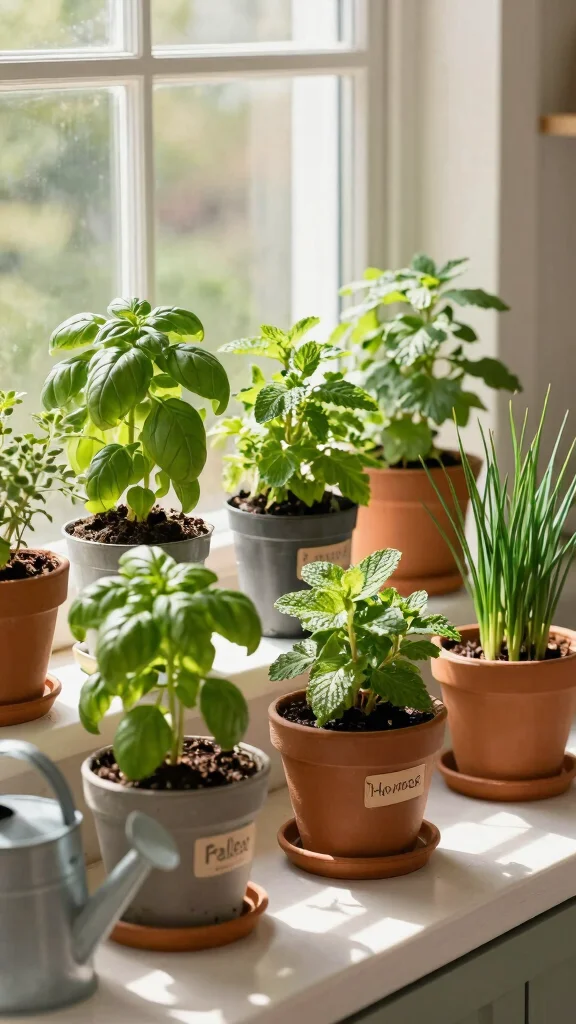
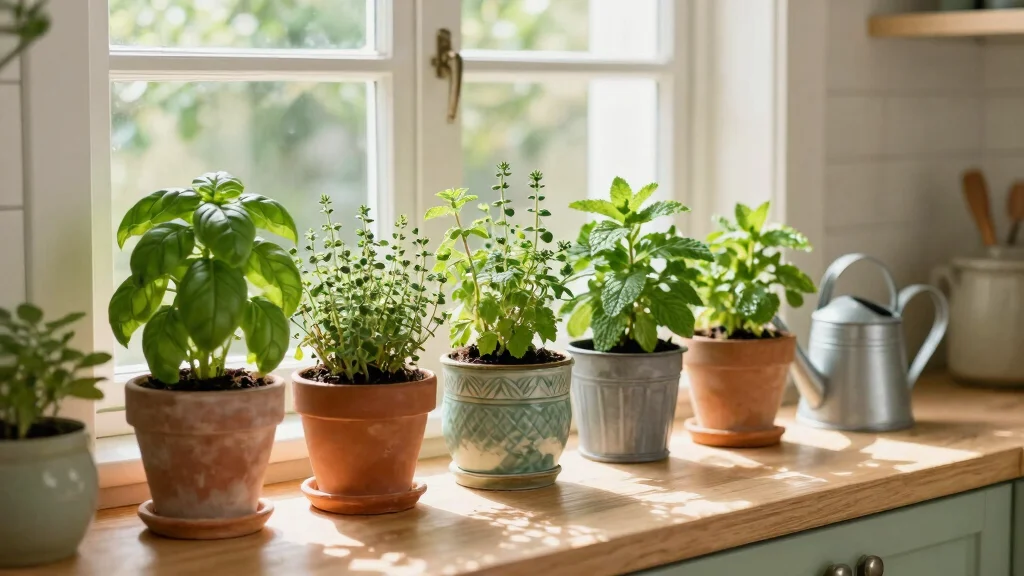
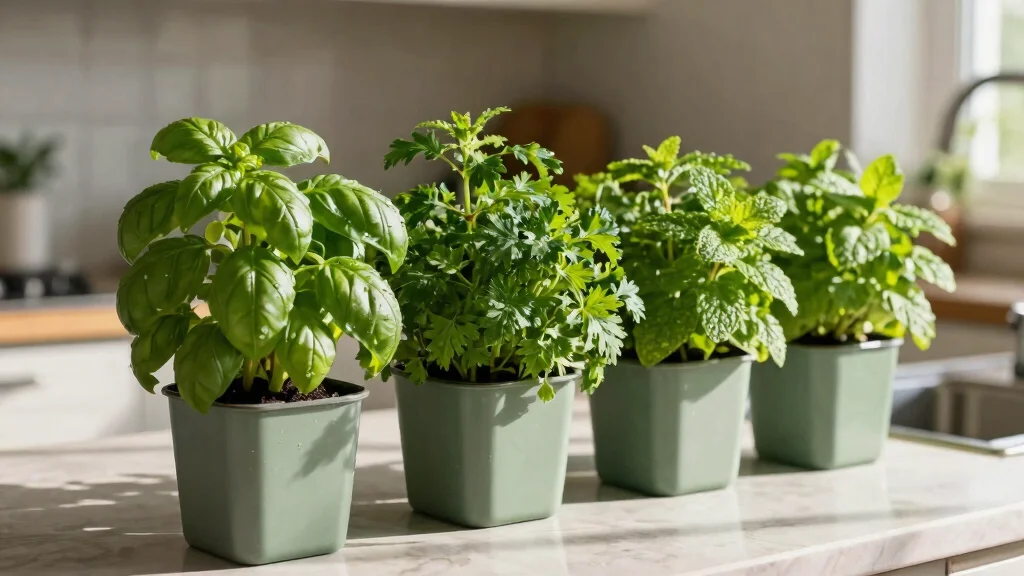
Starting with herbs is a fantastic way for newcomers to dive into seed growing. They’re easy to care for and don’t require much space, making them perfect for indoor settings. Consider beginning with favorites like basil, mint, or parsley, which thrive beautifully in small pots on sunny windowsills.These herbs not only enhance your dishes but also bring beauty to your home. They grow quickly, giving you a sense of accomplishment and encouraging your gardening journey. Plus, fresh herbs can elevate your meals without costing a fortune!Popular Vegetable Seed Varieties:– Basil: Grows well indoors; harvest multiple times.
– Mint: A vigorous grower, perfect for small containers.
– Chives: Easy to grow, adds subtle onion flavor.
Starting with herbs is both enjoyable and rewarding, allowing you to savor fresh flavors straight from your kitchen!
Herbs for Beginners
Editor’s Choice
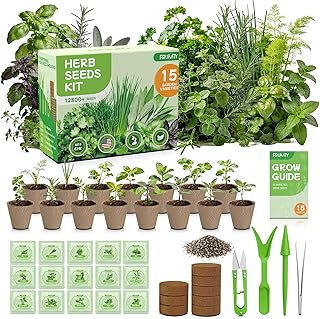
Herb Garden Starter Kit – Fruivity 12800+ 15 in 1 Herb Heirloom Seed K…

T4U 4 Pack 6 Inch Self Watering Pots – Water Level Indicator & Deep Rese…

Aokrean Plant Grow Light, 48 LEDs Full Spectrum Grow Lights for Indoor P…
4. Seed Starting Indoors

Starting seeds indoors is a fulfilling way to prepare for your outdoor garden. Choose your favorite vegetable seeds and use a seed starting mix for the best results. This mix is lightweight and helps seedlings establish strong roots. Great options for indoor seeds include tomatoes, peppers, and squash.Ensure your seedlings receive plenty of light. A sunny windowsill works well, but if natural sunlight is scarce, consider grow lights for optimal growth. Water your seeds consistently, as too much or too little moisture can hinder their development.Garden Planning Ideas:– Start seeds 6-8 weeks before the last frost date.
– Use a spray bottle for controlled watering.
– Thin seedlings to avoid overcrowding as they grow.
Starting seeds indoors gives you a head start and ensures a bountiful harvest when the time comes to transfer them outside!
Seed Starting Indoors
Editor’s Choice
Miracle-Gro Indoor Potting Mix for Seed Starting, For Starting Vegetable…
Burpee SuperSeed Seed Starting Tray | 36 Cell Reusable Seed Starter Tray…

GooingTop LED Grow Light,6000K Full Spectrum Clip Plant Growing Lamp wit…
5. Succulent Seed Growing

Succulents are a trendy choice for indoor gardens, especially for beginners. These resilient plants typically require less care than others. You can start with either seeds or leaf cuttings, both thriving beautifully in small pots.Select a succulent soil mix that provides excellent drainage, as excess moisture can lead to root rot. Plant seeds in shallow trays, lightly cover them with soil, and mist with water until damp but not soaked. Place them in bright, indirect light for the best growth.Seed Starting Tips:– Increase humidity by covering trays with plastic until they germinate.
– Remove the cover once seeds sprout to allow airflow.
– Be patient; succulents may take longer to germinate.
Growing succulents from seed offers a fun challenge that results in beautiful, drought-resistant plants!
Did you know succulents can sprout from seeds in as little as 4-6 weeks when grown in bright, indirect light? In small spaces, using a shallow tray and a well-draining succulent soil dramatically reduces overwatering—one of the top killers in seed growing indoors.
📹 Related Video: Succulent Seeds: How to Grow, Reliable Source & Tips (Mesembs & More)
You might also like
Succulent Seed Growing
Editor’s Choice

Spray Bottle for Plants 2 Pack, 16oz – Ultra Fine Mist, Plant Mister Emp…
Burpee SuperSeed Seed Starting Tray | 36 Cell Reusable Seed Starter Tray…

Back to the Roots 100% Organic Succulent & Cacti Mix (6 Quart) | Made in…
6. Vertical Indoor Gardens

Make the most of your limited indoor space with a vertical garden! Vertical gardening allows you to grow more plants while occupying minimal floor area. Use wall-mounted planters or hanging pots to create an enchanting green wall in your home.This setup not only conserves space but also brings a unique aesthetic to your decor. Choose climbing plants or herbs that flourish in vertical arrangements. With proper care, vertical gardens can be both stunning and functional.Garden Planning Ideas:– Utilize a trellis to help plants climb.
– Rotate your plants to ensure even sunlight exposure.
– Implement a drip irrigation system for hassle-free watering.
Creating a vertical garden can be a satisfying project, adding vibrancy and charm to compact spaces!
Vertical Indoor Gardens
Editor’s Choice
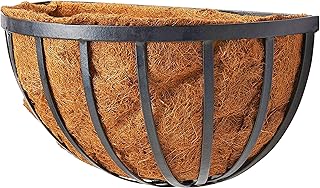
Arcadia Garden Products 1527 Half Round Wall Mounted Hanging Planter Bas…

Hydroponic & Indoor Garden Seed Kit – 20 Compact Heirloom Vegetable & …

6 Pockets Hanging Planters for Outdoor Plants, One Pack Wall Planter Ver…
7. Microgreens Magic

Microgreens are tiny edible plants that deliver a burst of flavor! They’re simple to grow and can be cultivated in small trays. Ideal for tight spaces, microgreens can be ready to harvest in just two weeks, making them perfect for beginner gardeners seeking quick results.Try growing a variety of microgreens, such as arugula, radish, and sunflower. Just sprinkle the seeds on a tray filled with soil, lightly cover them, and mist with water. Place them in a well-lit area and watch them transform into delightful greens!Seed Starting Tips:– Use shallow containers with drainage holes.
– Keep the soil consistently moist but not soggy.
– Harvest with scissors when they reach 2-3 inches tall.
Growing microgreens is a fantastic way to add fresh flavor to your meals while enjoying the excitement of indoor gardening!
Microgreens Magic
Editor’s Choice

4-Tier Seed Sprouting Kit with Drain Holes and Drain Tray, Upgrade Stack…

Mr. Pen- Seed Starter Trays, 5 Pack, 17″x10″x2.4″, Durable Plastic Growi…

Microgreen Seeds Variety Pack – 10 Heirloom Types for Indoor Sprouting…
8. Companion Planting Indoors
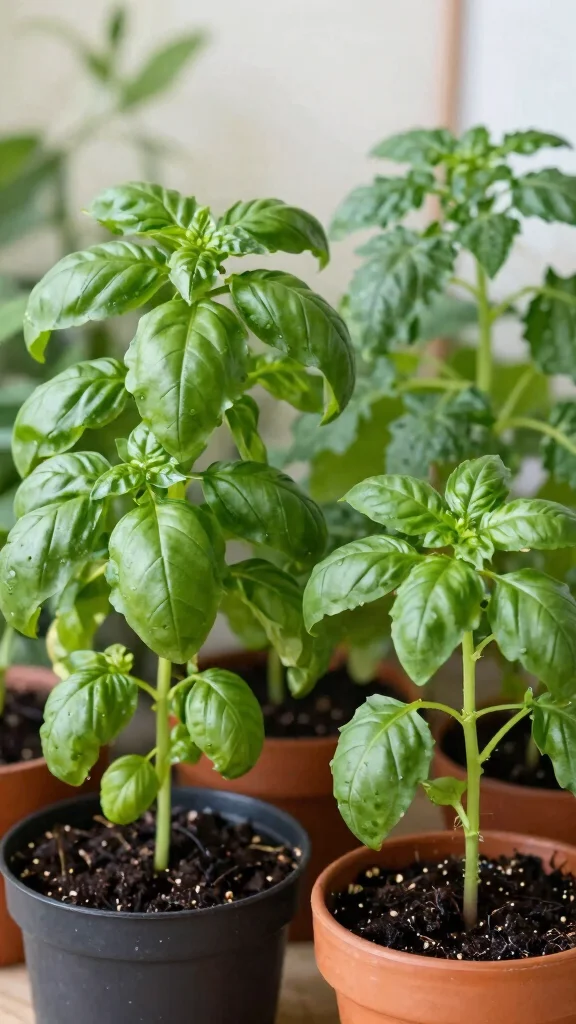
Companion planting involves pairing plants that benefit each other as they grow, and this can be effectively applied in indoor gardens. For example, basil and tomatoes thrive together and can enhance each other’s flavors.Consider how certain plants can support one another when planning your indoor garden. Some can ward off pests, while others improve nutrient absorption. This method not only makes gardening practical but also adds an exciting twist to your planting strategy!Beginner Gardening Techniques:– Research which plant pairs work best together.
– Rotate companion plants to maximize growth potential.
– Observe growth to understand how companions support each other.
Implementing companion planting can lead to a thriving indoor garden that’s productive and healthy!
You Might Also Like

How To Choose The Right Seed Trays
When starting your indoor garden, selecting the right seed trays can make a big difference in your success. These trays will be your seedlings’ first homes and can help them thrive as they grow. Here are essential criteria to consider when choosing the best seed trays for your seed growing journey.
1. Size Matters
Choose seed trays that fit your space and the types of seeds you’re planting. Standard trays typically come in different sizes, with cells ranging from small (36 cells) to large (6 cells). If you have limited space, opt for smaller trays that allow for more plants in a compact area. You want to ensure that each seedling has enough room to thrive without overcrowding.
2. Material Composition
Seed trays are available in various materials like plastic, biodegradable, and metal. Plastic trays are durable and reusable but may not be eco-friendly. Biodegradable trays made from peat or bamboo are excellent for the environment, as they can be planted directly into the soil. Consider your gardening goals and sustainability preferences when selecting the material.
3. Drainage Features
Good drainage is essential for healthy seedlings. Look for trays with drainage holes at the bottom to prevent water from pooling and causing root rot. Some trays come with a base for collecting excess water, which can be helpful to avoid messes and ensure adequate moisture levels. Ensure the drainage system meets the needs of the seeds you are growing.
4. Cell Depth and Design
The depth of the cells affects root development. Deeper cells allow roots to grow more extensively, making them ideal for larger plants like tomatoes. For smaller herbs or flowers, shallower trays may suffice. Check the design features as well; some trays have dividers to help with transplanting later, which can be beneficial for your garden planning.
5. Budget-Friendly Options
Seed trays come at various price points. While it’s tempting to go for the cheapest option, consider the long-term investment. A quality tray might cost more upfront but will last through multiple planting seasons. Look for sales or bulk-buy discounts to save money while still ensuring you’re getting a quality product.
6. Eco-Friendly Alternatives
If you’re passionate about sustainability, look for seed trays made from recycled materials or those that are compostable. Many companies offer eco-friendly options that help reduce plastic waste. These choices not only support your gardening efforts but also contribute positively to the environment.
Pro Tip: Before purchasing, read reviews or ask fellow gardeners about their experiences with specific seed trays. This firsthand knowledge can guide you in making the best choice tailored to your seed growing needs.
By considering these factors, you can select the right seed trays that will help your seedlings grow strong and healthy. Happy gardening!
Companion Planting Indoors
Editor’s Choice
Ahopegarden Indoor Garden Hydroponics Growing System: 10 Pods Plant Germ…

Heirloom Rainbow Mix Tomato Seeds for Planting – Colorful Heirloom Varie…

Sow Right Seeds – Genovese Sweet Basil Seed for Planting – Non-GMO Heirl…
9. Seasonal Seed Planting
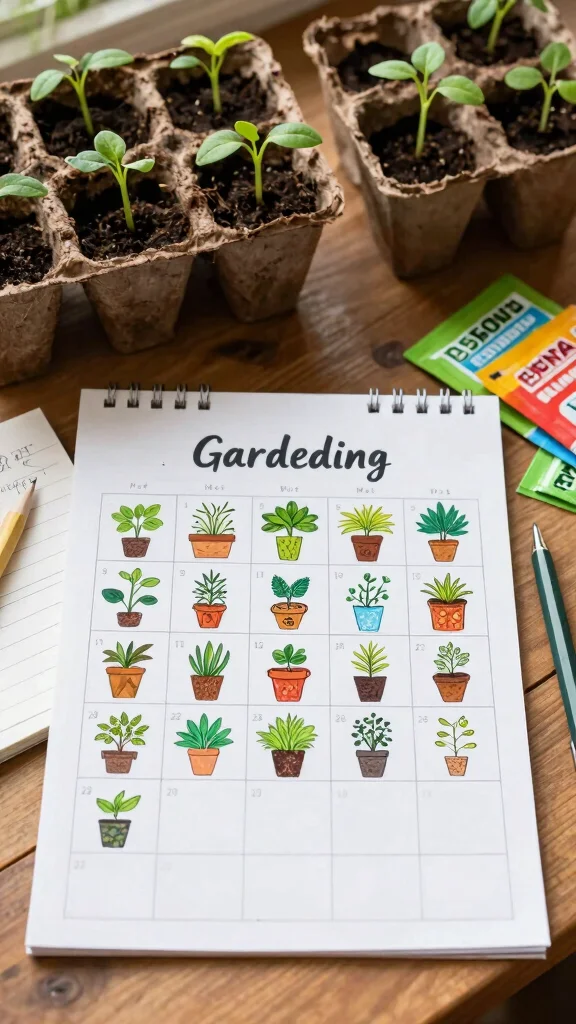
Understanding the seasons is essential for successful seed growing. Each plant has its ideal planting time for optimal growth. For instance, starting seeds indoors for summer vegetables should happen in late winter or early spring, while cool-season crops like kale can be started in late summer or fall.Plan your gardening calendar by researching the best planting windows for your chosen seeds. This ensures that when it’s time to transplant outdoors, your seedlings will be robust and ready. A bit of planning can significantly enhance your indoor gardening success!Garden Planning Ideas:– Keep a calendar for planting dates and transplanting tasks.
– Create a rotation plan for continuous growth.
– Consider season extension techniques for prolonged harvests.
Being aware of the seasons will help you maximize your indoor gardening success, allowing for a variety of plants all year round!
Fun fact: Starting warm-season seeds indoors 6-8 weeks before the last frost gives sturdy transplants just in time for summer growth. Cool-season crops like kale perform best when started in late summer or fall, so your indoor seed growing stays productive year-round.
Seasonal Seed Planting
Editor’s Choice
The 2026 Old Farmer’s Almanac Gardening Wall Calendar
Burpee SuperSeed Seed Starting Tray | 36 Cell Reusable Seed Starter Tray…

LEOTER Grow Light for Indoor Plants – Upgraded Version 80 LED Lamps with…
10. Grow and Share
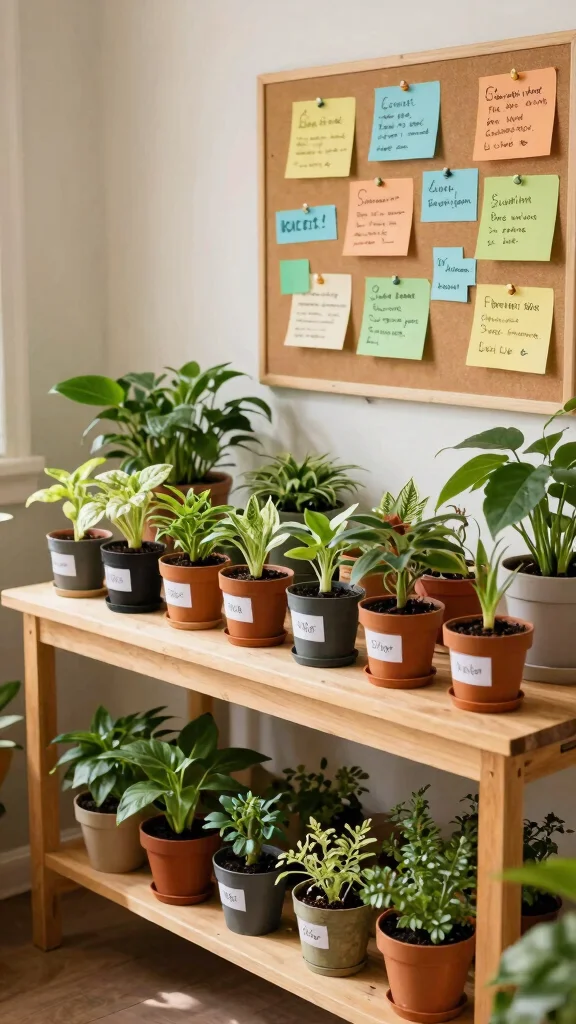
After your seeds sprout and flourish into beautiful plants, think about sharing your success with others. Swap seedlings with friends or family, or donate extras to a local community garden. Sharing not only spreads joy but also fosters a sense of community among gardening enthusiasts.You can also document your gardening journey on social media. Share tips, tricks, and milestones with fellow gardeners, creating a supportive network of inspiration.Seed Starting Tips:– Organize a small seedling swap meet in your neighborhood.
– Share your gardening experiences online to motivate others.
– Consider starting a local indoor community garden project.
Gardening is as much about relationships and connection as it is about plants. Celebrate your indoor garden’s success and the joy it brings to those around you!
Grow and Share
Editor’s Choice

2 Pack Garden Marker Pen Permanent Markers Black (UV Fade Resistant Mark…

Garden Planner and Log Book: Monthly Gardening Organizer Notebook for Av…
Burpee SuperSeed Seed Starting Tray | 36 Cell Reusable Seed Starter Tray…
Conclusion

Starting an indoor seed garden may seem daunting at first, but with these ideas, you’re well on your way to cultivating a vibrant, thriving space in your home. Each step, from choosing the right seeds to sharing your bounty, helps you connect with nature and your community.
Dive into your journey with confidence and creativity, and don’t forget to enjoy the process. You’re not just growing plants; you’re nurturing your own green oasis, right inside your home!
Note: We aim to provide accurate product links, but some may occasionally expire or become unavailable. If this happens, please search directly on Amazon for the product or a suitable alternative.
This post contains Amazon affiliate links, meaning we may earn a small commission if you purchase through our links, at no extra cost to you.
Frequently Asked Questions
Question: What Are Essential Seed Starting Tips for Indoor Seed Growing in a Small Space?
Starting seeds indoors in a small space is totally doable. Here are practical steps to get you from seed to sprouts:
1) Choose compact vegetable seed varieties that stay small or bushy, like dwarf tomatoes or leafy greens.
2) Use a high-quality seed starting mix and clean, well-draining trays to support healthy seed growing.
3) Provide bright light for 12–16 hours daily with a grow light or sunny window to encourage strong seed growing.
4) Keep soil evenly moist but not soggy; water from the bottom when possible to prevent damping off.
5) Label each tray and keep a simple garden planning ideas calendar to track germination and transplant timing.
6) Use a humidity dome during germination, then remove it gradually as sprouts appear.
7) When seedlings have true leaves, thin or transplant to slightly larger containers and begin hardening off before any outdoor move.
With these seed starting tips, seed growing becomes manageable even in limited space.
Question: How Can I Choose Vegetable Seed Varieties for Indoor Seed Starting in a Compact Garden?
Choosing the right vegetable seed varieties is key for seed growing in a compact indoor garden. Start with compact or bush varieties and look for shorter days to maturity. Check seed packets for days to maturity and container suitability. For smart garden planning ideas, group crops by light needs and harvest windows so you can maximize space. Include quick-wins like lettuce, spinach, radish, and herbs, plus a few longer-season options you can transplant later if you have outdoor space. Pick a mix of fast growers and reliable performers to keep the indoor garden productive.
Question: What Beginner Gardening Techniques Are Most Effective When Planting Seeds Indoors?
Here are beginner gardening techniques that work great for planting seeds indoors in small spaces:
1) Sow seeds at the recommended depth (usually 2–3x the seed diameter) and water with a fine spray to avoid displacement.
2) Start with a simple setup: shallow trays, lightweight soil mix, and a bright light source.
3) Use a heat mat for warmth if your room runs cool to improve germination.
4) Keep conditions consistent: steady light, steady moisture, and good air circulation to prevent mold.
5) Thin seedlings once true leaves appear so each plant has room to grow.
6) Transplant when the first true leaves form into slightly larger containers, then harden off before outdoor moves.
With these tips, seed growing becomes approachable for beginners.
Question: What Garden Planning Ideas Help Maximize Indoor Seed Growing in a Small Space?
Smart garden planning ideas help you squeeze a lot from a little:
1) Build vertical shelves or use a sunny windowsill to stack trays instead of spreading out.
2) Create light, water, and heat zones so seedlings have predictable conditions.
3) Stagger sowing every 1–2 weeks for a steady harvest and less crowding.
4) Include quick-growing microgreens or herbs to fill gaps between larger crops.
5) Label everything and keep a simple seed starting tips calendar to stay on track.
These garden planning ideas help you maximize indoor seed growing without feeling overwhelmed.
Question: How Do I Plant Seeds Indoors and Prepare for Transplanting Without Losing Time or Space?
Plan your schedule around your last frost date and the days to maturity of your vegetable seed varieties.
Steps: 1) Plant seeds indoors to the correct depth and provide bright, consistent light. 2) Feed seedlings with a mild fertilizer once true leaves appear. 3) When roots fill the pot and the plant is sturdy, begin hardening off 1–2 weeks before the intended outdoor transplant date. 4) Gradually increase outdoor exposure, starting with a few hours in mild shade and slowly increasing sun. 5) Transplant into final containers or outdoor beds with proper spacing and well-draining soil.
By following these steps and maintaining a steady seed growing rhythm, you’ll maximize space and yield while keeping the process approachable for beginners.
Related Topics
seed growing
indoor gardening
small space gardening
beginner gardening
seed starting tips
vegetable varieties
container gardening
easy planting
garden planning
urban gardening
home garden
sustainable gardening