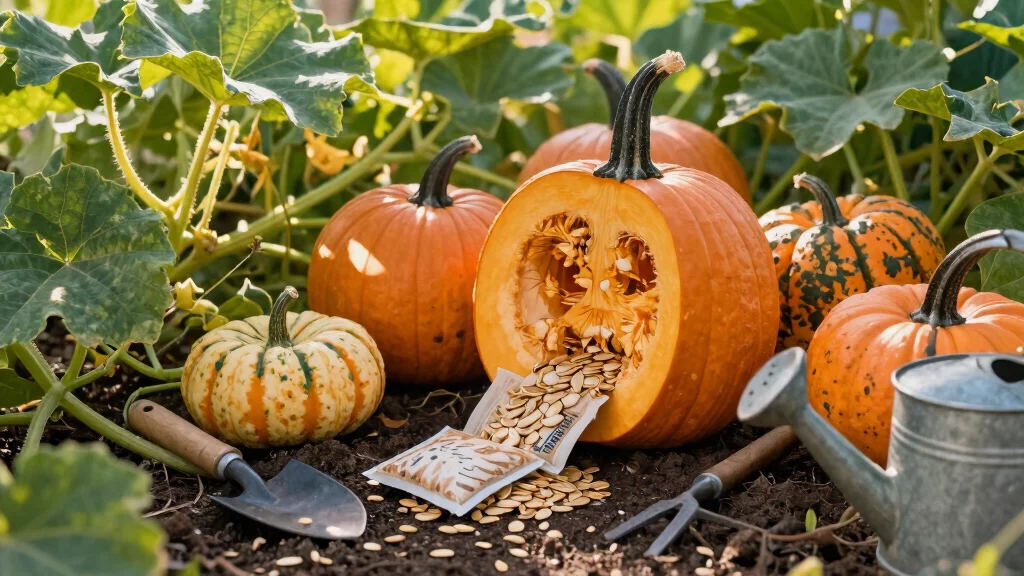
Growing your own pumpkins is not just a fun activity; it’s a way to connect with nature and share in the joy of gardening. If you find yourself dreaming of those vibrant, orange beauties gracing your autumn table, you’re in the right place. This post is crafted to help you navigate the world of growing pumpkins from seeds with ease and confidence. Whether you’re a seasoned gardener or just starting out, these tips will help ensure your harvest is not only bountiful but also beautiful.
If you’re passionate about organic heirloom pumpkin cultivation, this guide is tailored for you. You’ll get hands-on advice that’s easy to understand and implement. From choosing quality seeds to understanding the best soil for pumpkins, you’ll discover practical strategies that will pave the way for a successful growing season. By the end of this post, you’ll be ready to embrace the joys of gardening, resulting in a delightful harvest that you can enjoy with family and friends.
Let’s dive into the tips that will transform your pumpkin-growing experience into a thriving success, so you can enjoy not just the beauty of your plants, but also the tasty treats that come from them!
Key Takeaways
– Choose quality pumpkin seeds to ensure strong plant growth and vibrant fruit.
– Plant your seeds at the right time to align with seasonal conditions for optimal growth.
– Use the best soil for pumpkins to provide necessary nutrients and improve drainage.
– Understand pumpkin seed germination techniques to boost your planting success rate.
– Learn when to harvest your pumpkins for the best flavor and texture, plus tips for storage.
1. Choose Quality Seeds for Optimal Growth
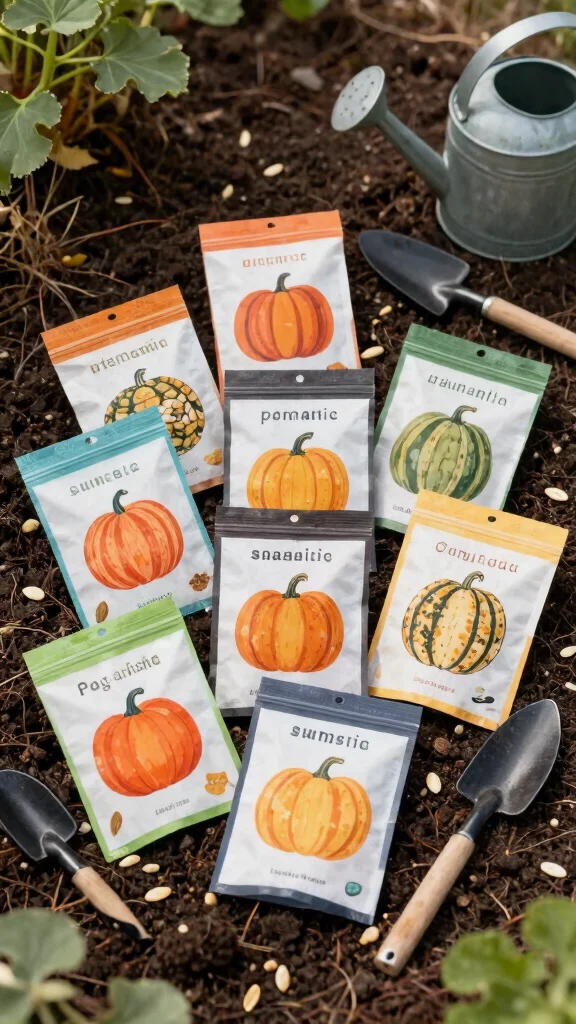
Are you ready to kickstart your pumpkin-growing adventure? Selecting high-quality seeds is your first step toward a successful harvest. Organic heirloom seeds not only offer rich flavors and stunning colors, but they also come from generations of cultivation, which can lead to better disease resistance and taste compared to hybrids.
When choosing your pumpkin variety, consider your goals. Do you want sweet pumpkins for pies or classic ones for Halloween? Sugar Pie pumpkins are perfect for baking, while Jack-o’-lanterns are ideal for carving. Check the seed packet for germination rates and ensure they fit your local climate. Healthy seeds are the backbone of a thriving pumpkin patch!
– Look for plump, firm seeds and avoid any that are shriveled or discolored.
– Explore local seed exchanges or heirloom seed companies for unique options.
– Store your seeds in a cool, dry spot until planting time.
Choose Quality Seeds for Optimal Growth
Editor’s Choice

Halatool 4 Pack Seed Starter Tray with 50 PCS Peat Pellets, 48 Cells Bla…


Terrasoul Superfoods Organic Heirloom Pumpkin Seeds, 1.5 Lbs – Sourced f…
2. Perfect Timing for Planting

Wondering when to plant your pumpkin seeds? Timing is everything! Plant your seeds once the last frost has passed, as warm soil is essential for healthy growth. Ideally, soil temperatures should be between 70°F and 95°F for optimal germination. If you’re in a cooler area, starting seeds indoors can give you a great jumpstart.
When you’re ready to transplant outdoors, make sure all frost risks are gone and the soil is warm enough. Using black plastic mulch can help heat the soil even more, boosting germination rates and nurturing stronger seedlings.
– A soil thermometer is a handy tool to check your soil temperature.
– If starting indoors, consider biodegradable pots to ease transplant shock.
– Plant seeds or seedlings with enough space between them for proper air circulation.
Perfect Timing for Planting
Editor’s Choice

Farm Plastic Supply – Poly Mulch Black Plastic Sheeting – Mulch, Black P…

Taylor Soil Testing Thermometer, Gardening Tool for Plant Care, Gardenin…

10 Plant Growing Trays (No Drain Holes) – 20″ x 10″ – Perfect Garden See…
3. The Best Soil for Pumpkins
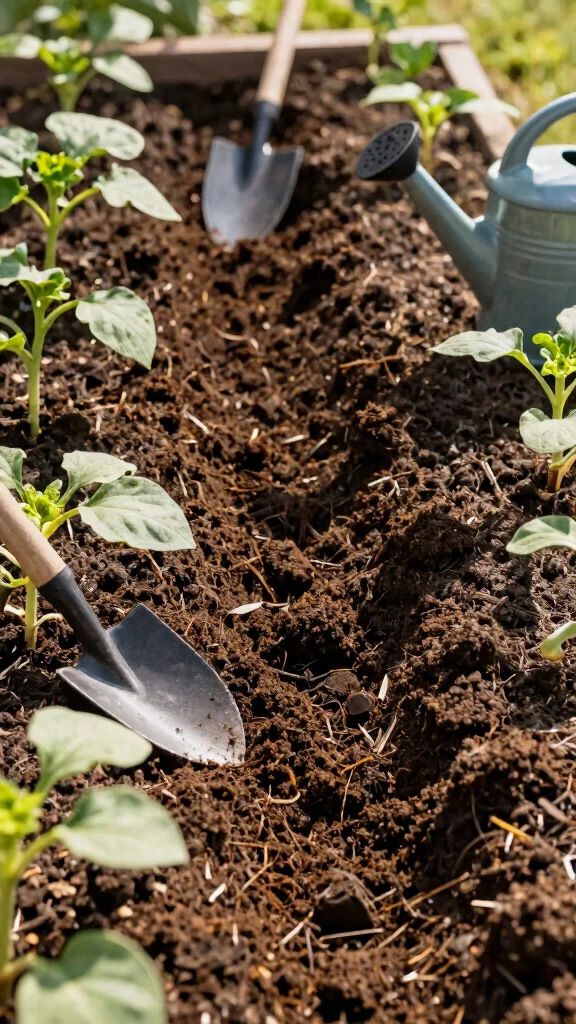
Do you want your pumpkins to thrive? They love rich, well-draining soil! The ideal mix is loamy soil, which contains sand, silt, and clay. This combination retains moisture while ensuring good drainage. Before planting, enhance your soil with organic matter like compost or well-rotted manure to boost nutrients and improve soil structure.
A soil test can help you understand your soil’s pH and nutrient levels. Pumpkins do best in slightly acidic to neutral soil, with a pH between 6.0 and 7.0.
– Mix 2 to 4 inches of compost into your garden bed before planting.
– Consider raised beds if your soil needs improvement or better drainage.
– Add organic fertilizers throughout the growing season to support growth.
📹 Related Video: Best Soil for Pumpkins | Pumpkin Soil Needs
The Best Soil for Pumpkins
Editor’s Choice

Miracle-Gro Organic Outdoor Potting Mix – Plant Soil for Outdoor Contain…
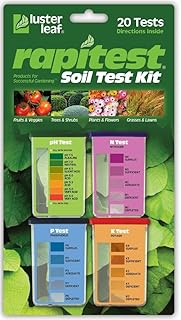
Rapitest Soil Test Kit for Gardens, Vegetables, Flowers and Lawns. USA d…

R&M Organics Premium Organic Compost 10 lb Bag for Vegetables, Flowers, …
4. Mastering Pumpkin Seed Germination
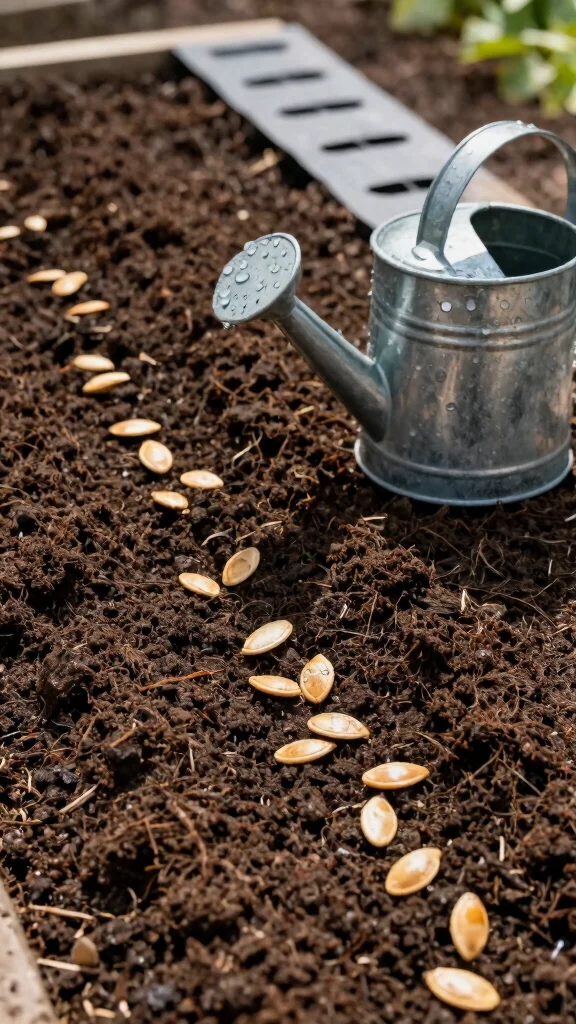
Ready to see those pumpkin seeds sprout? Successful germination is key! Start by soaking your seeds in water for 24 hours. This softens the seed coat and kickstarts the germination process. After soaking, plant them in warm, moist soil to encourage sprouting.
Cover the seeds with about an inch of soil and water gently to avoid displacing them. Keeping the soil consistently moist (not soggy) is crucial during this stage. If you’re starting indoors, a heat mat can provide the warmth they need.
– Label your seeds to keep track of different varieties.
– Space seeds according to the recommended distance to prevent overcrowding.
– Check moisture levels daily and adjust as needed.
Mastering Pumpkin Seed Germination
Editor’s Choice

GROWIT Plant Moisture Meter – Accurately Tells You When to Water Your Pl…

VIVOSUN Durable Waterproof Seedling Heat Mat 10″ x 20.75″ UL & MET-Certi…

Burpee SuperSeed Seed Starting Tray | 36 Cell Reusable Seed Starter Tray…
5. Sunshine and Water for Healthy Growth
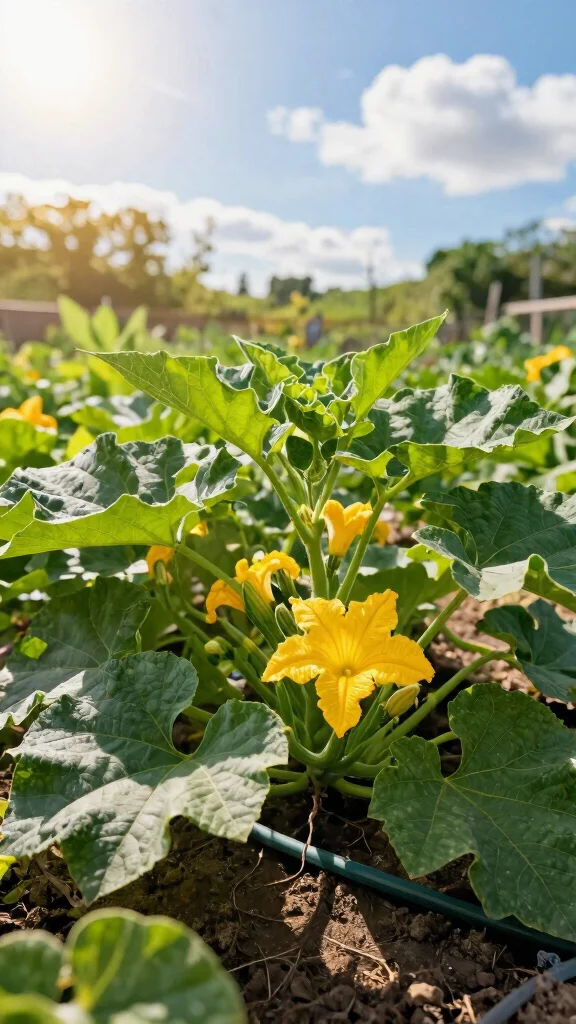
Are your pumpkins getting enough sunlight? These sun-loving plants need 6 to 8 hours of direct sunlight every day. When choosing a garden spot, find a location that basks in sunlight. Along with sunlight, consistent watering is vital, especially during flowering and fruiting.
Water deeply at least once a week, increasing frequency during dry spells. A soaker hose or drip irrigation system provides moisture directly to the roots while keeping foliage dry, which helps prevent disease.
– Watch for signs of stress, like wilting or yellowing leaves.
– Mulch around the base to retain moisture and suppress weeds.
– Stay vigilant for pests and diseases that thrive in damp conditions.
Growing pumpkins from seeds thrives on sun and steady watering: give them 6 to 8 hours of direct sunlight and water deeply at least once a week. Use a soaker hose or drip irrigation to deliver moisture to the roots while keeping foliage dry for healthier fruit.
You might also like
Sunshine and Water for Healthy Growth
Editor’s Choice

Rain Bird LNDDRIPKIT Drip Irrigation Landscape/Garden Watering Kit with …

XLUX Long Probe Deep Use Soil Moisture Meter, Water Monitor Indicator Se…

Soaker Hose 100FT, Thickened Flat Soaker Hoses For Garden 100 ft 2 pack,…
6. Pruning and Vine Management
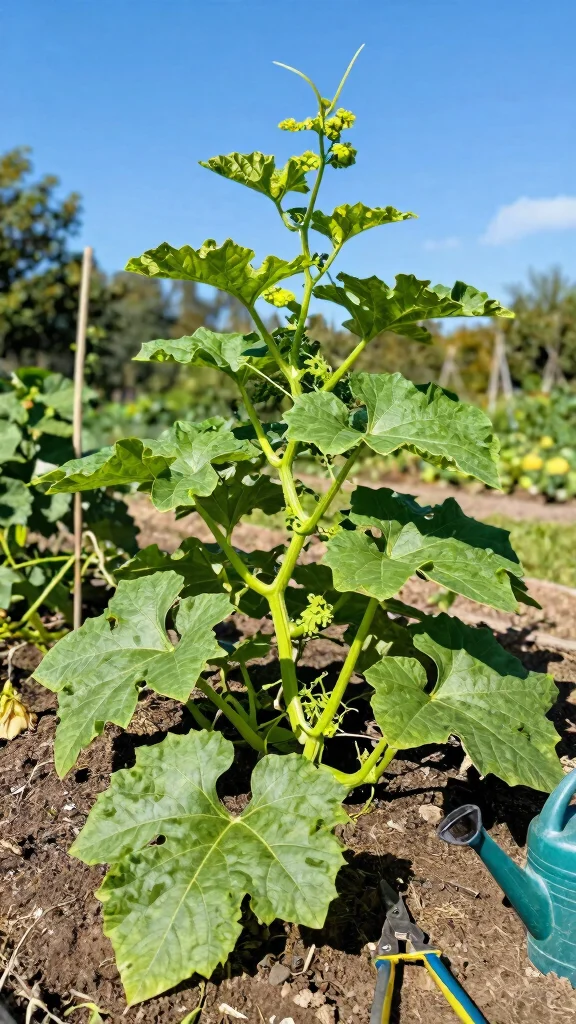
Your pumpkin plants are growing, and so are their vines! Proper vine management can enhance your pumpkin yield. Regularly inspect for overcrowded areas and prune excess growth to focus the plant’s energy on producing fruit.
Pinching off secondary vines allows the main stem to thrive, which can lead to bigger pumpkins. Remove any diseased or damaged leaves to stop issues from spreading, but be cautious; excessive pruning can stress your plants.
– Use clean, sharp shears to make cuts.
– Remove flowers forming on side vines to encourage the main vine to concentrate on fruit growth.
– Monitor the plant’s overall health as you prune.
Prune with intention and let your vines focus their energy on fruit. Pinch off secondary growth, remove diseased leaves, and use clean, sharp shears; too much pruning stresses plants, too little wastes sunlight. With mindful vine management, growing pumpkins from seeds yields bigger, healthier pumpkins.
How To Choose Quality Pumpkin Seeds
Choosing the right seeds is crucial for your pumpkin growing success. Quality seeds will lead to healthy plants and bountiful harvests. Here are some key factors to consider:
1. Seed Variety
Different pumpkin varieties serve different purposes. Whether you want large pumpkins for carving or small ones for pies, choose a variety that fits your needs. Popular options include ‘Sugar Pie’ for baking and ‘Jack-o’-Lantern’ for decoration. Research what each type offers and pick accordingly.
2. Organic or Non-Organic
When growing pumpkins, organic seeds are often the better choice. They come from plants that haven’t been treated with synthetic pesticides or fertilizers. Organic seeds can also contribute to a healthier soil environment. If you’re aiming for a sustainable garden, go for organic heirloom seeds.
3. Seed Quality
Look for seeds that are plump and intact. Shriveled or broken seeds may not germinate well. You can also check for certification seals if buying from a store or website, indicating that the seeds meet quality standards. Reading reviews can also give you insights into the seed quality.
4. Local Adaptation
Consider seeds that are known to thrive in your local climate. Seeds that are adapted to your area’s conditions will perform better. Speak with local gardeners or visit community gardening centers for recommendations on the best-performing seed varieties in your region.
5. Germination Rate
The germination rate indicates how many seeds are likely to sprout. Higher germination rates mean better odds for a successful crop. Look for seeds with a germination rate of at least 80%. You can usually find this information on the seed packet or from the seller.
6. Cost
While you may be tempted to go for cheaper seeds, remember that quality often trumps price. Higher-quality seeds may cost more upfront but can save you money in the long run by ensuring better yields and reducing the need for replacements. Calculate your budget accordingly, keeping quality in mind.
Pro Tip: Before planting, perform a germination test. Place several seeds on a damp paper towel, cover them, and keep them warm. If most sprout within a week, you’re good to go! This test helps ensure you invest time and space in viable seeds.
By carefully selecting your pumpkin seeds based on these criteria, you can set yourself up for a rewarding growing experience. Happy gardening!
Pruning and Vine Management
Editor’s Choice

Fiskars 6″ Pruning Scissors for Flower Stems, Herbs, Buds, and Small Pla…
7. Protecting Your Pumpkins from Pests
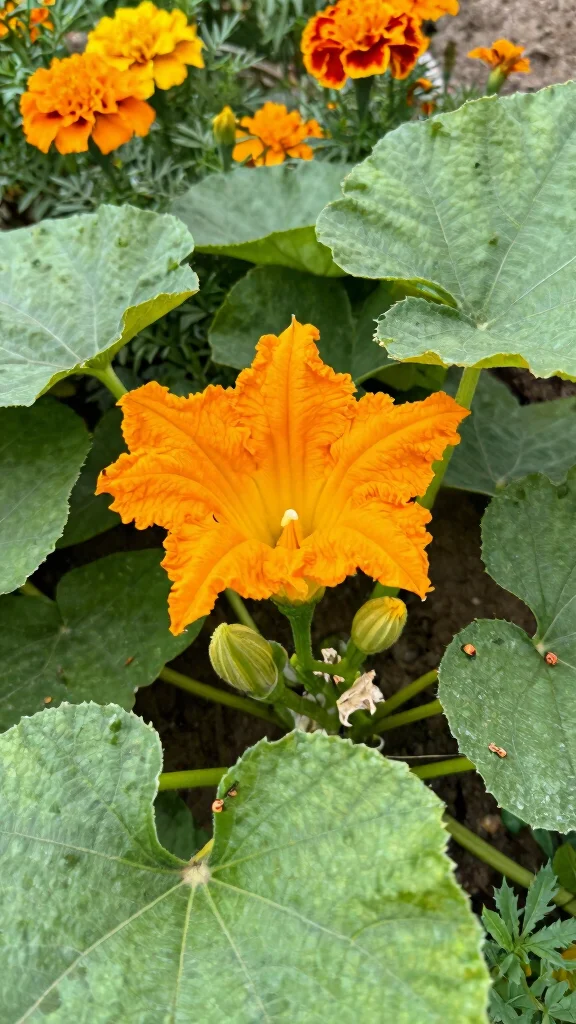
Are pests threatening your pumpkins? Squash bugs and aphids can wreak havoc on your plants. A great defense is to attract beneficial insects like ladybugs and lacewings to your garden. Planting flowers like marigolds can deter pests while inviting their natural predators.
If pests show up, act fast! Handpick them off the plants or use insecticidal soap sprays that are safe for organic gardening. Consider planting companion crops like beans or radishes alongside your pumpkins to confuse pests and boost growth.
– Regularly check your plants for signs of pest damage or infestations.
– Use row covers to shield young plants from pests early on.
– Rotate your crops each season to disrupt established pest populations.
Protecting Your Pumpkins from Pests
Editor’s Choice

HOME GROWN Marigold Seeds Bulk Mix – 5600+ Crackerjack Marigold Flower S…

NaturesGoodGuys – Green Lacewing Eggs (5000 Eggs)

Garden Safe Brand Insecticidal Soap Insect Killer, 32 Fluid Ounces, For …
8. Understanding When to Harvest
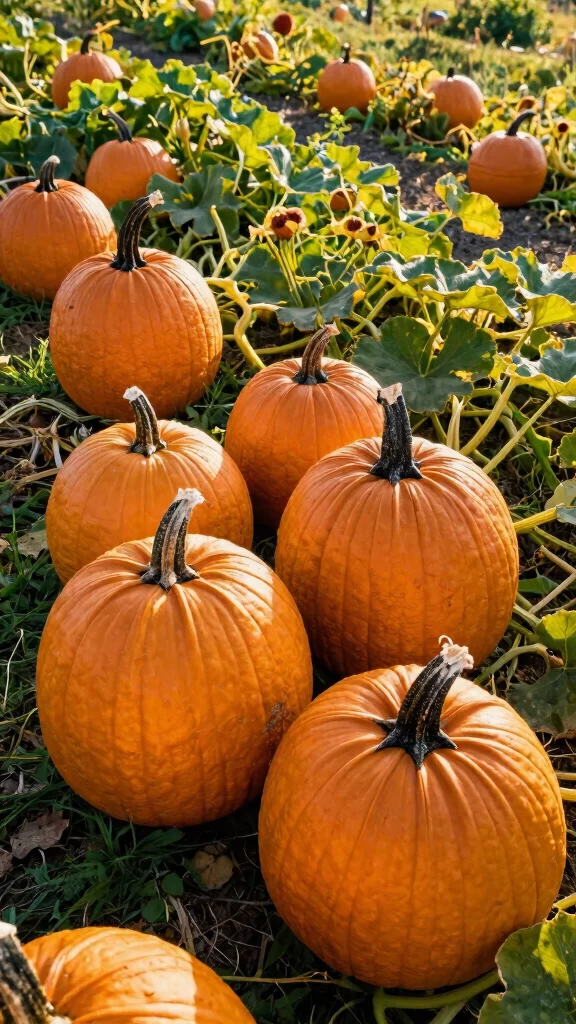
Are you unsure when to harvest your pumpkins? Timing is crucial for enjoying their full flavor. Harvesting too early results in immature fruit, while waiting too long can lead to spoilage. Look for signs: the skin should feel hard, the color should be vibrant, and the stem should start to dry out and turn woody.
Typically, pumpkins are ready for harvest from late summer to early fall. Use a sharp knife to cut the pumpkin from the vine, leaving a few inches of stem for better shelf life. Handle them gently to avoid bruising.
– Harvest on a dry day to prevent moisture issues.
– If in doubt, wait a few extra days before harvesting.
– Store harvested pumpkins in a cool, dry area away from direct sunlight.
You Might Also Like
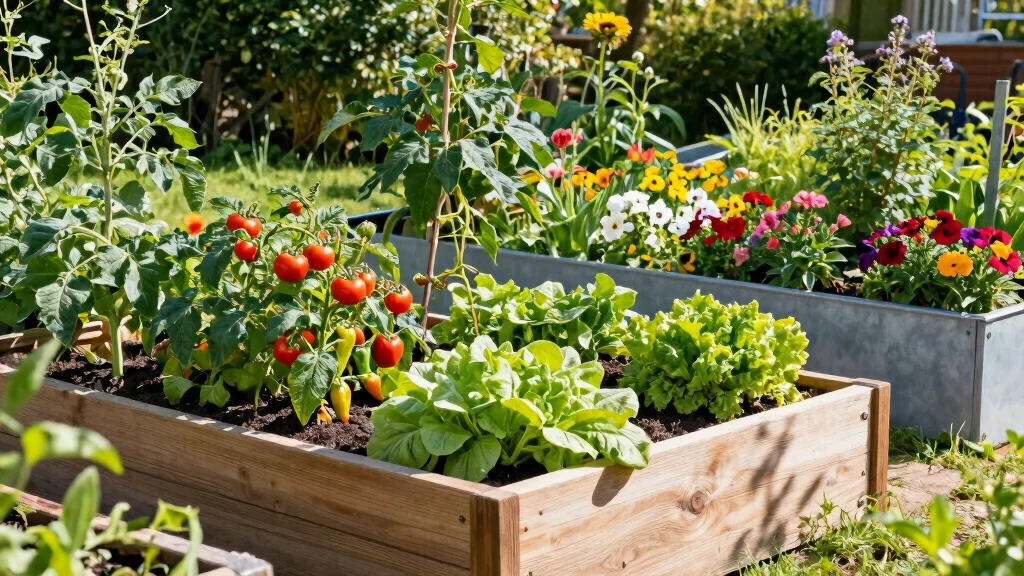
Understanding When to Harvest
Editor’s Choice

PERWIN Hori Hori Garden Knife, Garden Tools with Sheath for Weeding, Pla…

Garden Hod Harvest Basket, Durable Wooden Gardening, Supply Suitable For…
9. Storing and Enjoying Your Harvest
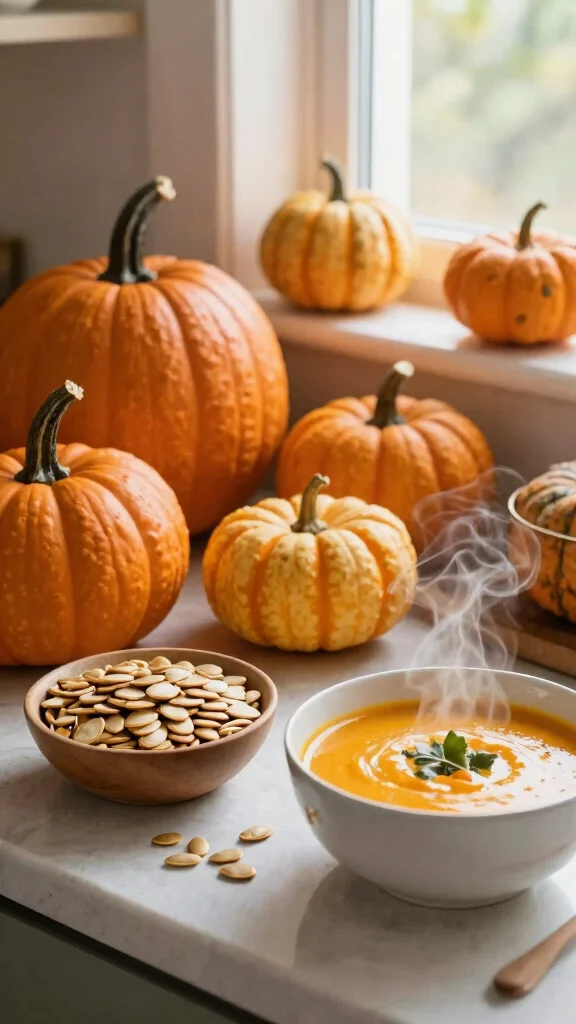
After a bountiful harvest, knowing how to store and enjoy your pumpkins is essential. For maximum longevity, keep them in a cool, dry place with good airflow. Avoid stacking them to prevent bruising. If you want to enjoy your pumpkins right away, think about recipes like pumpkin soup, pies, or even roasted seeds that highlight their deliciousness!
Some heirloom varieties offer unique flavors and textures that can elevate your meals. Don’t forget about the seeds! Roasting them yields a crunchy, nutritious snack that complements your pumpkin dishes.
– Use pumpkins for decoration before consumption, as they can last for weeks.
– Explore creative recipes to utilize every part of the pumpkin, from flesh to seeds.
– Share your harvest with neighbors or friends to spread the joy of gardening!
Fun fact: when stored in a cool, dry place with good airflow, pumpkins can last 2–3 months. Avoid stacking to prevent bruising, and roast the seeds for a crunchy, tasty bonus. Growing pumpkins from seeds teaches patience, planning, and kitchen-ready harvest joy.
Storing and Enjoying Your Harvest
Editor’s Choice

Norpro “The Original” Pumpkin Screen, 6in/15cm

Easy Pumpkin Cookbook (Pumpkin, Pumpkin Recipes, Pumpkin Cookbook, Cooki…
Conclusion

Growing pumpkins from seeds is not just a gardening task; it’s a delightful journey that brings you closer to nature. With the right approach and care, you can enjoy a bountiful harvest that bursts with flavor and character. Remember, every step counts—from seed selection to harvesting—so take your time and enjoy each moment. Happy gardening!
Note: We aim to provide accurate product links, but some may occasionally expire or become unavailable. If this happens, please search directly on Amazon for the product or a suitable alternative.
This post contains Amazon affiliate links, meaning we may earn a small commission if you purchase through our links, at no extra cost to you.
Frequently Asked Questions
What are the best steps to start growing pumpkins from seeds for a bountiful harvest?
Starting with the right seeds sets you up for a bountiful harvest. Pick organic heirloom pumpkins and source seeds that are well-suited to your region. With growing pumpkins from seeds, you can start indoors 2-4 weeks before the last frost or sow directly once the soil warms to about 70°F (21°C). Plant 1-2 seeds per hill, 1 inch deep, and thin to the strongest seedling. Give each plant plenty of space—roughly 3-4 feet between hills and room for long vines. Improve your soil with compost and use mulch to conserve moisture. Water deeply at the soil line and avoid wetting the leaves to reduce disease risk. As the plants grow, side-dress with a balanced organic fertilizer and aim for full sun and steady pollination for a harvest that’s both bountiful and beautiful.
How long does pumpkin seed germination take and how can I boost germination rates?
Pumpkin seed germination usually takes about 7-14 days under warm, consistent conditions. To boost pumpkin seed germination: soak seeds 4-6 hours, start in clean seed-starting mix, keep soil at 75-85°F, plant 1 inch deep, and maintain even moisture. If starting indoors, provide bright light and gentle airflow to prevent damping-off. When seedlings emerge, transplant after the danger of frost and give them sun and even moisture for strong establishment. This simple setup helps you grow sturdy transplants and sets you up for a successful pumpkin growing season.
What is the best soil for pumpkins and how do I prepare it for organic heirloom varieties?
For healthy fruit, the soil matters as much as the seed. Aim for a well-draining garden soil with a pH between 6.0 and 6.8. Enrich with plenty of compost and well-rotted manure before planting to provide nutrients for the entire season. If your soil is sandy or heavy clay, amend with organic matter and optionally build raised beds to improve drainage. Mulch with straw or shredded leaves to keep roots cool and conserve moisture. After planting, side-dress with a balanced organic fertilizer as vines run. This approach works great for best soil for pumpkins and helps organic heirloom varieties thrive.
What are essential pumpkin plant care tips to maximize yield and minimize common problems?
Key pumpkin plant care includes consistent watering, deep and less frequent, to encourage strong roots. Mulch to retain moisture and suppress weeds. Feed with an organic fertilizer according to label, and side-dress as vines fuel growth. Water at the base to avoid leaf diseases. Monitor for pests like squash vine borers, cucumber beetles, and aphids; use row covers early, encourage beneficial insects, and rotate crops. If you see powdery mildew on leaves, prune affected foliage and improve air circulation. With steady care, your vines will thrive and your pumpkins will follow.
When should I harvest pumpkins and how do I cure and store them for long-term use?
Harvest pumpkins when the rind is hard and the color is solid and uniform. A good rule is to pick fruits before the first hard frost, leaving a 2- to 4-inch stem. After harvest, cure them in warm sun for 1-2 weeks to harden the rind, then store in a cool, dry place. Ideal curing temperature is about 80-85°F (26-29°C) with moderate humidity. Once cured, keep pumpkins at about 50-60°F (10-15°C) with low humidity for maximum storage life. Handling carefully and avoiding bruises will help your harvest last for months.
Related Topics
growing pumpkins
organic gardening
heirloom seeds
pumpkin plant care
soil preparation
beginner tips
pumpkin germination
seasonal gardening
harvesting pumpkins
pumpkin growing techniques
bountiful harvest
sustainable gardening