
Creating a garden box is a rewarding way to bring a touch of nature into your home, especially if you’re working with limited space. With the rise of urban living, many people find themselves craving the beauty and tranquility of a garden, yet struggle to find room for traditional gardening. That’s why I put this post together, packed with creative garden box ideas that cater to small spaces. Whether you’re a seasoned gardener or just starting out, these ideas will inspire you to cultivate your own green sanctuary right at home.
If you’re someone who loves gardening but thinks you don’t have enough space, this post is for you. You might be looking for ways to grow fresh herbs, vibrant flowers, or even vegetables in a compact area. Each garden box idea shared here not only maximizes space but also adds a touch of style to your home. From vertical gardens to tiered raised beds, you’ll discover options that are functional and visually appealing.
In the following sections, you’ll get eight unique garden box ideas to help you create a beautiful and productive growing space. Each idea is designed to enhance your gardening experience while fitting seamlessly into your home. With practical tips and inspiration, you’re just a few steps away from transforming your space into a lush, green oasis.
Key Takeaways
– Discover creative ways to maximize your gardening space with innovative garden box ideas that fit even the smallest areas.
– Explore vertical gardening techniques to grow more plants without sacrificing space, perfect for apartments and small yards.
– Learn about container gardening, which allows you to move plants around and adapt your growing space to changing needs.
– Get inspired by unique designs like stackable planters and tiered raised beds that are both functional and aesthetically pleasing.
– Find efficient ways to create a productive herb or vegetable garden with minimal effort, ensuring fresh ingredients at your fingertips.
1. Stackable Planters for Maximum Growth
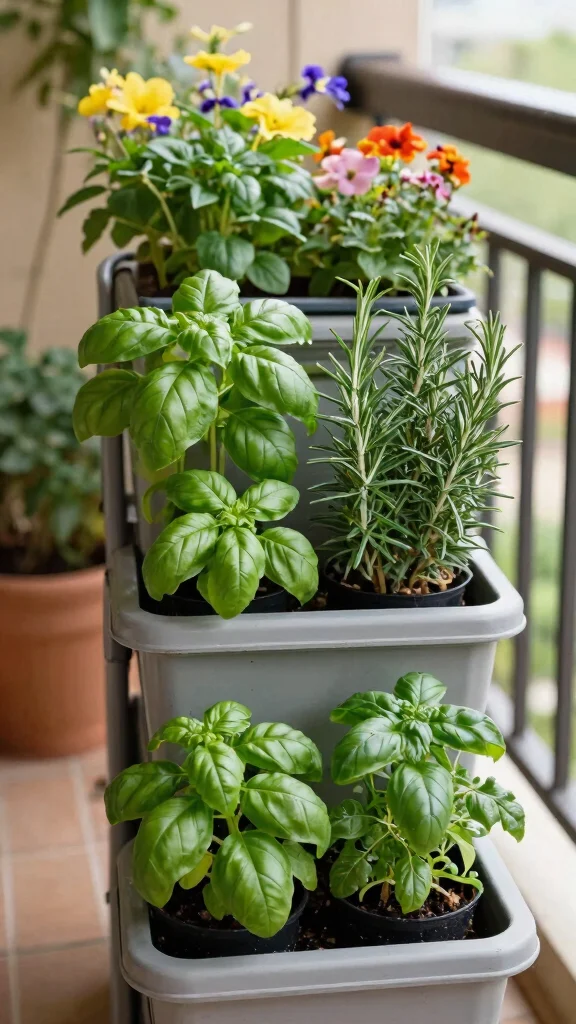
Are you short on space but eager to garden? Stackable planters offer the perfect solution, allowing you to cultivate a variety of plants in a compact area. These versatile boxes can be filled with vibrant herbs, colorful flowers, or even dwarf vegetables. Imagine a tiered setup, with aromatic basil at the top and crunchy lettuce below, where every plant can bask in the sun and thrive effortlessly.
To make the most of your stackable planters, consider the following tips. Use lightweight materials for easy rearrangement and ensure each layer has proper drainage to avoid soggy roots. Mixing herbs with bright blooms can attract pollinators, enhancing both productivity and beauty in your garden.
Key steps to get started:
– Select lightweight materials for easy movement.
– Ensure good drainage to prevent overwatering.
– Combine herbs with flowers for visual appeal.
This approach not only maximizes your growing space but also creates a stunning vertical garden, enhancing the charm of even the smallest areas.
Stackable Planters for Maximum Growth
Editor’s Choice
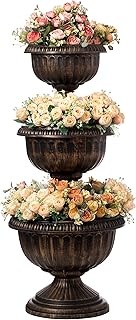
Gardenised Outdoor Garden Triple Stacked Flower Bowl Urn Tier Planter De…


Miracle-Gro Organic Outdoor Potting Mix – Plant Soil for Outdoor Contain…

MOONSOUND Self Watering Globes for Plants – 10pcs Automatic Watering Bul…
2. Vertical Pallet Garden for Rustic Charm

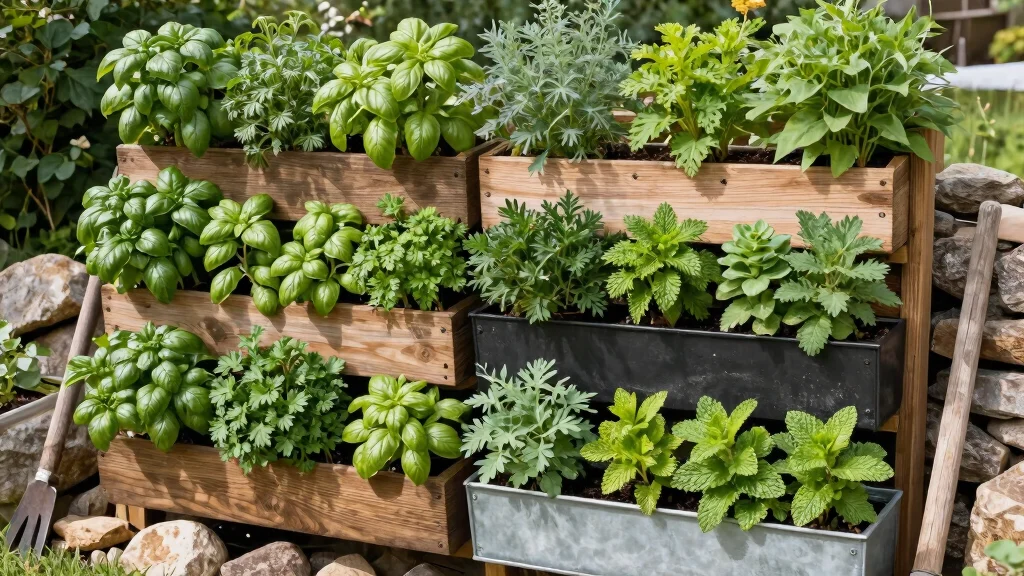
Looking for a unique way to garden sustainably? A vertical pallet garden offers a rustic charm that not only beautifies your space but also promotes eco-friendly practices. By repurposing an old wooden pallet, you can create a stunning wall of greenery filled with cascading herbs or colorful flowers. Imagine fresh strawberries tumbling over the edges, creating an eye-catching display while telling a story of sustainability.
When building your pallet garden, remember to sand down rough edges to prevent splinters and choose plants that thrive in vertical spaces. Position your pallet against a sturdy wall or fence for support, and let it become a conversation starter in your backyard.
Important considerations:
– Sand the pallet for a smooth finish.
– Opt for plants that thrive vertically, like herbs and small blooms.
– Secure it against a wall for stability.
This vertical pallet garden not only adds rustic flair but also provides a productive and attractive growing area for your favorite herbs and flowers.
Fun fact: A vertical pallet garden can fit 12–18 herbs or flowers on a small wall, turning empty space into useful garden box ideas. It’s incredibly budget-friendly, sustainable, and easy to assemble for beginners.
📹 Related Video: Building a Vertical Pallet Garden (Subscribe to OUR LITTLE HOMESTEAD)
Vertical Pallet Garden for Rustic Charm
Editor’s Choice
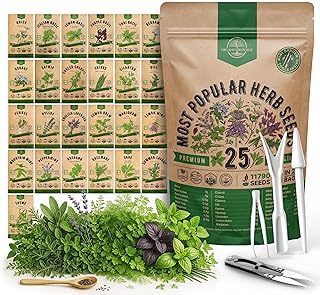
25 Most Popular Herb Seeds Variety Pack – 11,700 Non-GMO Heirloom Seeds …
Miracle-Gro Organic Outdoor Potting Mix – Plant Soil for Outdoor Contain…

TOREVSIOR 5-Tier Vertical Raised Garden Bed, Vertical Garden Planter wit…
3. Tiered Raised Bed for Easy Access

Do you want a garden that’s both beautiful and functional? A tiered raised bed is an ideal choice, especially for smaller yards. This design allows you to create an engaging layout where each plant receives plenty of sunlight, making it easier to maintain and harvest. Picture vibrant tomatoes at eye level and leafy greens below, all organized and easy to reach.
For the best results with tiered raised beds, use rot-resistant wood for longevity and arrange a mix of vegetables at different heights. Creating pathways between tiers ensures you can access your plants without hassle.
Here are some tips for tiered raised beds:
– Choose rot-resistant wood for durability.
– Incorporate a variety of vegetables for visual interest.
– Design pathways for easy access to all plants.
This tiered layout not only looks stunning but simplifies maintenance, allowing everyone to enjoy the fruits of their labor.
Fun fact: a 3-tier raised bed can triple accessible growing space in a small yard. It makes garden box ideas feel practical, with eye-level tomatoes and greens for easier harvests and a more productive, beautiful space.
Tiered Raised Bed for Easy Access
Editor’s Choice

Rockin’ Wood Rustic Weathered Reclaimed Wood Planks for DIY Crafts, Proj…

Garden Tools Set, 3 Pack Heavy Duty Gardening Tools Set Include Garden S…
Miracle-Gro Organic Outdoor Potting Mix – Plant Soil for Outdoor Contain…
4. Hanging Garden Boxes for Vertical Flair

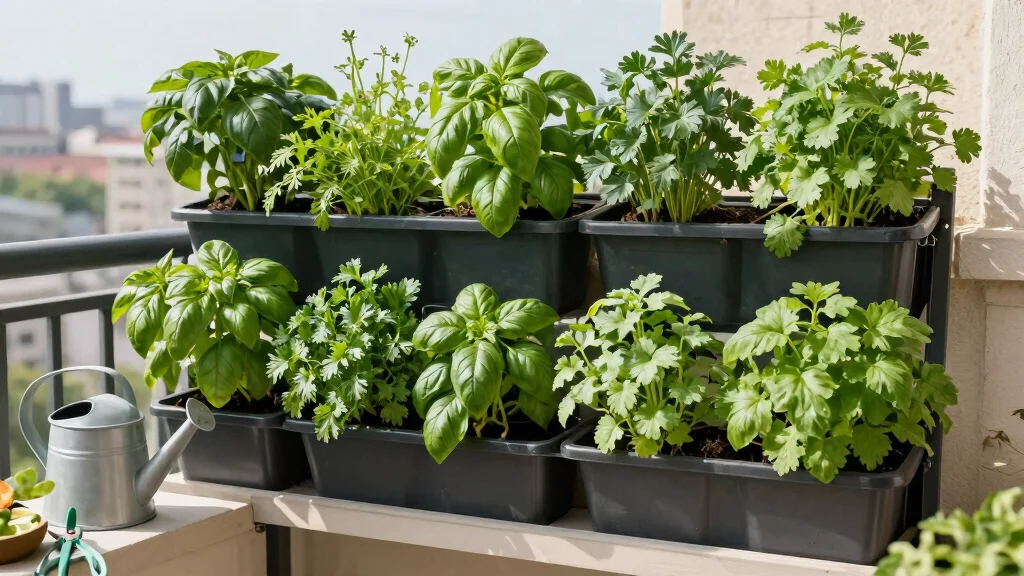
Want to add greenery without sacrificing precious ground space? Hanging garden boxes are the perfect solution! These stylish boxes can be attached to walls or fences, creating a vibrant vertical garden filled with herbs, flowers, and even tiny veggie plants. Imagine colorful blooms swaying in the breeze, inviting butterflies to your outdoor space.
When installing hanging boxes, make sure they are securely fastened to hold the weight of soil and plants. Choose lightweight materials that are weatherproof and select sun-loving plants if they are positioned in bright areas.
Tips for hanging garden boxes:
– Securely fasten boxes to support their weight.
– Use durable, lightweight materials for outdoor use.
– Pick sun-loving plants for bright locations.
Hanging garden boxes not only save space but also breathe life into dull walls, turning them into stunning displays of nature.
❝ Did you know hanging garden boxes can 3x your growing space in tiny yards? With lightweight boxes and sturdy mounting, you can grow herbs, flowers, and veggies vertically—perfect for any garden box ideas in compact spaces. ❞
You might also like
Hanging Garden Boxes for Vertical Flair
Editor’s Choice
Miracle-Gro Organic Outdoor Potting Mix – Plant Soil for Outdoor Contain…

LCHUANG Railing Planter Window Box – 4 Pack 24 Inch Deck Balcony Rail Pl…
11 Inch 2 Pack Heavy Duty Plant Hangers Outdoor, Metal Plant Brackets fo…
5. Mobile Container Gardens for Flexibility

Do you enjoy changing your garden layout frequently? Mobile container gardens are a fantastic way to add flexibility to your gardening experience! With this method, you can easily shift plants around to capture the best sunlight or adapt to seasonal changes. Imagine growing a variety of herbs and tomatoes in movable pots, creating a dynamic garden that evolves with your needs.
To set up a successful mobile container garden, invest in wheeled plant stands for easy relocation and ensure your containers have adequate drainage. Grouping pots together not only looks appealing but also streamlines maintenance.
Best practices for mobile container gardens:
– Use wheeled stands for easy movement.
– Ensure pots have drainage holes to prevent waterlogging.
– Cluster pots for an attractive arrangement.
Mobile container gardens allow you to create a lively and adaptable garden space, giving your plants the best care possible.
Mobile Container Gardens for Flexibility
Editor’s Choice

Indoor Plant Stand with Wheels, (2 Sizes) Metal Rolling Flower Pot Riser…
6. Vertical Hydroponic Systems for Modern Gardening

Are you curious about modern gardening techniques? Vertical hydroponic systems might be just what you need. This innovative, soil-free method uses nutrient-rich water to grow plants, making it ideal for homes with limited space. Imagine having fresh herbs and veggies flourishing right in your kitchen, all year round.
When considering vertical hydroponic systems, choose a setup that matches your available sunlight and space. Regularly monitor nutrient levels and pH balance to ensure healthy growth. Start with easy-to-grow plants like basil or lettuce to get comfortable with this method.
When exploring vertical hydroponic systems:
– Invest in a system suited for your space.
– Check nutrient levels and pH regularly.
– Begin with beginner-friendly plants like lettuce.
This modern gardening approach not only maximizes space but also transforms your growing area into a productive and stylish centerpiece.
Key Trade-offs & Our Top Pick
Option 1: Stackable Planters
– Pros:
– Space-saving design allows you to maximize vertical space.
– Easily adjustable; you can add or remove layers based on your needs.
– Great for growing herbs, flowers, or small vegetables.
– Cons:
– Limited root space per layer may restrict plant growth.
– May require frequent watering due to faster soil drying in top layers.
– Not suitable for larger plants or deep-rooted vegetables.
– Best for: Small apartment balconies or urban gardens where floor space is limited.
Option 2: Vertical Pallet Garden
– Pros:
– Repurposes old pallets, making it eco-friendly.
– Creates a visually appealing rustic look.
– Great for growing a variety of plants in a small area.
– Cons:
– Pallets may harbor pests or chemicals if not treated properly.
– Requires some DIY skills to configure properly.
– Limited moisture retention can necessitate more frequent watering.
– Best for: Creatively minded gardeners who enjoy DIY projects and have a rustic aesthetic in mind.
Option 3: Tiered Raised Bed
– Pros:
– Provides easy access for planting and harvesting.
– Allows for different soil types in each tier, catering to plant preferences.
– Adds a structured design element to your garden.
– Cons:
– Requires more space than flat beds or vertical solutions.
– Can be more costly to build or buy.
– May need additional supports to prevent soil erosion between tiers.
– Best for: Gardeners with dedicated space who want to create an organized growing area.
Option 4: Hanging Garden Boxes
– Pros:
– Frees up ground space and can decorate walls or fences.
– Ideal for trailing plants or herbs that thrive in a vertical setting.
– Easy to maintain and water.
– Cons:
– Limited to lighter plants; heavier plants may not be suitable.
– May require more frequent watering due to exposure to wind and sun.
– Installation can be tricky depending on your wall structure.
– Best for: Urban gardeners looking to add greenery without sacrificing ground space.
Option 5: Mobile Container Gardens
– Pros:
– Allows you to move plants for optimal sunlight exposure.
– Perfect for renters or those who change locations frequently.
– Can be used for various plants—from flowers to veggies—based on seasons.
– Cons:
– Requires regular maintenance, including watering and feeding.
– Limited space can restrict the number of plants you can grow.
– Containers can be pricey, especially for larger setups.
– Best for: Gardeners who want flexibility and are likely to relocate or rearrange their garden often.
Expert Recommendation:
Best Overall: Tiered Raised Bed
The tiered raised bed stands out as the best choice for most gardeners. It combines ease of access with the ability to manage different soil conditions. You can enjoy a variety of plants, from herbs to vegetables, while keeping everything organized. Although it requires more space and investment, the long-term durability and structure make it well worth it.
Why We Picked This:
While the tiered raised bed offers great benefits, some may prefer stackable planters for their compact design or hanging boxes for their decorative flair. Each option has its unique advantages and may suit different gardening styles or spaces. Choose the one that fits your home and gardening goals best!
Vertical Hydroponic Systems for Modern Gardening
Editor’s Choice

7. Rustic Barrel Planters for Unique Aesthetics

Are you looking to add a rustic charm to your garden? Barrel planters can bring a unique aesthetic that evokes a cozy countryside feel. These planters, often repurposed from old barrels, provide ample space for vibrant flowers, herbs, or even a miniature vegetable patch. Picture your garden adorned with these natural wood textures, adding warmth and height to your design.
To ensure your barrel planters thrive, be sure to drill drainage holes at the bottom. Combining flowers and herbs in a single barrel can create a stunning visual effect, while varying their heights adds depth to your space.
Considerations when using barrel planters:
– Drill drainage holes for healthy roots.
– Mix flowers and herbs for visual interest.
– Arrange barrels at different heights for added charm.
Rustic barrel planters serve as both functional planting solutions and decorative elements, enhancing your garden’s overall design.
You Might Also Like
Rustic Barrel Planters for Unique Aesthetics
Editor’s Choice
Miracle-Gro Houseplant Potting Mix – Fertilized Indoor Plant Soil for Co…

DEWALT Drill Bit Set, 3-Flats Shank,14-Piece, 135 Degree Split Point, fo…

Adnee 4 Pack Wooden Whiskey Barrel Planters – 4 Sizes Wooden Bucket Barr…
8. Fairy-tale Mini Gardens in Containers

Do you want to spark creativity in your gardening? Mini fairy-tale gardens in containers offer a playful twist to your gardening experience. These enchanting gardens can be filled with small plants, decorative stones, and tiny accessories that spark the imagination. Whether for children or adults, mini gardens allow you to express your creativity while nurturing live plants.
When creating your mini gardens, select small plants that don’t require much space, and consider using unique containers like teacups or old boots for a whimsical touch. Adding decorative elements can tell a story or showcase your personality.
Tips for creating mini gardens:
– Choose small plants that thrive in limited space.
– Use quirky containers for a fun look.
– Add decorations that reflect your style.
Crafting a fairy-tale mini garden opens up endless possibilities, providing a delightful way to connect with nature, no matter how small your space.
Fairy-tale Mini Gardens in Containers
Editor’s Choice

Fiskars 3-in-1 Garden Tool Set, Polished Cast-Aluminum Heads for Rust Re…

UNIME Glow in The Dark Garden Pebbles Stones Rocks for Yard and Walkways…

Der Rose 2 Pack Small Fake Plants Mini Artificial Potted Plants for Tabl…
Conclusion
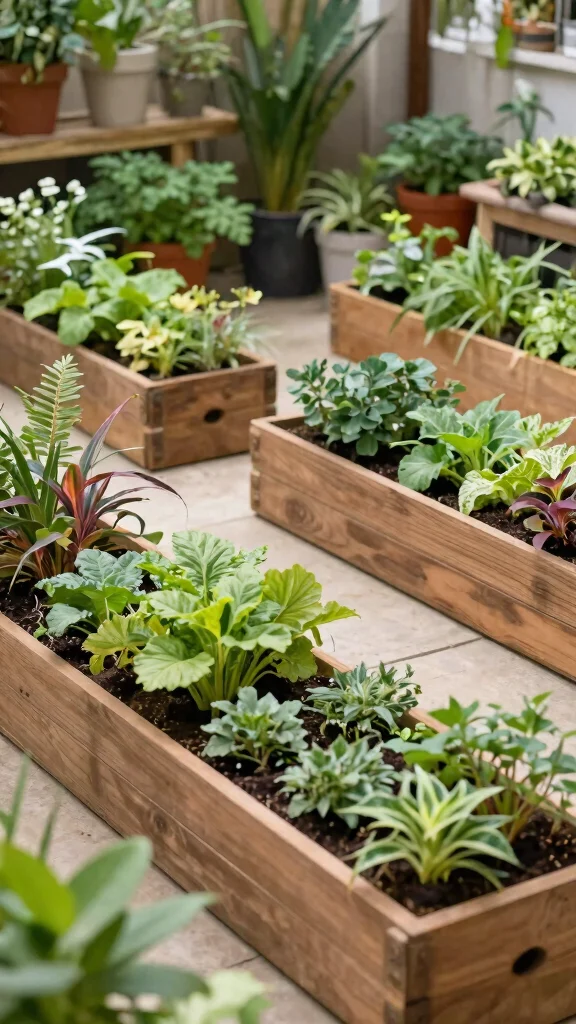
Creating a productive and beautiful garden box can transform even the smallest spaces into a thriving green sanctuary.
From stackable planters to whimsical mini gardens, there’s a design to fit every taste and space. No matter your gardening experience, these ideas encourage creativity and a personal touch in your growing journey.
Start experimenting, and you may just discover the joy of gardening in your own backyard, patio, or balcony.
Note: We aim to provide accurate product links, but some may occasionally expire or become unavailable. If this happens, please search directly on Amazon for the product or a suitable alternative.
This post contains Amazon affiliate links, meaning we may earn a small commission if you purchase through our links, at no extra cost to you.
Frequently Asked Questions
What are the most practical garden box ideas for a small space to create a vertical garden?
For small spaces, prioritize vertical gardening with wall-mounted planters, tiered box shelves, railing planters, and compact totes. These garden box ideas let you stack and cascade plants, turning a balcony, patio, or narrow wall into a lush growing wall.
Choose lightweight, weather‑proof boxes with good drainage, and fill with a nutritious mix tailored for containers (a peat‑lite potting mix with compost and perlite). Group sun-loving herbs like basil and thyme with compact greens such as lettuce, spinach, and arugula. Use a simple drip irrigation kit or a moisture meter to keep watering on track, and add a slim trellis or wire grid to support climbing herbs. With a little planning, these ideas maximize vertical space while keeping maintenance manageable.
How can I design a compact herb garden and vegetable garden using raised garden beds or container gardening in a small space?
Plan first: map your sun, then decide which crops will go in containers and which in a small raised bed. For raised garden beds, go deeper (6–8 inches minimum) for root crops and a robust soil mix; for container gardening, use at least 12–14 inches deep pots with drainage. Place herbs you use often (basil, parsley, chives) near the kitchen, and position leafy greens and compact vegetables (lettuce, radish, bush beans) in accessible spots. Use vegetable garden planning to group plants by sun exposure and water needs, and consider succession planting so you harvest continuously. Add a trellis on the bed edge for climbers like peas, and use mulch to retain moisture.
What materials and safety tips should I consider when building DIY garden boxes for a balcony?
When building DIY garden boxes, choose rot‑resistant, food‑safe materials. Cedar or cypress woods are great choices; if you must use pine, seal with a food‑safe finish. Avoid untreated plywood that can warp or shed fibers. If you use pressure‑treated lumber, line the interior with heavy‑duty plastic or landscape fabric to keep soil away from the wood. Ensure drainage with drilled holes and add a bottom tray or rock layer to protect balcony surfaces. Line the bottom with landscape fabric to prevent soil from washing out, and use a high‑quality potting mix and good quality compost. Finally, consider a lightweight box design and a drip irrigation system to minimize maintenance while keeping plants well hydrated.
What is a simple, actionable plan to maximize yields using garden box ideas in a limited area?
Start with a sun map and choose crops that perform well in containers or raised beds: leafy greens, herbs, cherry tomatoes, peppers, and bush beans are great picks. Use square‑foot style layouts or tiered boxes to fit more plants in, and rotate crops each season to maintain soil health. Use high‑quality potting mix with slow‑release fertilizer and regular compost applications. Water with a drip line or a small timer to prevent over/under watering. Finally, keep soil surface mulched to conserve moisture, and harvest early and often to encourage continuous production.
What common mistakes should I avoid when implementing vertical garden box ideas for small spaces?
Common mistakes include overestimating space and crowding plants, neglecting drainage, and choosing overly heavy materials for balcony boxes. Also avoid ignoring sun exposure—the wrong crops in shadowy spots underperform. Skipping a proper soil mix and not using a moisture management plan leads to stressed plants and wasted effort. Finally, failure to plan for maintenance and harvest access can turn a beautiful setup into a chore. By planning with a simple layout, ensuring drainage, using appropriate containers, and checking on water needs regularly, your vertical garden box ideas will stay productive and beautiful.
Related Topics
garden box ideas
vertical gardening
raised garden beds
small spaces
container gardening
herb garden design
vegetable garden planning
easy gardening
beginner friendly
DIY gardening
sustainable gardening
urban gardening