
Creating a garden that feels warm and inviting can be a rewarding endeavor, especially when you incorporate natural elements like wood planter boxes. I made this post to help you explore various wood planter box ideas that can enhance your outdoor space. Whether you’re a seasoned gardener or just starting out, these ideas will inspire you to create a beautiful garden feature right at home.
If you’re someone who loves gardening, enjoys DIY projects, or wants to add a touch of rustic charm to your urban space, this post is for you. I’ve gathered eight unique wood planter box designs that are not only aesthetically pleasing but also sustainable and practical for small gardens. Get ready to dive into solutions that are easy to implement and will bring life to your outdoor decor.
By the end of this article, you’ll have a wealth of ideas for crafting or selecting the perfect wood planter box for your garden. Each idea is designed to be warm, natural, and full of character, allowing you to express your personal style while nurturing your plants. So, let’s get started on transforming your garden into a cozy retreat with these fantastic wood planter box concepts!
Key Takeaways
– Discover the variety of wood planter box designs that elevate your garden’s look, from classic rectangular boxes to tiered options.
– Learn how different styles, like rustic crate planters and hanging planter boxes, can fit into small urban spaces while adding charm.
– Find out how to create vertical garden planters that save space and add depth to your garden design.
– Explore customizable modular planters that allow you to adapt your planting style to your evolving gardening needs.
– Gain insights into using natural materials for outdoor gardening decor that not only beautify but also promote sustainability.
1. Classic Rectangular Boxes

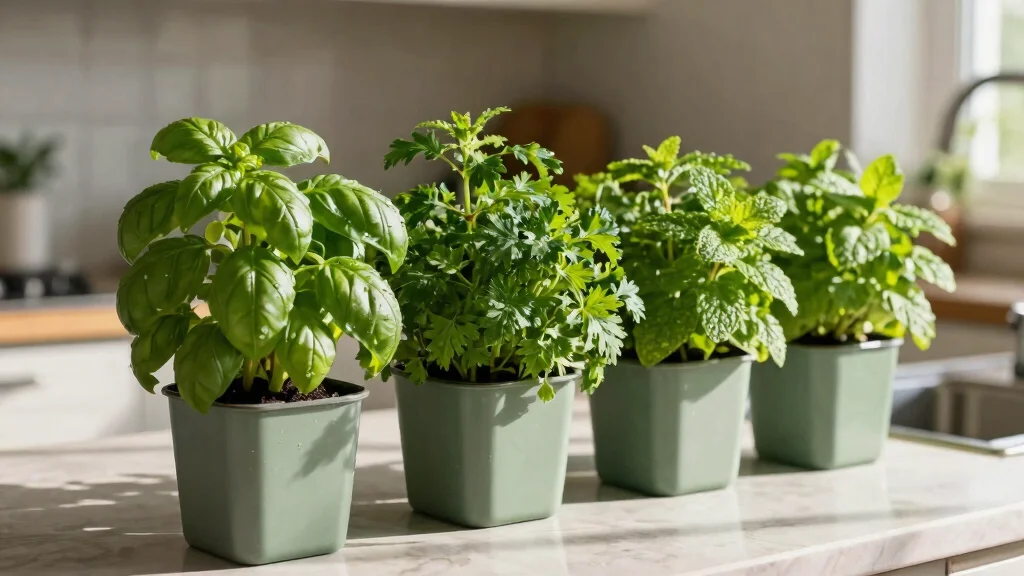
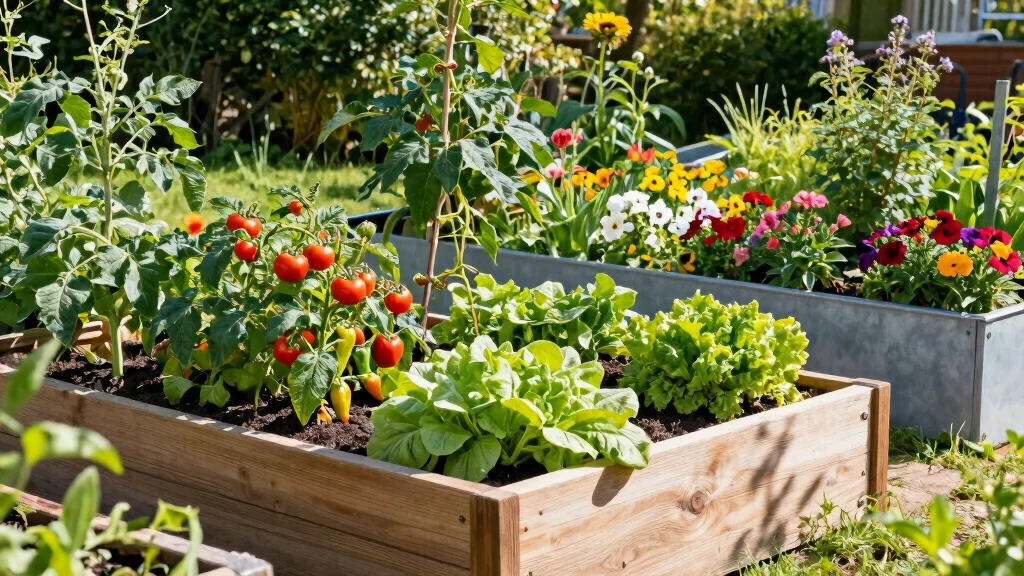
If you’re looking to enhance your garden, classic rectangular wood planter boxes are a must-have. These charming boxes fit perfectly in any area, whether you want to grow herbs on a balcony or showcase flowers in your backyard. With their clean lines and natural materials, they bring an inviting warmth to your outdoor space.
To get started, think about using reclaimed wood for that rustic feel, or craft your own for a unique touch. Make sure to line the interior with landscape fabric to keep the soil in place while allowing drainage, and don’t skip those important drainage holes at the bottom!
Key advantages of rectangular planter boxes:
– Versatile Placement: Easily fit into tight corners or along railings.
– Space-Saving: Their slim design maximizes planting opportunities in limited areas.
– Easy Maintenance: Designed for convenient access to your plants.
Imagine rows of these classic boxes overflowing with vibrant petunias and aromatic basil. They not only create an impressive visual display but also fill your garden with delightful scents!
Classic Rectangular Boxes
Editor’s Choice



My Barnwood Frames Reclaimed Wood Planter Box with Metal Brackets (Large…

Winlyn Rustic Wooden Planter Box 17.3″ L x 3.9″ W x 3.9″ H Brown Rectang…
2. Tiered Planter Boxes

Take your gardening to new heights with tiered wood planter boxes! These stunning structures not only save space but also serve as a captivating focal point in your outdoor area. Their unique design adds a vertical element that enhances both beauty and functionality.
Consider using treated plywood or reclaimed wood to build your tiered planters, stacking boxes at varied heights for an interesting look. Fill each tier with colorful flowers or tasty vegetables like lettuce and strawberries to craft a lovely cascading garden.
Benefits of tiered planter boxes:
– Stylish Vertical Gardening: Perfectly maximizes growing space and adds depth.
– Easy Access: Each tier is simple to reach for watering and harvesting.
– Improved Drainage: The design promotes better airflow and drainage for plant health.
With a tiered planter brimming with life and color, you’ll create a beautiful centerpiece that draws the eye and enhances your garden’s charm!
Did you know tiered wood planter boxes can 3x your planting space on a small balcony? Stack boxes at varied heights with reclaimed wood or treated plywood, and you’ll create a striking, space-saving vertical garden you can actually maintain.
Tiered Planter Boxes
Editor’s Choice

NNG 40 Set Garden Paper Pot Craft Kit,40Pcs Square Paper Mache Pots Peat…

Miracle-Gro Organic Outdoor Potting Mix – Plant Soil for Outdoor Contain…

Balsa Wood Sheet, 5 Pack Plywood Sheets, Basswood Sheets 12X12X1/16 Inch…
3. Hanging Planter Boxes

If floor space is limited, hanging wood planter boxes are an ideal solution. These delightful planters suspend from walls or railings, showcasing a stunning array of greenery without taking valuable ground space. They add a dynamic layer to your garden design that’s hard to resist.
To create your own hanging planters, use sturdy hooks and lightweight wood for easy installation. Fill them with trailing plants like ivy or bright flowers that cascade over the edges for a dramatic effect. Mixing different heights in your planters will create added depth and interest.
Advantages of hanging planter boxes:
– Space Efficiency: Perfect for small balconies or patios, utilizing vertical space.
– Visual Appeal: Adds interest and charm to your garden design.
– Accessible Care: Keep plants at eye level for simple maintenance.
Cascading blooms and vibrant foliage in your hanging planters will brighten up any small space, infusing your home with warmth and charm!
📹 Related Video: Weekend Projects: Building Hanging Planters With French Cleats
Hanging Planter Boxes
Editor’s Choice

Adnee 2 Pack Flower Pot Filler Insert, 47.2″ x 9.8″ Soil Saver for Tall …

Yaheetech 43.5″ L×16″ W×14″ H Wooden Raised Garden Bed, Horticul…

Gtongoko 2 Pack 10 Inch Plant Hangers Outdoor Metal, Plant Hooks for Wal…
4. Rustic Crate Planters

Introduce rustic charm to your outdoor decor with wooden crate planters! These versatile planters can be used as they are or customized to fit your garden’s aesthetic. Their natural look adds character and warmth to any setting.
To create rustic crate planters, repurpose old wooden crates, making sure they are safe for planting. Add drainage holes and fill them with nutrient-rich soil. They are ideal for growing herbs or flowers, enhancing your garden’s unique style.
Why choose crate planters?
– Natural Look: Adds warmth and character to your garden.
– Customizable: Paint, stain, or leave them raw for a personal touch.
– Functional Decor: Serve as both planters and unique decor pieces.
Picture a cluster of rustic crates overflowing with colorful blooms, creating a cozy yet stylish ambiance in your garden!
You might also like
Rustic Crate Planters
Editor’s Choice

4 Pcs Adjustable Window Box Brackets, Universal Steel Hanging No Drill P…

Furinno 2-FG16450 Tioman Hardwood Flower Box, Two-Pack, Natural

Miracle-Gro Potting Mix – For Container Plants, Flowers, Vegetables, Shr…
5. Lattice Planters

Enhance your outdoor space with lattice wood planter boxes. These planters are perfect for climbing plants like peas and cucumbers, turning your garden into a lush paradise. Their unique design adds both functionality and aesthetic appeal.
Create your own lattice planter by attaching a trellis to a wooden box, then fill it with soil and plant climbers at the base. As they grow, they will weave through the lattice, creating a stunning visual display.
Benefits of lattice planters:
– Support for Climbers: Ideal for maximizing vertical growing space.
– Artistic Touch: Adds a creative element to your garden decor.
– Air Circulation: Excellent airflow keeps plants healthy.
Picture a lattice planter filled with vibrant grapevines weaving upwards, transforming your garden into a fruitful oasis!
Lattice Planters
Editor’s Choice

VINGLI 85in Wooden Arbor, Wedding Arch for Ceremony, Wood Trellis for Pl…

Yaheetech 8×2ft Wooden Horticulture Raised Garden Bed Divisible Elevate…
Miracle-Gro Houseplant Potting Mix – Fertilized Indoor Plant Soil for Co…
6. Round Wood Planters

Introduce a unique element to your gardening with round wood planter boxes! They not only look great but also allow for creative plant arrangements that can enhance your outdoor space. Their distinctive shape stands out and adds flair to your garden.
To create round planters, use wooden barrels or craft a circular frame with wood slats. Fill them with colorful flowers or ornamental plants for a stunning display. The organic shape provides a softer, more relaxed vibe.
Why choose round planters?
– Distinctive Shape: Creates a unique focal point in your garden.
– Flexible Planting: Allows for circular arrangements that simplify care.
– Showcase Beauty: Perfect for displaying beautiful flowers or shrubs.
Imagine a round planter bursting with sunflowers and daisies, serving as a cheerful highlight in your outdoor area!
Round wood planter boxes aren’t just pretty—they’re practical. Start with a wood planter box, like a barrel, and fill it with colorful flowers; arrange top-heavy perennials on one side to create a balanced, eye-catching display in small spaces.
Round Wood Planters
Editor’s Choice

Classic Home and Garden by Growscape 21″ Whiskey Barrel Planter, Acacia
20 Pcs Natural Driftwood Pieces 4.7″ Length 0.2-0.8″ Thick for DIY Craft…

Burpee, 9 Quarts | Premium Organic Potting Natural Soil Mix Food Ideal f…
7. Vertical Garden Planters

Maximize your small outdoor area with vertical garden planters! These clever planters stack or hang vertically, providing plenty of room for multiple plants. They are perfect for enhancing any compact space with greenery.
Create vertical planters using wooden pallets or build a frame to hold planters at varying heights. Fill them with herbs, small flowers, or strawberries to make the most of your limited space.
Benefits of vertical garden planters:
– Space-Saving: Ideal for small patios or balconies.
– Stunning Visuals: Creates eye-catching displays of greenery and blooms.
– Customizable Layout: Easily adjust height and arrangement to fit your space.
Envision a vibrant vertical garden bursting with colors and fragrances, transforming an ordinary wall into a lush masterpiece!
Fun fact: a vertical garden can add up to 70% more planting space in tiny patios. With a simple wood planter box frame, you can stack herbs, strawberries, and flowers at eye level—maximizing small urban spaces with green, reachable drama.
You Might Also Like

Vertical Garden Planters
Editor’s Choice
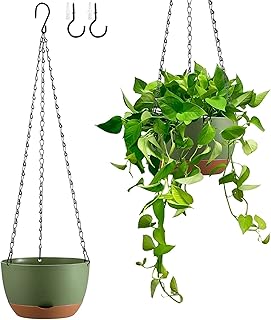
Set of 2 Hanging Planters for Indoor Outdoor Plants, 8 Inch Self-Waterin…
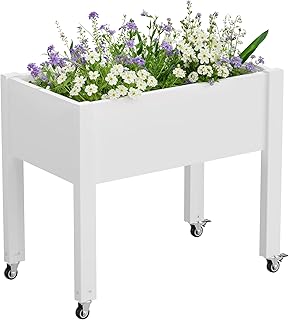
Elevated Raised Garden Bed with Wheels – Outdoor Mobile Resin Planter Bo…
8. Customizable Modular Planters
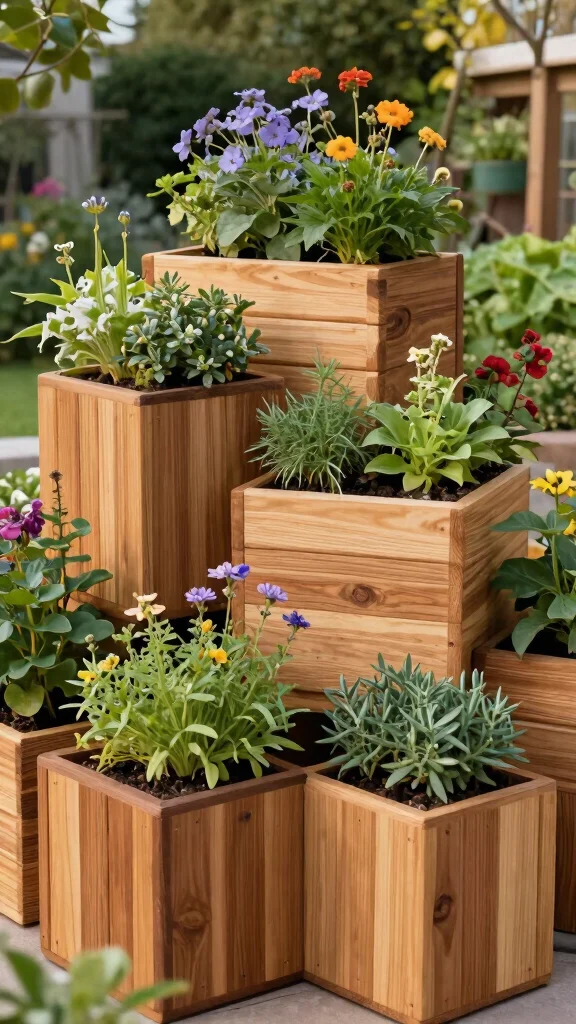
Unleash your creativity with customizable modular wood planter boxes! These planters let you mix and match shapes and sizes, allowing you to create a unique garden design that reflects your personal style. They are perfect for anyone who loves hands-on gardening.
To build modular planters, use pre-cut wood pieces or repurpose pallets, giving you the freedom to create various shapes. This flexibility lets you craft everything from simple squares to intricate designs tailored to your preferences.
Why choose modular planters?
– Personalized Design: Create a look that suits your gardening style.
– Flexibility: Easily rearrange your planter setup as desired.
– Fun DIY Project: Perfect for those who enjoy hands-on gardening.
Imagine a garden that evolves with your mood—colors pop and textures shine as you cultivate your personal sanctuary right at home!
Dimensions & Size Guide
Standard Sizes & Measurements:
When planning your wood planter box, it’s crucial to consider standard sizes. Most common dimensions for rectangular planter boxes are around 24 to 48 inches long and 12 to 18 inches wide. This size is great for a variety of plants, including herbs and flowers. If you’re going for tiered or vertical designs, aim for boxes that are about 6 to 12 inches deep to provide enough soil volume for root growth.
For hanging planter boxes, a depth of about 8 to 10 inches works well. This ensures your plants don’t dry out too quickly while providing enough room for their roots. Remember that smaller boxes, around 12 to 14 inches square, work best for small spaces like balconies or patios.
Minimum requirements:
Ensure you leave at least 18 to 24 inches of space between planter boxes if you’re stacking or creating tiers. This allows for good airflow and sunlight exposure. Consider a minimum width of 24 inches for rectangular boxes if you want to include larger plants.
Space planning considerations:
When placing your wood planter boxes, think about their visibility and accessibility. If they are too high or too low, you might struggle to care for your plants. Aim for a height of 24 to 36 inches for easily reachable plants. For taller plants, ensure they are not overly close to walls or fences to avoid shading other plants.
Quick Reference Table:
Size/Dimension – Best for: [use case], Minimum space needed: [measurement]
– 24” x 12” – Great for herbs and small flowers, Minimum space needed: 2 ft x 1 ft
– 36” x 12” – Ideal for medium-sized plants, Minimum space needed: 3 ft x 1 ft
– 48” x 18” – Perfect for larger flowers or vegetable plants, Minimum space needed: 4 ft x 1.5 ft
– 12” x 12” – Best for small, colorful accents, Minimum space needed: 1 ft x 1 ft
– Vertical Planters – Space-efficient, Minimum space needed: 1 ft wide for stability
Space Planning Tips:
1. Measure Twice, Plant Once: Always double-check your measurements before buying or building a planter. Mistakes can cost you time and resources. 📏
2. Consider Sunlight: Ensure your planters are positioned to get adequate sunlight. Some plants love full sun, while others thrive in partial shade. ☀️
3. Drainage is Key: Ensure there are drainage holes in your boxes. Poor drainage can lead to root rot, so consider elevating boxes slightly off the ground to allow for excess water to escape. 💧
4. Accessibility Matters: Make sure your planter boxes are easy to access. If you place them in hard-to-reach areas, maintaining them will be a challenge. Plan for at least 2 to 3 feet of space around each box.
5. Avoid Overcrowding: Don’t squeeze too many boxes into a small area. They need space to breathe and grow. Plan for pathways to access each box without stepping on your plants. 🚶♂️
Pro Tip:
The most important measurement to consider is the depth of your planter box. A depth of at least 12 inches is ideal for most plants. This ensures enough soil for healthy root development. Remember, the deeper the box, the more nutrients and moisture your plants can access, leading to a thriving garden! 🌱
Customizable Modular Planters
Editor’s Choice

VINGLI 3 PCS Large Wooden Planter Barrel Set, 11.5″(Dia)- 18″(Dia) Real …

Dandat 4 Set Wood Boxes for Centerpieces 12×4 Inch Rectangle Wooden Plan…
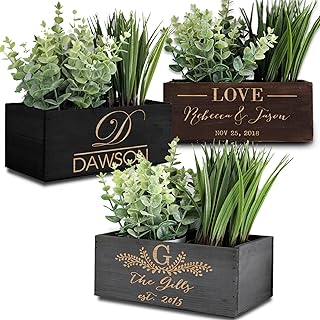
Etchey Personalized Wood Planter Box, Custom Wooden Flower Pot, Name Box…
Conclusion

Wood planter boxes can truly transform any garden space, making it feel warm, inviting, and full of life. From classic rectangular designs to customizable modular options, each idea brings its own unique charm to your home.
Whether you’re an experienced gardener or just starting out, incorporating these sustainable DIY wood planter boxes into your urban retreat is a perfect way to cultivate your connection to nature. Remember to get creative and personalize your planters to reflect your style! Happy planting!
Your garden can become a delightful extension of your living space, offering tranquility and a place to unwind.
Note: We aim to provide accurate product links, but some may occasionally expire or become unavailable. If this happens, please search directly on Amazon for the product or a suitable alternative.
This post contains Amazon affiliate links, meaning we may earn a small commission if you purchase through our links, at no extra cost to you.
Frequently Asked Questions
What are some simple wood planter box designs I can start with in a small urban space?
Here are a few beginner-friendly wood planter box designs you can build in a small urban space: a compact rectangular box, a slim window box, and a simple tiered planter. For each design, start with rot-resistant wood like cedar, redwood, or reclaimed timber, and tailor the dimensions to fit your spot. Add drainage holes and a liner to protect the wood, then assemble with exterior screws and seal with a non-toxic finish. Fill with good-quality potting mix and suitable plants to create a warm, natural look for your outdoor gardening decor with practical, achievable results.
How do I choose durable wood and finishes for an outdoor wood planter box?
Choose rot-resistant woods such as wood planter box materials like cedar, redwood, or reclaimed timber. Use exterior-grade, non-toxic finishes to protect against moisture, and ensure you have proper drainage and ventilation. Avoid potentially harmful treatments near edible plants, or line the interior with a safe barrier. With durable wood and a safe finish, your planter box stays sturdy and attractive as part of natural garden features and outdoor gardening decor.
What are space-saving wood planter box ideas perfect for small balconies or patios?
Think vertical and modular: wall-mounted boxes, window boxes, ladder-style planters, and small tiered modules that stack or sit atop one another. Use rustic planter boxes feel by selecting rough-sawn boards and exposed joinery, which also hides wear over time. For DIY wood planters, repurpose crates or pallets to maximize growing space without crowding your footprint, helping you keep a cozy, natural garden features vibe in tight spaces.
How can I keep my wood planter boxes sustainable and eco-friendly in a city garden?
Opt for reclaimed or locally sourced wood, and choose non-toxic, water-based finishes. Repair rather than replace damaged parts, and use offcuts for small inserts or decorative trim. Consider liners that reduce plastic use and practice mulching to retain moisture. Pair with a mix of native plants to lower water needs and maintenance, reinforcing a sustainable approach to outdoor gardening decor and natural garden features.
What maintenance tips will keep my wood planter boxes looking great year-round?
Give them a regular wipe-down with a mild soap solution to remove dirt and algae, then inspect for loose screws or rot. Reseal or repaint with a non-toxic, exterior-grade finish every 1–2 years to maintain moisture protection. Ensure drainage holes remain clear, replace soil as needed, and consider covering boxes or moving them indoors during harsh winters to preserve their wood planter box structure and keep your DIY wood planters looking fresh as part of your natural garden features.
Related Topics
wood planter box
DIY wood planters
outdoor gardening decor
rustic planter boxes
sustainable gardening
small urban spaces
natural garden features
beginner friendly
easy projects
eco-friendly design
garden aesthetics
planter box designs