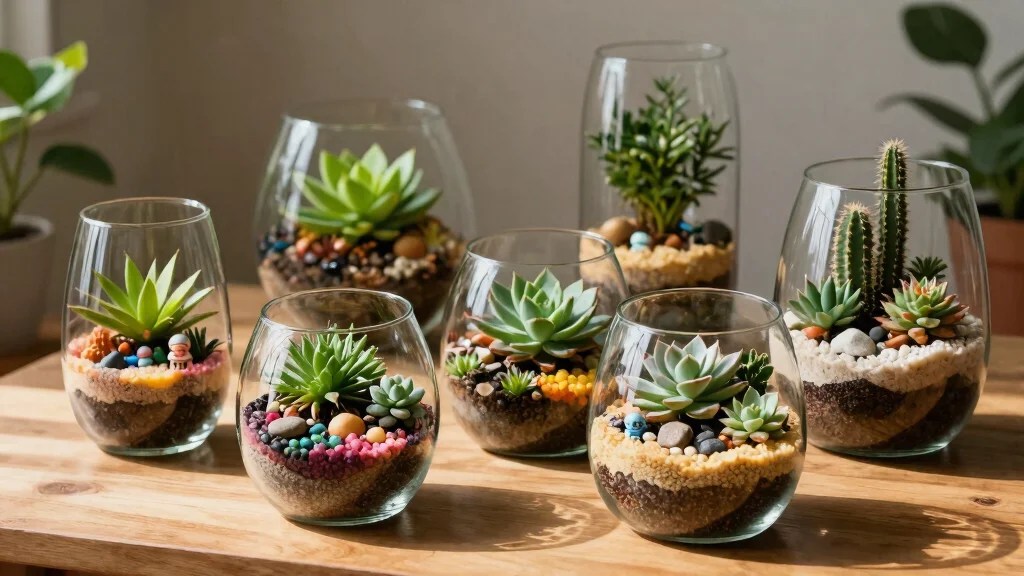
Building a terrarium can be a delightful intersection of art and nature. If you’ve ever marveled at a miniature desert ecosystem encased in glass, you’re not alone. This post is for anyone who has a passion for indoor gardening and wants to dive deeper into the world of terrarium layers. As you create your glass garden, you may find yourself craving the perfect arrangement of plants and materials to ensure your little ecosystem thrives.
Whether you’re a seasoned gardener or just starting, you’ll appreciate the beauty and charm a well-designed terrarium can bring to your home. In this guide, I’ve compiled seven creative ideas for terrarium layers. Each layer is essential for maintaining a healthy environment while adding visual appeal. Expect to discover practical tips on selecting materials, layering techniques, and maintenance strategies. By the end of this post, you’ll have everything you need to create a stunning, self-sustaining glass ecosystem.
So, grab your supplies and get ready to transform a simple glass container into a vibrant, living masterpiece. You’ll be surprised at how these layers can enhance the beauty and health of your terrarium while allowing your creativity to shine.
Key Takeaways
– The Base Layer: Begin with pebbles for drainage to prevent water from sitting at the bottom of your terrarium, which can lead to root rot.
– Activated Charcoal: Adding activated charcoal helps filter the air and prevent odors, keeping your terrarium fresh.
– Nutrient-Rich Soil: The soil layer provides essential nutrients for your plants, making it vital for their growth and health.
– Plant Layering Techniques: Use various plant heights and textures to create visual interest and ensure each plant has enough space to thrive.
– Ecosystem Maintenance Tips: Regular care is crucial. Monitor moisture levels, provide appropriate light, and clean your terrarium to keep it looking its best.
1. The Base Layer: Pebbles for Drainage
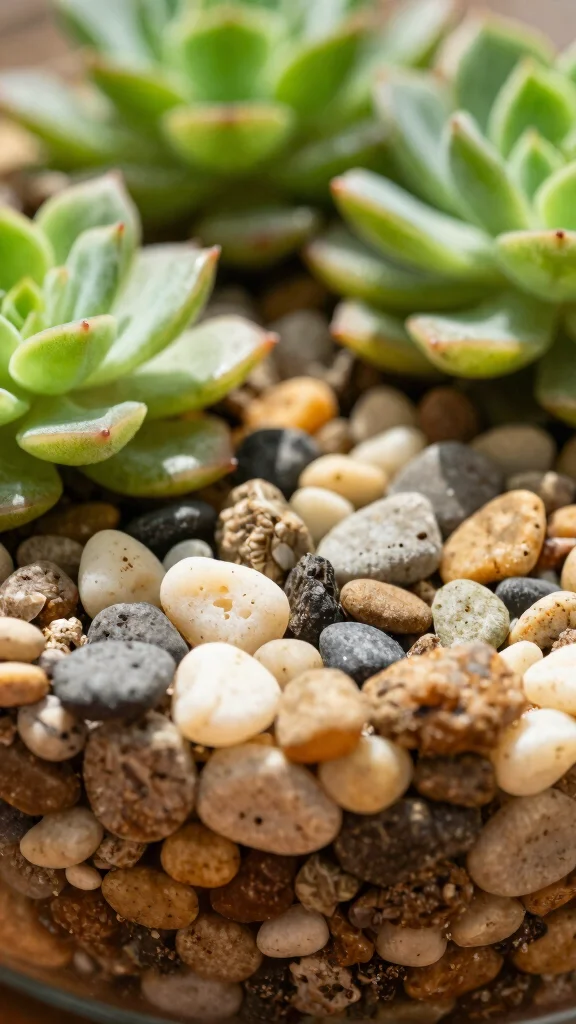
Every successful terrarium begins with a solid foundation, and pebbles are the perfect starting point. This essential base layer promotes proper drainage, preventing water from accumulating and protecting your plants from root rot. Choose small river stones or colorful gravel to not only support drainage but also add a vibrant touch to your ecosystem.
Once you create a layer about an inch thick, you’ll ensure air can circulate freely, which is vital for plant health. Feel free to mix different stone types or even incorporate colored sands to make your terrarium visually striking. Remember, this first layer sets the tone for a flourishing glass garden.
Pro Tip: Rinse your pebbles thoroughly before adding them to your terrarium to remove any dust or debris that may cloud the glass.
The Base Layer: Pebbles for Drainage
Editor’s Choice

100PCS Painting Rocks – 1-1.5 Inch Flat Smooth River Rocks for Painting,…


Pulovin 2.5 lbs Drainage Rocks for Potted Plants, 1/5 Inch Small Pebbles…
2. Adding Activated Charcoal
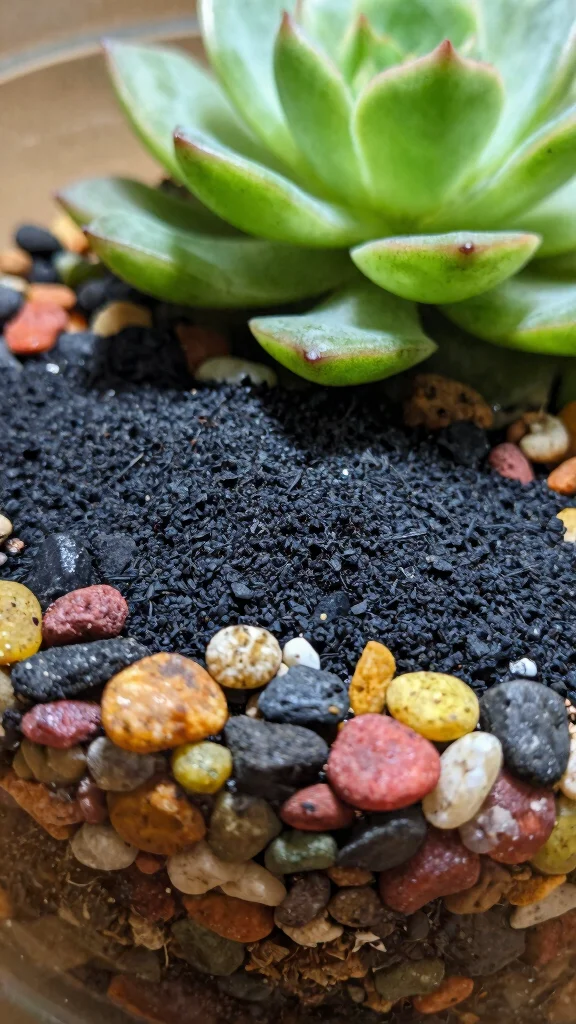
Activated charcoal is a game-changer for your terrarium layers. While it may appear unimportant at first glance, it plays a key role in maintaining a clean environment for your plants. This layer filters out toxins and odors, ensuring a fresh atmosphere for your greenery.
Spread a half-inch layer of activated charcoal over the pebbles. Not only does it help keep your garden healthy, but it also adds a beautiful contrast to the colorful layers beneath. For added flair, consider mixing in decorative charcoal pieces for both style and function.
Pro Tip: Always choose activated charcoal specifically designed for gardening to avoid harmful additives found in regular charcoal.
Activated charcoal isn’t just a gimmick—it’s the quiet hero of terrarium layers. A slim half-inch layer keeps toxins out and aromas fresh, while adding contrast that makes your miniature desert landscape pop.
📹 Related Video: DIY activated charcoal + test VS purchased activated charcoal!
Adding Activated Charcoal
Editor’s Choice

DIY Terrarium Kit for Plants – Build a Self‑Sustaining Closed Ecosys…

Legigo 2 QT Horticultural Charcoal- Natural Charcoal for Plants, Biochar…

YISZM 2LB Succulent and Cactus Gravel Pebbles, 1/5 Inch Natural Decorati…
3. Soil Layer for Nutrients
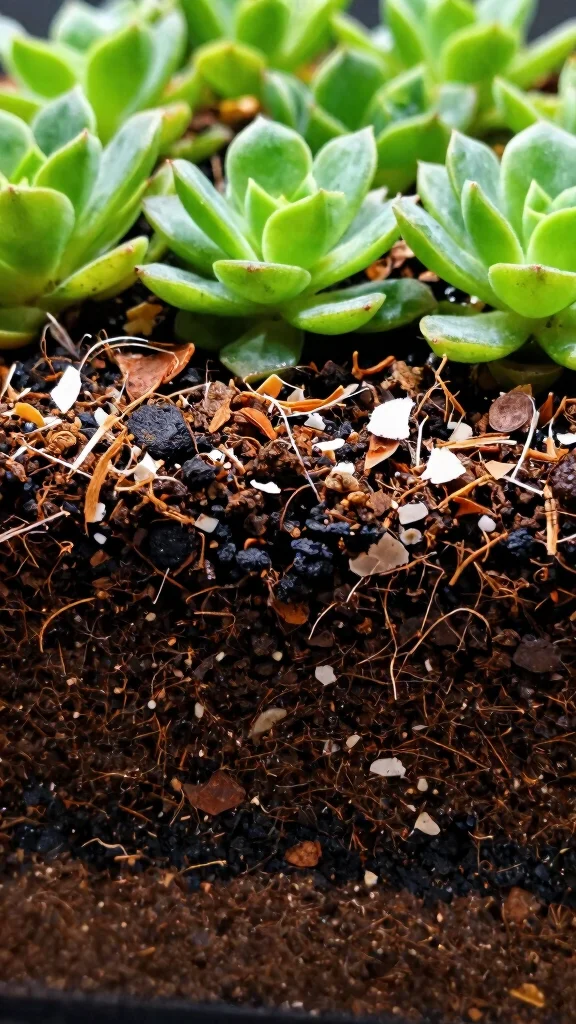
Next comes the soil layer, where your plants will thrive! This layer is essential for providing the nutrients your plants need. For succulents and cacti, a well-draining cactus mix is the way to go.
Evenly spread about an inch of soil atop the charcoal layer, and consider enriching it with organic material or sand to boost drainage. If you’re feeling creative, mix in colorful elements like crushed eggshells or dried coconut husks for a unique twist. This attention to detail can elevate the overall aesthetic of your terrarium.
Pro Tip: Lightly moisten the soil before planting to help it settle, but be careful not to soak it—your plants will appreciate the balance.
Soil Layer for Nutrients
Editor’s Choice

Back to the Roots 100% Organic Succulent & Cacti Mix (6 Quart) | Made in…

Legigo 2 QT Horticultural Charcoal- Natural Charcoal for Plants, Biochar…

Farmer’s Secret Soil Revitalizer (32oz) – Organic (OMRI Listed) Dirt H…
4. Plant Layering Techniques
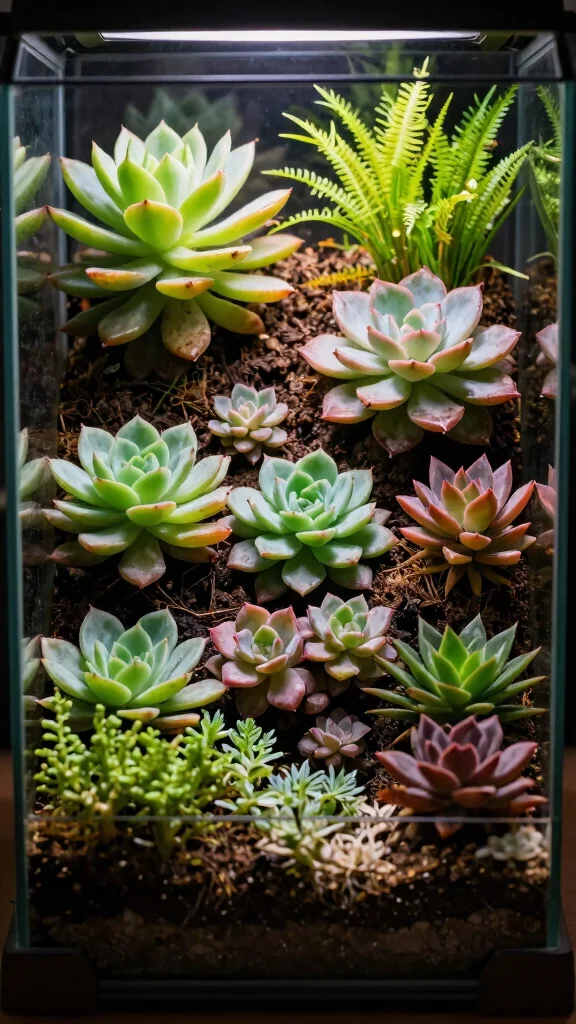
Plant layering is where your creativity can shine! Mixing different heights and textures enhances the visual appeal of your terrarium. Start by selecting plants that thrive in similar conditions, making sure they’ll flourish together in your glass sanctuary.
Place taller plants like snake plants in the back, transition to mid-height varieties like Echeveria in the middle, and finish with smaller plants in the front. This arrangement not only captivates the eye but also ensures all plants receive adequate light.
Pro Tip: Group plants with similar care needs to simplify watering and upkeep, keeping your terrarium vibrant and healthy.
You might also like

Plant Layering Techniques
Editor’s Choice

Succulent Tools, 13 Pcs Mini Garden Tool Set, Transplanting Tools Set,Su…
Back to the Roots 100% Organic Succulent & Cacti Mix (6 Quart) | Made in…

15-Piece Terrarium Kit with Live Moss – DIY Glass Globe Set with Tools…
5. Decorative Elements for Personalization

With your layers in place and plants added, it’s time to personalize your terrarium! Decorative elements can infuse character and individuality into your creation. Think about incorporating small rocks, figurines, or shells to add a whimsical touch.
Consider creating a miniature fairy garden scene or a desert landscape with tiny cacti props. These accents not only enhance the visual appeal but also serve as delightful conversation starters for guests.
Pro Tip: Balance your decorative pieces with the plants to avoid overcrowding. Sometimes, less is more—select a few standout features to make your design pop.
Decorative Elements for Personalization
Editor’s Choice
YISZM 2LB Succulent and Cactus Gravel Pebbles, 1/5 Inch Natural Decorati…

Cute Flamingo Planter Ceramic Succulent Pot with Drainage Hole, Small Fl…

Mood Lab Garden Gnome Figurines – Lady Gnomes Set (3 pcs) – 3.5″ H Minia…
6. Moisture Retaining Layer

To keep your terrarium thriving, especially in a closed environment, consider adding a moisture-retaining layer. This could be a thin layer of moss or a sprinkle of coconut coir to help maintain humidity levels.
Apply this layer on top of your soil before planting. This addition not only regulates moisture but also introduces a lush, green element that beautifully contrasts with other layers. Keeping the right humidity is crucial for your plants’ health.
Pro Tip: Regularly monitor moisture levels in your terrarium. If you see condensation on the glass, it may be time to cut back on watering.
Fun fact: moss can hold up to 20x its weight in water, keeping humidity steady for days across terrarium layers in a closed setup. A moisture-retaining layer of moss or coconut coir on top of soil boosts moisture and adds a lush green contrast. Small layers, big health.
You Might Also Like

How To Choose the Right Terrarium Layers
Building a beautiful and healthy glass ecosystem starts with selecting the right terrarium layers. Each layer plays a crucial role in the overall health of your miniature desert terrarium. Here are some key points to consider when choosing your terrarium layers:
1. Drainage Layer
Selecting the right material for your base layer is essential for water management. Small pebbles or gravel are ideal because they allow excess water to drain away from the soil. A good rule of thumb is to use about one to two inches of gravel at the bottom of your terrarium, depending on its size. This will prevent water from sitting at the roots of your plants, which can lead to rot.
2. Activated Charcoal
Activated charcoal is vital for keeping your terrarium fresh and odor-free. A thin layer of activated charcoal—about half an inch—helps filter out impurities and prevents mold growth. It is especially important in closed terrariums, where air circulation is limited.
3. Soil Layer
Choosing the right soil is crucial for your plants’ health. A well-draining soil mix, ideally specific to cacti or succulents, provides nutrients while allowing for air circulation. Aim for a soil layer that is about two to three inches thick. This layer should retain some moisture but still allow excess water to drain away.
4. Plant Layering Techniques
Layering plants is where your creativity shines! Choose a mix of heights and textures to create visual interest. Start with taller plants in the back of the terrarium and place shorter plants in the front. Ensure that the plants selected are suitable for desert conditions. Remember, spacing is key; give each plant room to grow without overcrowding.
5. Decorative Elements
Adding decorative elements like stones, figurines, or driftwood can enhance the visual appeal of your terrarium. These elements should complement the plants and overall theme of your terrarium. Use these items sparingly to avoid cluttering the design. Aim for 10-20% of your terrarium’s volume to be taken up by decor to maintain balance.
6. Moisture Retaining Layer
In a desert-themed terrarium, a moisture-retaining layer can help maintain an ideal humidity level. You can use sphagnum moss or coconut coir for this layer. A thin layer—approximately half an inch—will do the trick. It helps keep the roots moist without waterlogging them, ensuring your plants thrive.
7. Ecosystem Maintenance Tips
Once your terrarium is set up, maintain it regularly. Monitor light and water conditions, keeping plants in indirect sunlight to prevent burning. Water sparingly, as desert plants require less moisture. Every few months, check for any signs of mold or decay, and remove any dead leaves to keep the ecosystem healthy.
Pro Tip: To enhance your terrarium’s drainage, consider adding a layer of sand on top of the gravel. This not only looks great but also helps with moisture control. Remember, less is often more when it comes to water in desert terrariums!
By following these guidelines, you’ll create a stunning and thriving glass ecosystem that showcases the beauty of your selected plants. Happy gardening!
Moisture Retaining Layer
Editor’s Choice

Better-Gro Sphagnum Moss – 100% Natural, Long-Fiber Moss for Orchids, Fe…

Zilla Coconut Husk Brick, Organic Bedding for Reptiles, Made with 100% C…
7. Ecosystem Maintenance Tips

Congratulations on creating a stunning terrarium! To keep it thriving, maintenance doesn’t have to be a hassle. Simple care practices can ensure your plants stay healthy and your terrarium remains beautiful.
Regularly inspect your terrarium for signs of overwatering, like yellowing leaves or excessive condensation. Prune any dead or overgrown plants to encourage new growth. If you have a closed terrarium, open it occasionally for fresh air circulation.
Pro Tip: Rotate your terrarium every few weeks to ensure all sides receive equal sunlight, promoting balanced growth and preventing plants from leaning toward the light.
Maintenance is the secret sauce for your terrarium layers—spend a few minutes weekly to prune dead growth and check for overwatering. If you have a closed terrarium, open it now and then for fresh air; simplicity keeps the ecosystem thriving.
Ecosystem Maintenance Tips
Editor’s Choice

TempPro TP50 Digital Hygrometer Indoor Thermometer Room Thermometer and …
Small Watering Can for Indoor Plants, Mini Indoor Watering Can with Long…

Fiskars Herb Garden Scissors, 5″ Garden Shears, Handheld Herb Snips with…
Conclusion

Building a terrarium is not just a fun DIY project, but also a delightful way to bring a piece of nature into your home. With the right layering techniques and thoughtful design, you can create a thriving mini ecosystem that will flourish indoors.
As you explore your creativity through terrarium layers, remember that each choice contributes to a beautiful and balanced environment that showcases your personal style. So gather your materials, let your imagination run wild, and create your glass garden masterpiece!
Note: We aim to provide accurate product links, but some may occasionally expire or become unavailable. If this happens, please search directly on Amazon for the product or a suitable alternative.
This post contains Amazon affiliate links, meaning we may earn a small commission if you purchase through our links, at no extra cost to you.
Frequently Asked Questions
What are terrarium layers and how do they work in a miniature desert terrarium?
Terrarium layers are the stacked materials that create a healthy micro-ecosystem inside your glass container. Start with a drainage layer of gravel or lava rock (about 1-2 inches) to keep excess water away from roots, then add a thin layer of activated charcoal to suppress odors and mold, followed by a fast-draining desert soil mix for the plants to root in. Finish with a decorative top layer of sand or small stones to aid evaporation and aesthetics. In desert setups, balanced terrarium layers help airflow and reduce maintenance, giving you a thriving glass garden that’s easy to care for. Use smart plant layering to position taller plants toward the back and shorter ones in front for depth.
How do you design a desert glass garden while keeping it healthy and low maintenance?
Designing a desert glass garden means choosing drought-tolerant plants and arranging them to maximize light and airflow in a compact space. Build the layers as you would for any terrarium: drainage, charcoal, fast-draining soil, then a top layer that suits the style. Place taller succulents toward the back and shorter ones in front to create depth and make care easy in an indoor gardening setup. Keep the container lightly vented, avoid sealing completely, and monitor soil moisture to prevent overwatering—this approach supports classic terrarium design and steady ecosystem maintenance for your glass garden.
What plants are best for miniature desert terrariums and how should you layer them?
Look for compact succulents like Haworthia, Echeveria, tiny Sedum, and small cacti that stay tidy in a container. For plant layering, place taller, upright plants toward the back, mid-height varieties in the middle, and ground-cover or trailing forms at the front to create depth and texture. Use a shallow, well-draining soil mix and make sure roots never sit in water. This setup keeps your glass garden thriving with minimal effort in indoor gardening spaces.
How often should you water and how to avoid mold or root rot in glass garden terrariums?
Water desert terrariums sparingly—usually only when the top inch of soil dries. Use a fast-draining soil mix and ensure your drainage layer stays visible at the bottom so water doesn’t pool around roots. If you notice condensation or a musty smell, vent the container for a day or two to dry out, and inspect for mold or root rot as part of regular ecosystem maintenance. This practical approach supports healthy terrarium design and successful indoor gardening.
What common mistakes should you avoid when building terrarium layers for a desert terrarium?
Common mistakes include skipping the drainage layer, using heavy soils that stay wet, overwatering, and sealing the container too tightly, which traps humidity and invites mold. Don’t forget to include activated charcoal and proper plant spacing to ensure good air flow; crowding leads to stress and rot. Choose plants suited for small containers and avoid mixing incompatible water needs. By avoiding these missteps, you keep your terrarium layers, terrarium design, and ecosystem maintenance on track for a healthy miniature desert terrarium.
Related Topics
terrarium layers
indoor gardening
miniature desert
ecosystem maintenance
plant layering
glass garden
beginner friendly
DIY terrariums
creative design
sustainable gardening
home decor
nature indoors